Is english we speaking: African/Caribbean dialogue
Redemption is more than a song
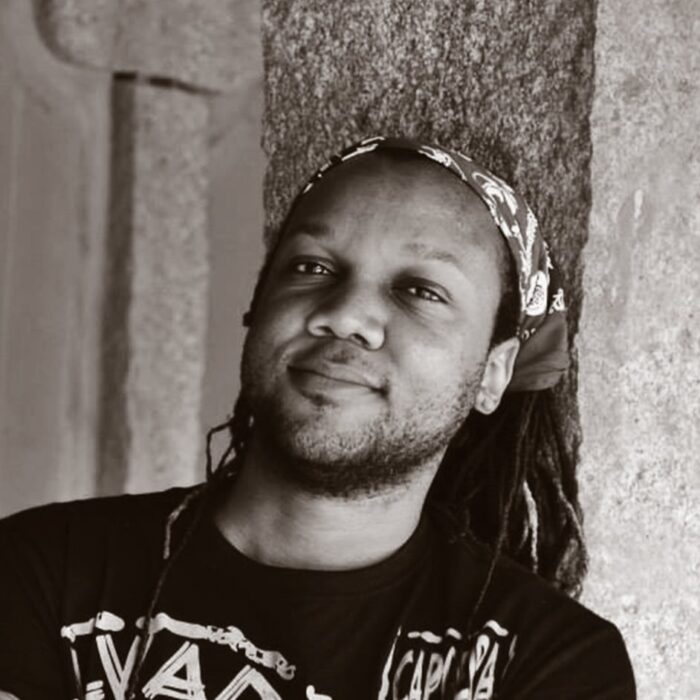
I lived in Edinburgh for nearly ten years without being aware of the bones of the Caribbean swept under the gold-paved streets, where tourists flock in the summer to take selfies in front of monuments, listen to bagpipes, or exchange banal remarks about how much they love William Wallace. Mel Gibson’s 1995 film Braveheartstill influences imaginations about the little Scottish nation that stood against English tyranny in the thirteenth century, only to be betrayed. I clubbed a lot in my twenties, frequenting Scottish urban joints that played Jamaican dancehall, Trinidadian soca, and all those up-tempo melodies from small isles on the other side of the pond. In these places, very occasionally, perhaps because of my dreadlocks, someone might attempt to strike up a conversation in patois only to discover I was woefully inept. Occasionally, I was surprised to wind up on, say, Jamaica Street, puzzled to know if it was named by roots reggae connoisseurs in the city council. But I seldom had reason to think of those far-off Caribbean lands.
The grey, windy, streets of Edinburgh were a far cry from the sunshine and colour of those ‘exotic’ places until I met a woman from the island of Grenada. Lisa Williams had a passion for unearthing the black history of Scotland, especially Edinburgh. A mere two hours walk with her revealed what was hidden beneath the well-curated touristy image of the city. I found out that grand buildings I had passed by without thought in St Andrew’s Square were constructed with money slaveholding families received as compensation for the loss of their ‘property’ during the 1833 abolition of British slavery. Ms Williams could even name the plantations and the number of human souls whose misery built these monuments. On Lothian Street, where Charles Darwin briefly stayed as a University of Edinburgh student, she told me how the great man had been tutored in taxidermy John Edmonstone, a freed slave from British Guiana, whose knowledge of exotic animals and birds of the tropical rainforest may have fired his pupil’s imagination towards greater discoveries down the line.
Off the Royal Mile, she showed me buildings that had once been sugar boiling houses, just one little link in that dreadful transatlantic triangle of commerce. I saw the wealth and, yes, beauty paid for by the blood, sweat and tears of the Caribbean – and in that moment what had been a far-off exotic place of great music, sandy beaches and sunshine was radically trans formed. In my mind, the wealth of the Caribbean was not its undeniably vast natural resources, but the resilience and creativity of its people. I recalled the many intelligent students from there I’d encountered during my own university years, their ingenuity. I now believe that if the Caribbean could have suffered so horribly, while so immensely contributing to the wealth of this former seat of Empire, then it is a place that can create something truly extraordinary in this world all over again. I now overstand that the messages of revolution I’ve heard in many a reggae song can indeed be made a reality if only we, all of us, realise, ‘none but ourselves can free our minds’.
© Tendai Huchu
Is english we speaking: African/Caribbean dialogue
Snapshots taken along the way
Jane Bryce
A Fine Intuition
Billy Kahora
What is Africa to me?
Colin Grant
Who is ‘the other’ anyway?
Stewart Brown
Travelling Lines
Funso Aiyejina
A West Indian in Africa
Philip Nanton
Meeting the ogbanje
Claire Adam

Together Apart
Robert Taylor
WritersMosaic monthly
Get new episodes by email
One email monthly, unsubscribe anytime

Illuminating, in-depth conversations between writers.
Listen to all episodes
SpotifyApple Podcasts
Amazon Music
YouTube
Other apps

The series that tells the true-life stories of migration to the UK.
Listen to all episodes
SpotifyApple Podcasts
Amazon Music
YouTube
Other apps
WritersMosaic interrogates the notion of ‘staying in your lane’ by asking writers how they attempt to think beyond the parameters of their cultural identity.
Listen to all episodes
SpotifyApple Podcasts
YouTube

Marlon James: a Jamaican reckoning
'A return to a home I barely knew'
The name of this wallpaper is ‘Childhood’
A luminescent bubble of memory
What’s in a feminist? Holding on to Gloria Steinem
Is Gloria Steinem's feminism still relevant today?
Pressure
What's missing from the latest 'untold story behind D-Day'?
A Trial
An examination of theatre’s complicity in post-truth politics