Time and Fiction
The cusp


1: KARACHI
Wednesday
There’s a sliver-moon in the December sky with a star above it.
Look, I say as we cross the road.
Another of your epiphanies, Nasir responds.
We walk through the hotel lobby to the garden that borders the creek. We stroll by the water’s edge. Palm trees loom above us. There’s a red-lit bridge in the distance, and big boats passing by.
Let’s sit down here. Give me a cigarette, Nasir says.
We’re silent for a bit. Then he starts to hum ‘Both Sides Now’, which I taught him years ago.
Sing it for me, he says. We met six years ago right here on this spot, he adds. At the festival. You were surrounded by these people who wouldn’t let me reach you…
Seventh of February, I interject. There was that huge marquee just here. I was standing alone when you came up to me. You said you liked something I’d said at my talk that morning…
Yes. Then you were dragged away. Then that next time….
But I answered the letter you wrote me later.
We’ve been in touch ever since, we wordlessly say, even through the hard rides.
(I was blindly infatuated with an unreachable person that year and spent every moment on my phone checking for signals and messages. I was working far too much. And then I left my job and moved the focus of my career to Karachi. The object of my affections dissolved into real life.
Meanwhile, Nasir published a book of poems and then married, all within two years. My sister died, and then my mother. I’ve seen some losses; he’s seen some successes. But here we are, older, still singing.)
Do you remember that first motorbike ride I took you on, Nasir says, the following December, over the bridges of North Karachi?
A few days before your wedding night? Or the year before? What was the song you sang as we crossed that bridge? We stopped at a Balochi teashop on the wayside. It was nearly midnight when you took me back and Jafri Sahib went ballistic…
You’ve never been afraid of the ride, Nasir says. Nor of the meaner streets.
Not that time, nor any of the others. Fancy a ride right now?
I’m jetlagged.
I’ll take you out again tomorrow.
I pause to reflect on riding and fear and epiphanies.
Tuesday
Chand arrives to pick me up when I’m surrounded by unexpected guests.
I need a cigarette. I rise, wondering whether she’ll think I deliberately asked her to come early to trap her in a group conversation. She doesn’t.
In the garden, she lights a cigarette too.
We’re talking in December sunlight as if we’ve known each other for years, though we’ve only snatched meetings on staircases over the last week, since I told her how much I admired a script she’d written. (Now I’m trying to remember the name of a Japanese film I saw in another life, in which the protagonist tells a woman he’s met of his longing to be interviewed about the hidden places of his life. I feel I’m in his place, right now.)
Have you loved? she asks.
I have, I say, too much and unwisely. But in the end I left, each time. Though we often remained friends. Two of my lovers died, but a decade or more after the end of our story, on the same day in April, six years apart.
You fell, I gather, for some slightly crazy people. But with our need for solitude to write, are we perhaps better off living alone? I have my children and my mother who love me, and a group of select friends. I see them all when I need to. I sleep early and wake before dawn.
Sounds like me, I say. Though I don’t like night-waking. Makes me think of death.
Time to go, Chand says. There’s a demonstration in town, and a lot of traffic out on the streets.
2: LONDON
Saturday
Still in isolation, I tell her. London is dark and cold. Three days to go? Four? But I’m fine. I read a lot and listen to old French melodies, and I wait for your messages.
Lahore is misty, says Chand. Last night, I escaped from a noisy New Year party without even going through the doorway.
I went to bed long before midnight. I didn’t notice the time.
When we didn’t speak for two days it felt like two years.
Thursday Jafri Sahib passed away, Nasir says on the phone. To think we were with him just a week ago, a few hours before your flight… I hardly knew him, but he was a kind man.
(He’d asked Nasir to sing something by Shaikh Ayaz. Nasir sang beautifully.)
What happened?
Heart failed. He was having a mid-morning cup of tea with his wife, and he just passed away. Too many deaths.
Nasir’s voice breaks.
Monday
Chand reads out her stories. About men, about time. One about an artist, one about a polo player. She’s reading my stories, too.
There’s a lot about death, about accidents and illness and old age, she writes. But you never seem to lament, though it’s all there, a kind of muffled grief. I remember my grandmother, who died at 96. She said that’s what age did: made us witnesses of loss. And her time on earth was over. Her dead were calling out to her.
Like my mother, I tell her later. Last January my year of mourning wasn’t over, I hated the lockdown and isolation and dark short days and the deaths. Those stories came from a time of grief and separation. These days I watch the sun rise and the sky changing colour and wait for February and early pear blossom. Sunlight’s meant to be at 8am but the sky’s nearly blue at 7. Sunset’s still vicious, it makes me miss my lost ones. Morning is my time to think about the call of the living.
Let us never forget the ones we lost, she says.
(Sometimes we sing for each other, Chand and I.)
© Aamer Hussein
Aamer Hussein
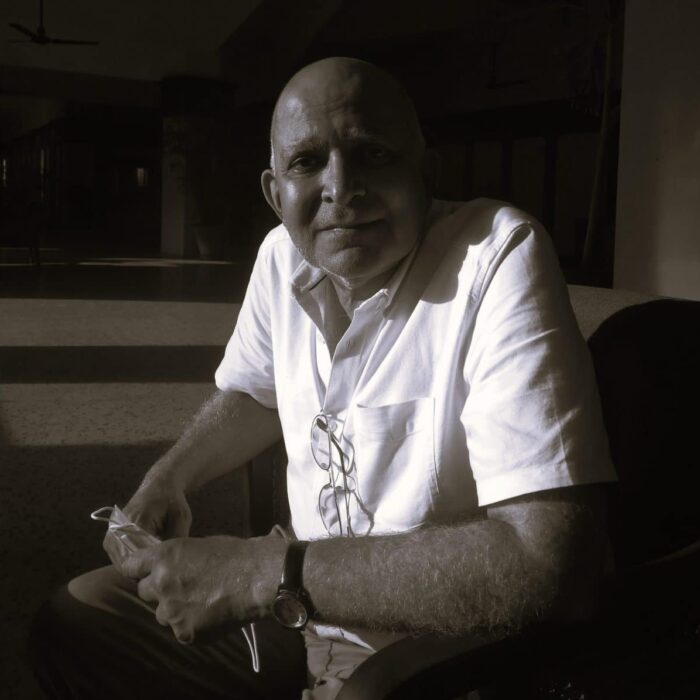
Born in Karachi in 1955, Aamer Hussein moved to London in 1970 and has divided the last decade between London life and working in Pakistan.
Time and Fiction

Between the story and the clock
Mirza Waheed

Time is an egg
Tishani Doshi

Time after time
Tahmima Anam

DOPE
Nikesh Shukla

A Prague minute
Kerry Hudson

The echo of my footprints
Jamal Mahjoub
WritersMosaic monthly
Get new episodes by email
One email monthly, unsubscribe anytime

Illuminating, in-depth conversations between writers.
Listen to all episodes
SpotifyApple Podcasts
Amazon Music
YouTube
Other apps

The series that tells the true-life stories of migration to the UK.
Listen to all episodes
SpotifyApple Podcasts
Amazon Music
YouTube
Other apps
Nine writers explore the elusive emotional truth behind narratives and storytelling.
Listen to all episodes
SpotifyApple Podcasts
YouTube

Free Will
Will Harris reads his poem, 'Free Will'. Directed by Matthew Thompson and commissioned by the Adrian Brinkerhoff Poetry Foundation.

Half Written Love Letter
Selina Nwulu reads her poem, 'Half Written Love Letter'. Directed by Matthew Thompson and commissioned by the Adrian Brinkerhoff Poetry Foundation.
From Fruity to Raffell
A retreat of solitude, community and creative stimulation
Jason Arday (9 May, 1985 – 14 August, 2026)
WritersMosaic reflects on the life of Jason Arday
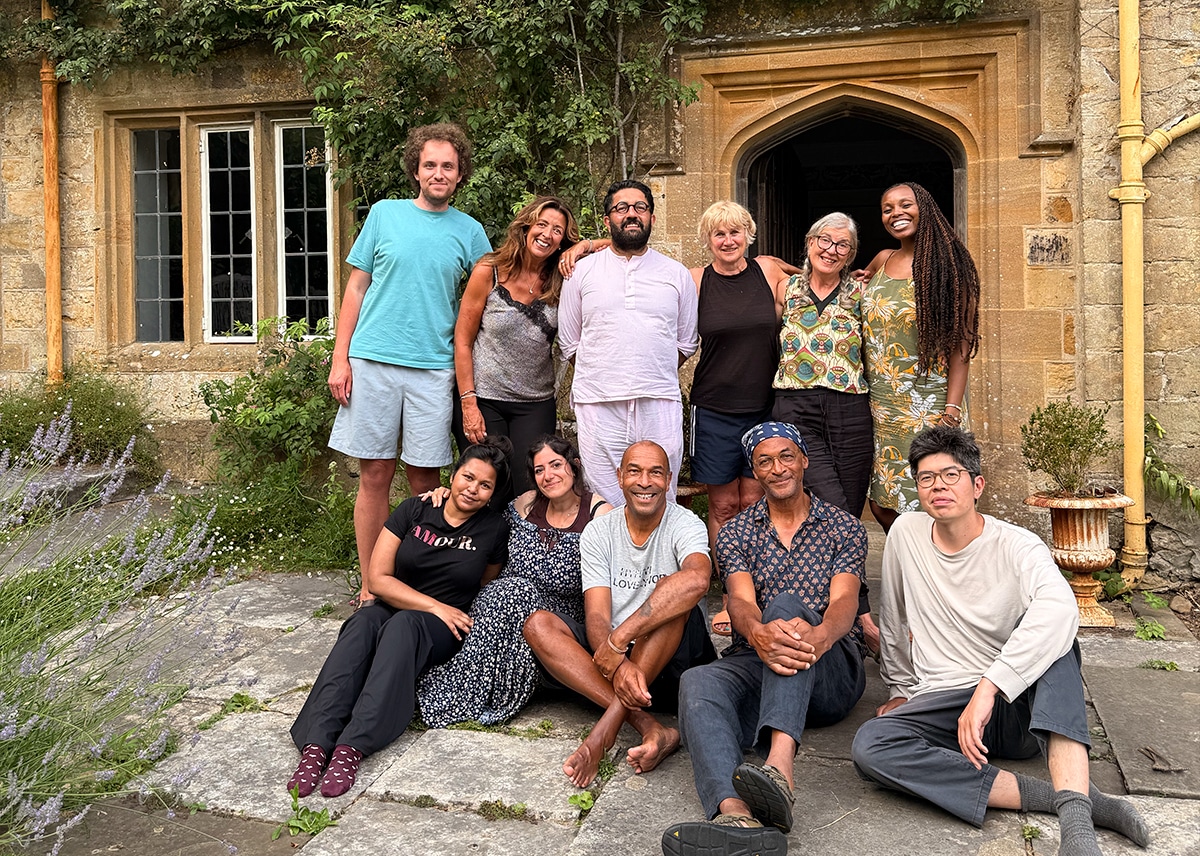
Inside the WritersMosaic Literary Residency
'The sea was crystal clear, the weather was perfect and my pink toenails shimmered beneath the transparent water'

Shine Your Eye
A no-holds-barred account of travels through West Africa
The Immortalists
What would you be willing to do to ensure eternity?