The Review
Eating the Archive & Incubation: a space for monsters


Eating the Archive
Yousif M. Qasmiyeh (Talgarreg, Broken Sleep Books, 2023)
Incubation: a space for monsters
Bhanu Kapil (London: Prototype, 2023)
Review by Nisha Ramayya
‘There, they interpret life as a sign of life, no more, no less,’ Yousif M. Qasmiyeh writes in his first poetry collection Writing the Camp (2021), published by Broken Sleep Books. Baddawi Camp was established by the United Nations Relief and Works Agency for Palestine Refugees in Lebanon in 1955. It’s where Qasmiyeh was born and educated, and where he returns as a family member as well as a writer, researcher, and translator now based in the UK. The camp is a place where people live; it’s also a historical accretion of ruptures and encounters in which people are ‘weighed’ by their dispossession and sustained by ‘voluntary contributions’ from UN Member States.
Eating the Archive (2023), Qasmiyeh’s second collection, continues his recording of daily life in the camp, focussing on the system of gifts and rations that purports to meet people’s needs. On the one hand, it’s through poetry that we can attempt to say what’s immeasurable – selfhood, love, belief, darkness; on the other, we still need to eat.
‘We grow nothing. Only the sky.
Lentils.
Because of what they are. What will be of them at the last supper. What we call food so as to remember our bodies fleetingly. What takes time while giving time. Abundant times for us to be hosted by air while straying in differing directions to distant fates.’
As Qasmiyeh makes clear, the gifts are conditional, the rations adequate; ‘hostility and hospitality’ are synonyms in the camp. Time is organised by waiting, for deliveries, for bureaucratic processing, for air raids, for change, however big. For other temporalities, new endings, the surprise and persistence of newness, however small: ‘What buds again.’
Qasmiyeh’s poetry neither reduces refugee experience to suffering nor shirks the responsibility involved in writing it, and there is a motility, an iridescent pattern and pulse to his lines that reveals what’s inviolable about life even as he admits the forces that would deny refugees the right to claim or desire life beyond vital signs. Memories of pomegranate trees and flying kites in the camp. Dreams, prayers: war ending, consecrated burial grounds, home. Qasmiyeh leaves the camp and carries it with him, and Eating the Archivespeaks from many directions, split by the poet’s changing proximity to the camp and his relationship to the people who still live there. Qasmiyeh artfully, adamantly reminds us of the limits of writing and language as he contemplates these limitations from within: ‘When bombs fall, people hear themselves. / My mother would shout with every bang to cover our ears thinking that this would be sufficient not to hear.’
In Incubation: a space for monsters (2023) Bhanu Kapil asks: when does the otherised become a human being, whether monster, cyborg, immigrant, or girl? Reissued by Prototype 17 years after its initial publication with a ‘British Coda’, Incubation is one of six books that form part of Kapil’s expansive, frequently collaborative practices across writing and performance. We’re offered several entry points and routes through which to read this book, beginning with a ‘Punjabi-British hitchhiker on a J-1 visa’ journeying across Idaho, California, Colorado, and New York. Known as Laloo, this hitchhiker has a particular past: a childhood in West London shot through with stories and memories of North India, an ordinance that’s gendered, sexualised, and racialised. ‘What is a girl?’ She decides to leave, committing to a life of itinerancy and daily experimentation, a route taking us through a series of high jinks, hazards, and miracles.
Laloo undergoes ‘physical transformation generated by new environments’, becomes monstrous, and ‘gives birth to a body that is also giving birth. A red body with four arms.’ Another route introduces us to another Laloo, an Indian boy who was exhibited in late 19th-century America as an anomaly: ‘Two legs hung from him. Am I saying this well? He was duplicate, in a limited sense, within himself. Like a person in a dream, he was a concentrated block of wrong perceptions.’ Laloo is himself and his parasitic twin, an entry in the medical encyclopaedia, the subject of exploitation and an earthly echo of many-armed Hindu gods – he’s more than what can be said.
Laloos conflate and deviate in Incubation, they’re living, bleeding texts with multiple endings. What is a book, Kapil asks, irresistibly; what’s genre, to make readers snort with laughter, flinch, and rethink the narratives of our own life stories? Monsters are obvious, they can make a success of difference or assimilation; cyborgs can’t always be told apart from their originals; immigrants can try legal processes, undergo surveillance, and wait; girls can go too far. Becoming is a process incommensurable with categories and quantification: ‘L is for love which is blood: the gathering speed of a pulse though the person is standing very still in the space before touch there in the darkness which is real.’
https://www.brokensleepbooks.com/product-page/yousif-m-qasmiyeh-eating-the-archive
https://prototypepublishing.co.uk/2023/03/21/launch-of-bhanu-kapils-incubation/
© Nisha Ramayya
The Review

An Interruption
Guy Gunaratne

Ally, Critic or Both?
Colin Grant

How to Disrupt, Build and Flourish
Sunny Singh

This Thread of Gold & Disobedient Bodies
Shara Atashi

Top Doll
Yvonne Singh

The Things That We Lost
Shani Akilah

Vlad, the Fabulous Vampire
Sharon King-Chai

Safiyyah’s War
Jasbinder Bilan

Notable
Sarah Shaffi

Postcard
Mazen Maarouf

Illuminating, in-depth conversations between writers.
Listen to all episodes
SpotifyApple Podcasts
Amazon Music
YouTube
Other apps

The series that tells the true-life stories of migration to the UK.
Listen to all episodes
SpotifyApple Podcasts
Amazon Music
YouTube
Other apps
Nine writers explore the elusive emotional truth behind narratives and storytelling.
Listen to all episodes
SpotifyApple Podcasts
YouTube

Free Will
Will Harris reads his poem, 'Free Will'. Directed by Matthew Thompson and commissioned by the Adrian Brinkerhoff Poetry Foundation.

Half Written Love Letter
Selina Nwulu reads her poem, 'Half Written Love Letter'. Directed by Matthew Thompson and commissioned by the Adrian Brinkerhoff Poetry Foundation.
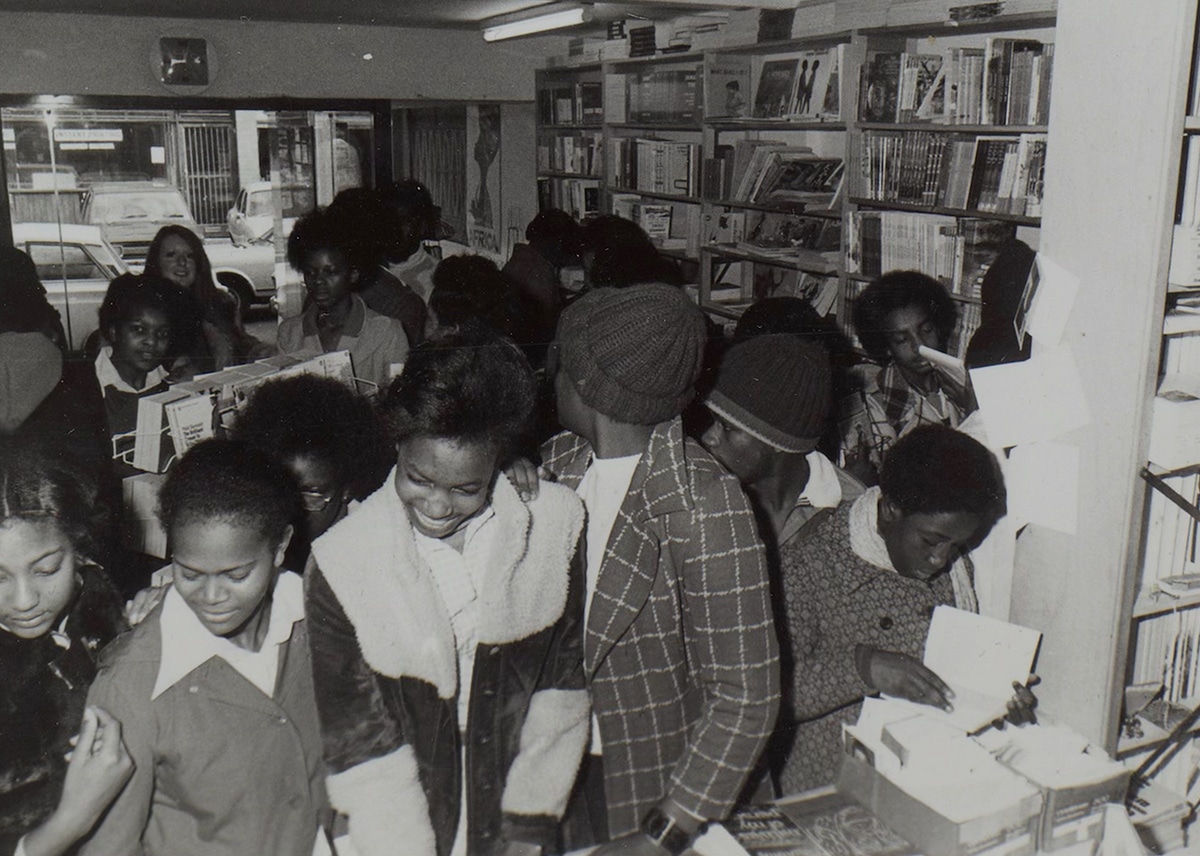
A trail through the archive of Black British history
An overlooked canon of Black British literature waiting to be uncovered
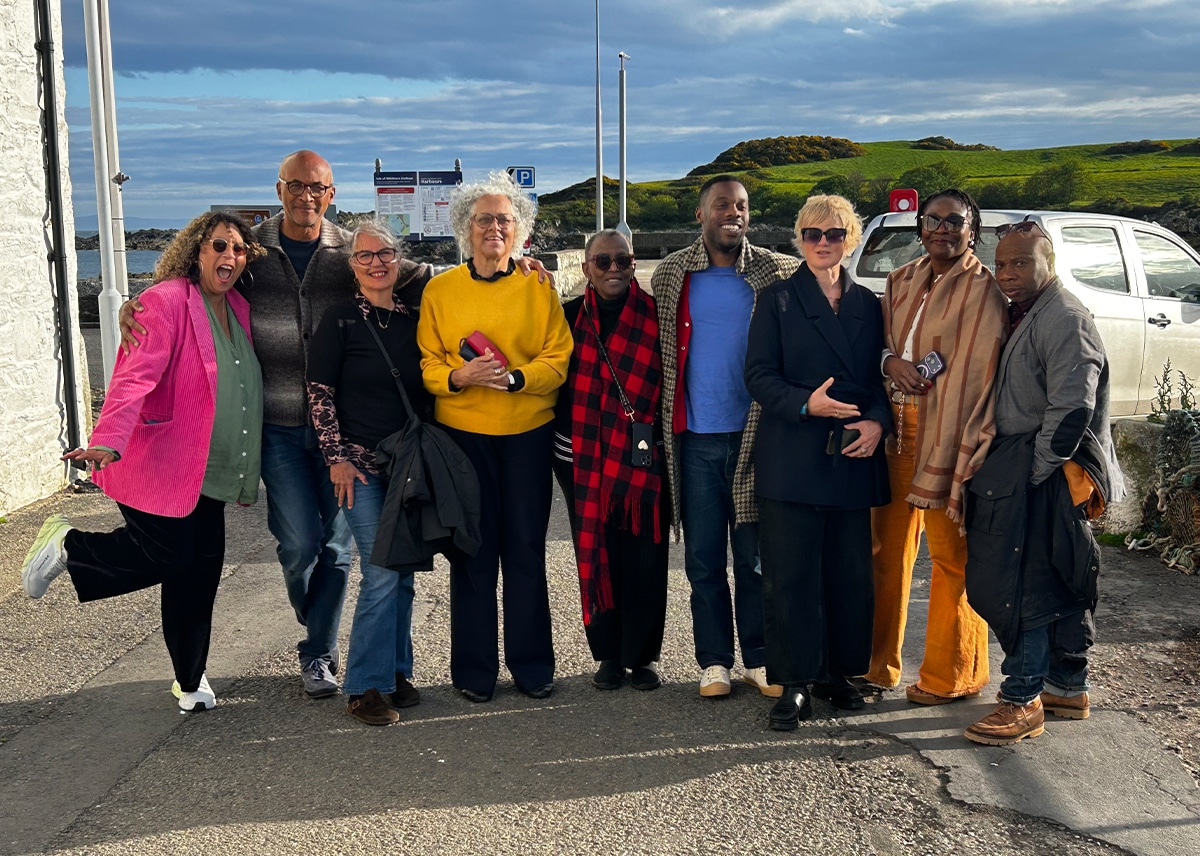
The gift of time
'There is nothing like the first 1,000 or so words, those first voices, the wild ideas and unfiltered dialogue scribbled into notebooks'
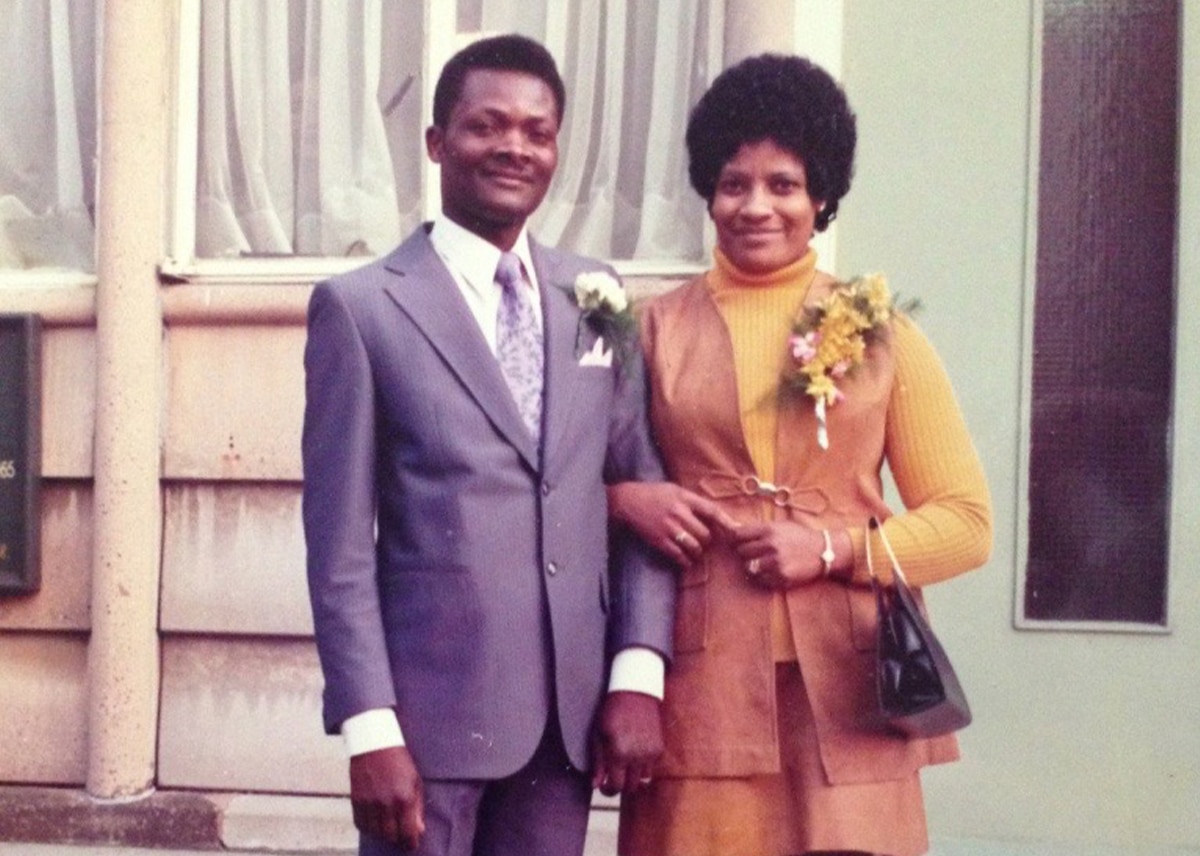
Didi
'My Grandfather did not let the world harden him. His eyes, which have greyed with his hair, shine like buttons when he laughs.'
Zineb Sedira
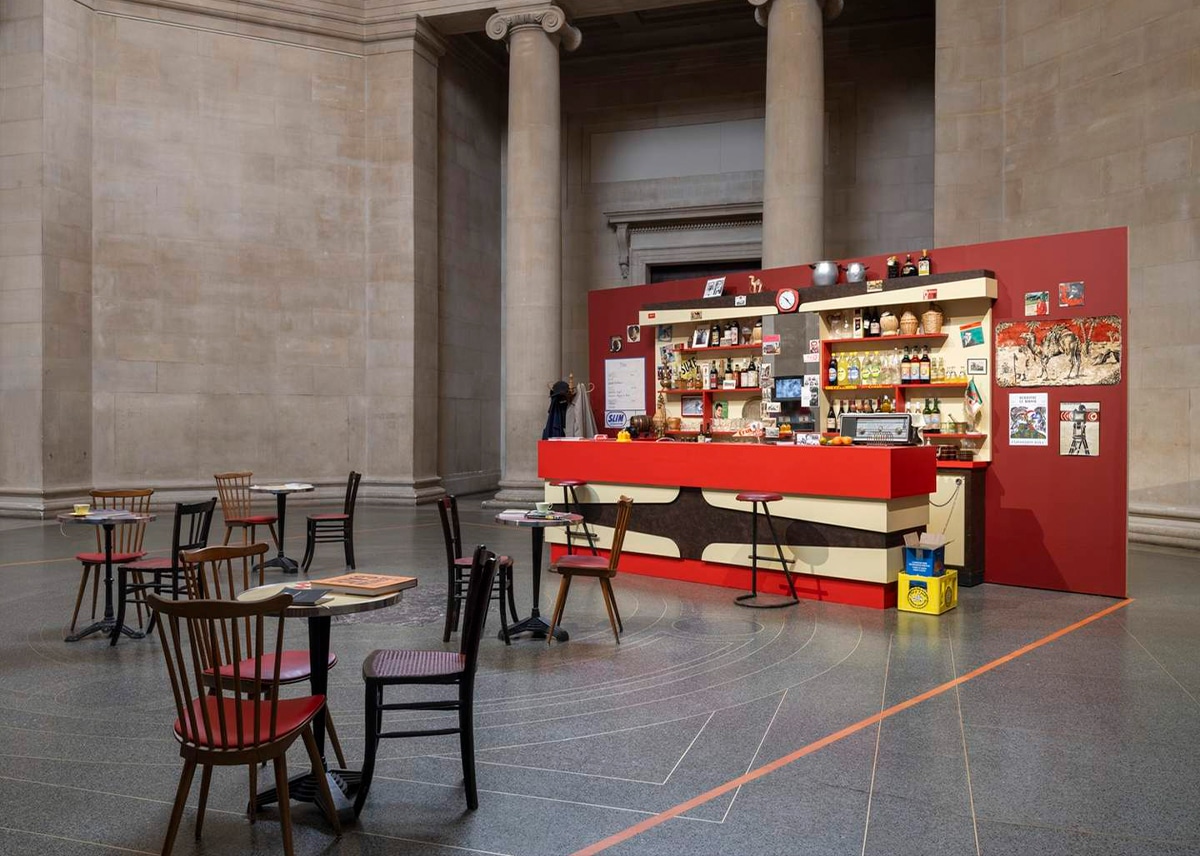
Zineb Sedira's installation at Tate Britain brings 20th century African cinema to centre stage
Shoot the People
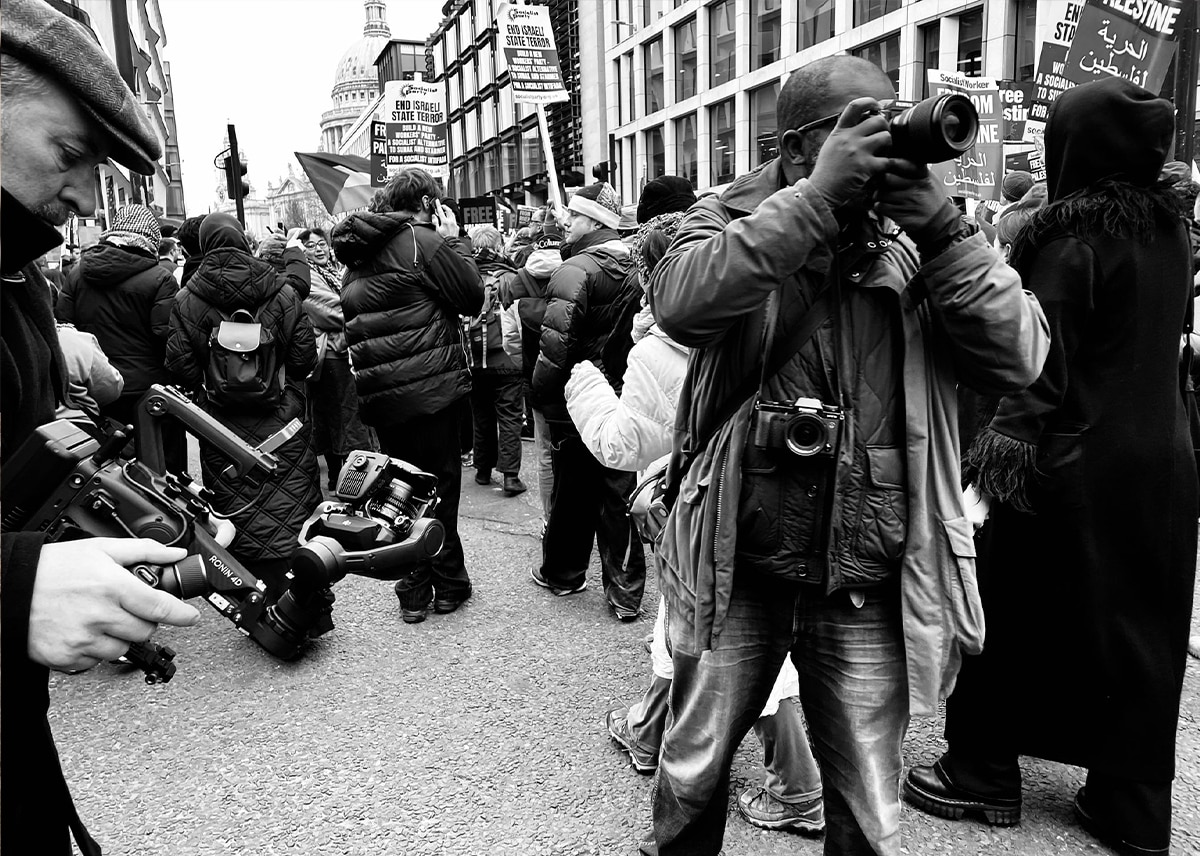
Andy Mundy-Castle's documentary portrait of the the British-Nigerian photographer, filmmaker and activist Misan Harriman