
The Music is Black
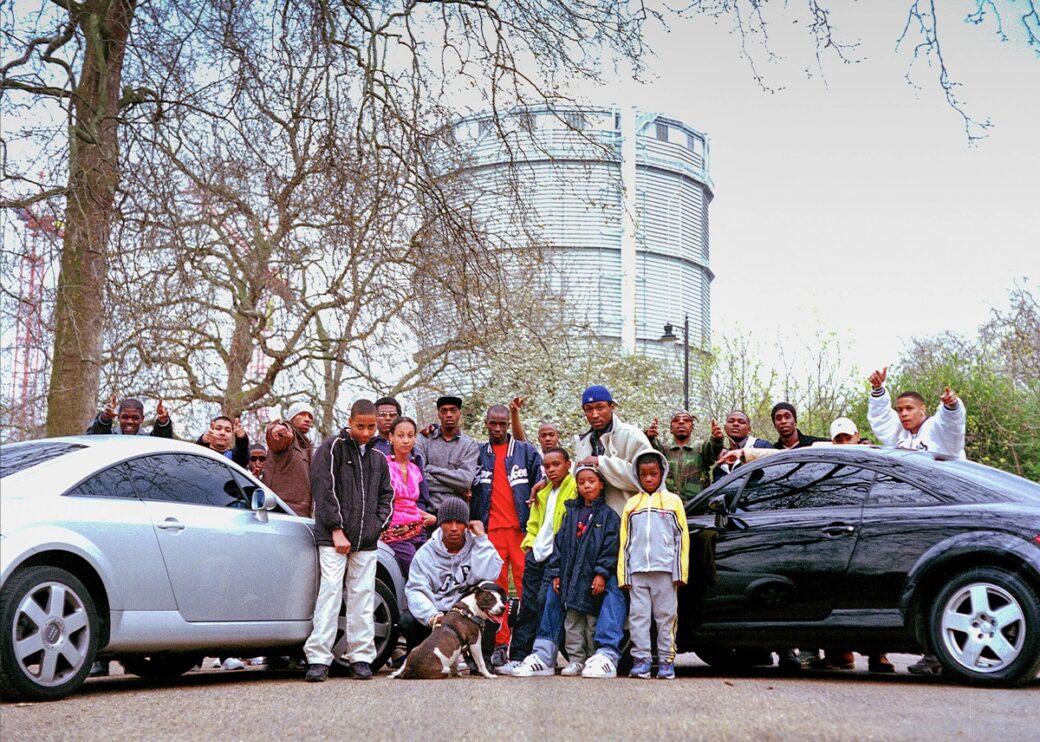
The Music is Black: A British Story
V&A East, London, 18 April 2026 – 3 January 2027
The V&A, traditionally stuffed with iconic artefacts which may not immediately resonate with your actual life – Cartier tiaras, Marie Antoinette’s slippers – is currently hosting its inaugural exhibition at V&A East that definitely will. Neville Staple’s trilby, Pauline Black’s pork pie hat and suit, Poly Styrene’s tunic and army helmet, Stormzy’s Union Jack stab vest and Shirley Bassey’s glittery ‘Goldfinger’ frock are all here. Photos of everyone from Jah Shaka to Dizzee Rascal, Billy Ocean to Skepta, Tricky and Goldie to Janet Kay and Dennis Bovell, Haile Selassie to Skunk Anansie (although not quite everyone – there’s no sign of Roots Manuva).
The Music Is Black: A British Story spans 125 years of Black British music from 1900 to 2025, featuring room after room of treasures – documents, film footage, fashion, ephemera, paintings, sculptures – all meticulously soundtracked through headphones as you move around the 200 items. You can download the playlist afterwards.
The exhibition opens with a drum sculpture by Ben Enwonwu, whose paintings were part of Nigerian Modernism over at Tate Modern earlier in the year, and a simple one-stringed bow from Zambia, the kind which would later inspire the diddley bow – and Bo Diddley – as blues developed in the American South in the 1930s.
The exhibition creates context for the music it showcases via a deep dive into the forced displacement of millions of Africans through what Curator Jacqueline Springer terms ‘transatlantic African chattel enslavement’. Descendants of the African diaspora would create jazz and reggae, blues and funk, rock and roll, soul and hip hop. The imposition of Christianity in colonised African countries resulted in gospel singing, which, she notes, ‘set the vocal standard for all contemporary music to come’.
Springer writes in the exhibition’s accompanying book that “Black music’ is a short, sharp description of the enormous and the emotive […] as such ‘Black music’ is global proof of resilience.’ Adds V&A East Director Gus Casely-Hayford, ‘It is the music of indefatigability, of resistance, of anger, of celebration, of love, of loss, of possibility and hope.’
And ingenuity. Like DJ Kool Herc and the birth of hip hop in ‘70s New York, entire genres evolved on a shoestring. You can see the preamplifier built by sound system engineer Metro and used by Jah Shaka, which revolutionised the sound of UK dub; it sits across from a Nintendo console used by Grime MC JME, who used it before he had access to formal equipment.
After the sobering history of the African diaspora comes an engaging trip through Black British music between 1900 and 1970, swooping from immaculately dressed jazz musicians of the ‘20s and ‘30s to the birth of the Notting Hill Carnival in the ‘60s, originally organised by Claudia Jones as an indoor celebration after the 1958 race riots in London. In 1966, social worker Rhaune Laslett took it outside, creating what would become Europe’s biggest street party.
‘Carnival is resistance,’ writes Springer. ‘It is also protest […] Carnival is revelry in tribute […] showcasing musical dissent and the body as messenger.’ It is music and dance in response to systemic racism. The so-called ‘sus’ laws and racist policing – which led to the ‘80s rioting in Brixton, Toxteth and St Pauls – has long inspired creative resistance. From Steel Pulse’s debut Handsworth Revolution (1978) to Smiley Culture’s ‘Police Officer’ (1984) to Dizzee Rascal’s ‘Sirens’ (2007), via Linton Kwesi Johnson and Benjamin Zephaniah to contemporary drill and grime artists, Black British music holds a mirror up to the lived experiences of its creators. Rage, hope and joy co-exist.
Joy dominates as we make our way through the genres – roots and reggae, lovers rock (‘the first reggae subgenre created outside of Jamaica’), 2 Tone, Brit funk, jungle, Drum’n’Bass, trip hop, UK garage and grime. Legendary venues like The Four Aces in Hackney and the Blue Note in Covent Garden feature, as do dance halls, nightclubs and pirate stations broadcasting from the top of tower blocks; the music came from homemade studios and grassroots collectives, driven by a DIY ethos and an energy to create, express, come together.
Of all the genres, perhaps 2 Tone most epitomises this coming together. The label, set up in 1979 by Jerry Dammers, was all about multiracial ska with a swirl of punk: The Specials, The Selecter, The Beat, The Bodysnatchers, Bad Manners and Madness became the soundtrack of ‘80s kids, as an alternative to Bucks Fizz and Phil Collins.
It feels quite strange walking – half-dancing – through an exhibition full of artists, places and events which have formed your own cultural life. From the sound systems and raves to the protests against 1994’s Criminal Justice and Public Order Act which tried to criminalise ‘repetitive beats’, all soundtracked by rappers with London accents, ethereal Bristol trip hop, gut-rumbling dub, skittering drum and bass all the way to grime, born and bred in the surrounding postcodes of Tower Hamlets, Newham, Tottenham.
Grime at the V&A may not have been on your 2026 bingo card, but The Music Is Black is an important start to London’s newest, freshest art space. This is a magnificent show, lavish and satisfying, and reinforcing what we already knew – that all music is Black music. Give yourself at least two hours, if not longer. It’s worth every second.
The Music is Black: A British Story at V&A East, London. Open until 3 January 2027.
WritersMosaic monthly
Get new reviews in your inbox
One email monthly, unsubscribe anytime
Pressure
What's missing from the latest 'untold story behind D-Day'?

A Trial
An examination of theatre’s complicity in post-truth politics

The Complex
The unraveling of a dynasty



Marlon James: a Jamaican reckoning
'A return to a home I barely knew'
The name of this wallpaper is ‘Childhood’
A luminescent bubble of memory
What’s in a feminist? Holding on to Gloria Steinem
Is Gloria Steinem's feminism still relevant today?



Illuminating, in-depth conversations between writers.
Listen to all episodes
SpotifyApple Podcasts
Amazon Music
YouTube
Other apps

The series that tells the true-life stories of migration to the UK.
Listen to all episodes
SpotifyApple Podcasts
Amazon Music
YouTube
Other apps
WritersMosaic interrogates the notion of ‘staying in your lane’ by asking writers how they attempt to think beyond the parameters of their cultural identity.
Listen to all episodes
SpotifyApple Podcasts
YouTube