Fabulous Islam
A fabulously transformative journey

My Portuguese great-grandmother told me a story I’d heard many times before about a merchant who was challenged every time he crossed the border of a neighbouring country. The panniers on his donkey were searched and, though nothing illegal was ever found, one customs officer remained convinced that the merchant was smuggling something. Years later, he bumped into the merchant and asked what it was he was smuggling. Smugly, the merchant replied, ‘Donkeys’.
In her story, the merchant was called Pedro. But I’d heard almost exactly the same story among the Mullah Nasruddin tales told in the Muslim world from the Balkans to China. So where was it actually from? The Middle East or the Iberian Peninsula? A war of attrition ensued between my two great-grandmothers, each claiming the other had ‘stolen’ the fable from her culture. It was Europe versus the Middle East.
Growing up with folktales, I had never really given much thought to their origin. The animal stories seemed to be universally shared. Looking back, I honestly think I discovered a good many of them in American comics, in which Aesop’s fables appeared as little add-ons to the longer, main story, usually a classic fairy tale – Cinderella, Snow White, Rapunzel. I remember the lurid colours of the illustrations, and wondered why the characters rarely had names – the exception being tricksters or ‘wise fools’: Sheikh Chilli from my Pakistani great-grandmother, Ivan the Fool from Russia or the wonderful Mullah Nasruddin. But at what point did the Mullah become Pedro, or vice versa? There was something about the names that caught my interest.
Occasionally this trickster or ‘wise fool’ figure turned up in novels – Cervantes’ Don Quixote, or Ji Gong, the rebellious but compassionate Chinese monk reputed to have supernatural powers, or lucky Ivan the Fool from Russia, amusing tales often containing a pungent twist. These figures emerged from and re-entered the great ocean of fables, floating their way everywhere, purveying universal concerns, feelings and morals, often nameless, stateless and unbounded. Despite rampaging through Google and asking questions, I couldn’t find the donkey-smuggling story in a book. But the journey did lead me to the work of the seventeenth-century French fabulist Jean de La Fontaine. And suddenly, fables were literature. French literature.
Until, that is, through the internet, I came across a website by Anwar Al-Mutairi, a Kuwaiti artistic director, illustrator and visual artist. Al-Mutairi had also found Fontaine’s fables and writes on his page that he was inspired to select two well-known ones to respond to: ‘The Crow and the Fox’ and ‘The Tortoise and the Hare’. Al-Mutairi translated the fables into Arabic, painstakingly calligraphing the Arabic script and employing the style of mediaeval Islamic manuscripts for the illuminations.
Et voilà! Yet another transformation from a humble genre, through classical French literature into another skilfully cut and displayed gem bestowed by the open arms of Islamic civilisation. Fair exchange is no robbery, as La Fontaine might pithily have said of the quarrel between my two great-grandmothers.
© Jasmine Shackle
Fabulous Islam

Fabulous Islam – the journey of fable in the Muslim world
Shahrukh Husain


Hamza the Ayyar
Adnan Madani

The fable of the naked faqir
Shueyb Gandapur

The Chenab River
Khaldoon Ahmed

Balancing patience, knowledge and humility
Salma Raheem
WritersMosaic monthly
Get new episodes by email
One email monthly, unsubscribe anytime

Illuminating, in-depth conversations between writers.
Listen to all episodes
SpotifyApple Podcasts
Amazon Music
YouTube
Other apps

The series that tells the true-life stories of migration to the UK.
Listen to all episodes
SpotifyApple Podcasts
Amazon Music
YouTube
Other apps
WritersMosaic interrogates the notion of ‘staying in your lane’ by asking writers how they attempt to think beyond the parameters of their cultural identity.
Listen to all episodes
SpotifyApple Podcasts
YouTube
In the first series of poems commissioned by Hannah Lowe, six poets explore how ritual gives meaning to our lives.
Listen to all episodes
SpotifyApple Podcasts
YouTube

Free Will
Will Harris reads his poem, 'Free Will'. Directed by Matthew Thompson and commissioned by the Adrian Brinkerhoff Poetry Foundation.

Half Written Love Letter
Selina Nwulu reads her poem, 'Half Written Love Letter'. Directed by Matthew Thompson and commissioned by the Adrian Brinkerhoff Poetry Foundation.
The name of this wallpaper is ‘Childhood’
A luminescent bubble of memory
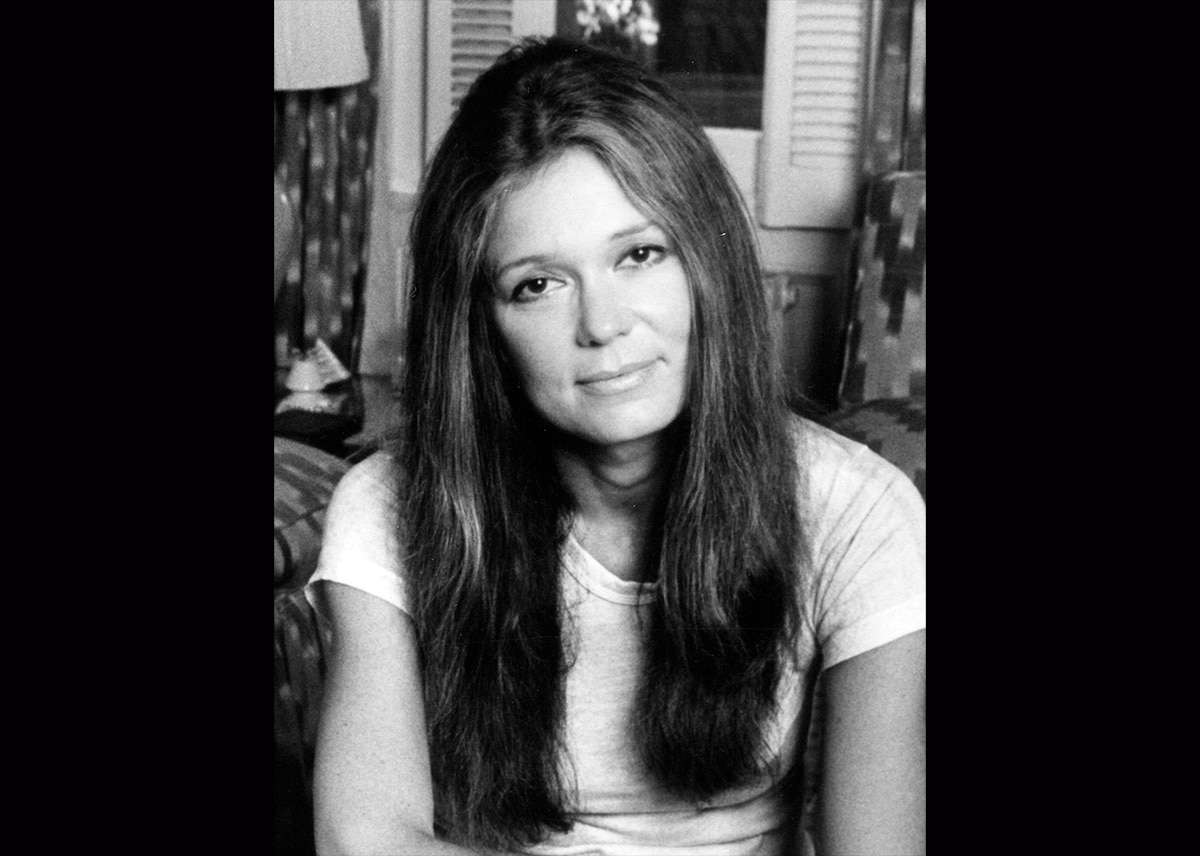
What’s in a feminist? Holding on to Gloria Steinem
Is Gloria Steinem's feminism still relevant today?
Coats
The unexpected cost of acquiring two Italian leather coats in Rome
A Trial
An examination of theatre’s complicity in post-truth politics
The Complex
The unraveling of a dynasty