
Tell My Horse
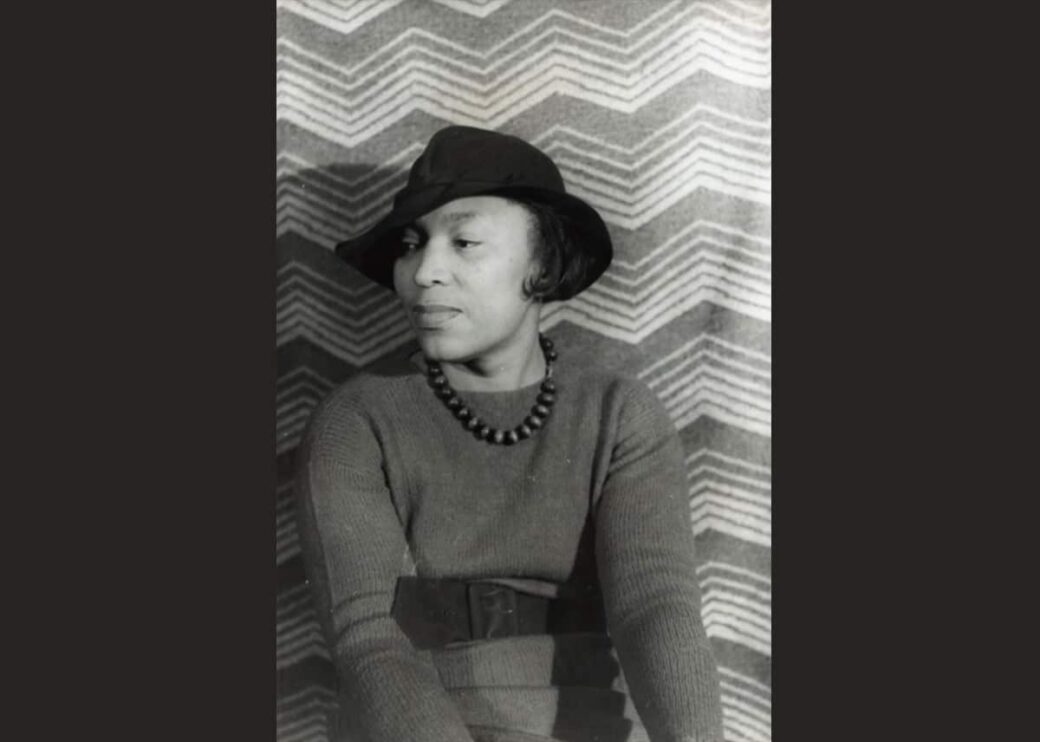
Tell My Horse1 by Zora Neale Hurston is an audacious, compelling and forensic expedition into Jamaican and Haitian socio-cultural lived experience in the early twentieth century. The book left an indelible mark on my own struggle to find agency and self-expression in the male-dominated world of news and current affairs. As a young journalist, I was in awe of Hurston’s anthropological field work conducted between 1936 and 1937. By 1927, she had already travelled throughout the southern states of America, in a car she called ‘Sassy Susie’, carrying a pistol for protection. She documented the folklore of slave descendants as transported legacies of the African diaspora. Ten years later, and like a foreign correspondent, she left the United States and set course for the Caribbean at a time when equality and racial justice would have been in dangerous, short supply.
Tell My Horse contains three meticulous sections. The first is about Jamaica, the second presents different personalities and politics in Haiti, while the third describes the spirituality of voodoo, as practised in Haiti. The title originates from the Haitian Creole expression Parlay Cheval Ou. They are the words delivered by the boisterous pantheon of Guede orishas – African Gods representing the powers of death and fertility. These Gods are said to mount an individual as a rider mounts a horse in order to speak and act in the world of the living. As Hurston records, Guede spirits always announced their arrival with the words ‘Tell My Horse’ before beginning a caustic social commentary. Even today, Haitians use the phrase as a disclaimer, feigning ‘mounted’ possession by Guede in order to speak brazenly and with impunity about politics or enemies.
Hurston cleverly and metaphorically uses this expression as the book’s title to signal her intention of delivering candid critiques of racism, poverty, misogyny and colonialism in Jamaica and Haiti. Tell My Horse also tries to rescue the spiritual practice of Haitian voodoo from the demonic, sensationalist images perpetuated by western writers, rendering the belief system as one of the most misunderstood in the world.
The book’s narrative is at times overwhelmed by a tangle of Gods and ceremonies while offering limited explanation of the ultimate goals of the religion. But I loved her provocative wit, irresistible irreverence, and eye-watering self-deprecation. This description of her attempt to ride a mule through Jamaica’s mountains captures it all:
The only thing that kept her from throwing me, was the fact that I fell off first. And the only thing that kept her from kicking me, biting me, and trampling me under foot after I fell off was the speed with which I got out of the way after the fall. I think she meant to chase me straight up that mountain afterwards, but one of Colonel Rowe’s boys grabbed her bridle and held her while I withdrew. She was so provoked when she saw me escaping, that she reared and pitched till the saddle and everything else fell off except the halter. Maybe it was that snappy orange-colored four-in-hand tie that I was wearing that put her against me. I hate to think it was my face.2
Hurston’s uncompromising curiosity, fierce independence and investigative prowess were enough to make me want to try and follow in her footsteps. I arrived in Haiti 60 years after Hurston’s sojourn on a BBC research bursary to study the African diaspora. It was 1997, some three years after a political coup and US military occupation. Tell My Horse helped me to tread my own investigative path with confidence and respect for the spiritual fabric of a country challenged by poverty and political violence but also defined by resilience, creativity and racial pride, as Hurston discovered.
During her lifetime, Hurston’s writing was often condemned by (in my view) misogynist or jealous reviewers for its fierce independence and nerve. She published four novels, including her most famous Their Eyes Were Watching God, two books of folklore, an autobiography, short stories and plays. Hurston’s work fell into obscurity until the 1970s, when Alice Walker rediscovered her unmarked grave and anthologized her writing in a ground-breaking collection for the Feminist Press. It pains me that Hurston died in poverty and that literary recognition was posthumous. But of all her work, I think Tell My Horse provides the most vivid portrait of her enduring, fearless, creative spirit.
1 Hurston, Zora Neale, (2008). Tell My Horse. New York: HarperCollins.
2 ibid. p. 23
WritersMosaic monthly
Get new writing in your inbox
One email monthly, unsubscribe anytime
It’s being published I get paid for; the writing I would do for free
‘Any advance [...] for your novel is to compensate you for the horrors of being published'
Complex antihero: an interview with Arthur Hughes
Unravelling Authur Hughes' Richard III
Marlon James: a Jamaican reckoning
'A return to a home I barely knew'




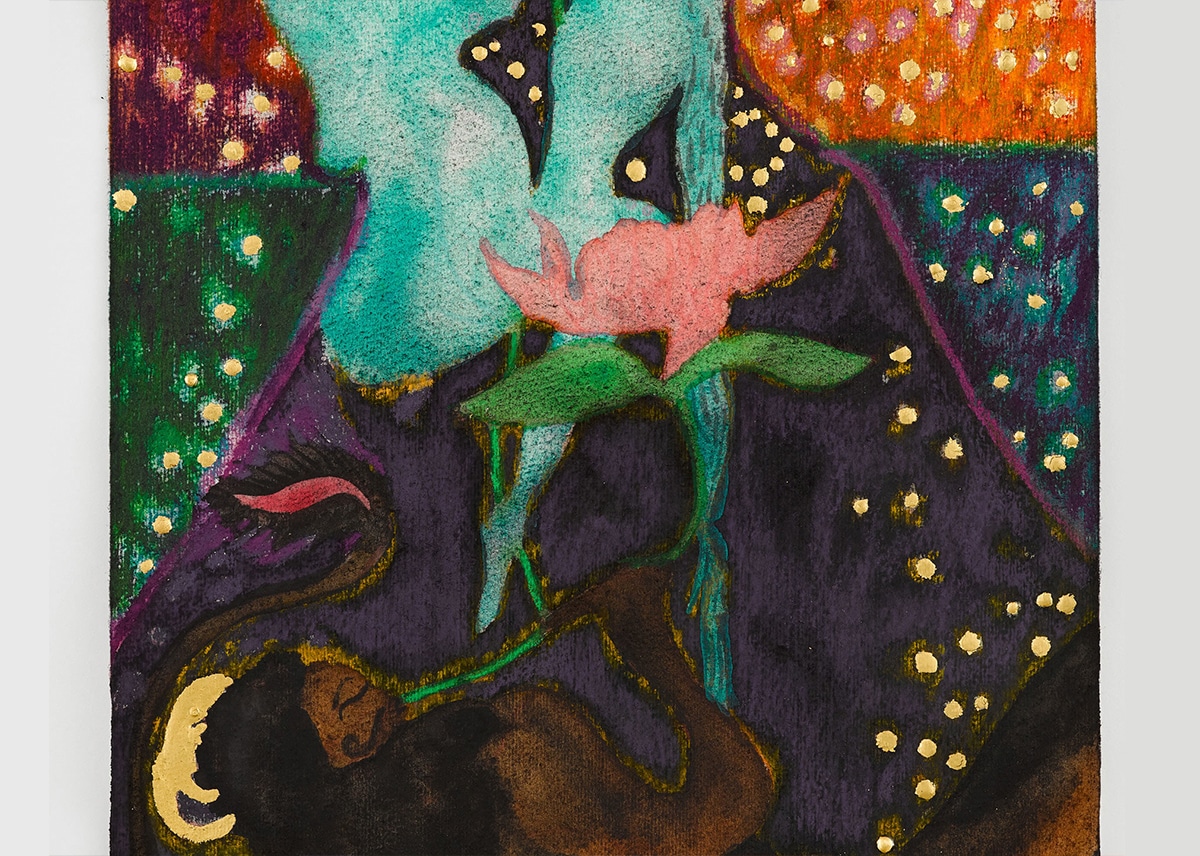
Haunting the Black Air
Poetic freedom across space and time
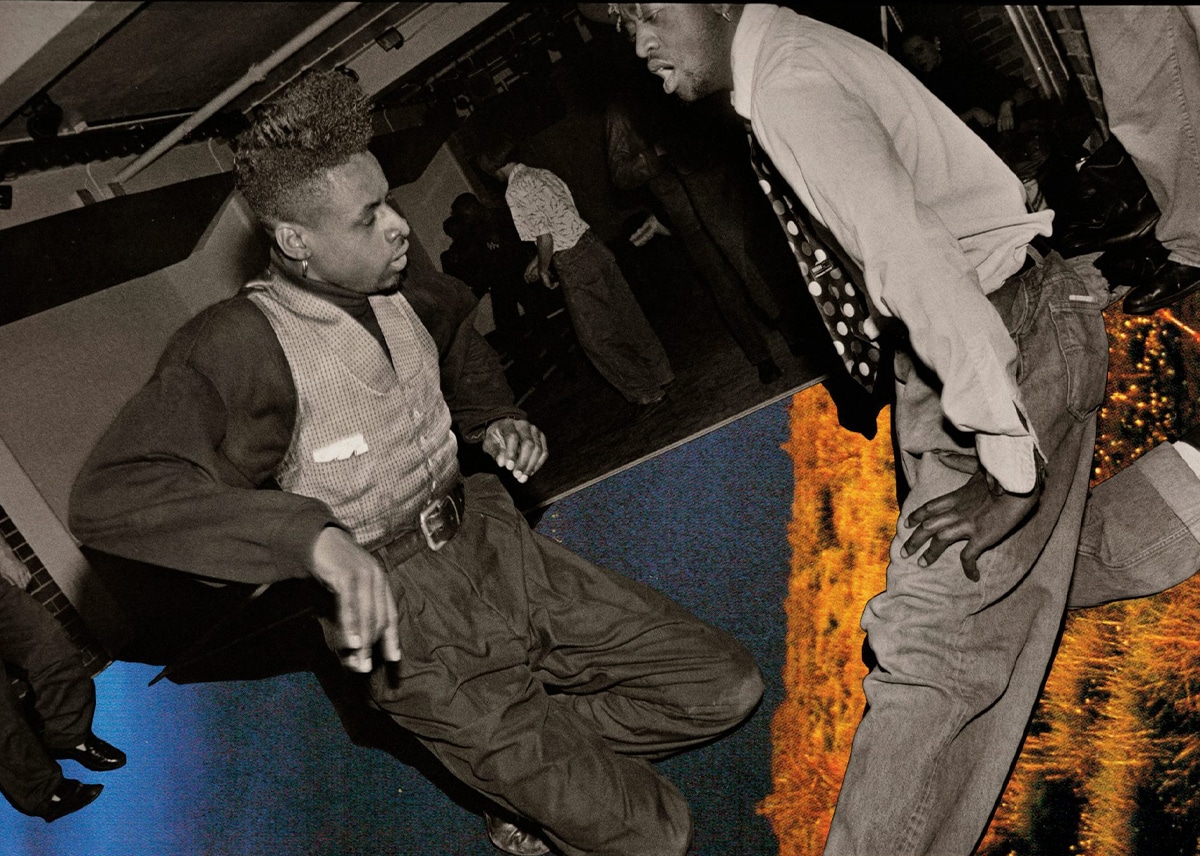
The Disappearers
A sprawling visceral experience that drops you in head first
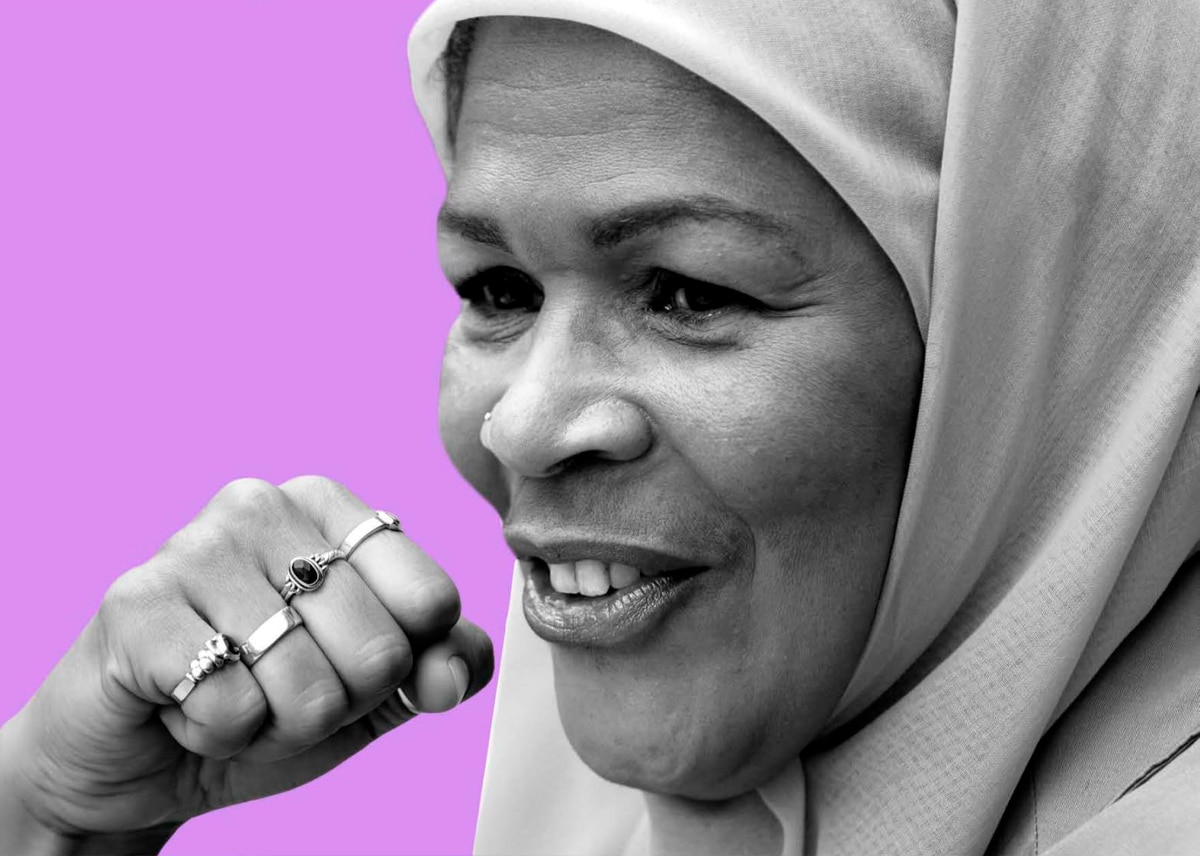
The Lady Imam
Is the world ready to catch up with amina wadud?



Illuminating, in-depth conversations between writers.
Listen to all episodes
SpotifyApple Podcasts
Amazon Music
YouTube
Other apps

The series that tells the true-life stories of migration to the UK.
Listen to all episodes
SpotifyApple Podcasts
Amazon Music
YouTube
Other apps
WritersMosaic interrogates the notion of ‘staying in your lane’ by asking writers how they attempt to think beyond the parameters of their cultural identity.
Listen to all episodes
SpotifyApple Podcasts
YouTube