
The Catch
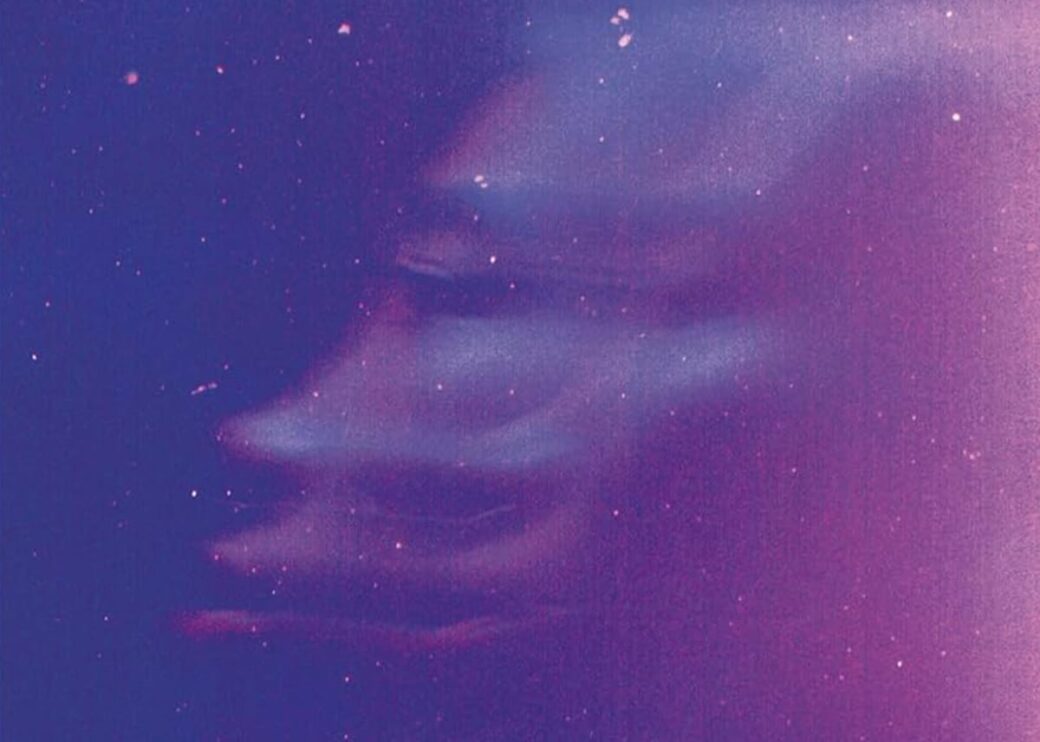
Yrsa Daley-Ward
Merky Books, 2025
Is it possible to be jealous of a fictional person who clearly hates themselves? Clara Marina Kallis is a collection of qualities many of us wish we possessed. She is a rare author who has amassed wealth from her craft, with the big, fancy house to prove it. Stunning, confident, enigmatic, and a champion bullshitter, Clara freestyles neat little quotes that change people’s lives in real time. Her audience hangs on her every word, and those she meets are entranced and obsessed by her. Yet, from the very first page of The Catch, it is clear that our protagonist is off-kilter.
Clara is plagued by a cruel, blue fog, which she tries to drown out in all the usual hedonistic ways. On her birthday, she visits a department store to purchase something ostentatious to dull the pain, only to witness something impossible: her long-dead mother shoplifting, inhabiting the exact same, unaged body seen in photographs from thirty years ago.
Clara confides in her semi-estranged, poor, meek, porn-addicted, lonely sister, Dempsey Nichelle Elizabeth Campbell. Dempsey attributes the sighting to Clara’s mental ill-health, alcoholism, and the work of a clever con-woman.
To uncover the truth, the sisters must confront their shared demons and navigate who they are to each other in adulthood, when their differences often seem insurmountable. Spending time together proves to be difficult terrain, and a pattern emerges in their conflict: the things that bring them together are often the same things that tear them apart.
Twins adopted separately, each is the product of their upbringing. With Clara and Dempsey, there is no ‘in spite of it all’; they are very much the people their parents, both biological and adopted, created.
We benefit from hearing both sisters’ voices as they take turns sharing their story. Daley-Ward deftly writes two unique voices and paints them both as unreliable narrators (one of the chapters is pointedly titled ‘Dempsey Remembers It Differently’), bringing into question not only the act of remembering but also perspective. Even when experiencing something in real time, can we trust our judgement? How does the way we feel about ourselves affect the way we experience the world?
The story is sweeping and, at times, fantastical. Through the different characters’ perspectives and passages from Clara’s novel, Evidence, Daley-Ward takes us to places that best represent the brilliant imagination of a poet-cum-novelist. Balancing the detailed, adventurous, and altogether unexpected plot alongside the deep, intimate feelings of love and hate that come hand in hand with sibling relationships could have been tricky. It almost feels like it could be two different books, but Daley-Ward strikes the balance just right.
What will stay with me is perhaps not the twists and turns, entertaining as they are, but the story about sisters and the innate human desire to belong, to be loved, seen, and wanted. Clara is adored by her fans, but everyone she calls family pretends to have read her book and hasn’t actually bothered. This tells us something about influence: is it useful if it doesn’t work on the people you want it to?
The sisters know the ugliest parts of each other, yet they still find themselves consumed by violent jealousy. Dempsey tries and fails to embody Clara’s confidence and sex appeal, and is angered by her sister’s ability to transform in front of an audience. Clara, though acutely aware of how charmed her life has been compared to her sister’s, is bitterly envious of how people respond to Dempsey’s vulnerability.
Even without the reappearance of their dead mother, both women are haunted. In fact, you could remove the central mystery from the story entirely and these two characters would still be fascinating to read about.
As for the woman at the centre of it all, the “mother” of the twins, Serene Marie Nkem Droste, who is she really? She is beautiful, mysterious, tenacious, and a little terrifying. Is she a ghost, a homeless con woman, a time-traveller, a shared hallucination? Is she a force for good or unmitigated evil? Daley-Ward keeps us guessing to the very end of the book, and possibly beyond.
It is hard to believe that The Catch is Yrsa Daley-Ward’s first published novel. The book echoes her back catalogue: it is both deeply poetic and visceral like her collection Bone, and vulnerable and haunting like her acclaimed memoir The Terrible. Yet it is also a unique, new, fully formed thing, at once adventurous and down-to-earth.
Penguin Random House: The Catch
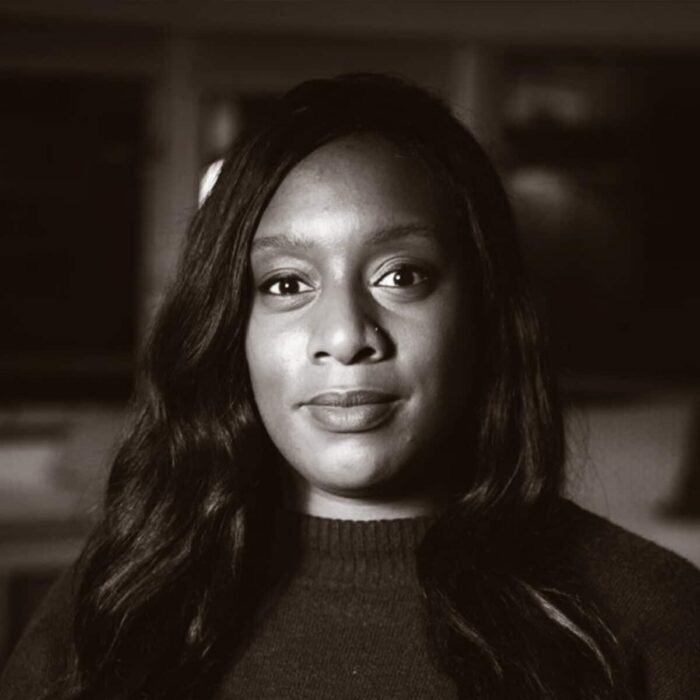
Jade E. Bradford
Jade E. Bradford is an author and communications and engagement professional based in South Wales.
WritersMosaic monthly
Get new reviews in your inbox
One email monthly, unsubscribe anytime
Ever Land
A layered and haunting view of daily life in occupied Palestine
Mahsa Salali’s Naqqāli
'Salali positions the female body... as an active agent'

At Sea
Bearing witness in the face of dismissal
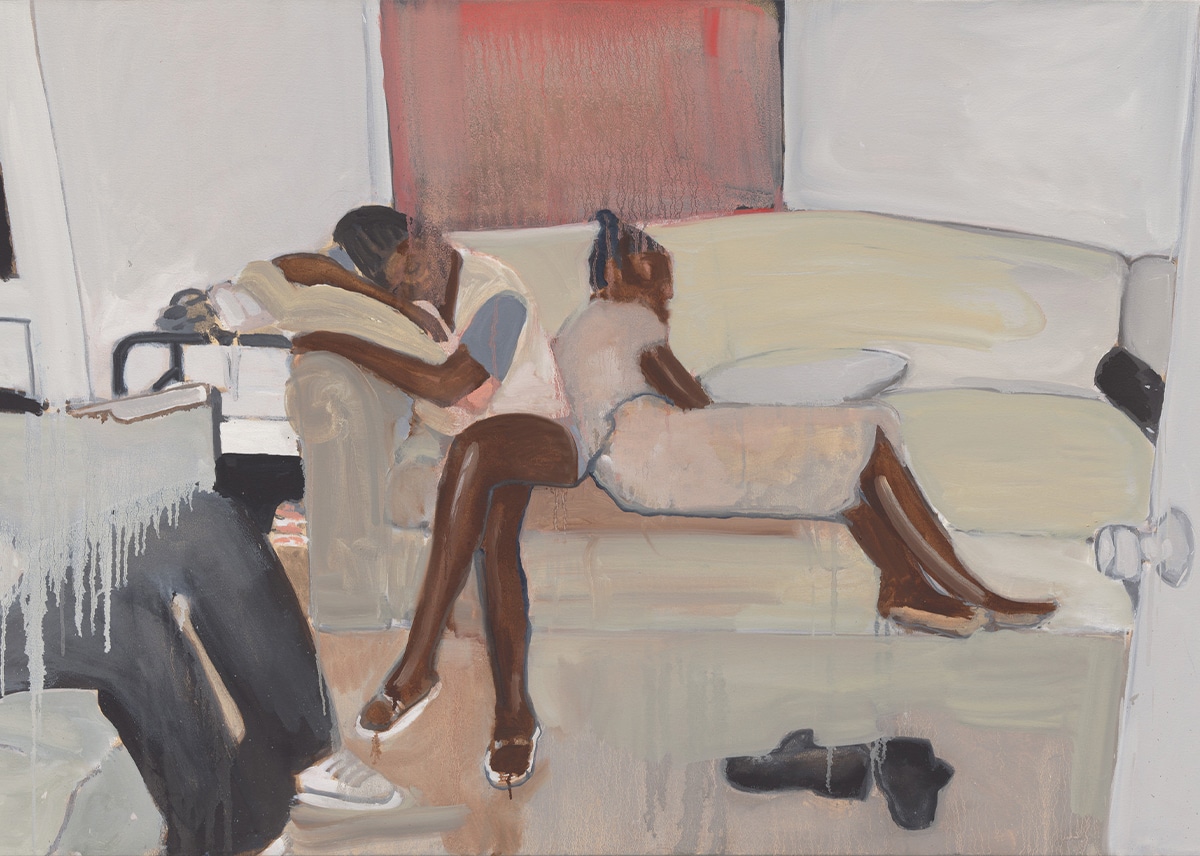
Triage
A response to the endless spiral of worldwide conflict and tragedy
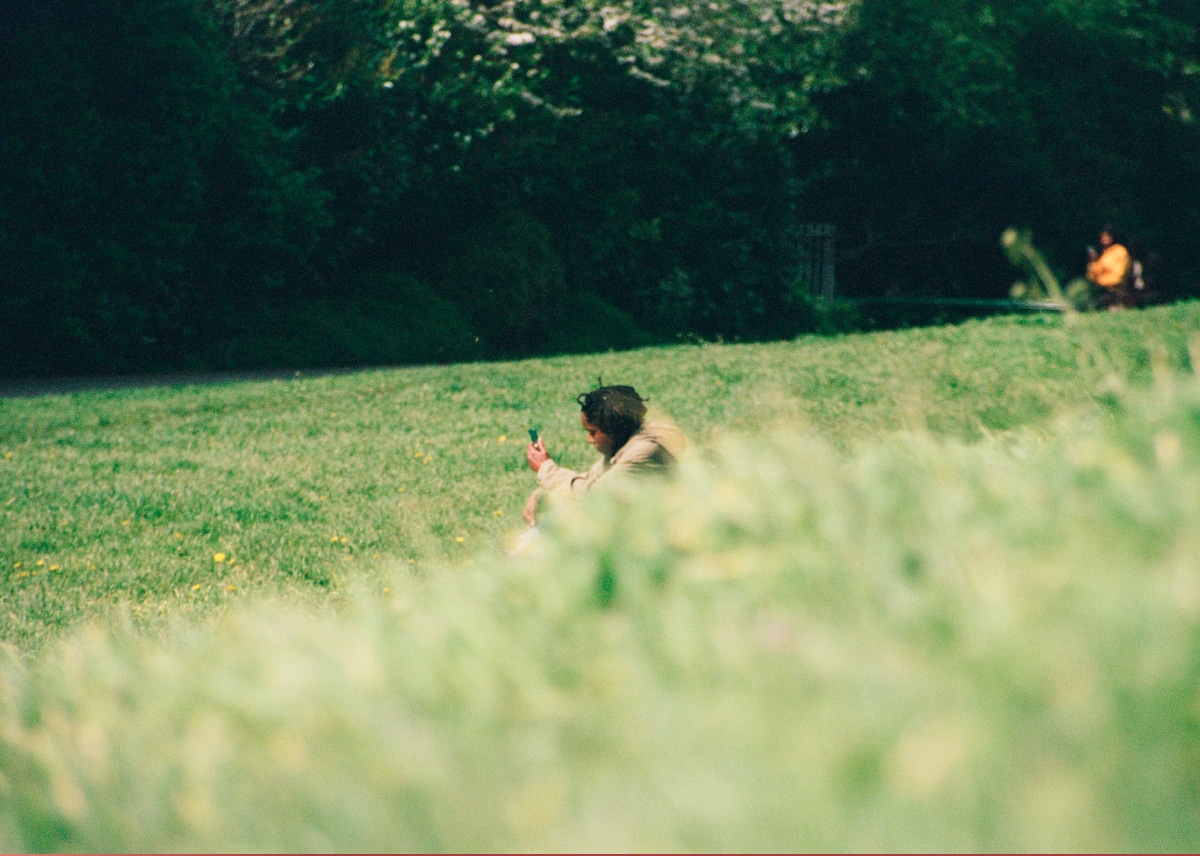
My tomorrow is today
'I clasped my hands together, not in prayer but to stop them from shaking'
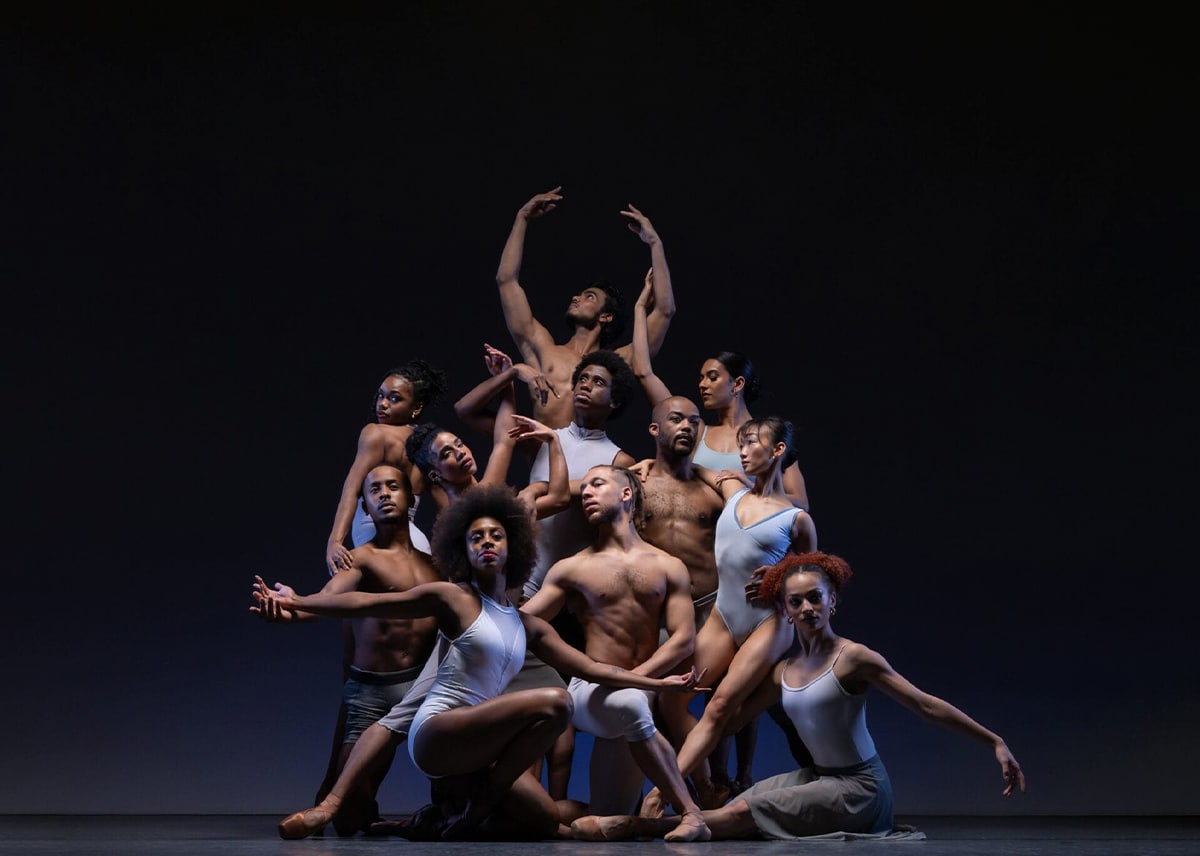
Ballet Black at 25
Cassa Pancho: 'It’s a miracle that we are still here in some way'
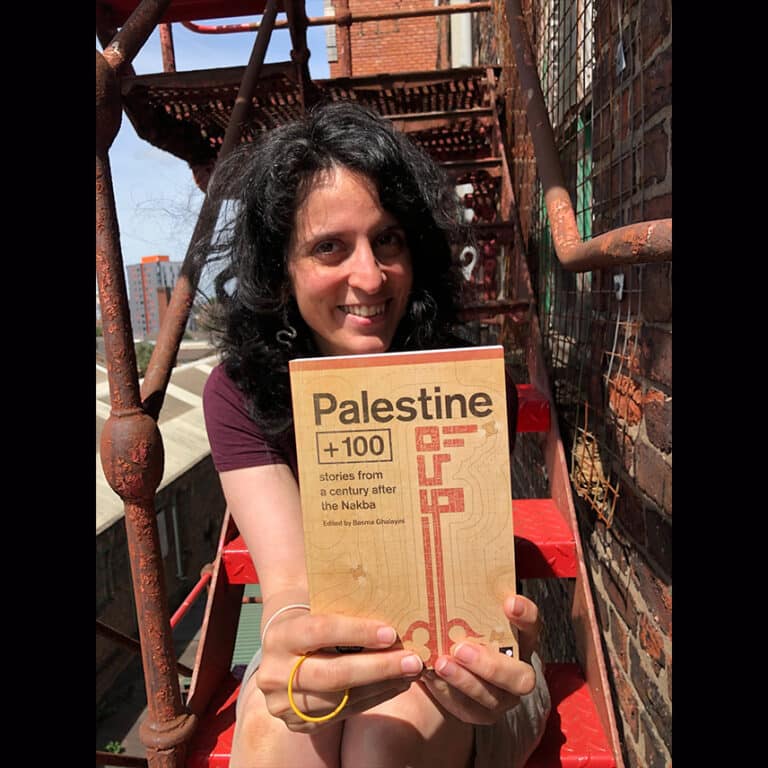

Free Will
Will Harris reads his poem, 'Free Will'. Directed by Matthew Thompson and commissioned by the Adrian Brinkerhoff Poetry Foundation.

Half Written Love Letter
Selina Nwulu reads her poem, 'Half Written Love Letter'. Directed by Matthew Thompson and commissioned by the Adrian Brinkerhoff Poetry Foundation.

Illuminating, in-depth conversations between writers.
Listen to all episodes
SpotifyApple Podcasts
Amazon Music
YouTube
Other apps

The series that tells the true-life stories of migration to the UK.
Listen to all episodes
SpotifyApple Podcasts
Amazon Music
YouTube
Other apps
WritersMosaic interrogates the notion of ‘staying in your lane’ by asking writers how they attempt to think beyond the parameters of their cultural identity.
Listen to all episodes
SpotifyApple Podcasts
YouTube
In the first series of poems commissioned by Hannah Lowe, six poets explore how ritual gives meaning to our lives.
Listen to all episodes
SpotifyApple Podcasts
YouTube