
Granta 173: India
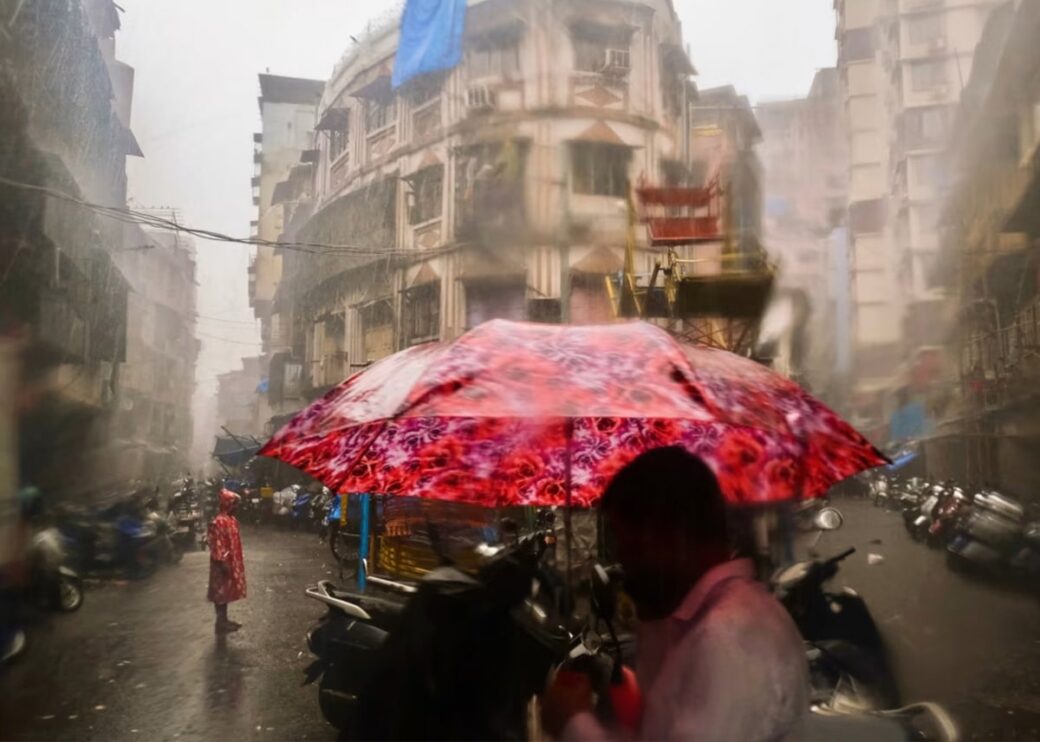
Granta’s latest edition is all about India, comprising fiction, non-fiction, interviews, poetry and photography. Here’s a look at four of the six short pieces of fiction.
Vivek Shanbhag’s ‘A Measure of Martyrdom’, translated from the Kannada by Srinath Perur, is set in Bangalore. It’s a wry portrait of pomposity and the ageing male ego set aflame by the intellectual attentions of a young woman. Mr Manmohan, portly, corporate, and long-term married, is, in his spare time, ‘a famous Kannada short story writer.’ This is how he’s obsequiously introduced at a house warming party thrown by Sahu, a work ‘subordinate’.
Mr Manmohan is privately withering about the house, the guests, the host and the host’s wife. He patronises other guests when they ask what kind of stories he writes: ‘Well, […] if you’ve heard of literary fiction…’
Afterwards, he gives a young woman, Shami, a lift home – her youth and poise fluster him. She remains oblivious, interested in talking to him only about books and revolution – in his youth he flirted with communism. Mr Manmohan is fully cognisant of the fact that he has traded a life of literature and radical politics for the soulless security of the corporate world. They discuss Conrad and Tolstoy, and she suggests they meet for a beer.
‘I was unnerved by the splendour of her youth. I sucked in my stomach […] and tried to compose myself,’ he narrates. To impress her at their second meeting, ‘I launched into my slum eviction story’, adding, ‘when there’s a young woman sitting wide-eyed in front of you, what does it matter which parts are true and which are not?’ He worries that he is being patriarchal when offering to pay for their drinks, even though her interest in him is clearly not sexual: ‘You sound like my mother. You must meet her sometime.’
He then exaggerates his connection to a murdered Naxal revolutionary: ‘I’ve told very few people. Keep it to yourself.’ She is duly impressed, and suggests meeting again. The narrative ends with Mr Manmohan arriving home late, worrying that his wife will be angry or suspicious. She is neither – their marriage seems comfortable as old slippers. We are left not knowing whether this new connection between himself and Shami will develop into anything illicit, although it seems unlikely. Mr Manmohan is a great character – puffed up, slightly pathetic, self-aware. You wonder what will happen next.
Saharu Nusaiba Kannanari’s ‘A Public Circumcision’ sounds horrific, but is horrifically funny. And poignant. As a Muslim child growing up in Kerala, Sulfee suffers from aichmophobia – a terror of sharp objects. As a result, the barber is unable to circumcise him. He remains ‘a partial Muslim’.
The story begins with an adult Sulfee naked in front of the mirror, contemplating ‘the most Muslim of embarrassments. To go around carrying a forty-year-old uncircumcised dick in a district full of circumcised dicks.’
The narrative recounts how he resisted all sharp objects during childhood – vaccination needles, tetanus shots, but most of all, efforts to circumcise him. There were numerous failed attempts, culminating in a hilarious, appalling scene, before he and his mother are forced to devise a cunning plan. They’d fake it. All it means is that for the rest of his life, he has to keep his penis hidden. And now he’s about to get married. What could possibly go wrong?
‘Homa’ is part of a work in progress by Devika Rege, whose debut novel Quarterlife – about the rise of a fictionalised BJP-type political party – has won several awards. As a child, Homa read faster and outran her classmates on the sports field, yet ‘no one wanted Homa on their team.’ She was not submissive like her sister. Her uncle tells her how, as a baby, her sister ‘would cry quietly’, while Homa ‘would clench your fists and scream with rage.’
The narrative follows Homa from her childhood home to her career as a corporate lawyer, to her childless marriage, and back to her home again. Her husband, unable to deal with her abrasive independence, leaves her. She becomes involved with a mission called the Society, has a kind of spiritual awakening, and quits her corporate job to work full-time for the devotional organisation.
She tells teenage girls who come to the Society’s summer camp that ‘in their civilisation, ferocity was a feminine trait.’ I’m guessing she’s referring to Kali, the Hindu goddess of creation and destruction, with her blood-stained machete and her necklace of severed male heads. The excerpt from ‘Homa’ ends with the girls emboldened, ‘speaking in voices louder than they must otherwise dare’, and inspired enough by her to call her Mother: ‘She told herself they were her children.’
The saddest piece of the short pieces of fiction in this Granta edition on India is ‘Transformations’, written in Gujarati by Umesh Solanki and translated by Gopika Jadeja. It follows the friendship between two teenage boys, the narrator and his classmate Jivo, both from India’s poorest communities. Jivo is a member of ‘the lowest of untouchables’, but when the narrator visits his home, he finds it cleaner than his own, and the narrator’s prejudices are transformed.
Jivo, clever and diligent, is top of his class at school. He further transforms the narrator’s life by tutoring him, and instilling in him a passion for reading and education. But tragedy strikes, so that the narrator, writing in adulthood, experiences life as described by Sylvia Plath in The Bell Jar: like watching the world trapped behind a numbing layer of glass – ‘I felt as if there was a solid iron wall between the world outside and the atmosphere within me.’ The final transformation is the narrator’s shift from joy to sadness at the loss, long ago, of his friend.
These short stories are four radically different pieces of writing – funny, irreverent, thought-provoking, sad – which are entirely unique from each other. Nothing links them other than the landmass on which they were created. Each is a rich snippet of a place so vast and varied, with such a profusion of diverse voices, languages and cultures, that perhaps the term ‘Indian writing’ should be used only as shorthand: an umbrella term for something so much bigger.
WritersMosaic monthly
Get new reviews in your inbox
One email monthly, unsubscribe anytime
Pressure
What's missing from the latest 'untold story behind D-Day'?
A Trial
An examination of theatre’s complicity in post-truth politics

The Complex
The unraveling of a dynasty


Marlon James: a Jamaican reckoning
'A return to a home I barely knew'
The name of this wallpaper is ‘Childhood’
A luminescent bubble of memory
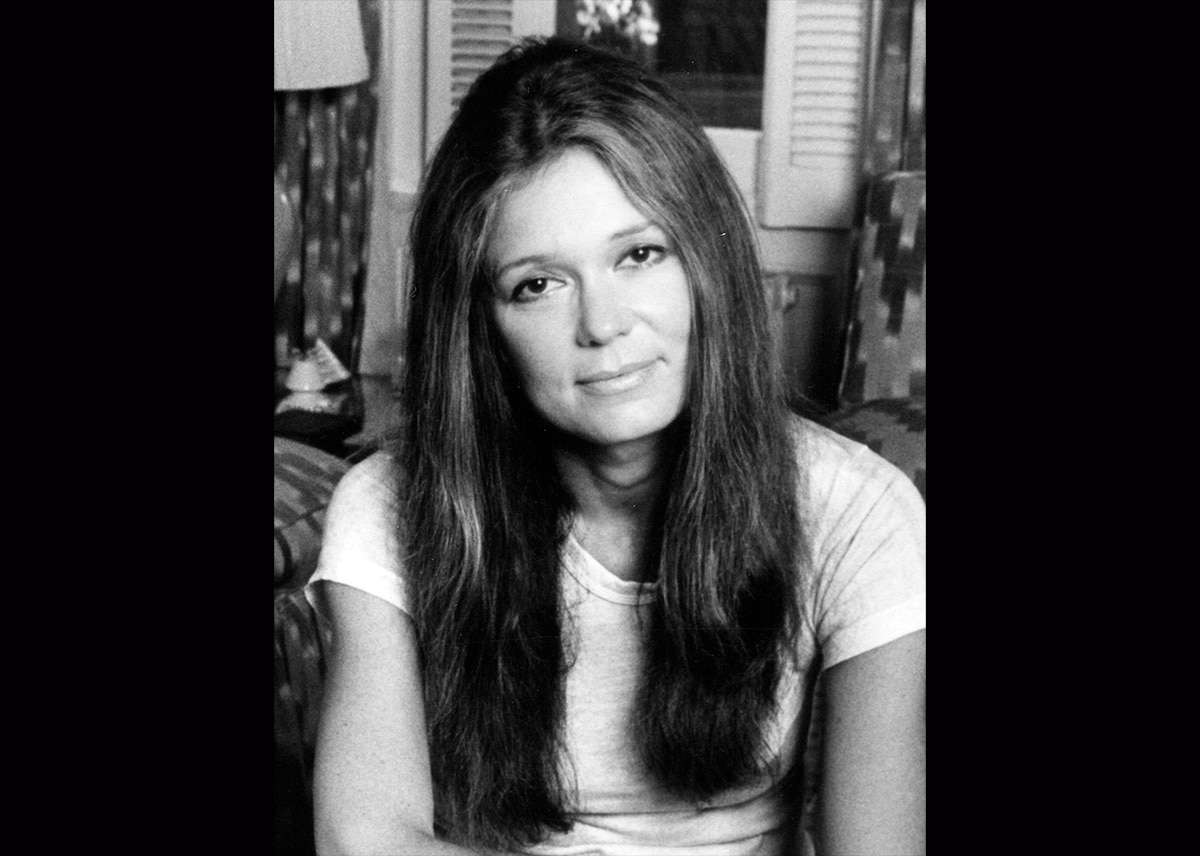
What’s in a feminist? Holding on to Gloria Steinem
Is Gloria Steinem's feminism still relevant today?




Illuminating, in-depth conversations between writers.
Listen to all episodes
SpotifyApple Podcasts
Amazon Music
YouTube
Other apps

The series that tells the true-life stories of migration to the UK.
Listen to all episodes
SpotifyApple Podcasts
Amazon Music
YouTube
Other apps
WritersMosaic interrogates the notion of ‘staying in your lane’ by asking writers how they attempt to think beyond the parameters of their cultural identity.
Listen to all episodes
SpotifyApple Podcasts
YouTube