
Act Normal
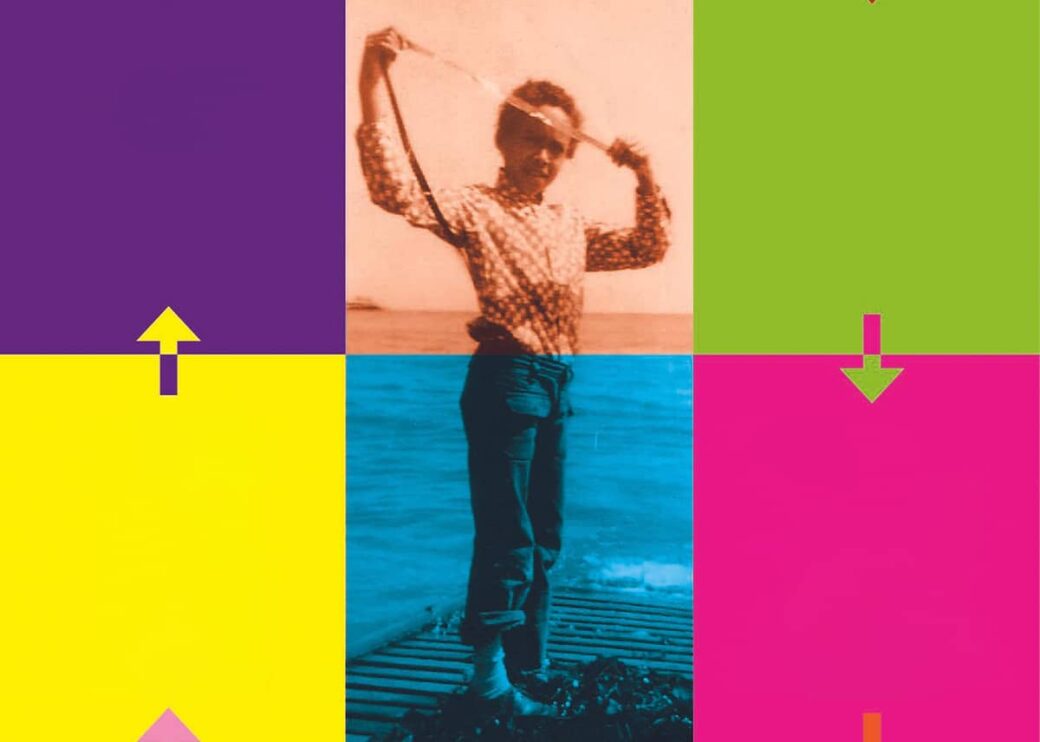
Act Normal: Joy and Despair in Postcolonial Britain
HopeRoad Publishing, 2025
Pete Kalu’s Act Normal: Joy and Despair in Postcolonial Britain is very difficult to sum up, and impossible to do justice to in any one review. It is incorrigibly plural, a memoir that dispenses with chronology in favour of curiosity, and this is one of its greatest strengths. Rather than a linear narrative, Kalu juxtaposes hundreds of short fragments. Some are memories of his life, some are observations about literature, and some are recollections of things that may never have happened at all.
What becomes apparent almost immediately is that although this book is clearly interested in history it does not, as a whole, ask to be thought of as history in the conventional sense, even personal history. Although the author is not afraid to take himself seriously, Kalu is not mythologising himself here. Quite the opposite: much is left to the reader to surmise, and there is a refreshing freedom in this approach to memoir, allowing the construction of meaning to be a collaborative act. This is not a memoir that seeks to explain how he became the figure he is today, although it offers insight. Nor is it a didactic work. Instead, the book confronts the joy and despair found just as much in happenstance as in purposeful striving and learning.
It is a big-hearted book, and a big-brained one too. This book is, among other things, a testament to the broad curiosities and cultural fluency of its author – references range from Planet of the Apes to Wittgenstein to porn mags found in bins, and far beyond. On the acknowledgements page at the back of the book, Kalu lists the many literary predecessors with whom he is in dialogue, almost like a film credits list, before he thanks his early readers. ‘Dialogue’ feels like the right word, because very often the boundaries between the narration of personal experience and the discussion are blurred, and artfully so. For example, in ‘Infatuation: a love story in five episodes’, a meditation on a burgeoning relationship becomes a witty whistle-stop tour of religion and philosophy.
There is, moreover, an energising vulnerability and earnestness to the frankness with which Kalu offers these fragments, many of which are very personal, concerning his failures as well as his successes, from his romantic and sexual experiences to his family, youth and professional life. This has the feel of a profoundly honest book. Although names are changed and redacted for privacy, the author’s ego is not his primary concern. One striking episode concerns the author’s ‘torturing’ of a classmate to whom he had a secret attraction; the unfiltered episode culminates in an apology to the boy (now a grown man, one hopes). Later, the author muses, ‘To touch skin with another man, outside of very special occasions, rarely happens. Brothers, we should cherish each other more.’
This is weighty stuff, handled with gravitas. But there is a pleasing lightness of touch that leavens much of the subject matter: an irreverent humour that assures control, and never lets the work stray into sentimentality. Several fragments spring purely from the author’s imagination (such as ‘National Poetry Society Prize acceptance speech: Speeches I prepared just in case, No. 2’).
Ultimately, one of the most memorable things about this book – perhaps one thing that may particularly stay with its Black readers, as it does with me – is Kalu’s adeptness in exploring his experiences of being a Black person living in a White supremacist world, just as much as in exploring his experiences of being with other Black people, either in public or private spaces, demarcated or not. Sometimes this is joyful, sometimes it is more complicated. Sometimes he explores both worlds, both spaces, at the same time: ‘You had to choose your stereotype,’ reads one fragment whose doubleness recalls DuBois. ‘There were six on offer on 70s TV. Great athlete. Fool. Swivel-eyed Ogre. Happy Mamma. Tragic Mulatto. Fuck Machine. I chose the fool.’ Yes, there is reason for despair (and Kalu refers to himself, not uncomplicatedly, as an Afro-pessimist); but there is also skill, playfulness, a long memory and, with all those things, joy.
HopeRoad Publishing: Act Normal: Joy and Despair in Postcolonial Britain
WritersMosaic monthly
Get new reviews in your inbox
One email monthly, unsubscribe anytime
The Disappearers
A sprawling visceral experience that drops you in head first

The Lady Imam
Is the world ready to catch up with amina wadud?
Pressure
What's missing from the latest 'untold story behind D-Day'?



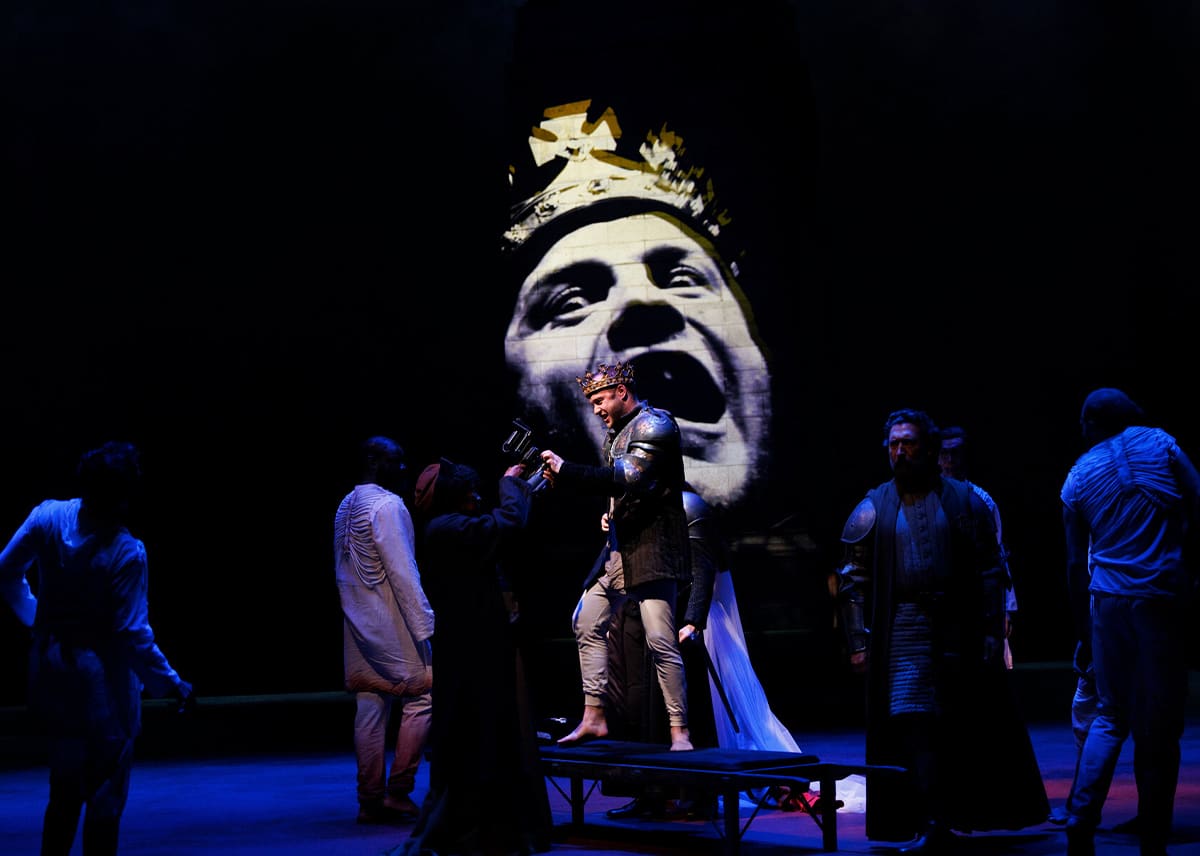
Complex antihero: an interview with Arthur Hughes
Unravelling Authur Hughes' Richard III
Marlon James: a Jamaican reckoning
'A return to a home I barely knew'
The name of this wallpaper is ‘Childhood’
A luminescent bubble of memory





Illuminating, in-depth conversations between writers.
Listen to all episodes
SpotifyApple Podcasts
Amazon Music
YouTube
Other apps

The series that tells the true-life stories of migration to the UK.
Listen to all episodes
SpotifyApple Podcasts
Amazon Music
YouTube
Other apps
WritersMosaic interrogates the notion of ‘staying in your lane’ by asking writers how they attempt to think beyond the parameters of their cultural identity.
Listen to all episodes
SpotifyApple Podcasts
YouTube