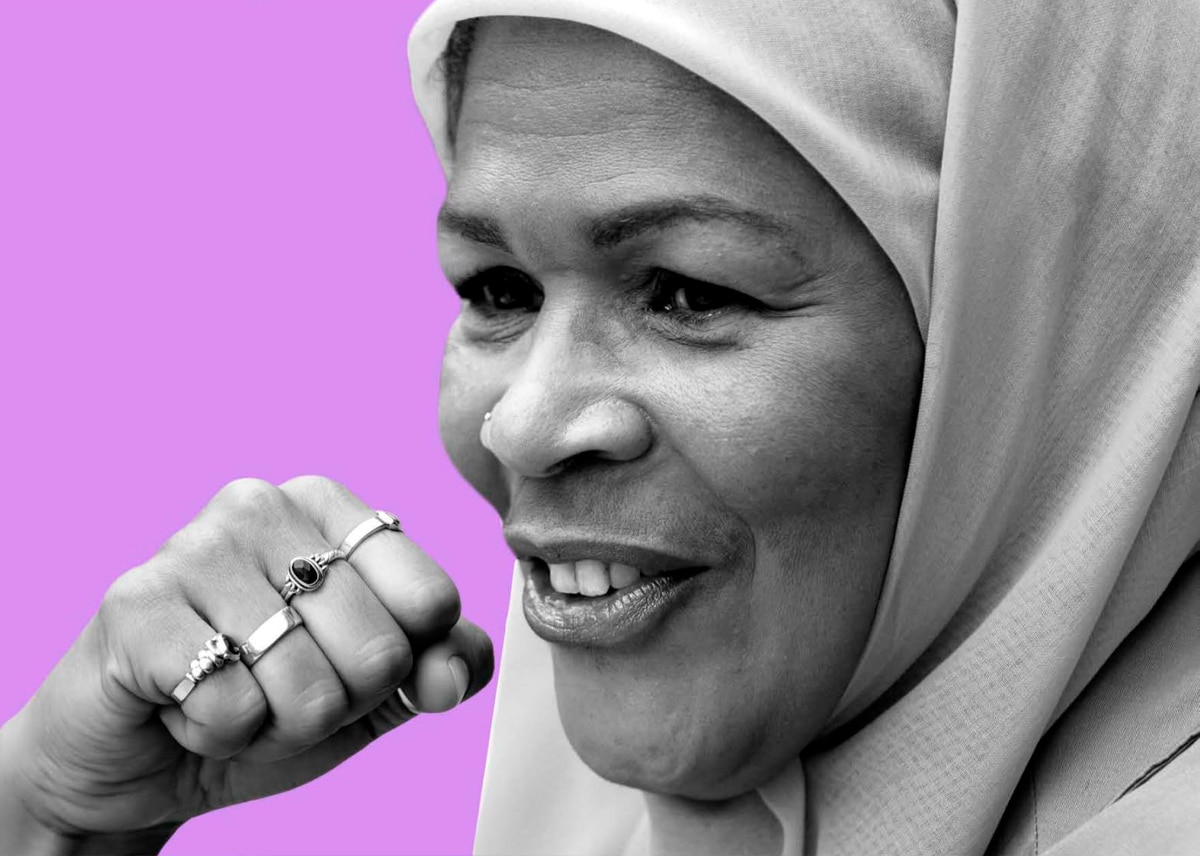
And the winner is...
Change of heart

I found the dress in a shop called Change of Heart, a re-sale place in Crouch End that stocked rich women’s cast-offs, or so I imagined them to be. The dress was floor-length, champagne gauze with ornate blue embroidery and bright gold leaves – a bit Lady of the Lake. It was ten times the cost of anything else in the shop, and had its own story, the shopkeeper told me. A local older man had met a younger woman and proposed, and when she’d said yes, he’d bought the dress for her, though she’d never seen it. Eventually she’d changed her mind, and he gave the dress to the shop to sell. It was a sad dress then, I thought – loss and sorrow, a change of heart. Another thought – his purchase of the dress felt controlling, a desire to seal the deal. Then another – perhaps he was just kind.
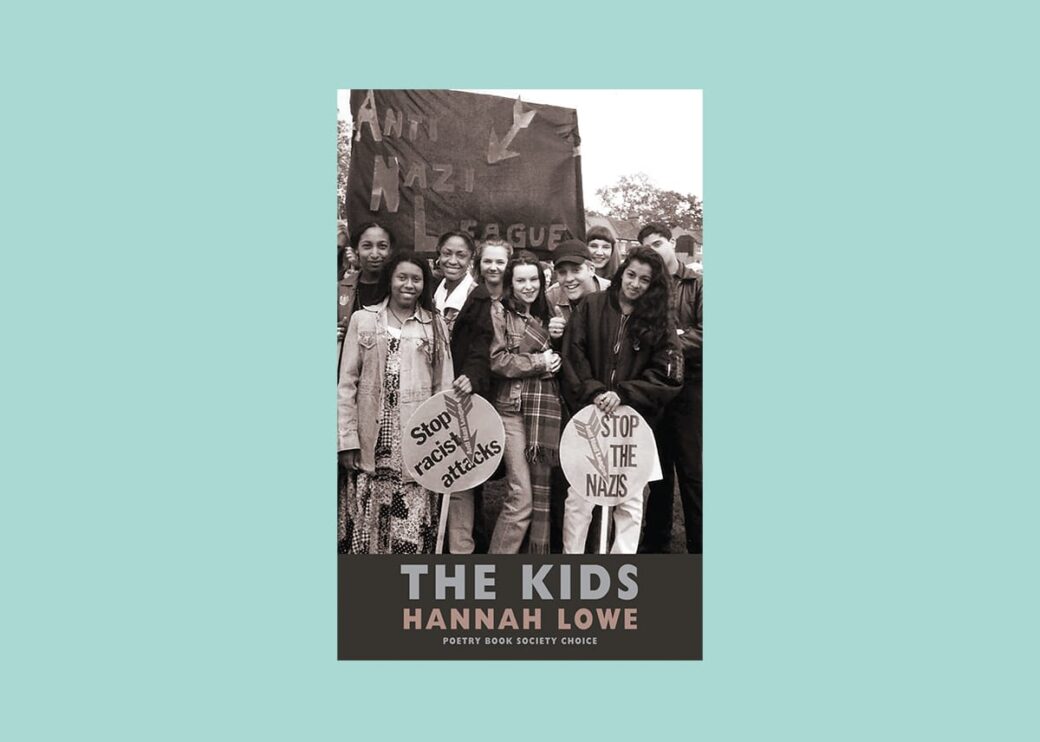
I wrote The Kids kneeling, my laptop on a low table, while my son was at school. I had back pain. Kneeling was nearly comfortable. I lost myself for hours and hours in those poems. They demanded microscopic attention. Moving one word could cause the whole poem to unravel. They weren’t just about teaching, but about the cosmos of my life – the ten years I’d been a teacher and what happened around it.
In the end, the owner persuaded me to try the dress on. It had an invisible lining, like a soft second skin, an invisible zip. In the mirror, I looked transformed. I looked golden. I emerged from the changing room to the shopkeeper’s gasps. It’s perfect on you! She was a good saleswoman.
I’d wanted the poems to interlink, the whole sequence to be an extended sonnet crown, where the last line of one became the first line of the next. It took hours and hours to make those linked lines work, but they didn’t. I’d written about 30 when I decided to give the linked lines up.
I gave up teaching because I was bullied by my line manager. He’d never liked me, but once I started writing, he told me I’d become distracted from my responsibilities. He said this privately, out of earshot of my colleagues. He took a class I’d loved teaching away from me. My back started hurting. Some days I’d feel a knot of anxiety in my stomach on my way into work. Then one morning, he blew up at me, shouting accusations I can’t now remember, so shocked I was to be alone in my office with him swearing and red-faced, while I cowered at my desk. I remember thinking he might physically hurt me, the relief when he left, tears rolling down onto my keyboard. I’d been unravelling slowly, but then I unravelled all at once.
Over months, I went back to see that dress, always in the same place on the rail. One day, the owner told me another woman loved the dress and was considering buying it for her wedding. I lifted its long sleeve, then pulled the dress out and held it against me. It felt like an old friend by then. In the café next door, I drank a coffee, checked my bank balance, went back and bought it. On the bus home, I wondered if there really was another woman, if the owner had made her up. Then another thought – the owner wanted the dress to be mine.
When people ask why I wrote The Kids, I often say because I missed the students when I left; because I’d realised, years later, how much I’d learnt in my time as a teacher; that the kids taught me as much as I taught them. But there are reasons we say we write poems, and there are also reasons hidden, even from ourselves.
I carried both the dress and a jumpsuit to the Festival Hall the night of the T. S. Eliot readings. I hadn’t decided which to wear. In the dressing room, I regarded both on their hangers, the different people I would be in them. Was the dress too flamboyant? Was the jumpsuit – loose dark velvet – more professional? In the end, I chose the dress, rustling out onto the enormous stage, into the lights, to stand at the lectern and read my sonnets. The dress felt less like decoration than protection. I felt glamorous, but also lighter in myself, pain-free, held. Later, a friend who’d been in the audience told me she had heard a young woman behind her exclaim, That dress!
© Hannah Lowe

Hannah Lowe
Hannah’s work, mainly as a poet, centres around migration histories, multicultural London and the complex legacies of the British Empire.
And the winner is...
A Portable Paradise, shared
Roger Robinson
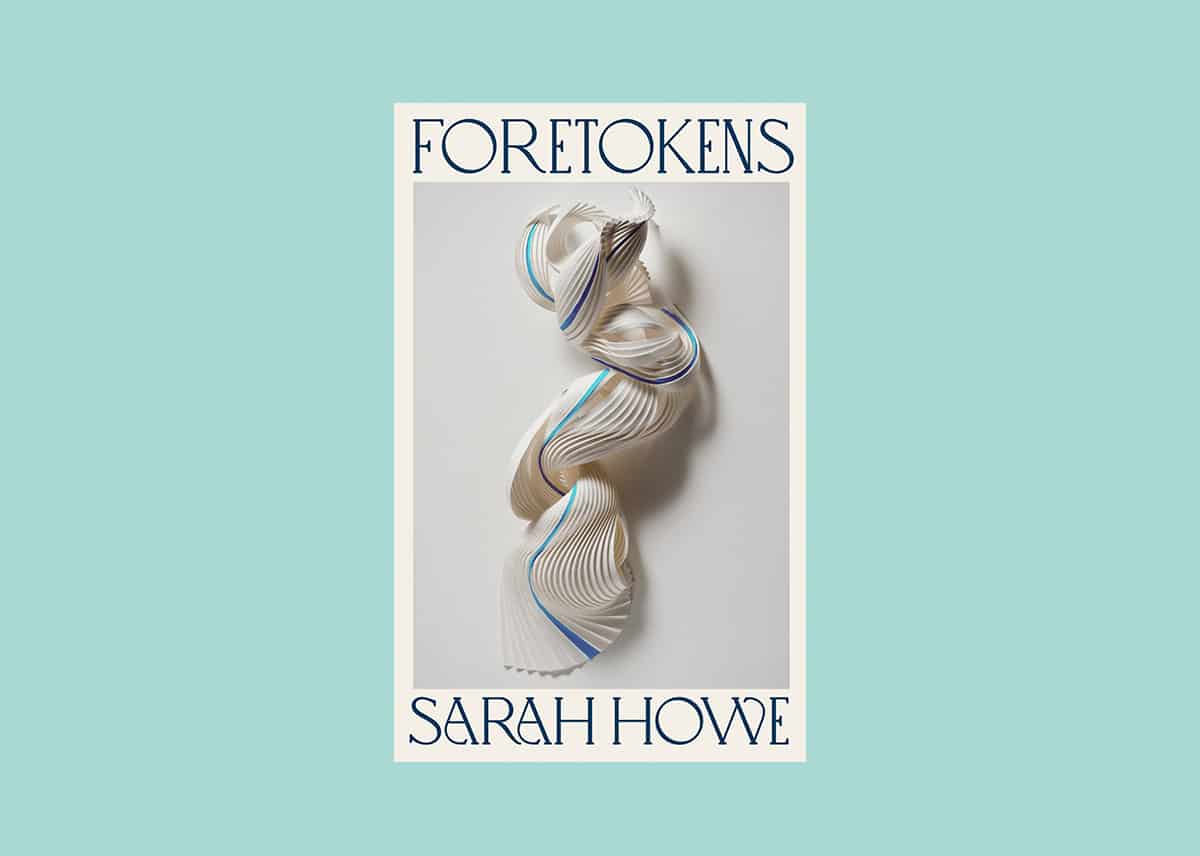
Hoard / Archive
Sarah Howe
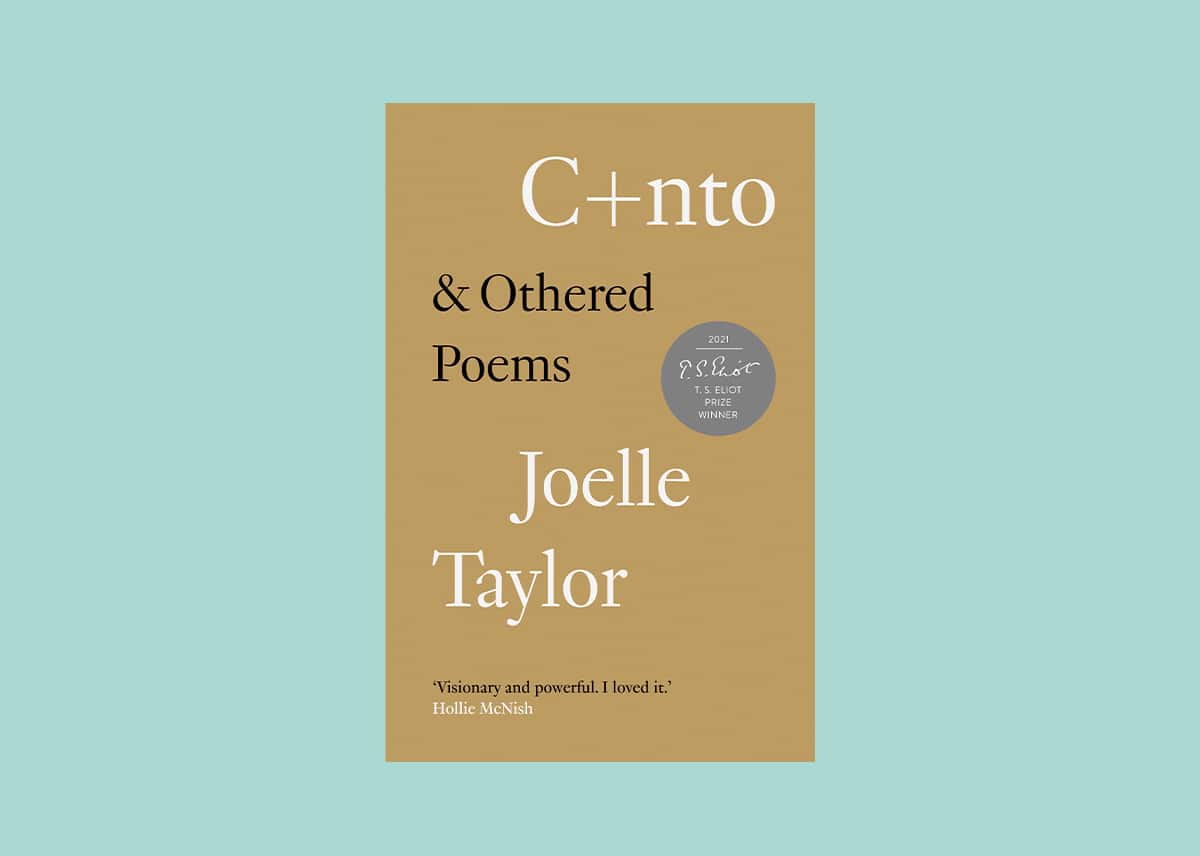
Life after the T. S. Eliot Prize
Joelle Taylor
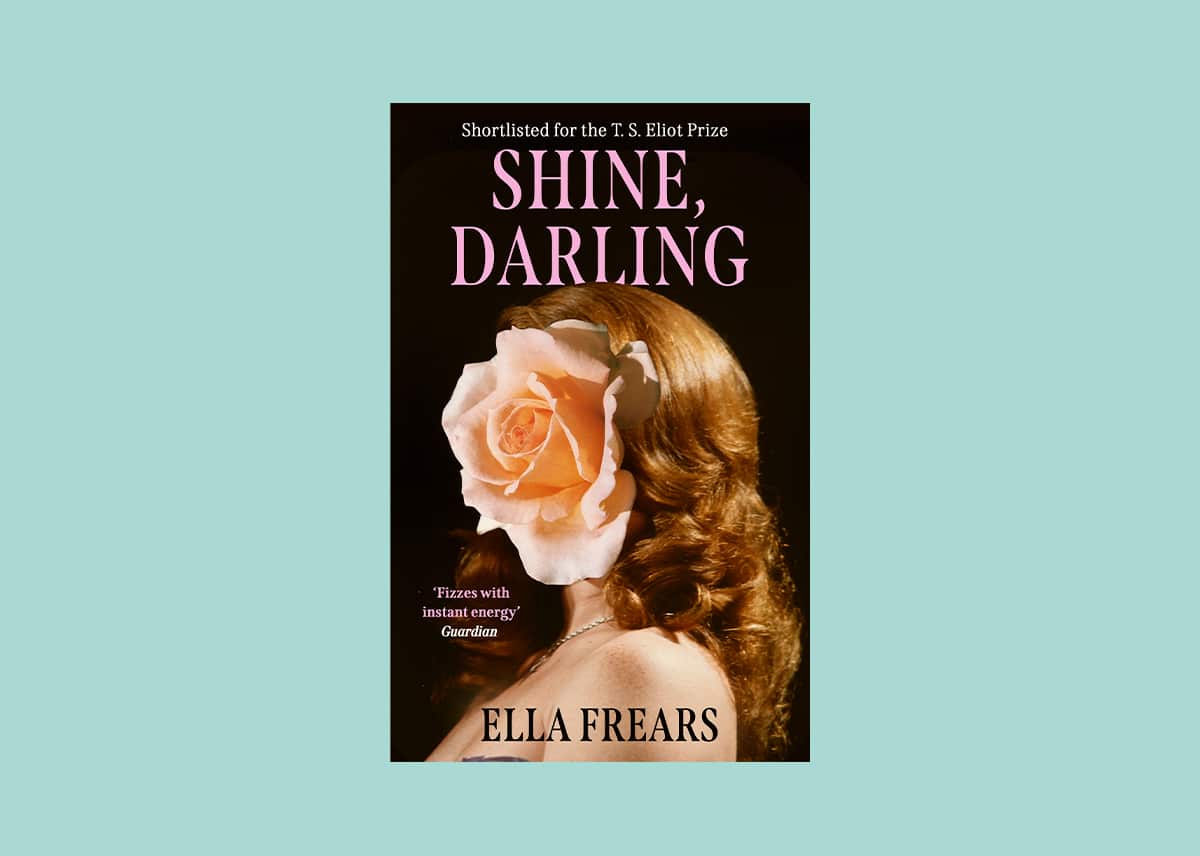
Poets en masse
Ella Frears

A sort of homecoming
James Conor Patterson
WritersMosaic monthly
Get new episodes by email
One email monthly, unsubscribe anytime

Illuminating, in-depth conversations between writers.
Listen to all episodes
SpotifyApple Podcasts
Amazon Music
YouTube
Other apps

The series that tells the true-life stories of migration to the UK.
Listen to all episodes
SpotifyApple Podcasts
Amazon Music
YouTube
Other apps
WritersMosaic interrogates the notion of ‘staying in your lane’ by asking writers how they attempt to think beyond the parameters of their cultural identity.
Listen to all episodes
SpotifyApple Podcasts
YouTube



It’s being published I get paid for; the writing I would do for free
‘Any advance [...] for your novel is to compensate you for the horrors of being published'
Complex antihero: an interview with Arthur Hughes
Unravelling Authur Hughes' Richard III
Marlon James: a Jamaican reckoning
'A return to a home I barely knew'


Haunting the Black Air
Poetic freedom across space and time
The Disappearers
A sprawling visceral experience that drops you in head first