And the winner is...
A Portable Paradise, shared
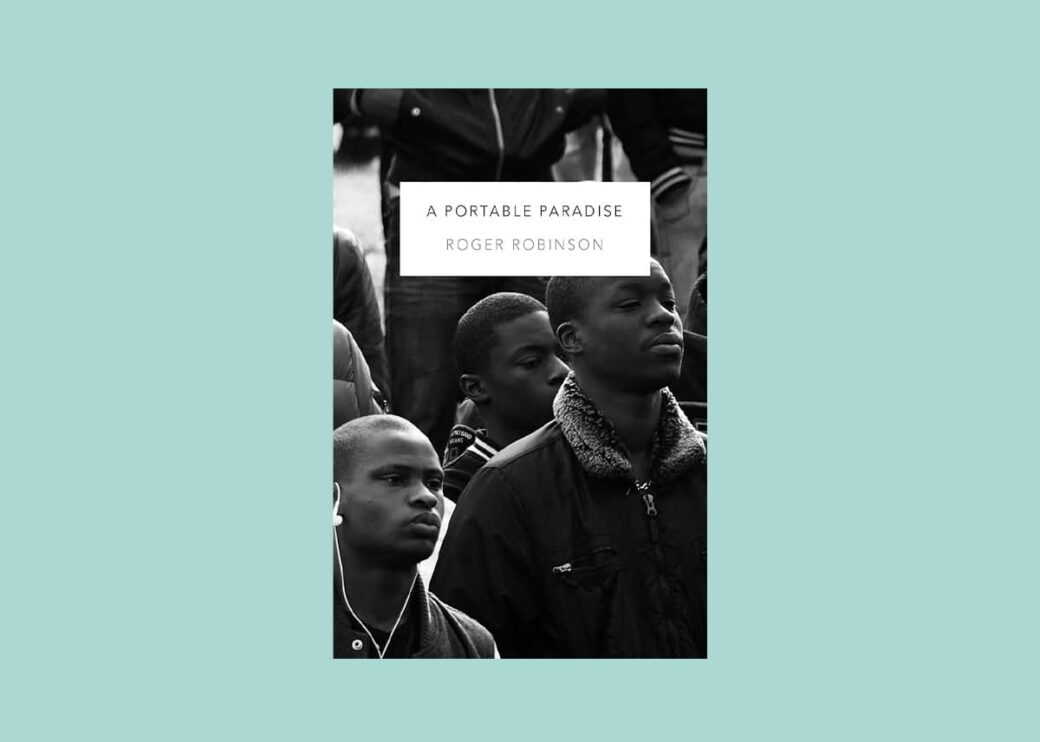

Before the story of how my life, particularly my professional writing life, shifted, it helps to step back a little to the time just before I won the T. S. Eliot Prize in 2019. The context matters. For thirty years, I had written seriously and published steadily, but prizes had never been a thought. Not even once. Yet, from the moment A Portable Paradise appeared in the world, whispers began to circulate. Writers, agents, strangers, even other publishers hinted that the book might win some major prize. There was a pulse in the air. I heard it but ignored it. Prizes had never been within arm’s reach before. I had grown accustomed to their absence. Ironically, A Portable Paradise was the first book I had written with the industry entirely out of my mind. I was content with a modest life: teaching workshops, doing readings, receiving arts funding, being active in my writing community and scraping a living.
The impetus for the book was different. Across Britain and the world, Black communities were under siege: Grenfell Tower, the Windrush scandal, police brutality, and the ongoing devaluation of Black bodies and labour. The grief of these times pressed in on me. Writing the book became a way to drag myself out of that sadness, a way to shape it, to give it form.
Anyway, enough about context. Let’s move forward to the T. S. Eliot Prize shortlisting, which was surprising enough, given that just about every collection that I really enjoyed that year was on it. I had no real thoughts of seriously winning.Then came the announcement.
When my name was called as the winner at the prize-giving, I froze. My wife nudged me forward. Each step felt unreal. In my mind, I whispered, ‘Everything is different now.’ I didn’t feel joy, nor shock. I had simply never been in that position before, so I couldn’t pinpoint how I felt. Thirty years of work, and the first thing I won was the country’s biggest poetry prize. I turned back, kissed my wife, then walked forward again and spoke from the heart at the lectern and microphone, ad-libbing about the importance of independent publishers and writing communities. I saw my friends weeping. At that point, it dawned on me that it wasn’t just my win; it was ours. Every mentor, every poet who I wrote and laughed with, every organisation that had supported me, every student who had taught me as I taught them, my family close and extended, they were all there at that moment.
Afterwards, I was led away to a press room while friends celebrated outside. Interviews. Cameras. Phones buzzing. By the time I emerged, the night had almost ended, but friends were waiting outside for me and we went to a late-night restaurant. Sleep was elusive in the hotel room. Calls came from writers, family and friends worldwide. I tried to speak to each one. This was their win too. Finally, exhaustion pulled me under. My first social media post listed names, thanked everyone and acknowledged the network of care that had made the achievement possible. Responses poured in. People were genuinely happy for me. That brought a quiet satisfaction.
On the journey home, I felt the book’s social purpose acutely. It had been written to give voice to Black British struggles, and that work could not be set aside, even as interviews mounted. My inbox flooded. My wife offered to manage it all, stopping her own work to shield me. My gratitude for her steadiness and support was profound.
A T. S. Eliot winner is typically whisked around the world for readings, but soon after came Covid. The lockdowns reshaped everything: fear, isolation, the hunger for connection. People returned to reading poetry; some poems, particularly the title piece, ‘A Portable Paradise’, seemed to provide solace for many during Covid. Readings became virtual, ironically expanding my reach. The poems about nurses, police and paradise took on new meanings, urgent in the context of a global crisis. At times, I marvelled at the prescience of the book (which felt like something beyond me), even though it had emerged from my raw emotions, tempered by craft.
Even now, the T. S. Eliot Prize has shifted perceptions of me and my work. Where once I’d been considered a ‘good’ writer, I became known as a writer of note. Doors have opened, resources have followed, and I continue the work that brought me here. The prize amplified my writing and reputation. It connected the craft to the communities and histories that made it possible and, more importantly, allowed me to lend whatever acclaim I’ve acquired to other Black writers who have too easily been overlooked.
© Roger Robinson
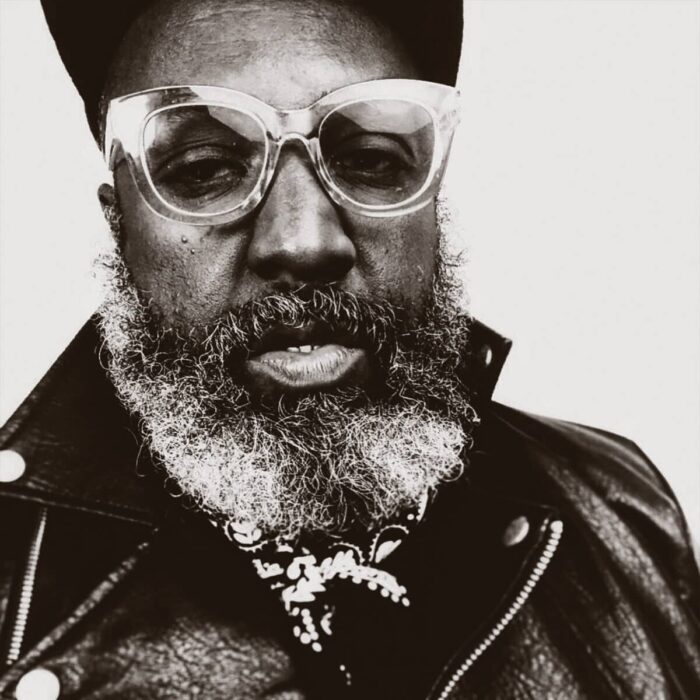
Roger Robinson
Roger Robinson is an award-winning writer and performer from Trinidad now living in Britain.
And the winner is...
Hoard / Archive
Sarah Howe
Life after the T. S. Eliot Prize
Joelle Taylor
Change of heart
Hannah Lowe
Poets en masse
Ella Frears
A sort of homecoming
James Conor Patterson
WritersMosaic monthly
Get new episodes by email
One email monthly, unsubscribe anytime

Illuminating, in-depth conversations between writers.
Listen to all episodes
SpotifyApple Podcasts
Amazon Music
YouTube
Other apps

The series that tells the true-life stories of migration to the UK.
Listen to all episodes
SpotifyApple Podcasts
Amazon Music
YouTube
Other apps
WritersMosaic interrogates the notion of ‘staying in your lane’ by asking writers how they attempt to think beyond the parameters of their cultural identity.
Listen to all episodes
SpotifyApple Podcasts
YouTube

It’s being published I get paid for; the writing I would do for free
‘Any advance [...] for your novel is to compensate you for the horrors of being published'
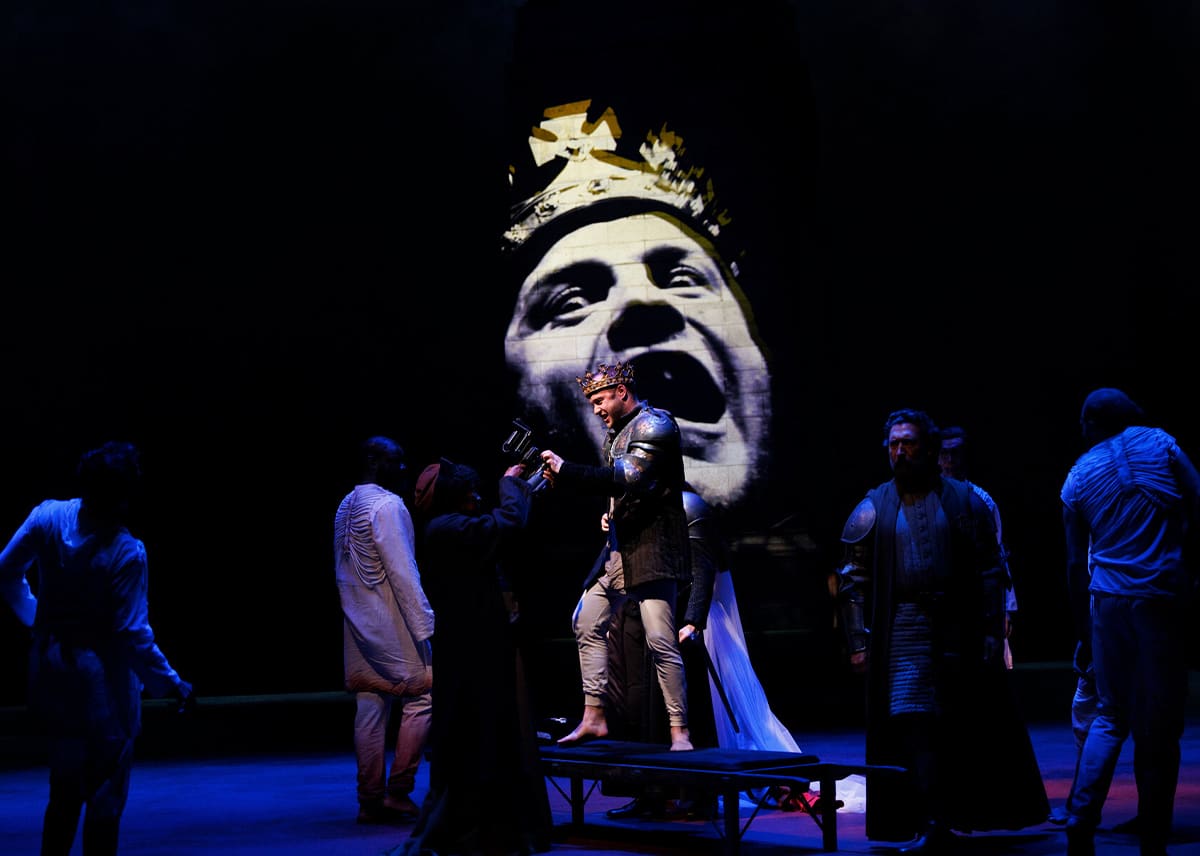
Complex antihero: an interview with Arthur Hughes
Unravelling Authur Hughes' Richard III
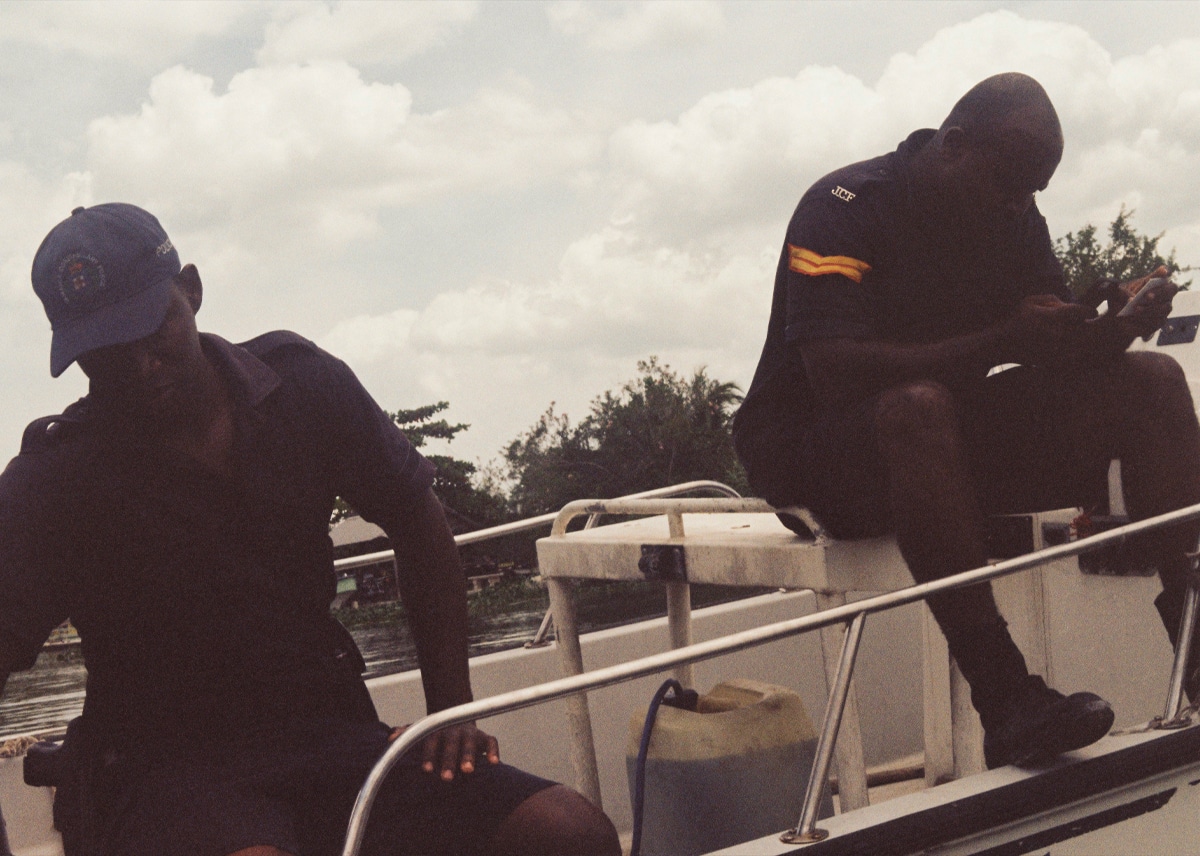
Marlon James: a Jamaican reckoning
'A return to a home I barely knew'

Haunting the Black Air
Poetic freedom across space and time
The Disappearers
A sprawling visceral experience that drops you in head first