
Uprising

Tahmima Anam
Canongate, 2026
Banishanta is an island brothel on the mudbanks of the Pashur River in the Khulna region of Bangladesh, where prostitution has been legal for over fifty years. Men from the mainland take boats to pay for the ‘services’ of around 150 women, most of whom are victims of trafficking or were born here. The precarious existence of the women on Banishanta is made further vulnerable by cyclones, an eroding riverbed, and the forever rising tide. The island is one of many licensed brothels in Bangladesh, but Banishanta is marooned, cut off even from basic legal and human rights norms, in dark waters. For the women, there’s no escape.
The story of Banishanta is not unknown; there have been a few documentaries and stories about it in the international press in the last decade or so. It’s a grim tale of human greed and depravity, made more dystopian still by climate change. To set a novel in and around Banishanta would then take enormous artistic courage and prowess and be a literary enterprise full of risk, but in her fifth novel, Uprising, Tahmima Anam does precisely that to elevate an age-old chronicle of poverty and exploitation into a poetic and ferocious story of rebellion and hope.
Anam tells much of the story from the point of view of the daughters of the brothel women; an inspired choice as it gives the novel its breathtaking charge and narrative vitality. In a classic victim-turns-perpetrator framework, the brothel is run by Amma, who was once sold into prostitution herself, but who now controls her girls with cunning, drugs and cruelty, keeping a tight account of all the lives and the revenues they bring: how much they earn, what they owe, how much she spends on feeding them and their children. As the rising waters begin to diminish her business, she seeks fresh blood, a new body. And so, a new girl is brought to the island: Kusum Khan.
At first, Kusum Khan refuses to bend, keeping herself away from the others, defying Amma. But beaten and starved and wrenched by her own ordeal (she’s made pregnant and promised a way off the island), she understands she must mount a different kind of resistance, with both her body and soul, through stories. She starts educating the girls, a cohort of young comrades, stringing them into a collective voice, sowing the seeds of an uprising that will define life for them and their mothers. The stakes are high.
Interspersed with the thread of a brewing rebellion, which includes a surrealist invocation of Bon Bibi, the guardian daughter of the forest, are spine-chilling stories of some of the women themselves: their former lives, childhoods, and how they were sold and broken. Anam complicates the story further by portraying the desperation of those who’ve resigned themselves to their suffering: at least they can feed themselves and their children on the island, some of the women may feel. But ultimately, the women launch a fierce rebellion, defying the fate a patriarchal world has decreed for them: ‘Our mothers waited, foul-breathed and smeared in blood, their knives in hand, ready to cut her down.’
The novel deals with climate change in the most seamless manner; there’s no polemic here, just story. As Amma and her customers do everything to keep the island afloat for profit, we see a clear parallel with the mechanics of our extractive economic order and our struggle for survival and climate justice.
Ultimately, it is the incantatory prose with which Anam imbues the children’s sections that makes the novel often read as a fevered Greek tragedy. The girls are real, frail, with the small happinesses of children, but they are also grown up before their time, aware of what is done to their mothers, terrified of what will be done to their bodies. As they listen to Kusum like a vulnerable chorus, your heart goes out to them, you share in their agony, and you start rooting for them. This is one of the many triumphs of the novel. By the end, even as you feel devastated by the deep tragedy of the women’s lives and repulsed by the basest conduct of the visiting men, you are fully immersed in the song of revolution. Uprising is an uncompromising, unflinching novel about our world. It is also Anam’s finest work.

WritersMosaic monthly
Get new reviews in your inbox
One email monthly, unsubscribe anytime

At Sea
Bearing witness in the face of dismissal

Ai Weiwei: Button Up!
A journey through the dangerous world of human tragedy

Do You Love Me
To love a city is to know it deeply


My tomorrow is today
'I clasped my hands together, not in prayer but to stop them from shaking'
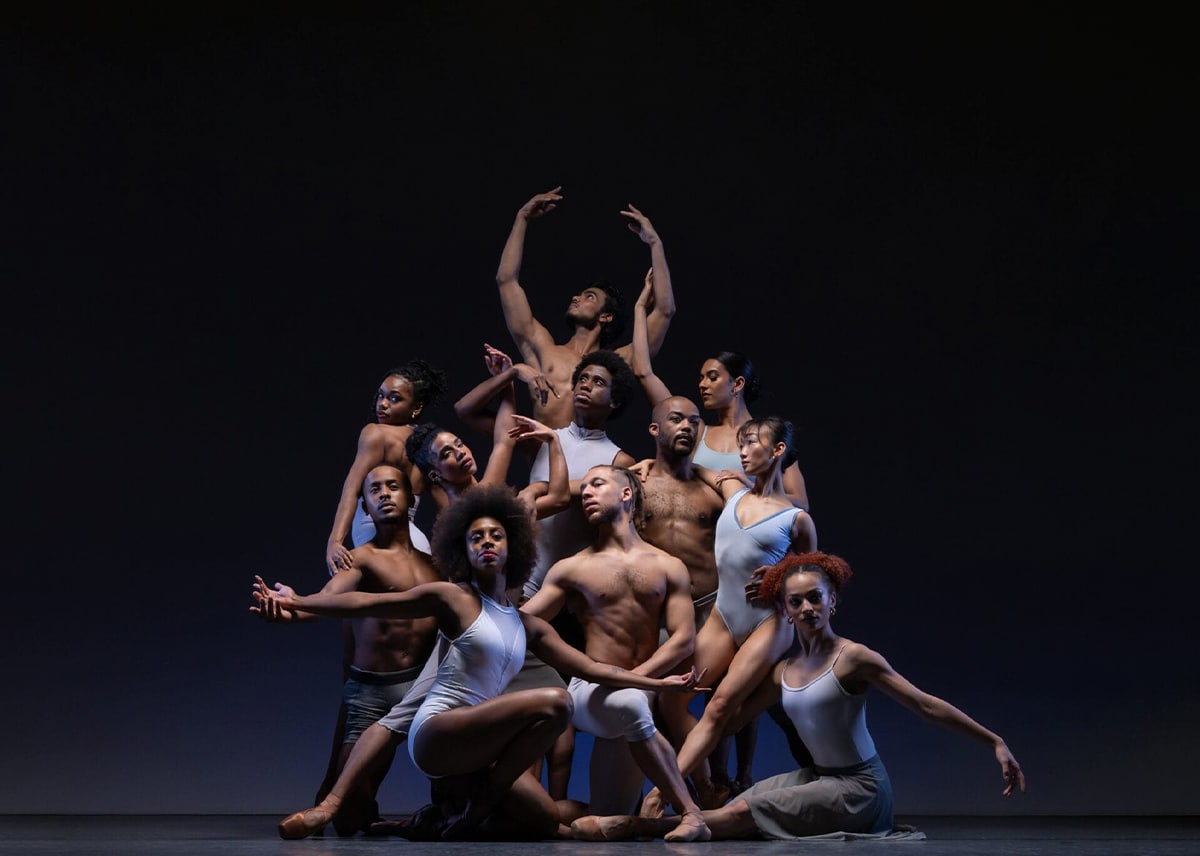
Ballet Black at 25
Cassa Pancho: 'It’s a miracle that we are still here in some way'
From Fruity to Raffell
A retreat of solitude, community and creative stimulation


Free Will
Will Harris reads his poem, 'Free Will'. Directed by Matthew Thompson and commissioned by the Adrian Brinkerhoff Poetry Foundation.

Half Written Love Letter
Selina Nwulu reads her poem, 'Half Written Love Letter'. Directed by Matthew Thompson and commissioned by the Adrian Brinkerhoff Poetry Foundation.

Illuminating, in-depth conversations between writers.
Listen to all episodes
SpotifyApple Podcasts
Amazon Music
YouTube
Other apps

The series that tells the true-life stories of migration to the UK.
Listen to all episodes
SpotifyApple Podcasts
Amazon Music
YouTube
Other apps
In the first series of poems commissioned by Hannah Lowe, six poets explore how ritual gives meaning to our lives.
Listen to all episodes
SpotifyApple Podcasts
YouTube