
The name of this wallpaper is ‘Childhood’
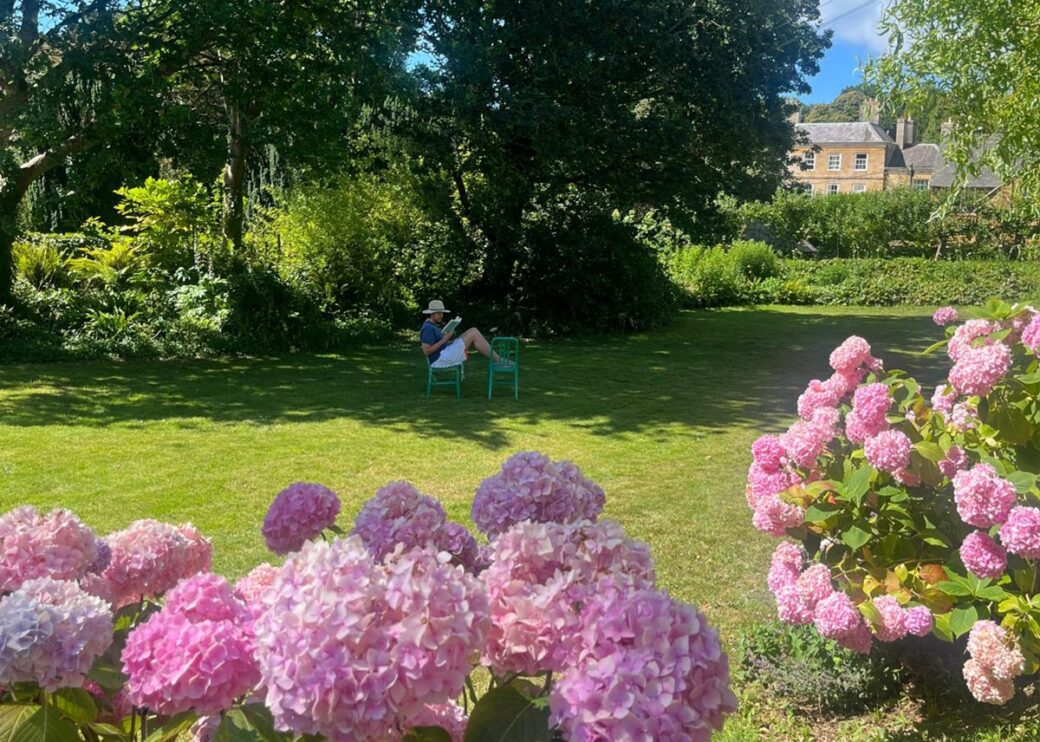
I’m not a full-time writer. I have a job in a field unrelated to literature and creative writing. After work and the weekends are the only times I have to write. I force a shutdown of a part of my brain, and life, and return to ‘who I really am’ – this consists of meditation on three questions: What is it that I want to say? What story is it that I have to tell? What exactly am I doing again? I will sit there, with a fresh amnesia each time, willing the answers to come to me like a premonition. The longer I haven’t written, the harder it is to make sense of these questions. I do this at home, sitting at the same desk I use for my day job, or in a cafe or a library, alone. My life as it is currently set up estranges me from my writerliness (or what I understand as ‘writerliness’). In moments of doubt and isolation and looking down the long road of writing and publishing a (good) novel, I ask myself: Did I choose the right thing?
The business of life has this effect, so, when one is given the space to exist without these weights, the creative edges that have been worn down, possibly ever since the end of childhood, start to show themselves again. A playful curiosity takes over. (Or is it that the necessary costume slips off?) I’m certain this is why the WritersMosaic residency felt like a kind of childhood – the luminescent bubble of memory, that, when looked back at, feels like it belongs to someone else’s life.
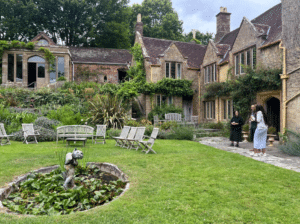
The eleven writers fell into step with each other almost instantly. We marveled at Symondsbury Manor’s deep yellow limestone walls and its grounds of cotton-candied hydrangea bushes. Within a few days of oscillating around one another, we each settled into a routine; when I woke up, I knew I would find a writer working in the sunlit spot before the French doors that, when opened up to the garden, revealed another writer in the shade, immersed in his novel. To the far right of him, under the cool spots of a looming tree, were usually two other writers equally lost in their reading or writing or thoughts. In my mind, this scene sits like a living painting.
For ten days, each and every day, and more than once, we spoke of our damn luck. The weather was impeccable, it didn’t rain once. At the ring of a bell, we were summoned from our desks to the dining table for delectable meals among conversation about craft, politics, and the world today. We still managed to laugh plenty. (On one evening, someone’s literary reputation was irreparably damaged by their dance moves.) At the end of each day, some of us climbed Colmers Hill, which sat 400 feet above Symondsbury village. Looking out to purple and pink tie-dyed skies from its peak, we relished in what seemed like our riches. What, I asked someone, did I do to deserve this privilege? I said it with an air of sadness, as I’d done before on other residencies. Out of all the laborious work my working class family had toiled over the years, why was I given such idyllic settings to, of all things, write stories? Quickly I nipped these questions in the bud; while I can now stop them from flourishing, I still can’t extract the poison seed from my mind entirely.
Some of us wrote thousands and thousands of words, while others edited or felt the trembling ladder of a new genre under their feet. Even when we weren’t writing, we were writing. If I saw Phil sitting on a bench looking ahead at nothing in particular or Franklin lying in the grass with his hat over his face, I knew to leave them be.
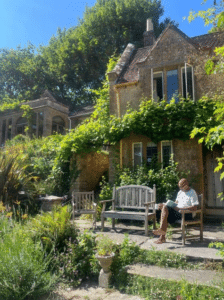
I returned to Manchester an alien – I felt like I’d been away for years. The streets and trams and pulsing tremor of the city was unchanged, but I, the traveller, was not. I’d been through something that altered my spirit. I’d edited some hundred pages of my second novel, yes, but what stayed alongside me for the next few days in between mundane moments – waiting for a delayed train, folding laundry, boiling water – were snapshots of these writers: our vulnerability, our dreams, our childlike joys. One such moment: at the end of the residency, on the cab ride back to London, Shani Akilah, Osman Yousefzada and I slathered our hands with sunscreen. We ended up touching hands – we wanted to feel each other’s skin. ‘So soft, so soft,’ we said. I remember that at the start of the residency, we rode as strangers in silence. On the return home, we traced the lines of each other’s palms.
For all the times I’ve questioned my lonely and uncertain path as a writer, these memories are some of what will remain.
The name of this article is inspired by a framed statement about the wallpaper design in the kitchen of Symondsbury Manor. The statement was called ‘This Wallpaper is Called Rousseau’.)
WritersMosaic monthly
Get new writing in your inbox
One email monthly, unsubscribe anytime
A tribute to Bonnie Greer
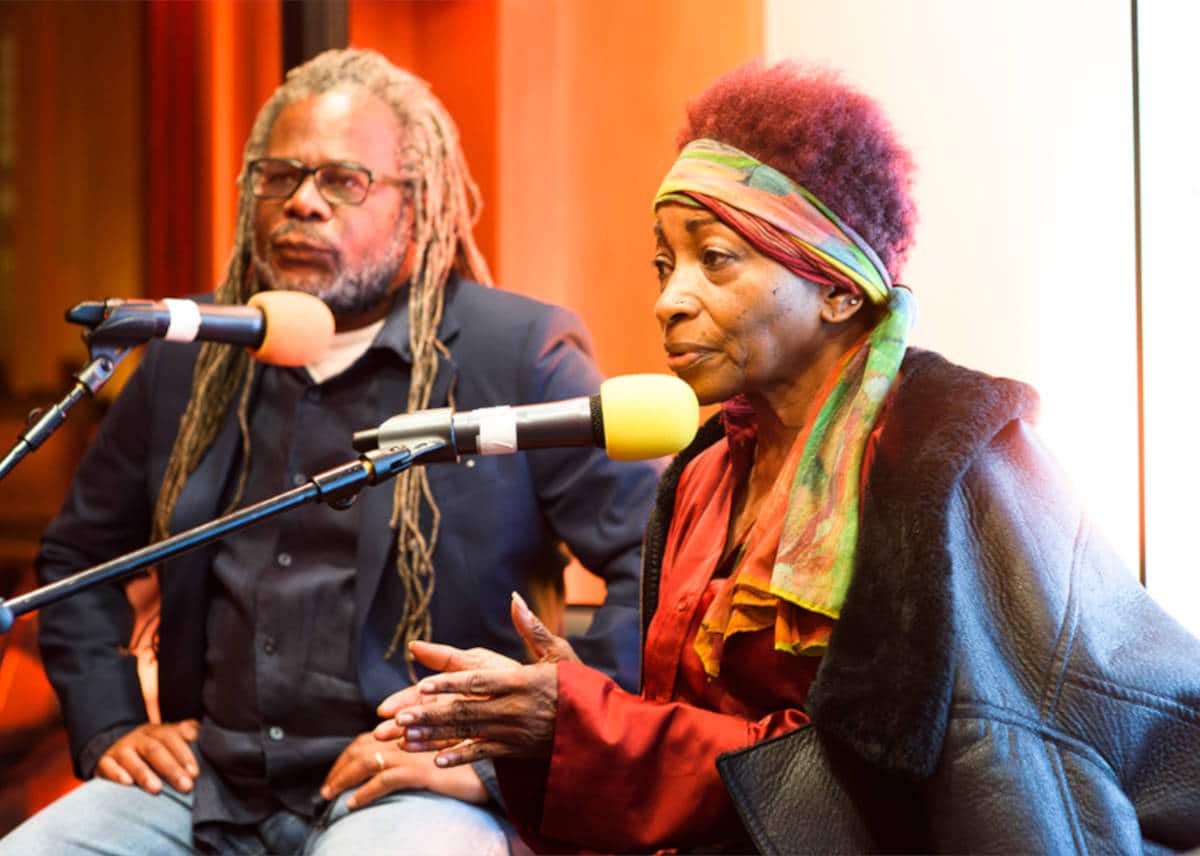
Founding editor of WritersMosaic Gabriel Gbadamosi pays tribute to Bonnie Greer, the extraordinary writer, public intellectual and much admired contributor to WritersMosaic who died on 15 September, 2026.
What’s in a feminist? Holding on to Gloria Steinem
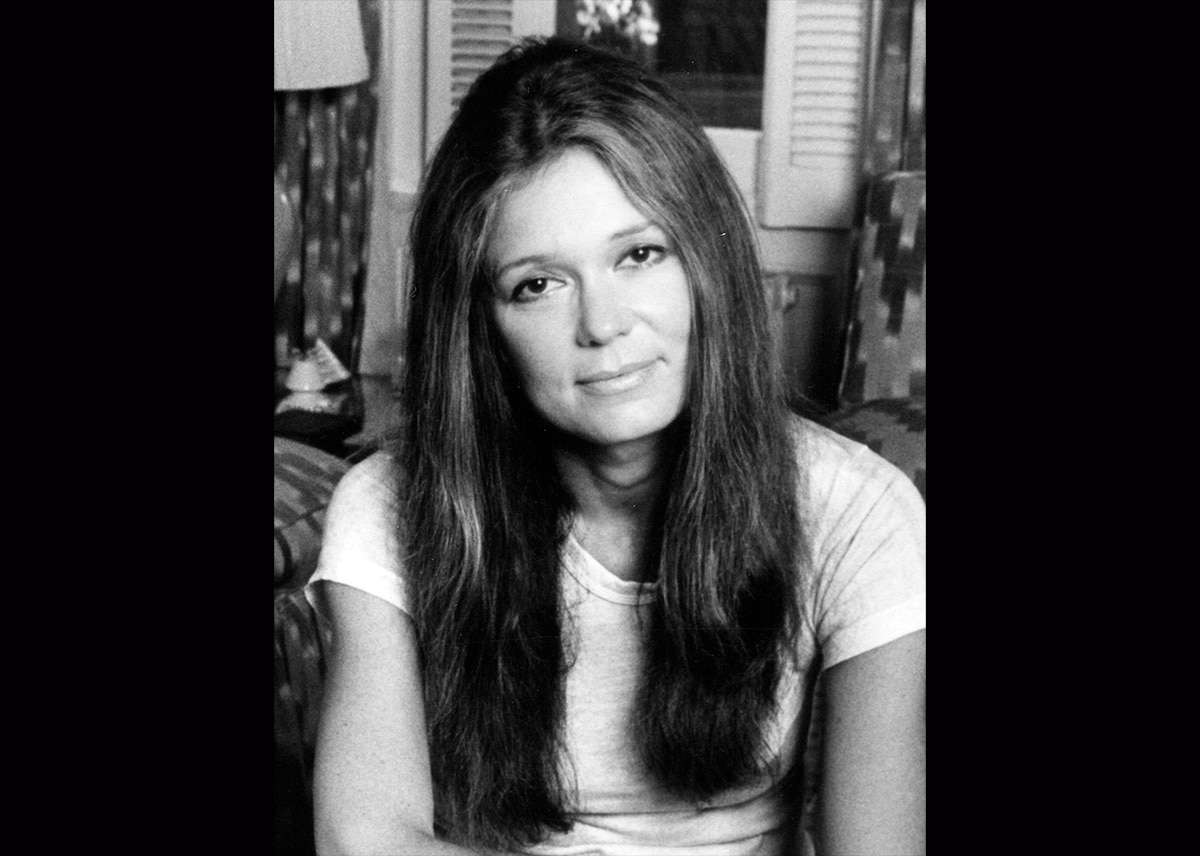
Is Gloria Steinem's feminism still relevant today?
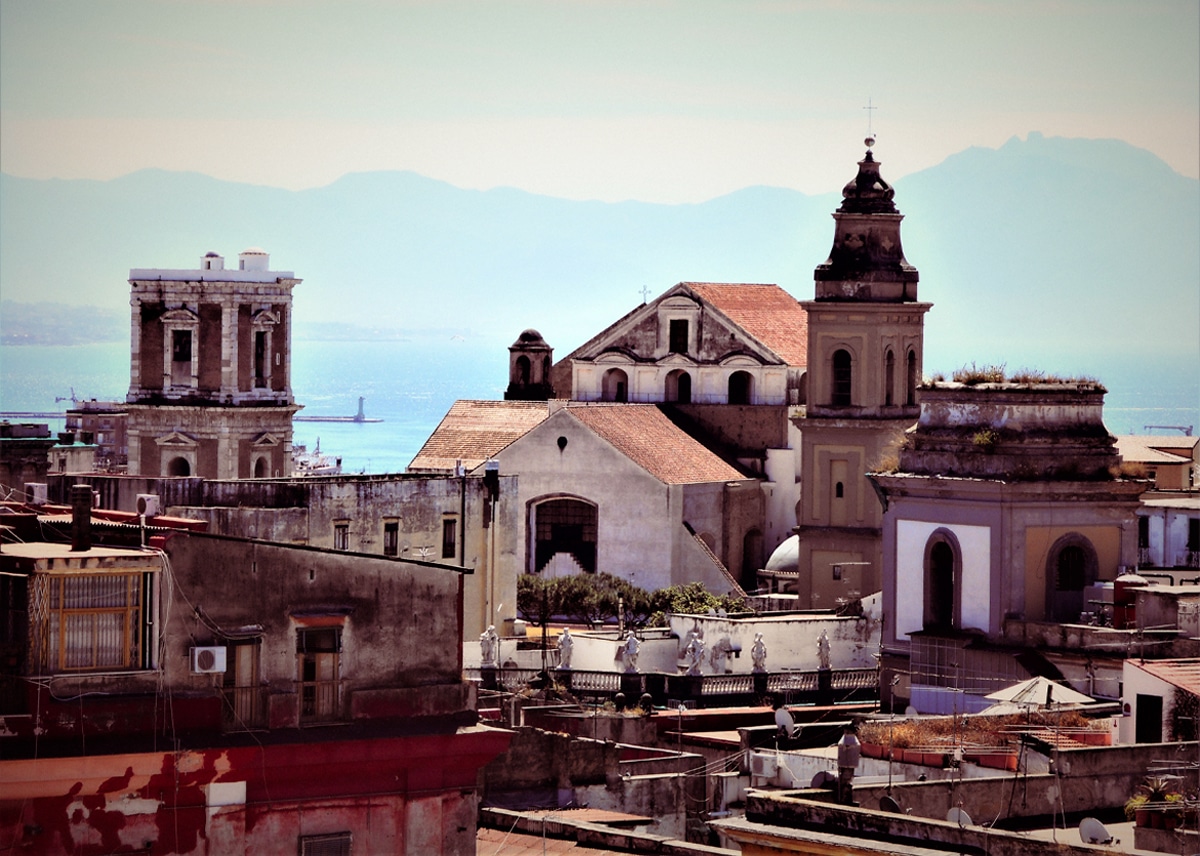
Coats
The unexpected cost of acquiring two Italian leather coats in Rome
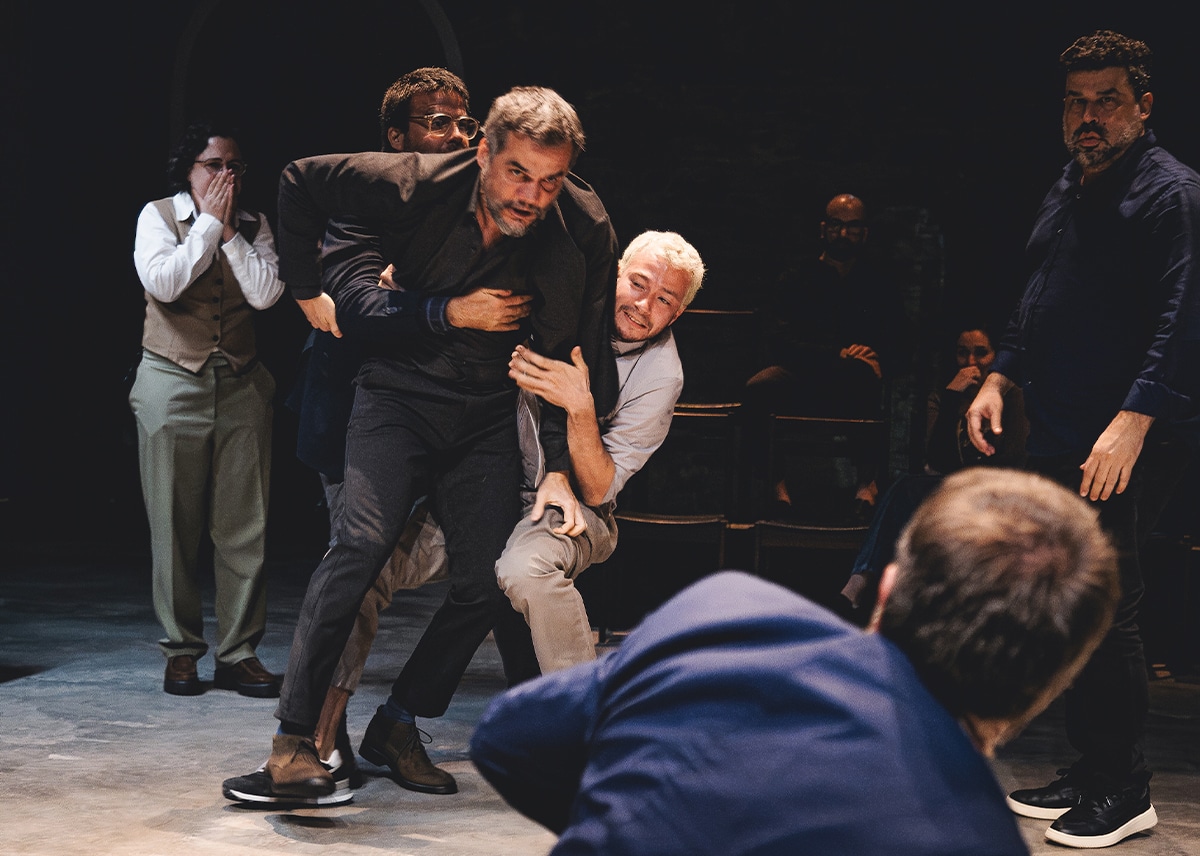
A Trial
A forceful, if imperfect, examination of theatre’s complicity in post-truth politics
The Complex
The unraveling of a dynasty

Disappearing Images
A festival of ephemeral art and the impermanence of our current world

Free Will
Will Harris reads his poem, 'Free Will'. Directed by Matthew Thompson and commissioned by the Adrian Brinkerhoff Poetry Foundation.

Half Written Love Letter
Selina Nwulu reads her poem, 'Half Written Love Letter'. Directed by Matthew Thompson and commissioned by the Adrian Brinkerhoff Poetry Foundation.

Illuminating, in-depth conversations between writers.
Listen to all episodes
SpotifyApple Podcasts
Amazon Music
YouTube
Other apps

The series that tells the true-life stories of migration to the UK.
Listen to all episodes
SpotifyApple Podcasts
Amazon Music
YouTube
Other apps
WritersMosaic interrogates the notion of ‘staying in your lane’ by asking writers how they attempt to think beyond the parameters of their cultural identity.
Listen to all episodes
SpotifyApple Podcasts
YouTube
In the first series of poems commissioned by Hannah Lowe, six poets explore how ritual gives meaning to our lives.
Listen to all episodes
SpotifyApple Podcasts
YouTube