
Klara and the Sun

Kazuo Ishiguro
Faber & Faber, 2021
Review by Tomiwa Owolade
Klara and the Sun, Kazuo Ishiguro’s first novel since he won the Nobel Prize for Literature in 2017, dramatises a question that has befuddled thinkers and writers for millennia: do we possess a soul? Is there something inside of us that can’t be transferred or replaced?
The novel is narrated by Klara, an AF (Artificial Friend) with excellent observational skills and capacity for empathy. Klara is especially devoted to the Sun – solar energy provides the nourishment she needs to survive.
At the start of the novel, Klara lives in a store where she is visited by fourteen-year-old Josie, a sickly girl from an affluent family. Josie chooses Klara to be her companion. Her mother, Chrissie, is reluctant to buy Klara at first, but ultimately relents.
In the world of Ishiguro’s novel, some children are ‘lifted’ – that is, genetically engineered – and some are not. Josie is lifted, but at great cost to her health. Her best friend, a boy called Rick, is not lifted, but theirs is a relationship characterised by tenderness.
As Josie’s health worsens, she goes to have her ‘portrait’ taken: not a picture but a physical replica of her body. Josie’s parents, and Mr Capaldi, the man behind the ‘portraits’, explain to Klara that her role if Josie dies is to inhabit the replica body. Klara will not be an imitation of Josie; she will be Josie.
As Mr Capaldi explains to Josie’s mother to assuage her guilt, sentimental attachment to her daughter is outdated: ‘A part of us refuses to let go. The part that wants to keep believing there’s something unreachable inside all of us. Something that’s unique and won’t transfer’. The truth of the matter, according to Capaldi, is that there is ‘nothing there. Nothing inside Josie that’s beyond the Klaras of this world’. What Chrissie needs isn’t faith but ‘rationality’.
Klara, however, still has faith in the Sun. She believes it can provide the cure for Josie’s illness, and makes what amounts to a pilgrimage to a barn near the house where she thinks the Sun is most present. There, she witnesses the multifaceted face of the Sun reflected in different bits of glass. The outermost surface is ‘forbidding’ and ‘aloof’, but refractions beyond the surfaces are ‘softer’ and ‘kinder’ – the ultimate effect being ‘a single face, but with a variety of outlines and emotions’.
Soon after, Klara opens the curtains in Josie’s room to let the Sun shine in, and Josie’s illness vanishes. The parable-like register of the storytelling is mediated through meticulously analytical prose: descriptions are often partitioned off into their constituent elements. But this quality of AF detachment is compensated, in relation to Josie, by a deeper sense of a bond. It is the love between Josie and Rick that Klara invokes as a justification for Josie to be blessed by the Sun.
Near the end of Ishiguro’s elegant and moving novel, when Josie goes off to college, Klara is left behind. She meets the store manager, who she hasn’t seen for years, and says to her, ‘There was something very special, but it wasn’t inside Josie. It was inside those who loved her’.
https://www.penguinrandomhouse.com/books/653825/klara-and-the-sun-by-kazuo-ishiguro/
WritersMosaic monthly
Get new reviews in your inbox
One email monthly, unsubscribe anytime
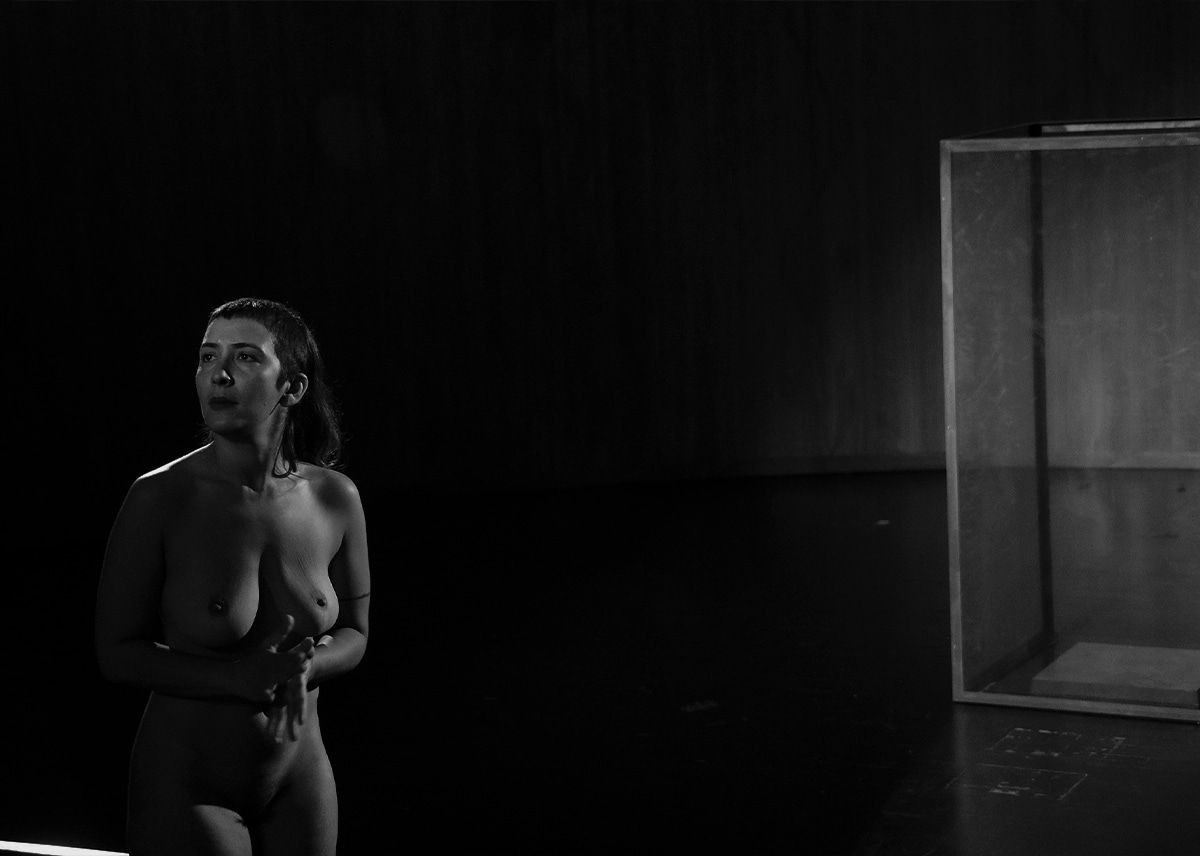
Mahsa Salali’s Naqqāli
'Salali positions the female body... as an active agent'

At Sea
Bearing witness in the face of dismissal
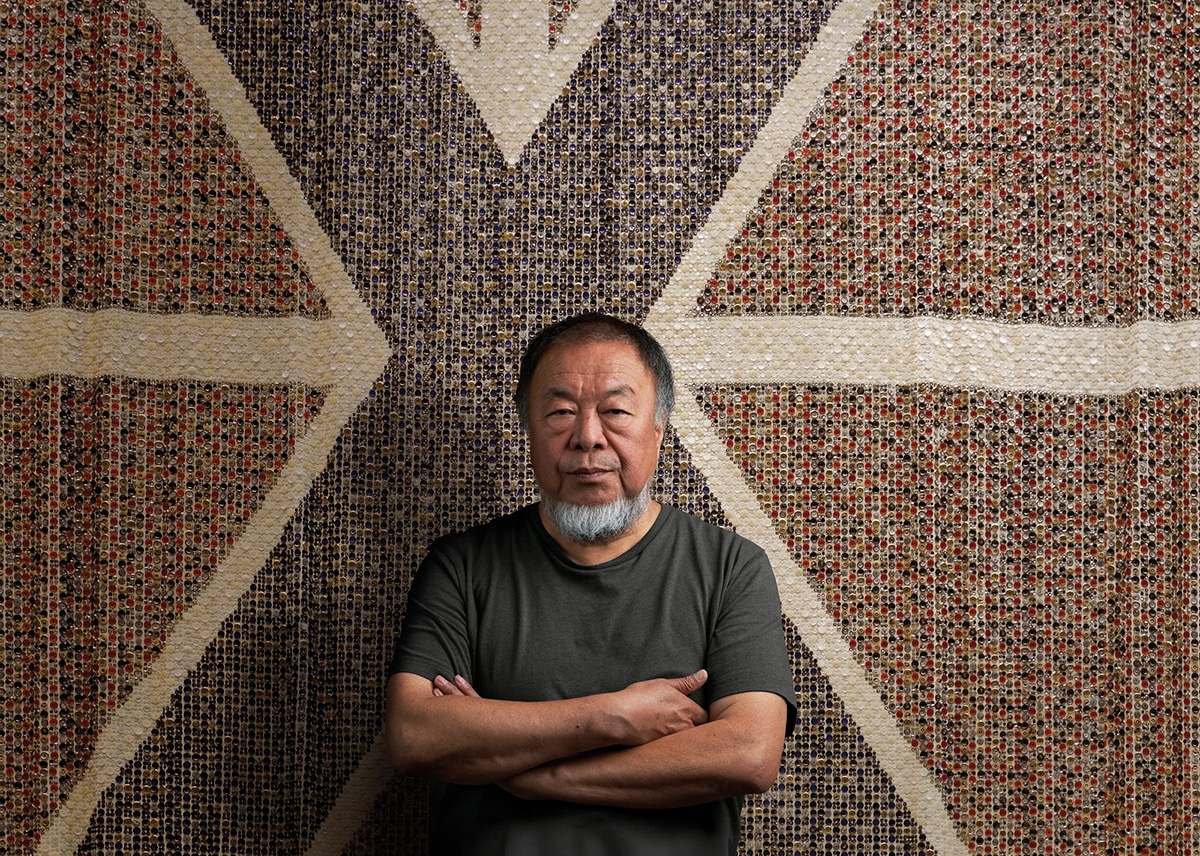
Ai Weiwei: Button Up!
A journey through the dangerous world of human tragedy
Triage
A response to the endless spiral of worldwide conflict and tragedy
My tomorrow is today
'I clasped my hands together, not in prayer but to stop them from shaking'
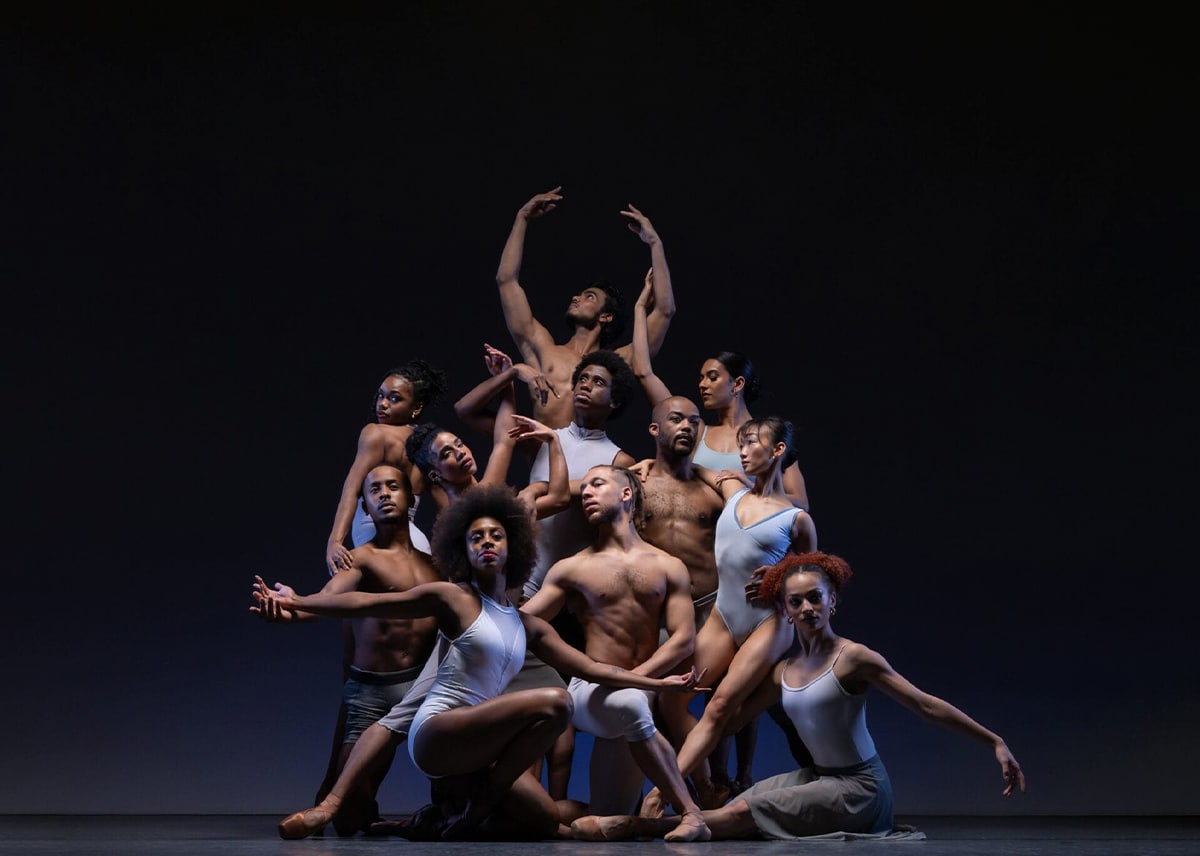
Ballet Black at 25
Cassa Pancho: 'It’s a miracle that we are still here in some way'

Free Will
Will Harris reads his poem, 'Free Will'. Directed by Matthew Thompson and commissioned by the Adrian Brinkerhoff Poetry Foundation.

Half Written Love Letter
Selina Nwulu reads her poem, 'Half Written Love Letter'. Directed by Matthew Thompson and commissioned by the Adrian Brinkerhoff Poetry Foundation.

Illuminating, in-depth conversations between writers.
Listen to all episodes
SpotifyApple Podcasts
Amazon Music
YouTube
Other apps

The series that tells the true-life stories of migration to the UK.
Listen to all episodes
SpotifyApple Podcasts
Amazon Music
YouTube
Other apps
In the first series of poems commissioned by Hannah Lowe, six poets explore how ritual gives meaning to our lives.
Listen to all episodes
SpotifyApple Podcasts
YouTube