
Britain on the way home
They are telling us they want us out, and maybe we would like to leave.
I have moved out of Britain, away from the country I grew up in. I know many Black and brown people who are doing the same, or are talking about doing the same. At the moment, Britain feels like a hard place to be.
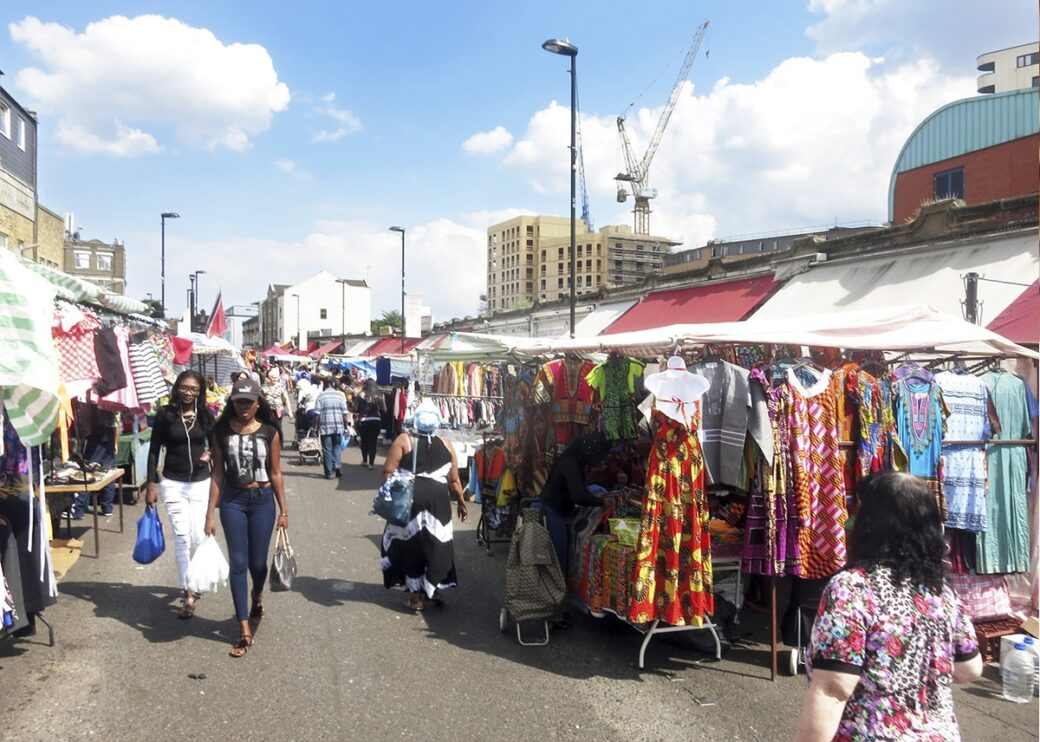
In the summer of 2025, I visited a Ghanaian takeaway shop in Barking. The friend I was with told me that she used to go to the owner’s house when she was a teenager to pick up food with her mum. You just got your order in her kitchen and now they have a shop! It was Sunday after church and the queue was out the door. Once you made it inside it was like being in Accra: the smells, the sounds, the glass Fanta bottles stacked in the fridge – it was a teleportation device. Get me the Ghana Fanta, not the Naija one; that one is too sweet. People were there for the imports – and the Banku, the Bofrot, the Waakye. Magical meals that tasted of home, nestled in a corner just off the A406. There was a couple picking up food, their mixed-heritage children in the car waiting eagerly. Is this the Britain they fear? I looked around suddenly, briefly nervous about who might have been watching, plotting. But the street was quiet. Everyone was a local. It was just a regular Sunday afternoon.
*
Staying with cousins, we visited a little Bedford town for a drink. As we admired the cobbled streets and trinkets in shop windows, two men strolled by, chatting. People sitting and drinking outside the pub in the sun, waved at the men as they went by, exchanging energetic, friendly greetings with each other. There was a sense that perhaps it was a celebrity sighting, given the reverence that was directed at them. Shortly afterwards, when we finally sat down with our coffees, a cousin mentioned that one of the men had been right-wing activist Tommy Robinson. Well, the area’s gone down a bit for me now, seeing that. I looked around: there were the four of us at a table, and a smattering of white faces eating cake, walking the streets, chatting. I looked at the awnings on shop windows and the old wooden signs that cited their establishment in the 1800s, and I thought, Are you surprised, really?
On the day of the ‘Unite the Kingdom’ protest in London – which had been called by Tommy Robinson – Bedford had a charge in the air, as though fostering an unsettled, unexpressed frustration. It burst from a white woman at a petrol station, shouting bloody murder over the phone, threatening the caller with never seeing his kids again, before she abruptly hung up the phone and continued her tirade with the passengers in her car.
And minutes later, from a young white mother crossing the road with her buggy, yelling obscenities at the driver who sped past the zebra crossing and shouted Sorry! from the window.
Everyday anxieties were being spilled into the streets – directed at strangers, yelled into the air, cocooned by flags.
*
On a drive to Essex, St George’s flags dangled from bridges, were shoddily spray-painted on roundabouts, and hung at half-mast from lampposts. For a moment I forgot about the news and I thought there was some World Cup tournament England were in the process of losing.
But there is real danger associated with a particular kind of person who obsesses over the flag, making arguments about why ‘they should all get out’ that fall apart under questioning. They have, in recent years and months, riled each other up enough to commit heinous crimes.
It is not their flags we should be afraid of, but their anger.
And in the borough of Thurrock, in Essex, where a Reform MP was elected in 2024, the last two decades of socioeconomic and cultural change have erupted in the form of African, Caribbean, and Eastern European supermarkets, South East Asian acupuncturists and South Asian restaurants. The flagged and tagged streets in the midst of this tell a different, less obvious story. Is the England flag a warning or a celebration?
The red cross on a white background has become associated with a caricature: a bald-headed white man in a football shirt, the flag draped around his shoulders, beer in hand as he stands outside a Premier Inn, yelling at staff who are protecting the safety of orphaned children.
I could not write this kind of ‘villain’ as a believable character – it would seem too clichéd. What’s his motivation? Why is he so angry? What will his character journey be?
In Grays, Essex, for a party, I noticed that the feel of the area hadn’t changed in 25 years – not since my family moved there when I was 14. I was the only Black student at an all-white school for a year before I saw another brown face. Now the locale has a multitude of diverse communities, but the atmosphere is muted, the residential roads flanked by industrial estates and places for lorries to refuel. The back end of somewhere.
We had a big Ghanaian to-do and people spilled out into the front garden. There were three barbecues going, people coming in and out all day, filling their bellies and their cups, laughter and music floating up into the overcast air. And I did worry, after the graffiti roundabouts – as rudimentary as they had seemed – that there might be an attack on so many Black and brown people congregating, if the news was to be believed. But all kinds of people live on this street, and the angry mobs don’t want to disturb their own neighbourhoods, their own homes.
*
I travelled to Sheepwash in Devon, to teach on a writers’ retreat. Getting in the taxi from the station, I braced myself, as I always do as a Black woman travelling alone, entering a small town that is predominantly white, surrounded by countryside, with spotty phone reception. It’s a reflex, not reflective of the company I’m keeping, but of history.
But both white taxi drivers – one who drove me to the retreat and another on the return drive five days later – told me different, vivid stories about their lives. The journey was all hills and valleys, in both the scenery and the conversation, something that filled you up with its vastness but didn’t push you to discomfort. They talked about moving to the area for a better, more affordable life, about turning redundancies into new opportunities, about how much they liked to travel, to explore, to meet all kinds of people, doing a job they loved. Ninety-five percent of the people that sit in my car are good people. I asked about the other five percent and the driver laughed, made a face. He told me that he used to work as a bouncer, and very few people were really looking for trouble. Maybe they were unhappy, inebriated, lost control, but they didn’t start that way.
*
I wonder about how we got here, but then I think of the years of negative migrant rhetoric in the media, the never-ending period of austerity, the shame around asking for help. Britain is angry about losing its home, but not in the way we think.
People are facing homelessness due to the cost-of-living crisis. Those with additional needs are dying prematurely in temporary housing because of the squeeze on benefits every tax-paying citizen is entitled to. And to shout loudly about the oppressiveness of the current regime is rapidly becoming unlawful.
When people feel like they are out of options, desperation takes centre stage, and there is a desire to cling to what they know. A symbol. A community. A collective anger pointed at the ‘other’, who is not as vocal about their unhappiness and so must be reminded of it – even if said anger is intended for the unjust systems responsible for everyone’s misery.
It feels as though in Britain there is a manic search for stability, and on the path of trying to establish what home means and who belongs there, sometimes we can find ourselves nowhere at all.

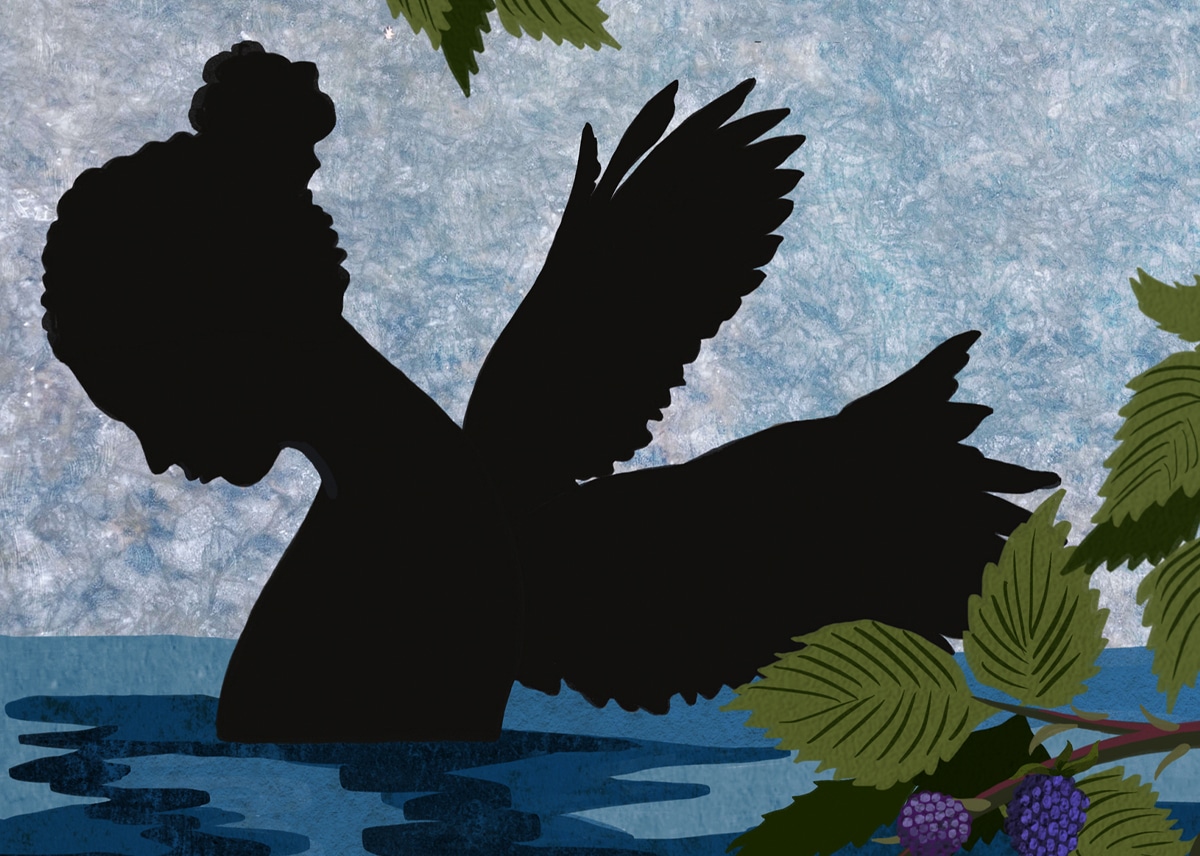
Other Wild
Emily Zobel Marshall invites us to heal by connecting to our senses and the natural world
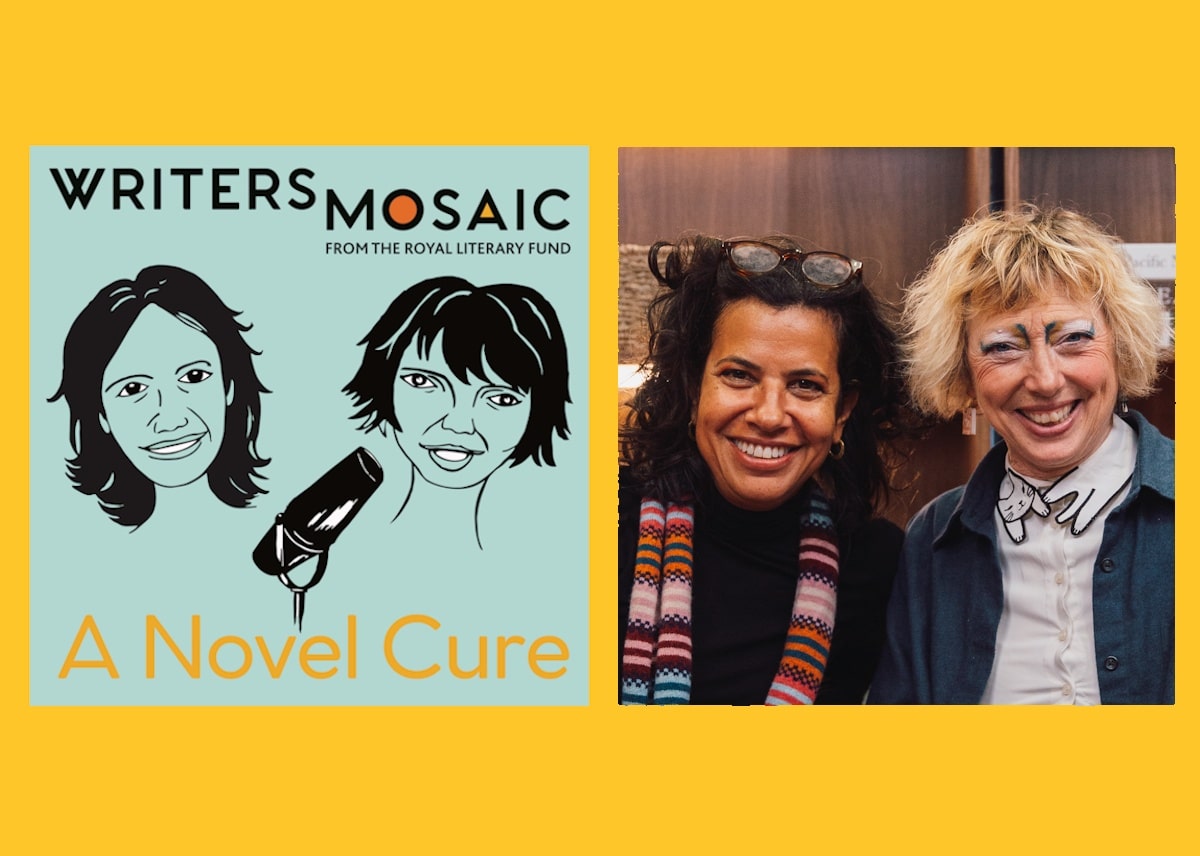
Fiction Prescriptions
Co-hosts Ella Berthoud and Isabelle Dupuy introduce our new podcast series, Fiction Prescriptions: A Novel Cure, focussed on bibliotherapy. Each month listeners can write in with their dilemmas, and our dynamic duo will suggest remedies for the head and heart, drawn from books.

All the men my mother never married
A chapter from an unpublished autobiography, dedicated to my mother, Sarah Efeti Kange



Granta 173: India
A look at four short pieces of fiction from Granta's latest edition showcasing Indian writing

The Thing with Feathers
Dylan Southern’s film adaptation puts masculinity front and centre
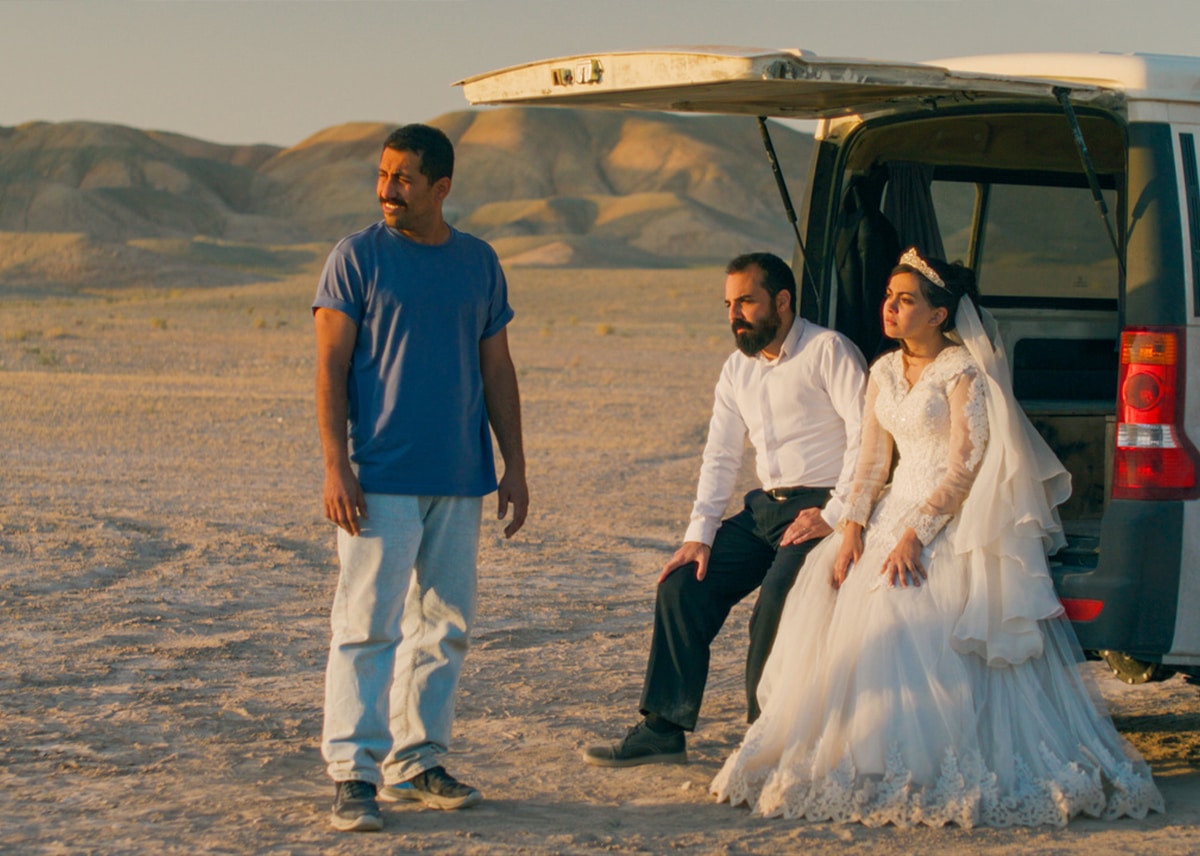
It Was Just an Accident
Iranian director Jafar Panahi's film probes the relationship between individuals, the state and violence with determined humanism
Reggae Story
Hannah Lowe reads her poem, 'Reggae Story' inspired by her Jamaican father, Chick. Directed by Matthew Thompson and commissioned by the Adrian Brinkerhoff Poetry Foundation.
The City Kids See the Sea
Roger Robinson reads his poem, 'The City Kids See the Sea'. Directed by Matthew Thompson and commissioned by the Adrian Brinkerhoff Poetry Foundation.

Illuminating, in-depth conversations between writers.
Listen to all episodes
SpotifyApple Podcasts
Amazon Music
YouTube
Other apps

The series that tells the true-life stories of migration to the UK.
Listen to all episodes
SpotifyApple Podcasts
Amazon Music
YouTube
Other apps
Afro-Caribbean writer Frantz Fanon, his work as a psychiatrist and commitment to independence movements.
Listen to all episodes
SpotifyApple Podcasts
YouTube
A six-part audio drama series featuring writers with provocative and unexpected tales.
Listen to all episodes
SpotifyApple Podcasts
YouTube