
Carefully remembering as healing

The Black Mary Project
Ella Sinclair
Mary Woolaston is said to have been a Black woman well keeper living in London in the mid-1600s. This early Black Briton is believed to have kept a healing well in Clerkenwell, known as ‘Black Mary’s Hole’, where she is thought to have healed Londoners with the iron-rich water. The historical accounts that connect us to the story of Mary are delicate and fragile – the legend of this 17th-century free Black woman remains just that: a legend. Mary has almost slipped through the cracks of remembering.
The Black Mary Project, a community-based, collaborative project, have tended to the story of Mary with care. Led by artist Gaylene Gould, the initiative has approached the fragility of her memory with the tenderness it requires, culminating in a new statue of Mary in London – unveiled during a day of celebration – and a festival designed to revive the spirit of the healing well for the city. The new statue of Mary, made by Marcia Bennet-Male – Britain’s only Black female stonemason – formally commits her story to public memory. The statue of Mary remains lonely in London – joining an estimated only three permanent statues of Black women in the city.
In their careful and caring remembering of the story of Mary, The Black Mary Project turned London’s Calthorpe Community Gardens into a restorative space, centring themes of play, water, care, and well-being traditions from around the world, all honoring the legend of the Black woman healer. They held water rituals for Mary throughout the festival, inspired by the history of London’s healing wells, where people came together in a ritual handwashing.
Mary – standing tall within a blooming flower garden – cuts a striking figure. She is human size and solid. She is a physical rebuttal to the archival erasure of her life; to the chasm of care in recording the lives of Black women, Black people, and the working classes.
The Black Mary Project’s local researcher, Emanuela Aru, references a limited number of Georgian and Victorian sources that mention Mary; the two most relevant are the History and description of the Parish of Clerkenwell by Thomas Cromwell (1828) and The History of Clerkenwell by William Pinks (1863). Aru has also found potential mentions of Mary, referred to only as a ‘negroe’, in a historic letter, dated from 1599, and a 1593 tax return, confirming that a number of Black women lived not far from the well. The Black Mary Project have used these archival whispers of Mary to reimagine her and her healing practices in the present day.
The physicality of Mary’s statue inserts a much-needed grounding into what American academic and writer Saidiya Hartman calls the ‘slipperiness’ and ‘elusiveness’ of archives which can surround the lives of historic Black women (Hartman writes specifically about transatlantic slavery, but her argument is applicable here). Hartman writes that, historically, Black women have been ‘credited with nothing: they remain surplus women of no significance… destined to be minor figures.’ In centring the story of Mary, the Black Mary project are carefully remembering: approaching the archives with a careful attention, whilst centring the theme of care itself.
In creating a day of celebration and permanent statue dedicated to Mary, The Black Mary Project have worked against the limitations, authority, and power of the archives. Mary, the healer and community figure, is quite literally carved into our historical imaginary. ‘The Black Mary Project is a wonderfully imaginative intervention into remembering lost histories through community activities and creating new mythologies,’ says author Bernadine Evaristo, who attended the festival held in Mary’s honour.
Gaylene Gould’s art installation, revealed at the festival, titled ‘Mary Woolaston Dreams’, reimagines the inside of Mary’s home as well as her dreams, speculating on Mary’s past, present, future and desires. This work is imbued with a sense of care, and is a political act – what Hartman calls ‘critical fabulation.’ A ‘straining against the limits of the archive’, using storytelling and speculation to fill in history’s gaps and omissions.
The Black Mary Project’s ‘imaginative intervention’ into the story of Mary not only works against archival erasure, but encourages a deeper consideration of public healing spaces, like the well Mary is said to have kept. The water-based healing rituals that flowed through the festival are an interesting exercise in public healing, bringing forward 17th-century healing traditions into 21st-century London, spotlighting forgotten community care spaces as sites for public healing – all of which are represented in the project’s exploration of the myth of Mary.
Care and healing run through the project’s narrativisation of the legend of Mary Woolaston – themes which Mary herself is thought to represent. Inheriting the story of this Black Briton means remembering Mary in her imagined actuality as a healer and community figure. This imagining work in itself requires turning to the violence of the archives with care and the intention to heal – an act of public healing in itself, that which Mary is thought to have known only too well.
You can visit the Mary Woolaston statue in Calthorpe Community Gardens, London. A Black Mary Project installation is part of the Wellcome Collection’s major exhibition on the theme of water. Thirst: In Search of Freshwater (June 27 2025 – February 2026).
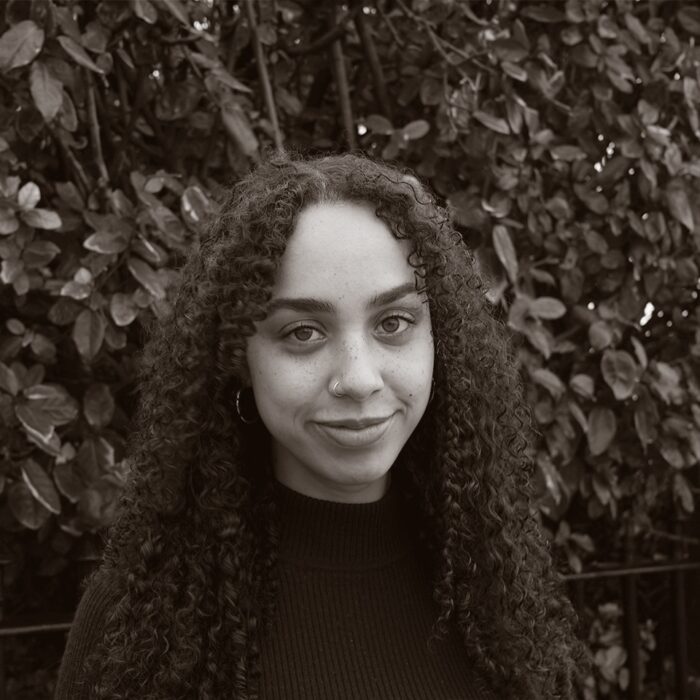
Ella Sinclair
Ella Sinclair is a writer and researcher whose work covers history, politics, race and racism, and is broadly committed to social justice.
WritersMosaic monthly
Get new writing in your inbox
One email monthly, unsubscribe anytime
From Fruity to Raffell
A retreat of solitude, community and creative stimulation
Jason Arday (9 May, 1985 – 14 August, 2026)
WritersMosaic reflects on the life of Jason Arday
Inside the WritersMosaic Literary Residency
'The sea was crystal clear, the weather was perfect and my pink toenails shimmered beneath the transparent water'

Shine Your Eye
A no-holds-barred account of travels through West Africa
The Immortalists
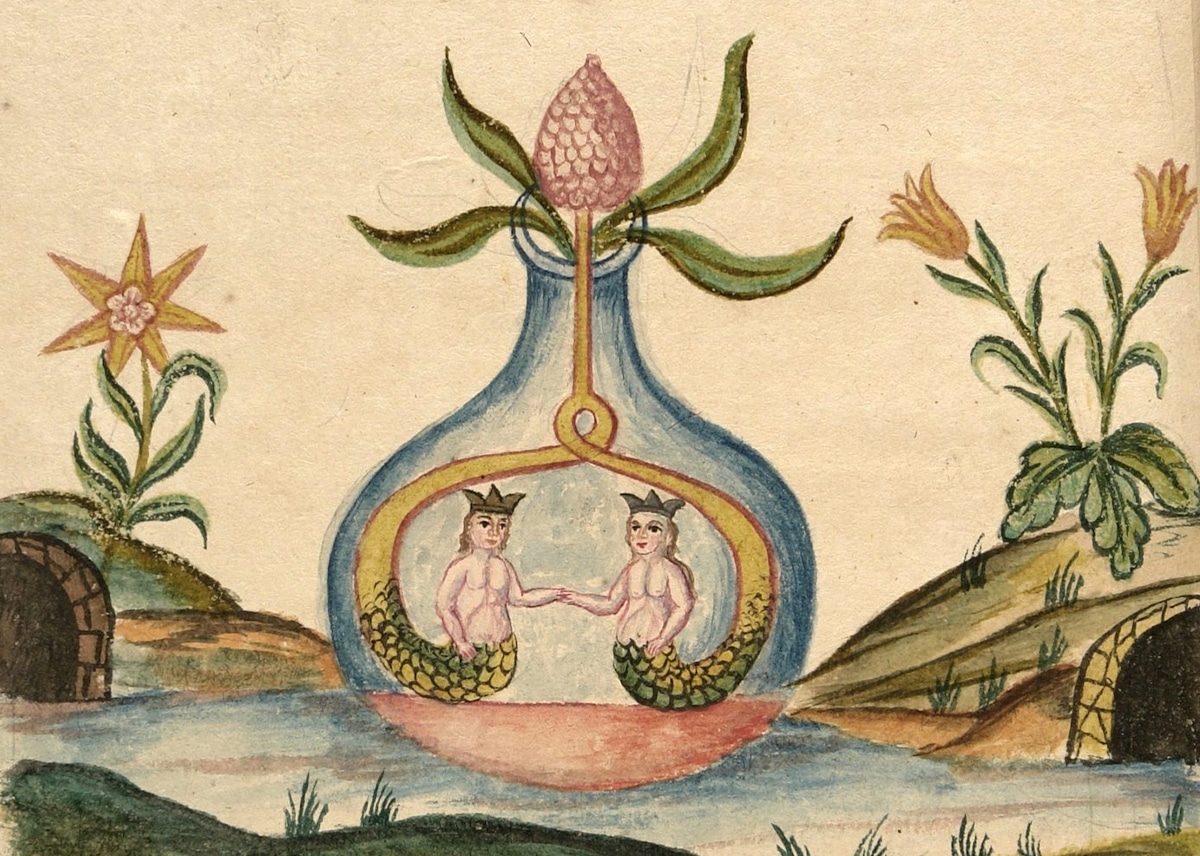
What would you be willing to do to ensure eternity?
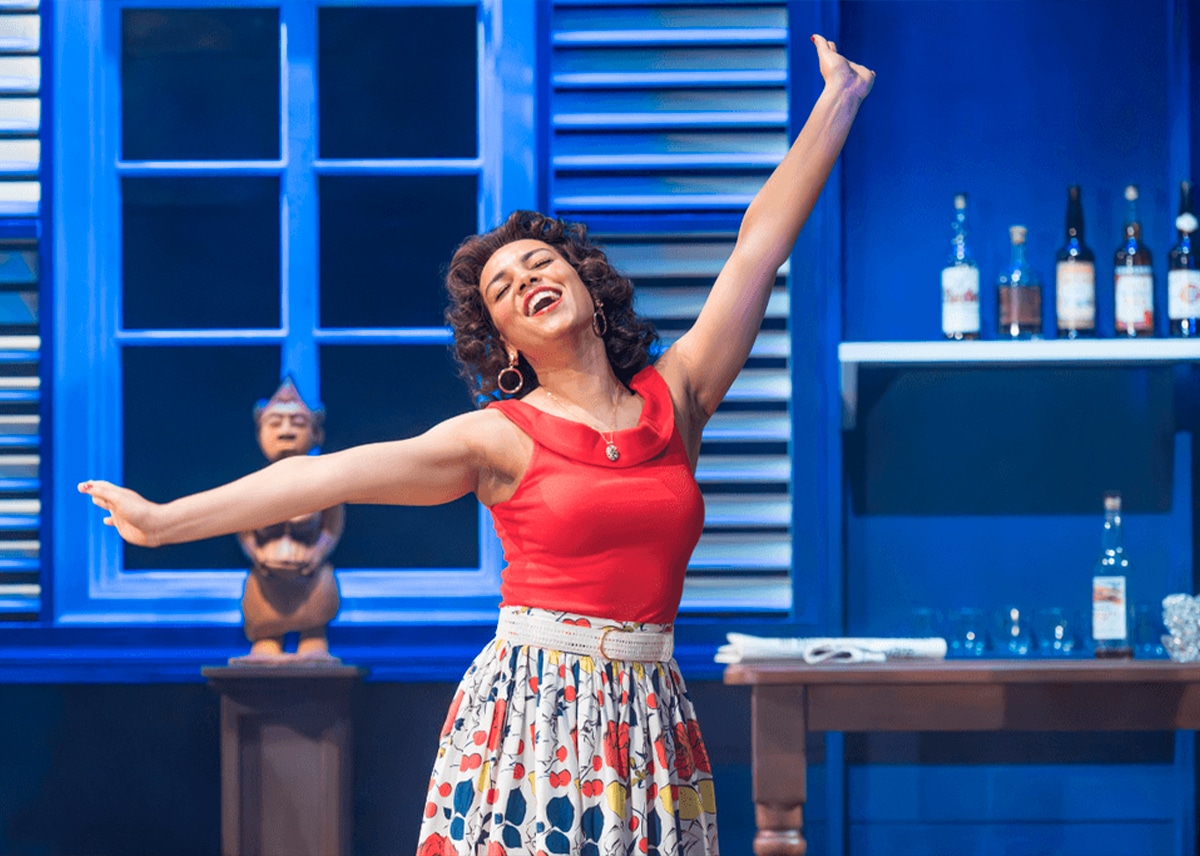
Driftwood
A play carrying diasporic memory and political weight

Free Will
Will Harris reads his poem, 'Free Will'. Directed by Matthew Thompson and commissioned by the Adrian Brinkerhoff Poetry Foundation.

Half Written Love Letter
Selina Nwulu reads her poem, 'Half Written Love Letter'. Directed by Matthew Thompson and commissioned by the Adrian Brinkerhoff Poetry Foundation.

Illuminating, in-depth conversations between writers.
Listen to all episodes
SpotifyApple Podcasts
Amazon Music
YouTube
Other apps

The series that tells the true-life stories of migration to the UK.
Listen to all episodes
SpotifyApple Podcasts
Amazon Music
YouTube
Other apps
Nine writers explore the elusive emotional truth behind narratives and storytelling.
Listen to all episodes
SpotifyApple Podcasts
YouTube