
Mother Tongues

Franklin Nelson
‘I became a writer not because I studied French literature at the University of Rabat or because I found freedom in the French language or in the work of Victor Hugo and Marcel Proust. I became a writer because of my mother’, Abdellah Taïa tells me as we find seats in a café in Belleville, a busy, multi-ethnic suburb in north-east Paris. ‘She had voices and stories and phrases and a style of narration. My memory is of her talking non-stop, preparing and rehearsing in front of us, her nine children, for how she was going to dominate the outside world, from the guy selling vegetables to the man in the electricity office.’
Non-stop is an adjective that captures well the plot and style of Living in Your Light, Taïa’s most recent novel to appear in English. Translated by Emma Ramadan and published by Seven Stories, it came out in French in 2022 as Vivre à ta lumière and tells the story of Malika as she battles to get out of poverty in a Morocco touched, even traumatised, by its experience of French colonialism and seeks to put her children on the road to what she sees as a better future. For Malika’s sons, getting on in the world means studying. For her daughters, it means marriage. Along the way, for all of them, it means obeying the matriarch, whose torrent of thoughts, memories, injunctions, complaints and exclamations potently drives the plot, taking it forward until Malika is left with little by way of company bar herself and her struggle.
Much as Living in Your Light is a moving tribute to the life of M’Barka Allali, Taïa’s mother, to whom it is dedicated, the book owes more to her absence than to her presence, he tells me. ‘It was when we were together, all my brothers and sisters and I, at her funeral in 2010, that one of my sisters suddenly started to speak in my mother’s voice’, he says. ‘I understood at the time that I wasn’t the only one possessed by her. I feel ashamed that I never had the curiosity to go deeper into my mother’s personality, or just ask her questions, while she was alive. I guess we are kind of stupid when we are teenagers, thinking that we know the truth and that our parents don’t understand us.’
Taïa, who is now 51, has lived in Paris for more than 25 years, having left Morocco at the cusp of the new millennium to take a doctorate in French literature at Sorbonne University. The first Moroccan author ever to come out as gay (in 2006), he is also a filmmaker; his latest full-length work, Cabo Negro (2024), won the Premio Talent Verd at the Barcelona International Film Festival in April 2025. Taïa does not ‘separate’ the moving image from the printed word, preferring to think in terms of ‘moments’ over ‘chapters’ when he sits down to write. He attributes this approach to ‘screening again and again [in his head] scenes from films’ he watched as a child, with the dream of producing his own one day, and wondering ‘why is this image next to that image, and what is it telling us about something we saw fifteen minutes ago?’. ‘All my books are constructed around the idea of ellipsis’, he adds. ‘It’s all coming from me, coming from the movies. From this early experience of what I would call the absence of the image after its presence. After you’ve seen it, what do you do with it now that it doesn’t exist?’
Taïa’s liberty to pursue his creative ambitions was possible only because he was his mother’s youngest son; by the time he was preparing to finish his undergraduate degree at the University of Rabat, his older brothers were in work and providing for her. But his relatives and neighbours didn’t always protect him as he grew up. ‘My mother, my sisters, the poor families around us didn’t defend me as a gay child. They watched me being raped. They said nothing’, he observes. His latest novel, Le Bastion des larmes, which was published in French in 2024, follows Youssef, who has lived in France for a quarter of a century, as he returns to his home city in Morocco and revisits the histories of violence from his youth. Yet to be translated into English, it has already scooped several prizes – recognition that has surprised Taïa but which he thinks is explained by the surge in books and public conversations around child sexual abuse in France in recent years.
‘There is no such thing as total fiction’, he says, finishing an Earl Grey tea. ‘I don’t think it exists in the way the word tries to present it to us. But I believe in the fiction constructed in our lives, not only my life. I would say that to autobiography we should add “multipleography” or something similar. It’s not “auto”. It’s collective-graphy […] Some people would not have had the same experience as me, but we are the continuation of the experiences we have had, good or bad.’
Living in Your Light is published by Seven Stories
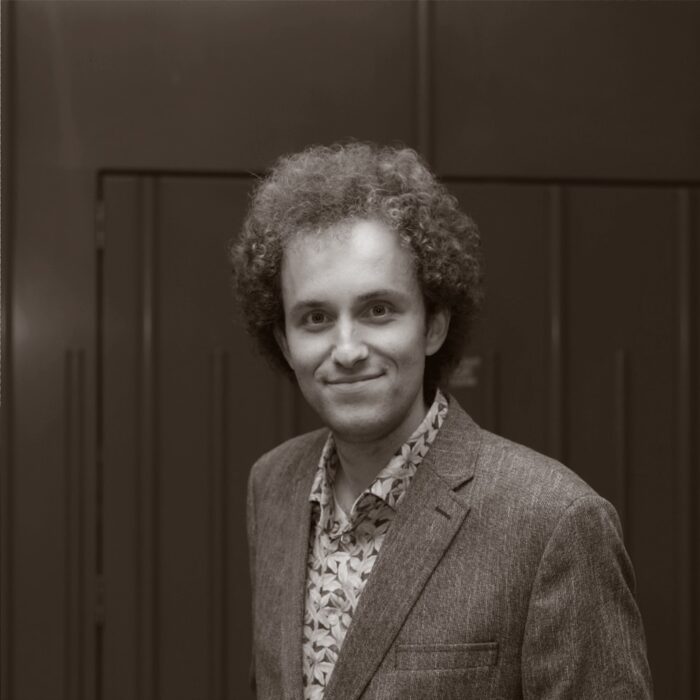
Franklin Nelson
Franklin Nelson works for the Financial Times, commissioning and writing on UK politics, the economy and society as well as books and the arts.
WritersMosaic monthly
Get new writing in your inbox
One email monthly, unsubscribe anytime
It’s being published I get paid for; the writing I would do for free
‘Any advance [...] for your novel is to compensate you for the horrors of being published'
Complex antihero: an interview with Arthur Hughes
Unravelling Authur Hughes' Richard III
Marlon James: a Jamaican reckoning
'A return to a home I barely knew'

Haunting the Black Air
Poetic freedom across space and time
The Disappearers
A sprawling visceral experience that drops you in head first
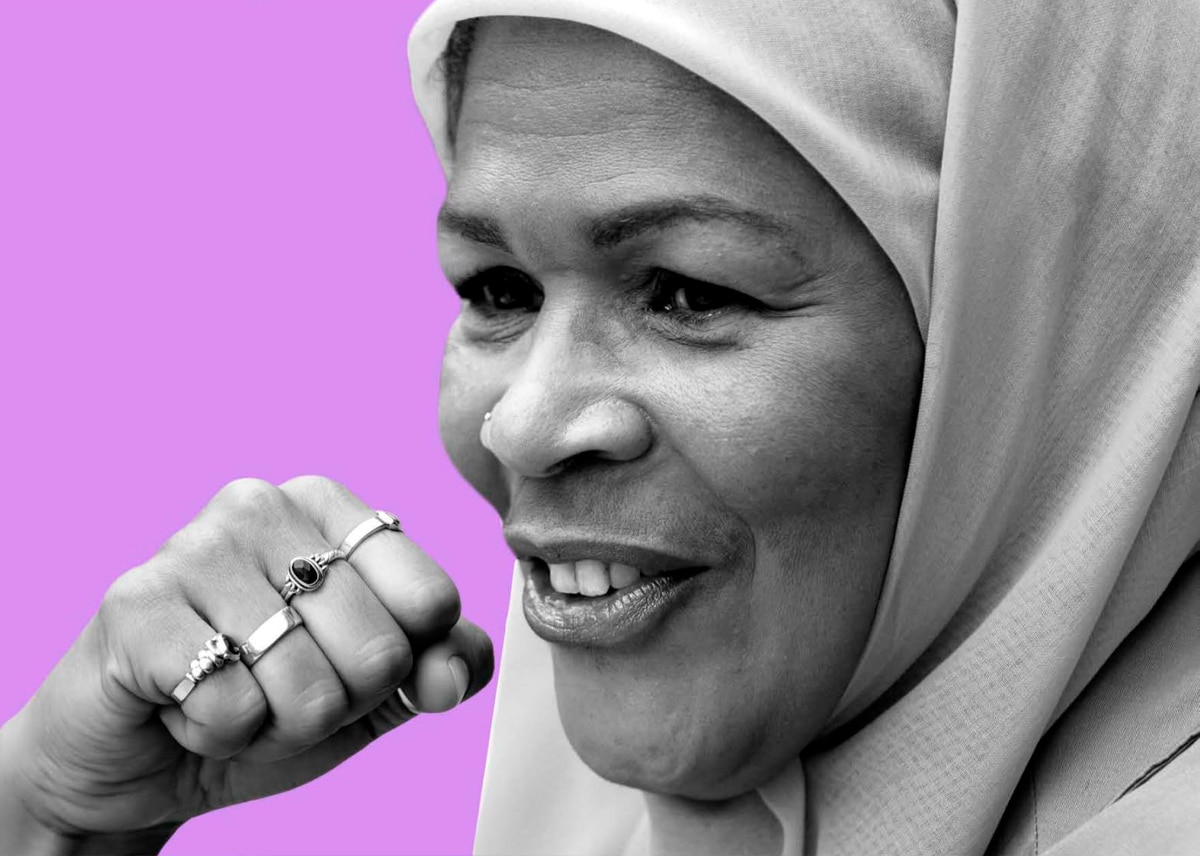
The Lady Imam
Is the world ready to catch up with amina wadud?



Illuminating, in-depth conversations between writers.
Listen to all episodes
SpotifyApple Podcasts
Amazon Music
YouTube
Other apps

The series that tells the true-life stories of migration to the UK.
Listen to all episodes
SpotifyApple Podcasts
Amazon Music
YouTube
Other apps
WritersMosaic interrogates the notion of ‘staying in your lane’ by asking writers how they attempt to think beyond the parameters of their cultural identity.
Listen to all episodes
SpotifyApple Podcasts
YouTube