
Playing with your white hairs
Eric Ngalle Charles
We lived in a single-storey wooden house within a row of blocks arranged in a semicircle, resembling a hollowed-out orange. Fruit trees and overgrown bushes surrounded it. It was built on stacked boulders to prevent snakes from crawling inside. Nonetheless, they still managed to do so. We kept pigs, an alligator (later cooked in pepper soup with plantains), a tortoise that was attacked and killed by marabunta ants, and chickens.
This was Mundemba, Cameroon, in 1986. I was eight years old.
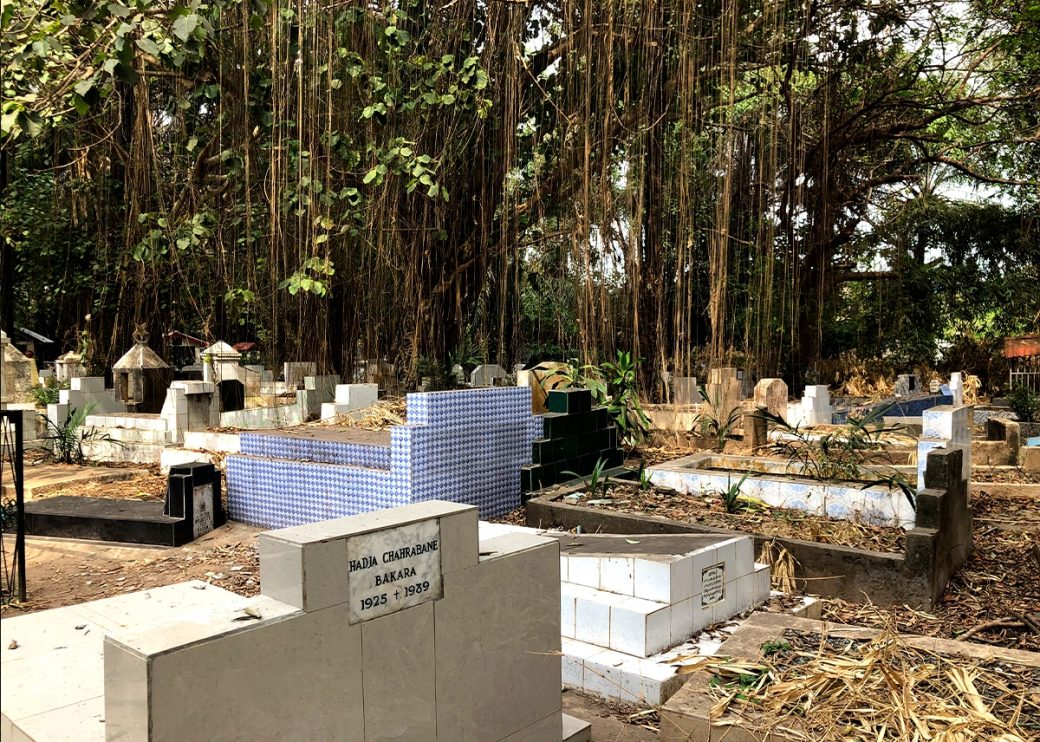
Mr Paddy, my sister’s husband, whom I called Dad, was a lanky, yellow man with a chiselled face and a large Mbanyanya – a gap between his teeth. He worked as a CID officer for the Ministry of Defence, loved fishing, and enjoyed visiting the market in Illo –even though there was no bridge to the village, he crossed the river by canoe. He never returned empty-handed, always bringing us gifts.
I remember the multicoloured shoes he bought me for Christmas. I wore them to school on 11 February, when the country celebrated its national Youth Day, and on 20 May, when we marked unification. They were one of the most beautiful gifts anyone has ever given me. Ever since, I have loved colourful shoes. If you look through my old Facebook photos, you’ll see pictures of me wearing colourful shoes in Cardiff.
He was a part-time football referee, which my sister hated, and with good reason. His colleague was beaten to death by angry football fans in BeKumba Baluwe village. Dad walked like an albatross trying to land on a windy day, and his hands were disproportionately long for his body.
When I first met him, I wondered how he managed to pass the government assessment for the CID. Nothing about him was hidden; you could spot him from a mile away – his keys jangling as he walked, dragging his feet, and chewing on monkey nuts.
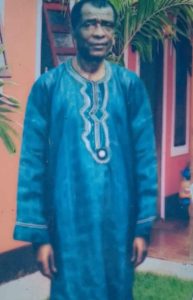 Mr Paddy – photo courtesy of Eric Ngalle Charles
My bond with him was profound, like that of a father and son. His head was a tangled mass of black and white hairs. Every late afternoon, as the sun cast its final glow, a wave, an au revoir crossing the mountains and vanishing, he would put his head on my lap, and I would run my fingers through and pick out the white hairs. Feeling his heartbeat on my knees and the last ray of sunlight clinging to his hair like a soft-spoken tune, I would run my fingers through his hair, and my thoughts wandered, thinking about my friends. I yawned out of boredom, braiding, untangling, and teasing out stories with each comb stroke.
Time stood still.
As I looked around, I saw hills and dreams, weaving knots into soft melodies on the horizon.
He breathed heavily as I brushed away his busy day, dusting his shoulders, and he sighed with welcome relief when I said, ‘Dad, you no longer have any grey hairs’.
Some afternoons, I combed and brushed his hair in total silence.
The window curtains moved as I examined his hair one evening on the veranda, and a black mamba peeked out. You can identify a mamba by its lips, which are shaped like a coffin. It lifted its neck so we could see its underside, stretching like an Olympic gymnast before landing on the floor. It turned towards us as if to say, I dare you. I clung to Dad’s shoulders like a nervous grasshopper. He reached into his pocket and took out a long, sword-like knife. I had never seen anything like it. He lunged at the snake, struck it down, and flattened it. He grabbed it behind its head, walked to the back of the kitchen, dug a hole, and buried it. In the morning, marabunta ants circled the snake’s shallow grave.
The next day, he called out, ‘Eric, Eric’, in his deep voice. I did not need to answer. I knew what I had to do. I entered the room, took out the comb and brush, stood behind him and searched his hair.
‘Dad, can I go and play football?’
He grunted and shrugged his shoulders.
I was a terrible footballer. My stomach resembled a boa that had swallowed a gnu, and I have knock knees, an inheritance from my grandmother. The only sport I excelled at was tumbling down hills like a hippopotamus. I was stopped from doing that one February when the ground shook halfway down and the governor, who was known for taking bribes from petrol smugglers, thought there was an assassination attempt on his life.
It was one of those scorching afternoons, so hot that our piglets seemed to turn into bacon. Dad amused me with stories to keep my attention while combing through his hair. One of them was about three Ibo Nigerian smugglers siphoning crude oil from the peninsula. Their boat was intercepted in the high seas by coastguards and brought ashore. During the interrogation, the men claimed they were Cameroonians. (Cameroon has a huge Nigerian population, mainly from the Ibo and Ibiobio ethnic groups.) On the third day, as they could no longer be detained because the authorities could not prove their identities, Dad brought them a bowl of gari with ogbonno soup laced with assorted meats. They gobbled it up like the marabunta ants demolished our tortoise. Dad asked if they wanted more, and they shook their heads like agama lizards welcoming the sun. He brought two more bowls of gari, but this time with egusi soup mixed with oxtail. They feasted like those uncles who prolong bride price meetings. Dad brought them a ten-litre bottle of palm wine and kola nuts. As they quenched their thirst, he placed a cassette into the cell radio-cassette player, blasting gospel music in Ibo. At first, the men pretended not to hear it. After about forty minutes, they spoke in Ibo, jumping, dancing, and chanting to the music.
‘Onye Chicka Jehovah Onye hey Onye hey. Onye Chicka Jehovah Onye hey Onye hey. Bea, bea wereh gari.’
That is how the notorious gang of oil and petrol smugglers was busted. Dad received a pay rise and ten days off work. He did not ask me to comb through his hair; I am sure that was the week my niece was conceived.
I was on the train from the Belorusskaya Metro in Moscow to Stavropol many years later. About twenty Ibo Nigerians in our carriage pretended to be Cameroonians. And they sang that gospel song, ‘Onye Chicka Jehovah Onye hey Onye hey.’
I smiled, recalling Dad.
I write this story with teary eyes; I last saw him at Douala International Airport in May 1997. When I returned to Cameroon in 2017, I visited his grave. He taught me life’s lessons while searching for white hairs on his head. Memories awaken, dearest Dad. Let me play with your hair.
WritersMosaic monthly
Get new writing in your inbox
One email monthly, unsubscribe anytime
It’s being published I get paid for; the writing I would do for free
‘Any advance [...] for your novel is to compensate you for the horrors of being published'
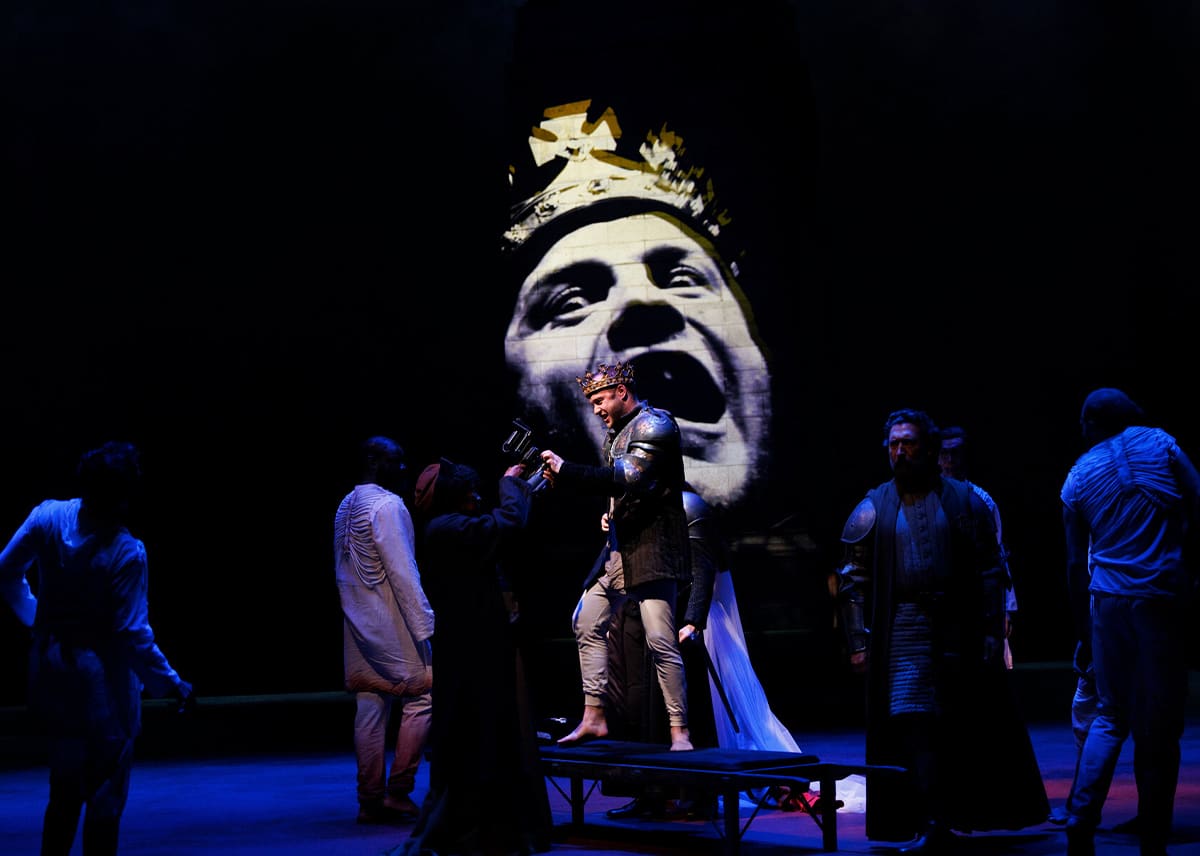
Complex antihero: an interview with Arthur Hughes
Unravelling Authur Hughes' Richard III
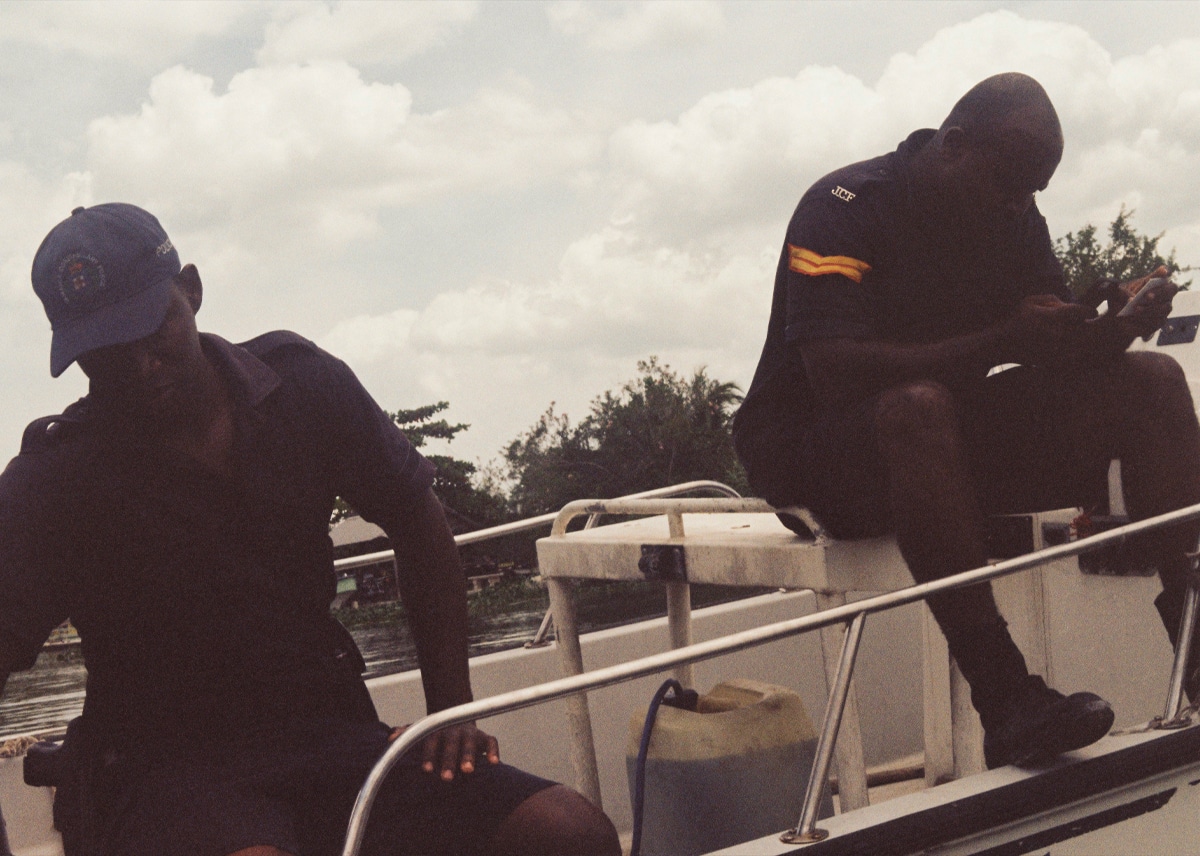
Marlon James: a Jamaican reckoning
'A return to a home I barely knew'

Haunting the Black Air
Poetic freedom across space and time
The Disappearers
A sprawling visceral experience that drops you in head first
The Lady Imam
Is the world ready to catch up with amina wadud?


Illuminating, in-depth conversations between writers.
Listen to all episodes
SpotifyApple Podcasts
Amazon Music
YouTube
Other apps

The series that tells the true-life stories of migration to the UK.
Listen to all episodes
SpotifyApple Podcasts
Amazon Music
YouTube
Other apps
WritersMosaic interrogates the notion of ‘staying in your lane’ by asking writers how they attempt to think beyond the parameters of their cultural identity.
Listen to all episodes
SpotifyApple Podcasts
YouTube