
Shaped and moulded by a sense of place

Place – be it a strange city or familiar home – shapes and moulds us in ways we may not be consciously aware of. A sense of place is about our connection, perception, and interaction with the physical space around us. I was born and brought up in Odisha, a coastal state on the east of India, lived briefly in cities like Mumbai, Delhi, and Calcutta, and then moved to London. An exploration of home, belonging, migration and diasporic identity is central to my writing. While belonging is multi-layered, and can include belonging to a community, a people, a culture or even a profession, physical space can also generate a sense of belonging. Place, irrespective of the people and the customs, can hold us. Extending this to the idea of home – in my case, a moveable one – a question can arise: can we truly belong to a place we are not born or brought up in?
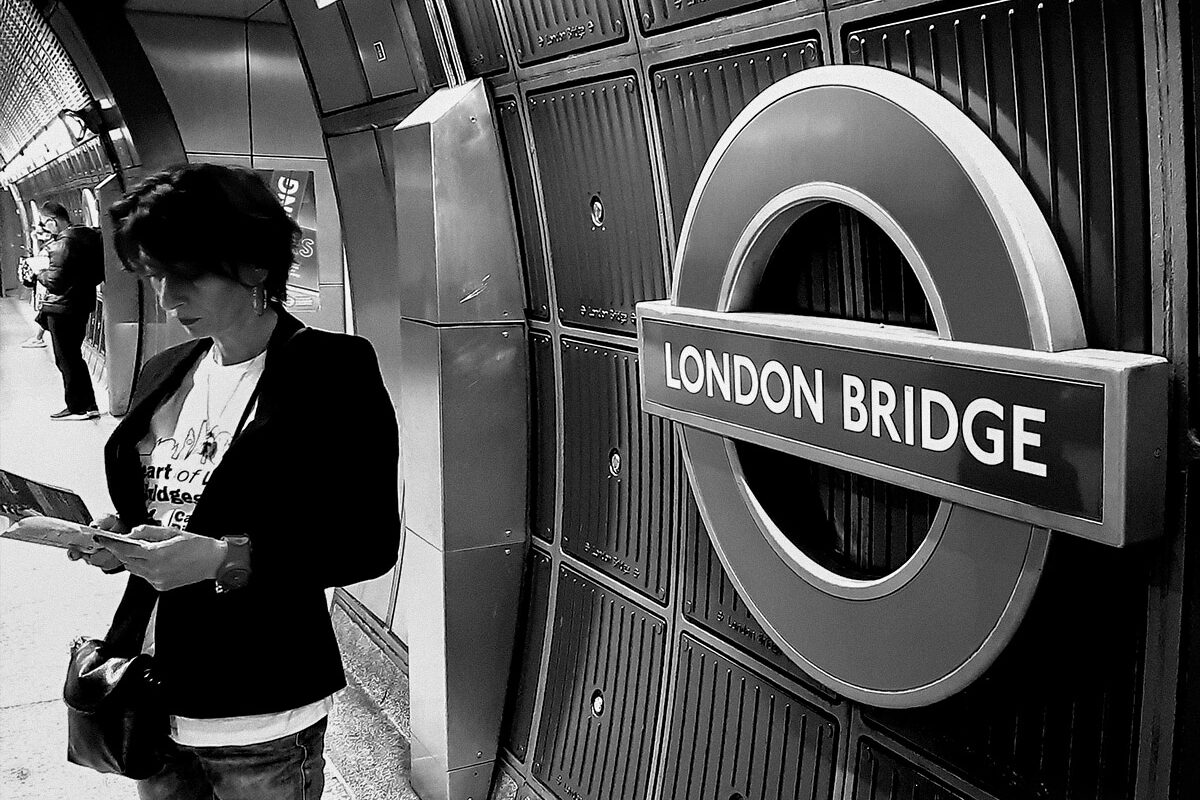
On my very first visit to England, almost two decades ago, a couple of colleagues had taken me sightseeing. My sense of London was heavily influenced by the books I had read – Shakespearean and Dickensian characters, Sherlock Holmes and cobbled streets, people in hats and umbrellas walking in a deep fog. I had wanted to see Westminster Bridge, since in Wordsworth’s words, ‘Earth has not anything to show more fair.’ We walked everywhere, visited the Tower of London, Buckingham Palace, Trafalgar Square, the South Bank, and it was as we walked past Covent Garden – which to my surprise was not a garden – that I’d wanted to see this place again. And again. I wanted to come back. I wanted to be here. Somewhere along London’s streets, with their interesting names, I had felt a sense of familiarity, a sense of place. I had no real aspiration to migrate away from India, and if I had to consider it, if anything, it would have been America, the top destination for most Indians. Yet it was a mix of destiny, desire – and a job – that brought me to London.
The city has been my home now for more than two decades. For such a large city, it is not intimidating; rather, it is quaint, quirky, green and, very importantly, incredibly diverse. While I am not surrounded by people who look like me, I am surrounded by people who look like they are from everywhere, and can also speak the language I speak, though in different accents. This doesn’t surprise people aware of colonial history (!); having grown up in India, educated in a Catholic convent school, I am as at home in English as in my mother tongue, Odia.
From my own experience, I have learned that while a sense of belonging can derive from childhood associations in literature and language, heightened by liking the physical space, it can only be sustained by the fulfilment of one’s own identity, one’s own life.
Making physical connection with a place is a huge part of belonging and of home. The scents, the very air, the very earth of where we are from will always remain in the heart, so we search for ways to bring with us those physical elements of our original home. With the sandstone sculpture of an Odissi dancer, silver filigree metalwork, carved wooden furniture, and fragrant jasmine and marigold flowers in the garden, home for me lives on in London.
WritersMosaic monthly
Get new writing in your inbox
One email monthly, unsubscribe anytime
It’s being published I get paid for; the writing I would do for free
‘Any advance [...] for your novel is to compensate you for the horrors of being published'
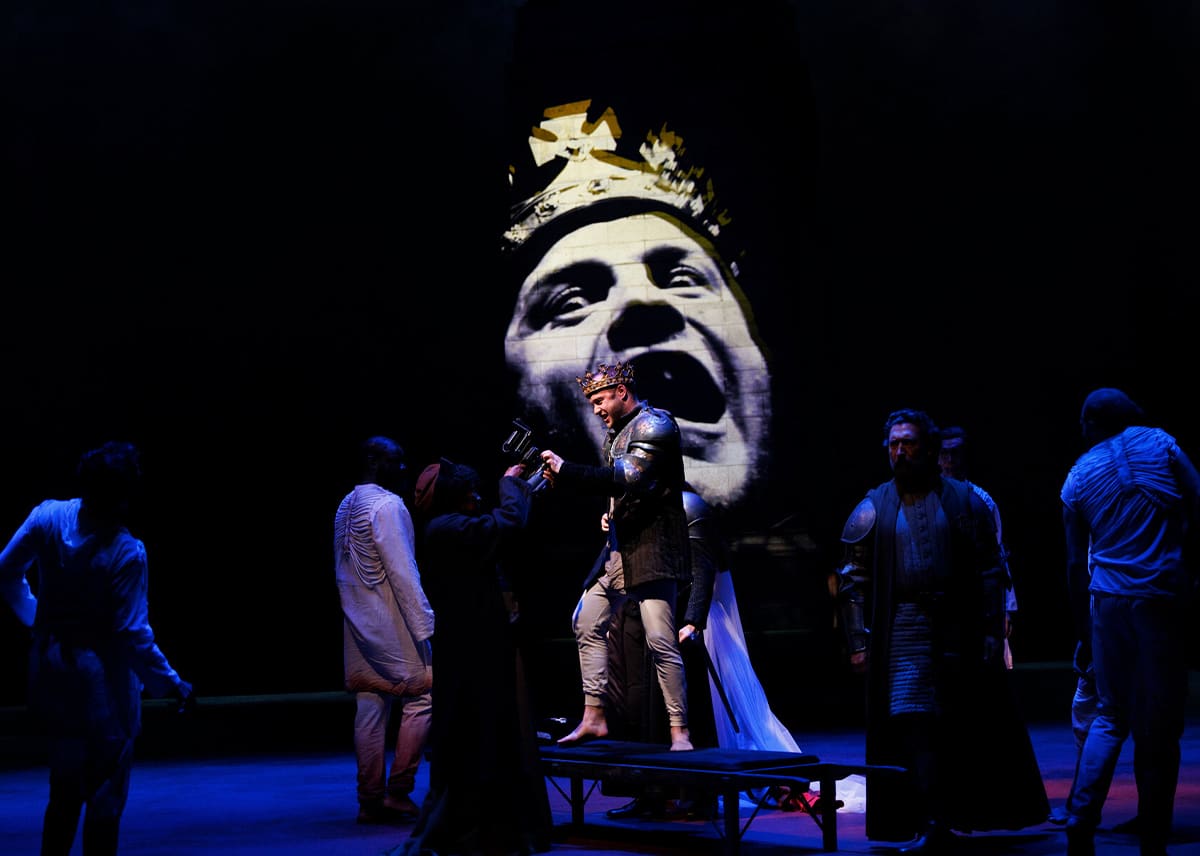
Complex antihero: an interview with Arthur Hughes
Unravelling Authur Hughes' Richard III
Marlon James: a Jamaican reckoning
'A return to a home I barely knew'

Haunting the Black Air
Poetic freedom across space and time
The Disappearers
A sprawling visceral experience that drops you in head first
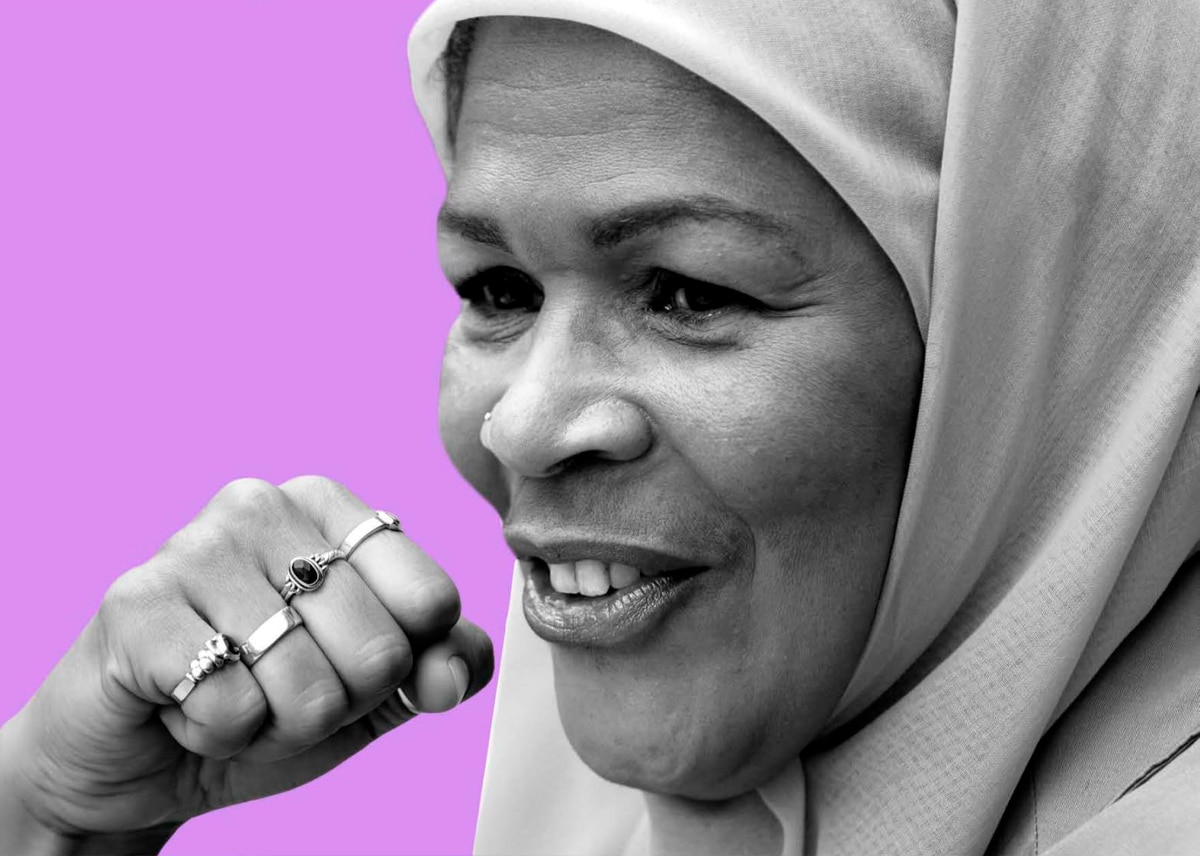
The Lady Imam
Is the world ready to catch up with amina wadud?



Illuminating, in-depth conversations between writers.
Listen to all episodes
SpotifyApple Podcasts
Amazon Music
YouTube
Other apps

The series that tells the true-life stories of migration to the UK.
Listen to all episodes
SpotifyApple Podcasts
Amazon Music
YouTube
Other apps
WritersMosaic interrogates the notion of ‘staying in your lane’ by asking writers how they attempt to think beyond the parameters of their cultural identity.
Listen to all episodes
SpotifyApple Podcasts
YouTube