
Chinese and British

Exhibition at British Library, 18 November 2022 – 23 April 2023
Curated by Dr Lucienne Loh and Dr Alex Tickell in collaboration with the British Library
Review by Ming Ho
Very quietly I take my leave,
As quietly as I came here;
Quietly I wave goodbye
To the rosy clouds in the western sky.
The words of poet Xu Zhimo. He was reflecting on his time at Cambridge University in the 1920s, but the sentiment might serve as metaphor for the subtle imprint left by Britain’s Chinese population. This exhibition, hosted by the British Library and associate libraries around the country, explores the seldom-noted presence of people of Chinese heritage in the UK stretching back to Shen Fuzong, the first documented person from China to visit England in 1687.
Partitioned by gauze curtains printed with photographs that project ghosts of the past into our contemporary world, the exhibition takes a broadly chronological approach: first tracing the individual merchants, artists, businessmen and academics of the eighteenth and nineteenth centuries, notable enough to leave a documentary trail, before arriving at the collective stories – and injustices – of the First World War Chinese Labour Corps, and the Chinese seaman of Liverpool, forcibly repatriated to China after serving Britain in World War Two.
Communities, and businesses to serve them, grew up around the ports of London, Liverpool and Cardiff. Restaurants and laundries that provided an independent income increasingly catered to the wider British populace; but while cultural enrichment was acknowledged to some degree, there are uncomfortable parallels with today’s attitudes to migrants. As the exhibition notes:
‘In 1911, a strike led by the National Sailors’ and Firemen’s Union culminated in violence against Chinese businesses in Cardiff. The union feared that the settlement of Chinese sailors in Britain would undercut wages. Racial conflicts erupted during the strike, with people smashing the windows of local Chinese-owned laundries, despite these businesses having no direct connection with shipping.’
A timely reminder that suspicion and resentment of immigrants has a long history, often manipulated to political ends, and that Britain’s fabled ‘fair play’ was (and is) largely a self-flattering construct, dependent on the submissive gratitude of the incomer, seeing him or her merely as a resource to be deployed or discarded at will.
The family as the core of restaurant and laundry businesses is accorded due tribute, along with the pride in transcending hardship to enable future generations to prosper through education. The exhibition expands its scope to shine a spotlight on the arts and culture, science and technology, sport, cooking and literature up to the present day, employing photos, film, audio, books, documents and artefacts.
However, I found myself focusing more on the captions than the exhibits themselves, some of which are hard to decipher in their own right or are comprised of chapters and articles within other works. This is no criticism of the curation, which has evidently been executed with care, but rather a reflection of the historic paucity of material recording the lives of the Chinese in Britain, and the even smaller proportion authored or published by them. The exhibited chapters and articles treat their subjects as exotic curiosities, not social equals; even when well-meant, the gaze can seem patronising or paternalistic to the modern eye – but that in itself is worthy of note.
What I craved (perhaps unfairly, given the library origin of the display) was a more tactile, visceral element of showmanship to bring the stories alive. More material along the lines of some of the exhibits here: the doll’s house created by Polin Law, modelled on her own business, that lets us into the backstage of a typical Chinese restaurant, or the film of Hannah Lowe’s sensual poem ‘Sausages’, encapsulating both the culture clash of mixed heritage and the intimate bond between her parents, who defied convention.
The ultimate value of the exhibition though is proven by the observations of its visitors, pinned on the exit noticeboard:
‘How shamefully the British treated the poor Chinese men in Liverpool. The same attitude to immigrants is still widespread today. Dreadful.’
https://www.bl.uk/events/chinese-and-british
https://living-knowledge-network.co.uk/faq?#3
https://www.bl.uk/windrush/videos/out-of-bounds-hannah-lowe

RENDANG
A magical reclamation of individuality from the mass of some of the world’s largest cities

Granta 173: India
A look at four short pieces of fiction from Granta's latest edition showcasing Indian writing

The Thing with Feathers
Dylan Southern’s film adaptation puts masculinity front and centre



Watching a theatre go dark
What we lost with the Blue Elephant Theatre
Waste not, want not
The cultural politics of waste
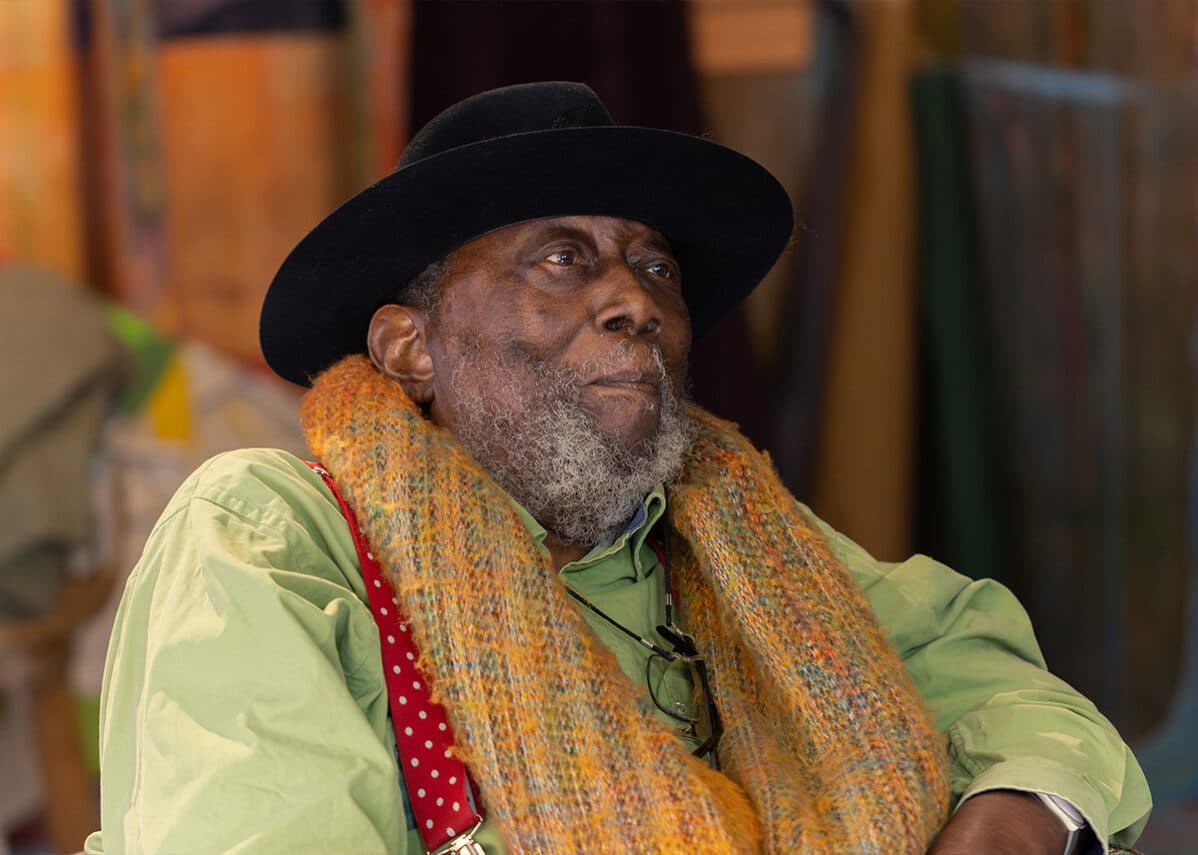
Frank Bowling
An interview with one of the foremost artists of his generation, Sir Frank Bowling

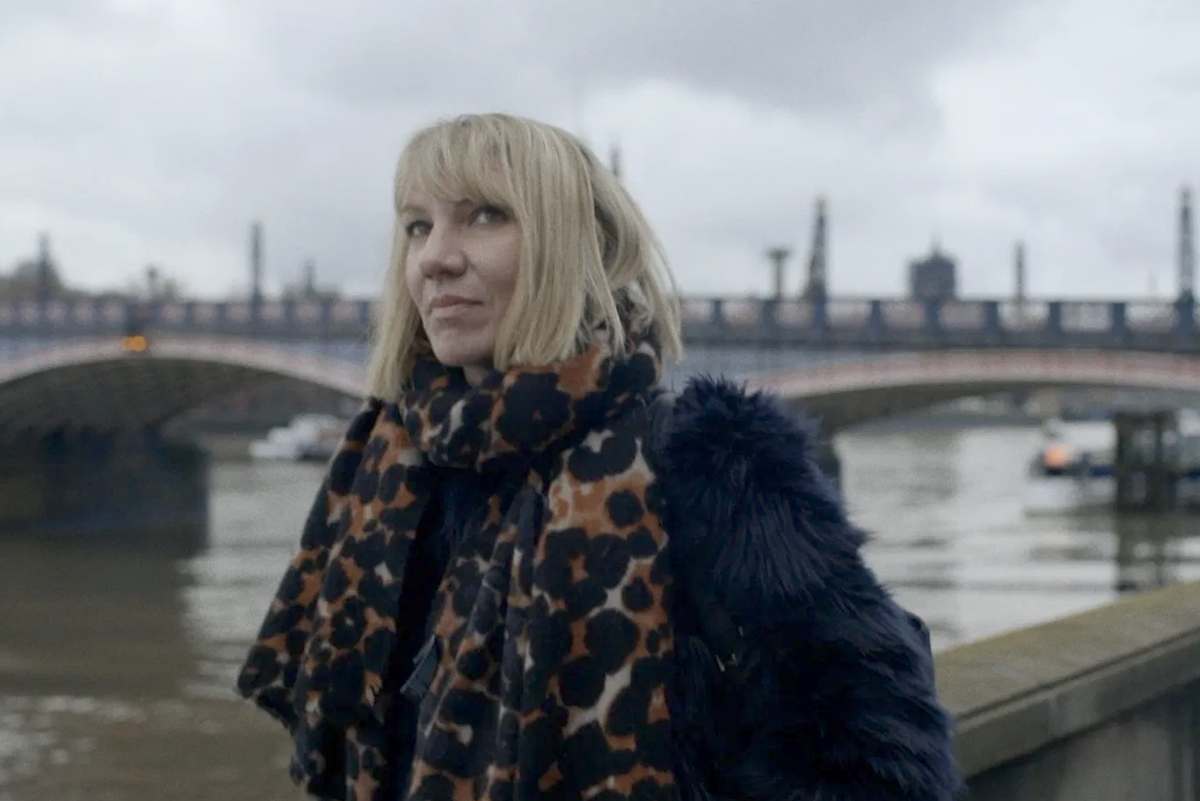
Reggae Story
Hannah Lowe reads her poem, 'Reggae Story' inspired by her Jamaican father, Chick. Directed by Matthew Thompson and commissioned by the Adrian Brinkerhoff Poetry Foundation.
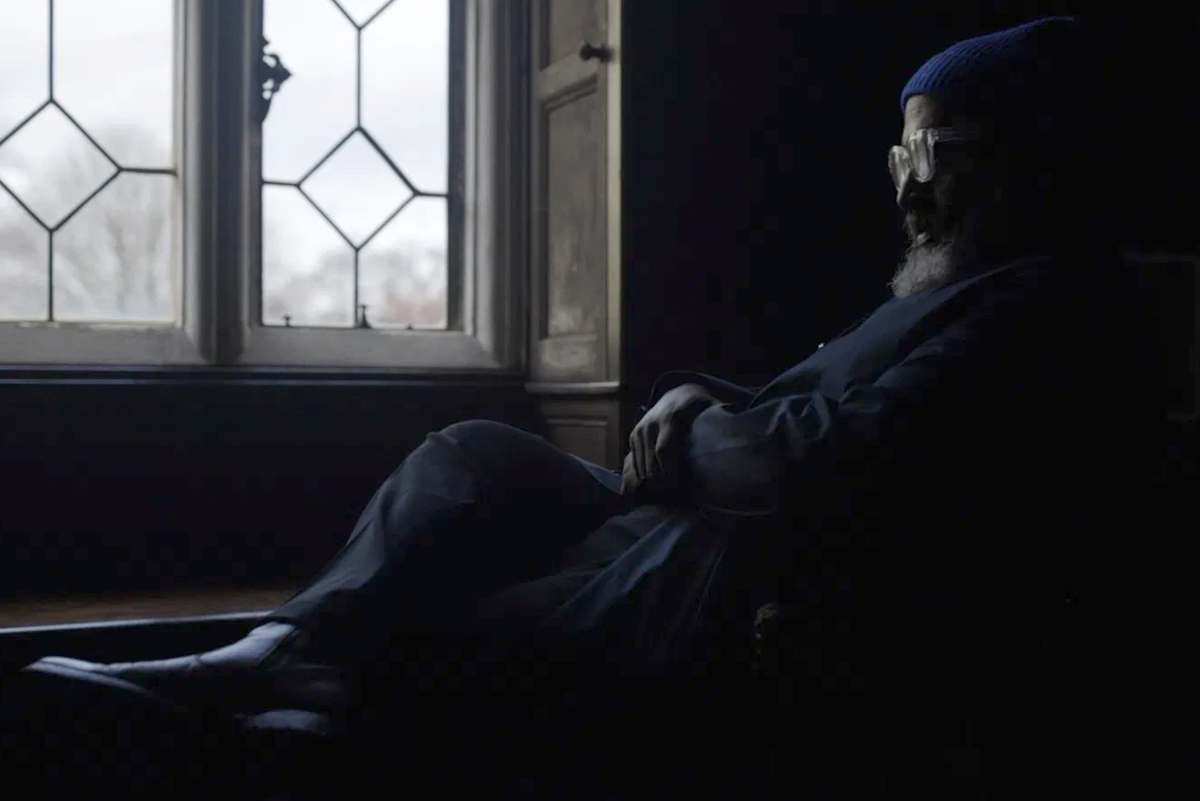
The City Kids See the Sea
Roger Robinson reads his poem, 'The City Kids See the Sea'. Directed by Matthew Thompson and commissioned by the Adrian Brinkerhoff Poetry Foundation.

Illuminating, in-depth conversations between writers.
Listen to all episodes
SpotifyApple Podcasts
Amazon Music
YouTube
Other apps

The series that tells the true-life stories of migration to the UK.
Listen to all episodes
SpotifyApple Podcasts
Amazon Music
YouTube
Other apps
Afro-Caribbean writer Frantz Fanon, his work as a psychiatrist and commitment to independence movements.
Listen to all episodes
SpotifyApple Podcasts
YouTube