
Expecting

Chitra Ramaswamy
(Saraband, 2024)
Review by Isabelle Dupuy
Chitra Ramaswamy’s Expecting charts an adventure both commonplace and extraordinary: Ramaswamy’s first pregnancy. Her memoir, told in nine essays, is erudite and tender, a far cry from ‘being told what to expect when you’re expecting.’ Ramaswamy invites us into the intimacies of both her changing body and her mind as she reflects on the world of expecting mothers: ‘If you didn’t know this was an ante-natal yoga class, you might be forgiven for thinking you were … on an AA meeting.’ Ramaswamy also conveys the quiet wonder of pregnancy through the eyes and works of artists and writers.
The art of Frida Kahlo, who suffered multiple miscarriages, lends shape and colour to the author’s fears for the foetus. ‘The Language of the Brag’ by the poet Sharon Olds reflects Ramaswamy’s pride in her ability to produce a ‘perfect baby’ whereas until then she had considered her brown, imperfect, female body as ‘a problem’. Still, she notes how the ‘luminous face of pregnancy’ on magazine covers and leaflets is invariably associated with a ‘white woman, soft-faced and serene.’ If ‘to be pregnant was to be a kind of mirror’, Ramaswamy offers us a much-needed reflection by a first-generation, South Asian, gay woman about ‘the business of trying to conceive.’
Ramaswamy and her partner Claire decide on a natural birth at home. A choice unavailable to women in many parts of the world. What is missing in this memoir is the importance of accessible technology on both mores and myths. Philosopher Jacques Ellul believed ‘Technique has penetrated the deepest recesses of the human being.’ This is particularly true in reproductive medicine. Same-sex couples can contemplate parenthood in more ways than ever before. Medical advances and their availability in wealthy societies have changed pregnancy by altering the risks involved. Ramaswamy talks of ancient beliefs such as Hippocrates’ ‘wandering womb’ that have tipped into folklore.
‘There is no drama greater than birth’: Ramaswamy’s account of bringing a new life into this world is riveting indeed. It’s also happy because she gave birth in the United Kingdom where technology and the NHS have taken tragedy mostly out of the story of birth. A difficult labour disrupts the couple’s plans. Ramaswamy’s baby is saved by an emergency C-section. Expecting ends with an exhausted couple and a ‘baby … precious on my chest.’ A success story.
WritersMosaic monthly
Get new reviews in your inbox
One email monthly, unsubscribe anytime
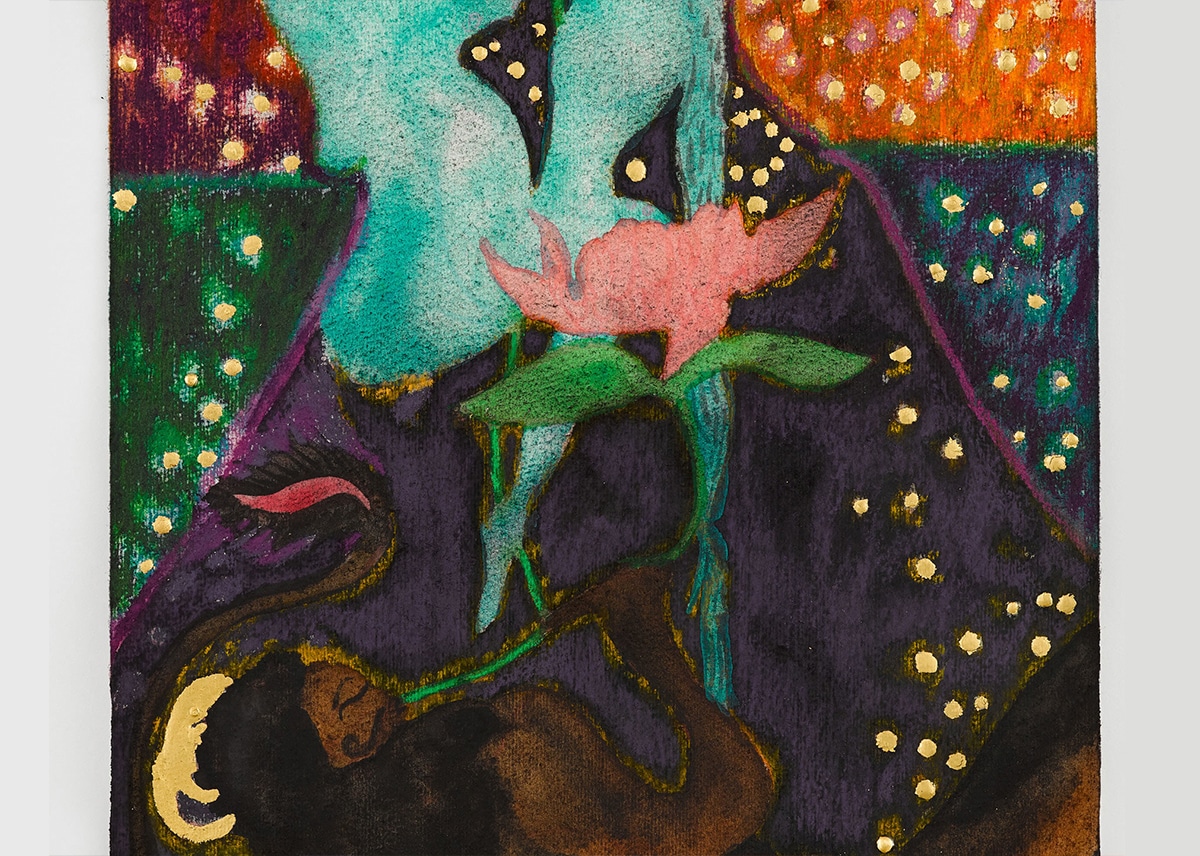
Haunting the Black Air
Poetic freedom across space and time
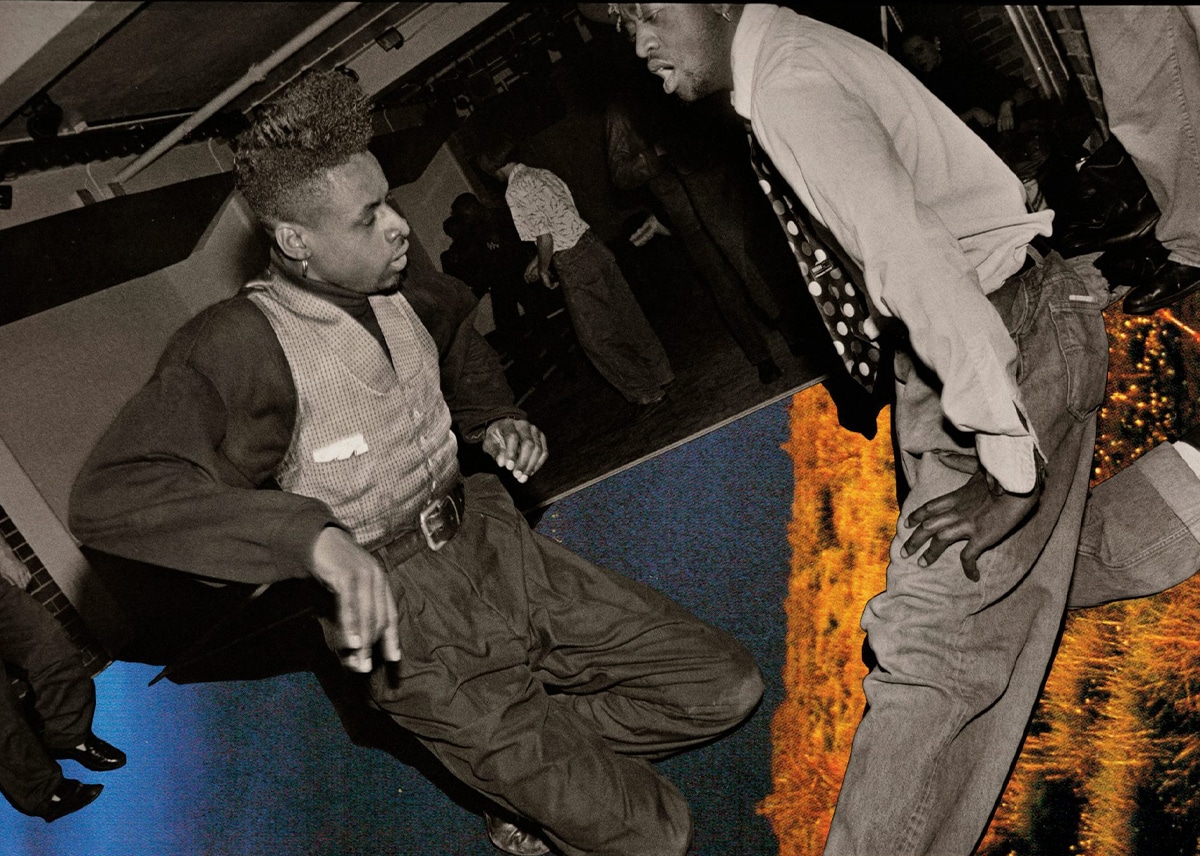
The Disappearers
A sprawling visceral experience that drops you in head first
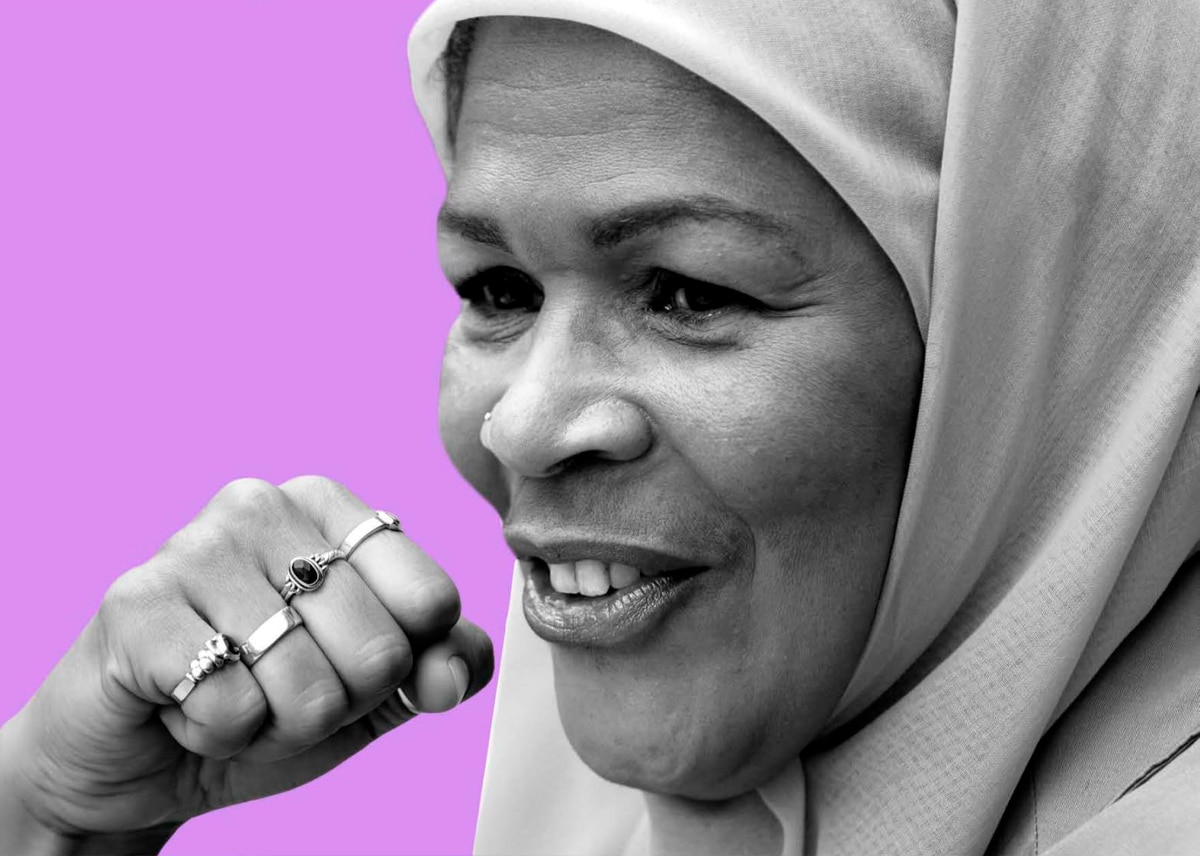
The Lady Imam
Is the world ready to catch up with amina wadud?
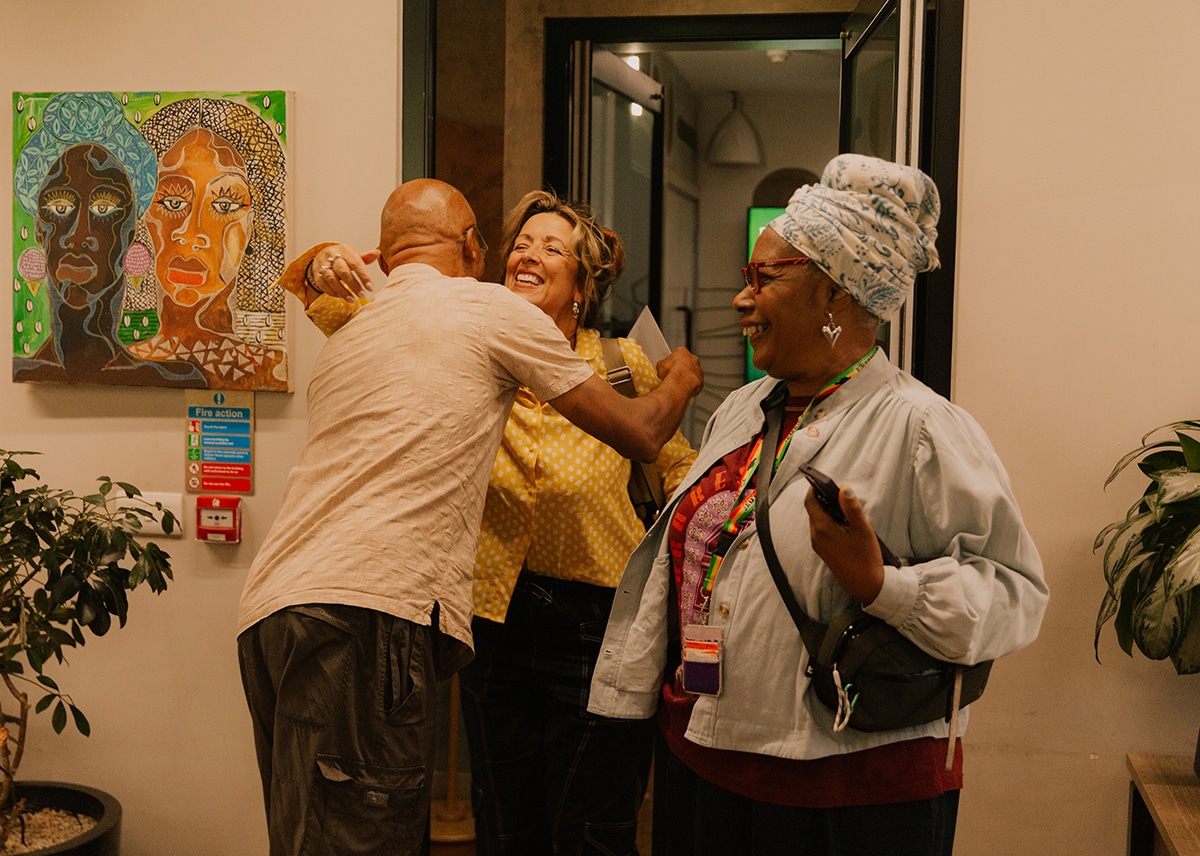
It’s being published I get paid for; the writing I would do for free
‘Any advance [...] for your novel is to compensate you for the horrors of being published'
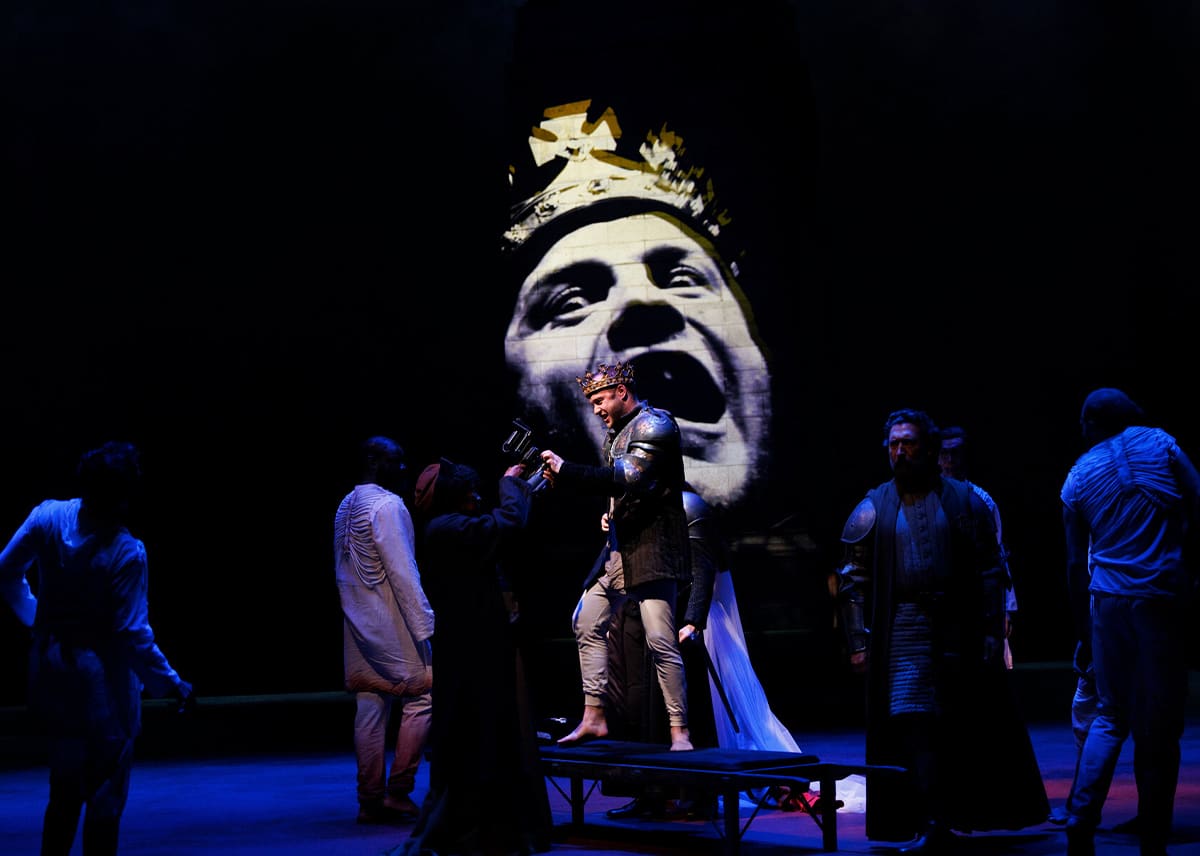
Complex antihero: an interview with Arthur Hughes
Unravelling Authur Hughes' Richard III
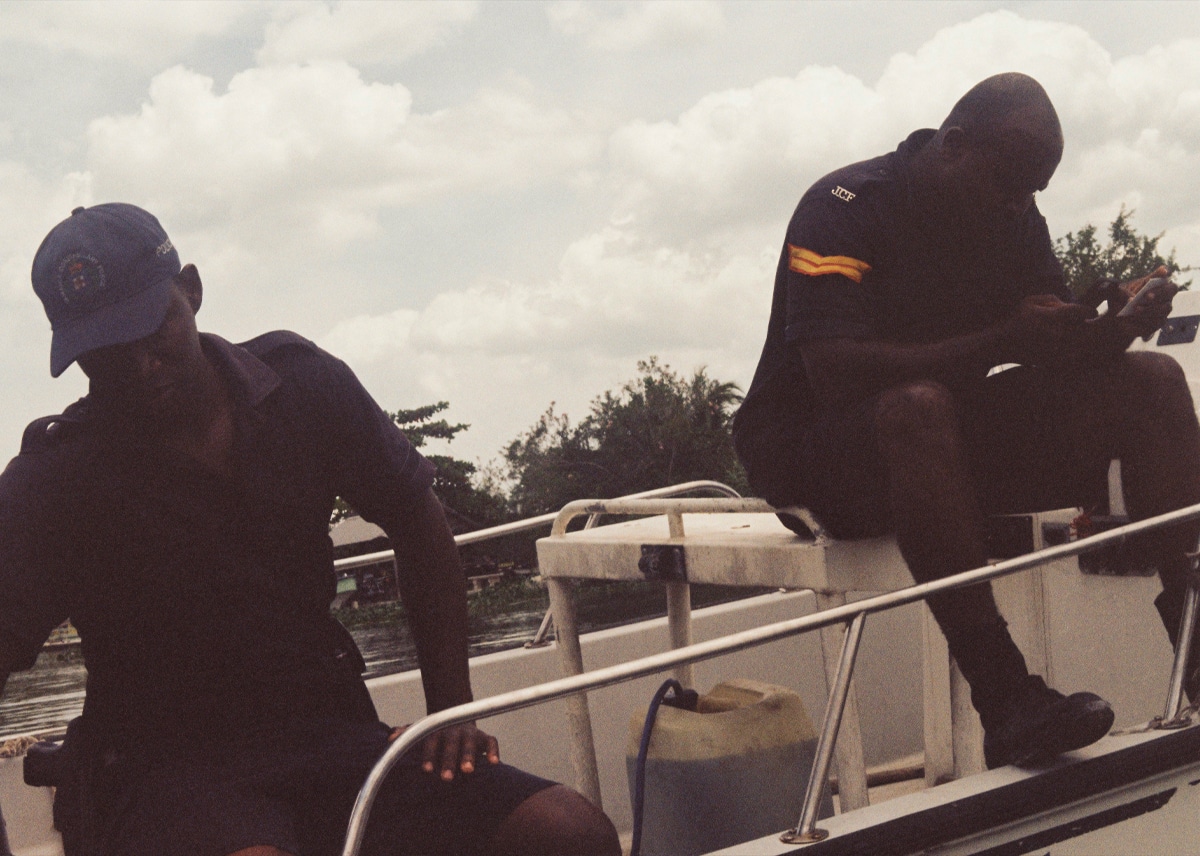
Marlon James: a Jamaican reckoning
'A return to a home I barely knew'



Illuminating, in-depth conversations between writers.
Listen to all episodes
SpotifyApple Podcasts
Amazon Music
YouTube
Other apps

The series that tells the true-life stories of migration to the UK.
Listen to all episodes
SpotifyApple Podcasts
Amazon Music
YouTube
Other apps
WritersMosaic interrogates the notion of ‘staying in your lane’ by asking writers how they attempt to think beyond the parameters of their cultural identity.
Listen to all episodes
SpotifyApple Podcasts
YouTube