
Orwell: 2+2=5
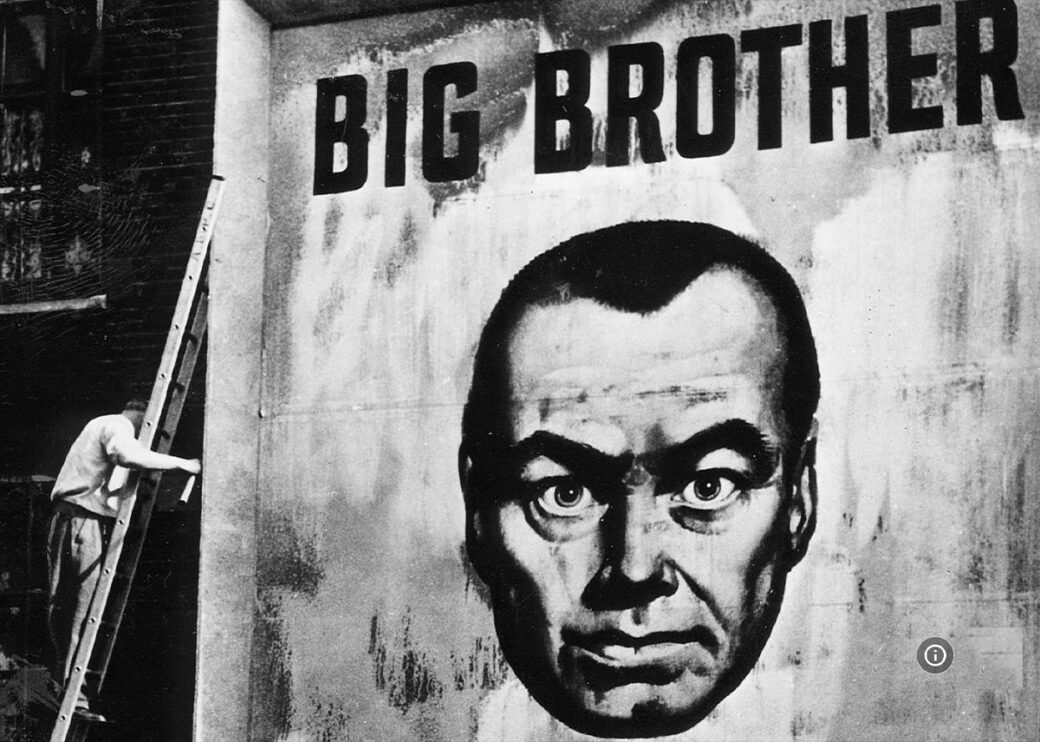
Directed by Raoul Peck, 2025
‘All creatures come into the world bringing with them the memory of justice’, wrote J.M. Coetzee in his novel Waiting for the Barbarians (2004). This sentence kept coming back to my mind as I watched Orwell: 2+2=5. Documentary maker Raoul Peck takes us on a journey through the words and life of George Orwell and how well they describe, more perhaps than in the author’s day, the sinister realities of our 21st century.
The actor Damian Lewis does a wonderful job of bringing the ‘lower upper-class’ Englishman Eric Arthur Blair to life. Excerpts from his diaries are read in the accent and tone Orwell acquired at Eton College, and the contrast between the elitist-sounding voice and the content of the words adds a dimension we could not see on the page. Lewis’ narrative comes to life through a mix of family pictures, archive colonial material, clips from the movies based on Orwell’s fiction and contemporary news footage. Tuberculosis eventually enters the actor’s voice. Orwell lived with the disease for years until it finally claimed his life and Peck first interweaves pictures and text from Orwell’s idyllic family home on the Isle of Jura in Scotland to his time in sanitariums and hospitals before revealing how relevant even this disease, supposedly defeated by modern medicine, is to our time.
When George Orwell says ‘I can’t breathe’, that sentence, spoken in agony while the TB bacteria eats his lungs, finds a new meaning almost a hundred years later in Black Lives Matter demonstrations after a man suffocates to death, this time because of a police boot on his neck.
Peck’s Oscar-nominated I Am Not Your Negro (2016), about James Baldwin and his last, unfinished manuscript, was also about a novelist and an essayist who, like Orwell, left his country in order to make sense of it and of himself and, upon returning, had the courage to hold up a looking-glass to his countrymen. Unlike Orwell, James Baldwin was Black and born poor in the United States, yet both men were alienated enough to condemn the imperial narrative of their respective nations. The first picture in Orwell: 2+2=5 is of him as a baby, blue-eyed and blond-haired, in the arms of his dark and veiled Indian nanny. He seems pre-destined to grow into a settler, a coloniser. He is from an educated but landless family in England, people who knew what a ‘gentleman’ was but couldn’t afford to be one at home: the social class empire was made for.
Peck is a Haitian filmmaker, and revolution and the fight against slavery and exploitation are themes that come back throughout his oeuvre. In Orwell: 2+2=5, he explores the language of power and how it can be used to confuse and discourage people. There are terrific clips from adaptations of Orwell’s classic 1984, especially the ending, when the government’s victory over human agency is complete. Michael Anderson’s film from 1956 interprets the terror of Big Brother in Cold War terms, and Michael Radford’s version, released in 1984, is more intimate, with John Hurt as Winston Smith. Peck’s instincts are right: there is an interesting correlation between Big Brother, the pig in Orwell’s earlier novel Animal Farm and today.
Unfortunately, the documentary doesn’t go deeply into the details of surveillance, algorithms or the direction of AI and its impact on our lives and thinking. We are shown a series of archive footage of events that reveal populism, authoritarianism and oppression, ranging from the Capitol attacks on January 6th, to a woman sitting in a bombed-out building in Gaza, to lines of handcuffed half-naked prisoners in El Salvador. These accompany the reading of Orwell’s words, who, of course, was not alive when any of these events happened, and so we are left with a generic sense that Orwell was right, that his comments on political language and its uses have been vindicated. Graphics on screen translate terms such as ‘Freedom is Slavery’and ‘War is Peace’, but the net is cast wide. We are left with so many images of our broken world that it’s hard to distinguish one political event from another. We feel like we are already overwhelmed.
Perhaps this is the point. There is no mistaking the passion in this film. Peck brings an unflinching love for his fellow humans to the screen, and his courage in exposing those who court death in their lust for power is inspiring. Orwell: 2+2=5 shows us how necessary it is that we keep on fighting to say 4.
WritersMosaic monthly
Get new reviews in your inbox
One email monthly, unsubscribe anytime
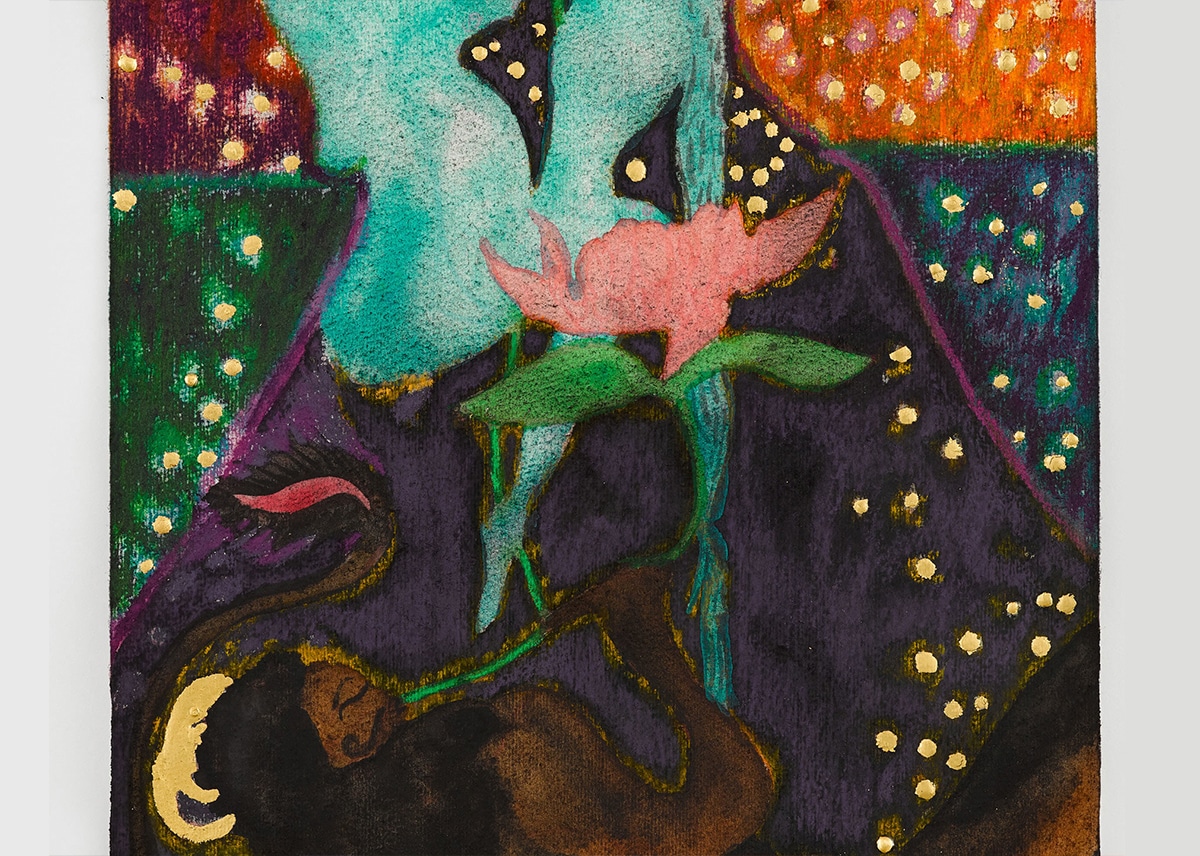
Haunting the Black Air
Poetic freedom across space and time
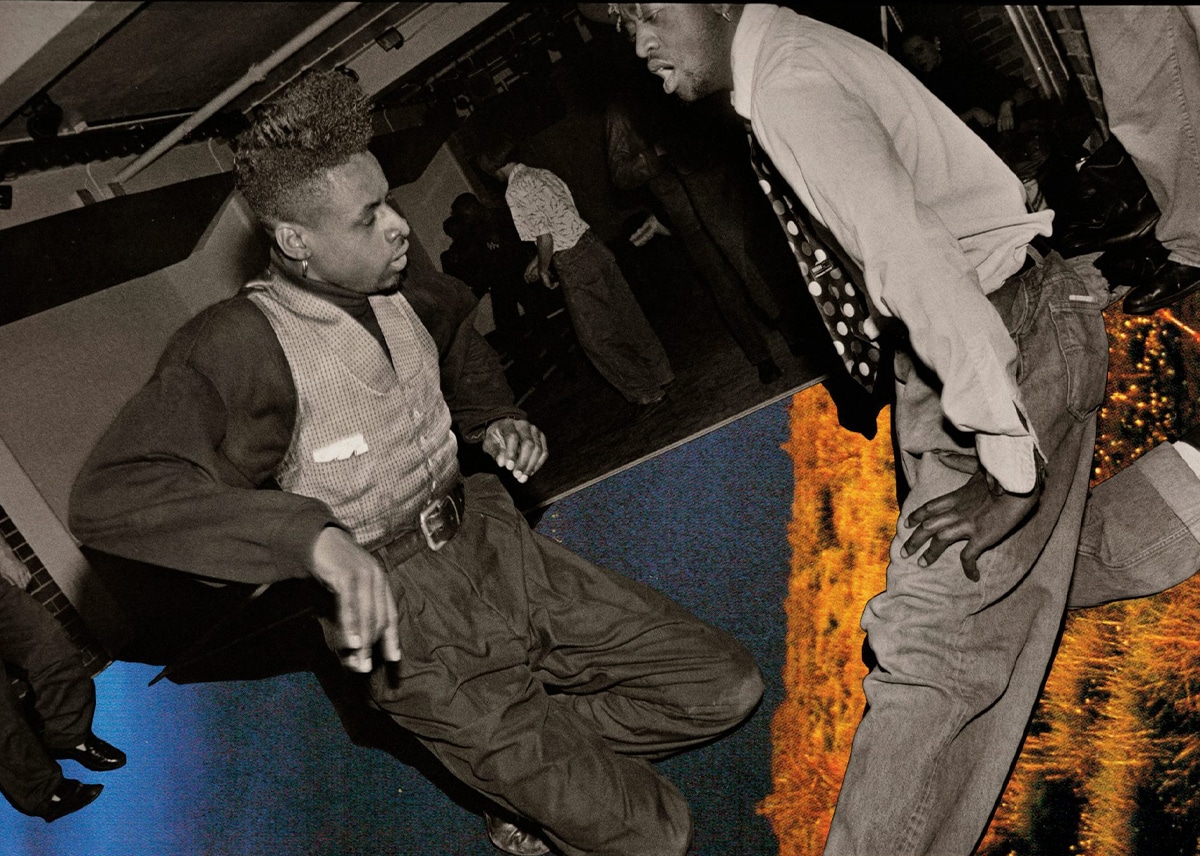
The Disappearers
A sprawling visceral experience that drops you in head first
The Lady Imam
Is the world ready to catch up with amina wadud?

It’s being published I get paid for; the writing I would do for free
‘Any advance [...] for your novel is to compensate you for the horrors of being published'
Complex antihero: an interview with Arthur Hughes
Unravelling Authur Hughes' Richard III
Marlon James: a Jamaican reckoning
'A return to a home I barely knew'



Illuminating, in-depth conversations between writers.
Listen to all episodes
SpotifyApple Podcasts
Amazon Music
YouTube
Other apps

The series that tells the true-life stories of migration to the UK.
Listen to all episodes
SpotifyApple Podcasts
Amazon Music
YouTube
Other apps
WritersMosaic interrogates the notion of ‘staying in your lane’ by asking writers how they attempt to think beyond the parameters of their cultural identity.
Listen to all episodes
SpotifyApple Podcasts
YouTube