
The Tragedy of Macbeth

Directed by Joel Coen
Apple TV+
Reviewed by Colin Grant
If only Macbeth (Denzel Washington), fresh from battle in which the enemies of King Duncan have been put to the sword, had listened more closely to the witch (Kathryn Hunter) whom he meets at the start of The Tragedy of Macbeth. With indecipherable menace, she had conjured his future – a death foretold.
The popularity of the play Macbeth rests on its universal and timeless themes – jealousy, delusion, guilt, revenge and murder. In a 2015 film version directed by Justin Kurzel, Michael Fassbender and Marion Cotillard were paired in an explicit, full-throttle blood fest; now Washington and Frances McDormand step forward into the role of the toxic couple. The Tragedy of Macbeth, directed by Joel Coen, is a much more restrained version than Kurzel’s, though you won’t be surprised to learn that the outcome remains the same.
Tonally, the black-and-white film is close to German expressionism, bathed in a harsh light that gives everything a metallic appearance as if painted in shades of silver. The sharp shadows evoke the kind of eerie atmosphere captured in the surrealist Giorgio de Chirico’s painting ‘The Enigma of the Arrival and the Afternoon’, occasionally obscured by a lingering ground fog that adds to the unsettling, haunted quality of the surroundings. Nothing will grow in such an environment, except perhaps a resolve for vengeance.
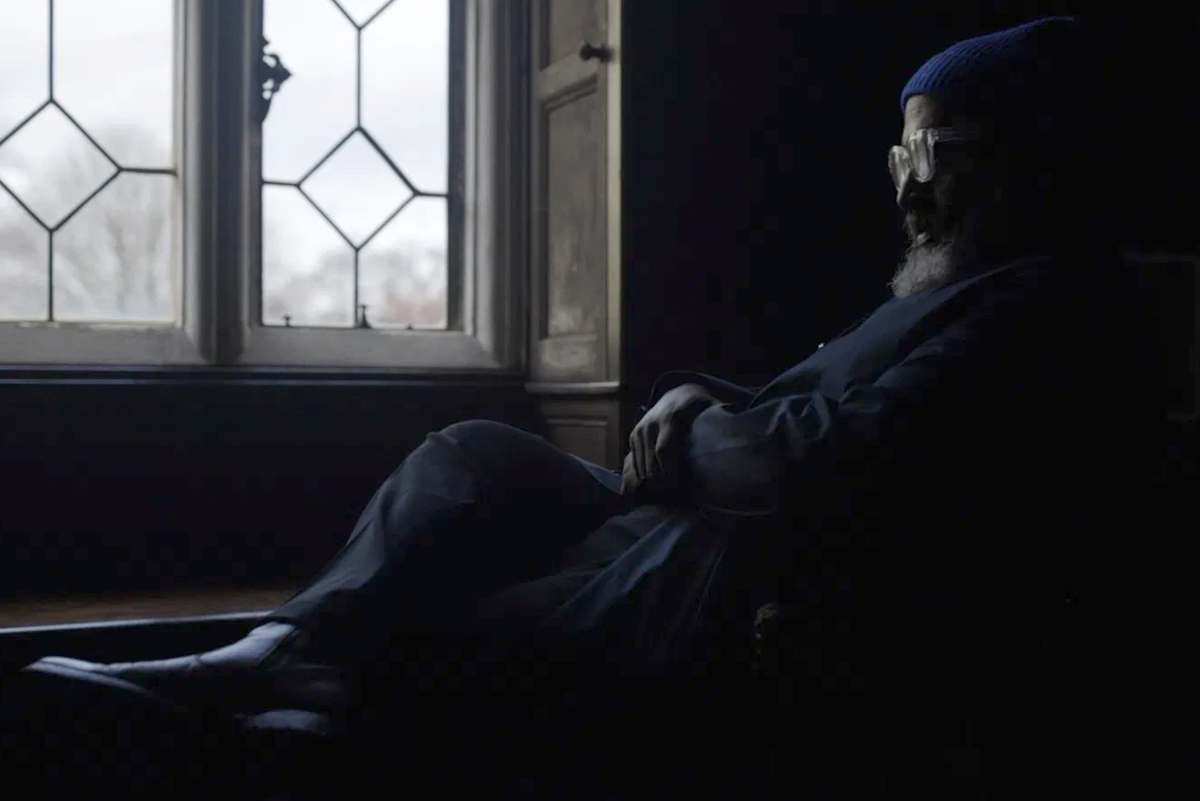
Denzel Washington plays Macbeth as a languorous killer. The conviction expressed in Macbeth’s soliloquy in which he considers assassinating the king – “‘If it were done when ’tis done, then ’twere well / It were done quickly’” – is not borne out by his brooding hesitancy. He’s weary and only reluctantly picks up the poisoned chalice placed in front of him by his calculating wife.
In performance, McDormand and Washington inhabit a theatrical past that is difficult to locate; though their acting technique is modern, it’s grounded in gravitas that seems ancient. Other cast members, though, can’t quite shake off their contemporary acting style, like young adults whose baby fat still clings to their faces. The contrast between them and the two leads is stark. Frances MacDormand, excellent as ever, brings a steely sharpness to her role. Lady Macbeth, as hostess and midwife of ghoulish plans, delights in flitting between charming superiority and veiled irritation at others’ inferiority. There is no child in the lives of this malevolent couple; insincere mischief is their offspring.
The interior of their lives is rendered in the intimacy of the shots and the closeness of the microphones, so that it appears you are both hearing them out loud and eavesdropping on their thoughts. Lady Macbeth, spitting feathers, bemoans the imbalance in their intellect and temperament; she has to do all the scheming and joined up thinking for both of them.
Finally, her husband, though wavering, is convinced. His is the entitlement of one long taken for granted, a dog whose master (King Duncan) has occasionally thrown him a bone. But when Macbeth takes his dagger and slowly pushes it into the king’s neck, he kills him not out of malice but out of inevitability, buoyed in his intention by the witch’s prophecy that he will be king.
Despite the brilliance of McDormand and Washington, it’s the virtuosic performance of Kathryn Hunter as the witch that will linger long after the credits roll. She’s a black-caped creature, knotted and twisted like a contortionist, who can walk on her hands. In past stage productions with Theatre de Complicité, Hunter has been a great exponent of physical theatre; here she hops about like a bird with a broken or deformed wing, navigating a landscape drowned in oil-like pools. Her prophecies emerge from cracked lips and a rasping, curdling voice; her malignancy is amplified when, at one moment, she is transformed magically into triplicate – not one witch but three. Later in the film, she reappears, perched raven-like in the rafters of Macbeth’s castle, emitting a terrifying squall of foreboding.
Macbeth is mistaken in his belief in his own invincibility, and that comes as a relief. Especially now, as in past times of strife, there are lessons and comforts to be drawn from the denouement of the play and film. Listen carefully, and you can hear it echoed in Dr Martin Luther King’s heartfelt assertion: “We shall overcome because the arc of the moral universe is long but it bends toward justice.”

The best books of 2025
Literary highlights of 2025, from Arundhati Roy's memoir Mother Mary Comes To Me to Sarah Howe's poetry collection Foretokens Flesh

Promised Sky
A textured, unassuming and heart-breaking story of immigrant women facing the rising forces of xenophobia and racism in Tunisia
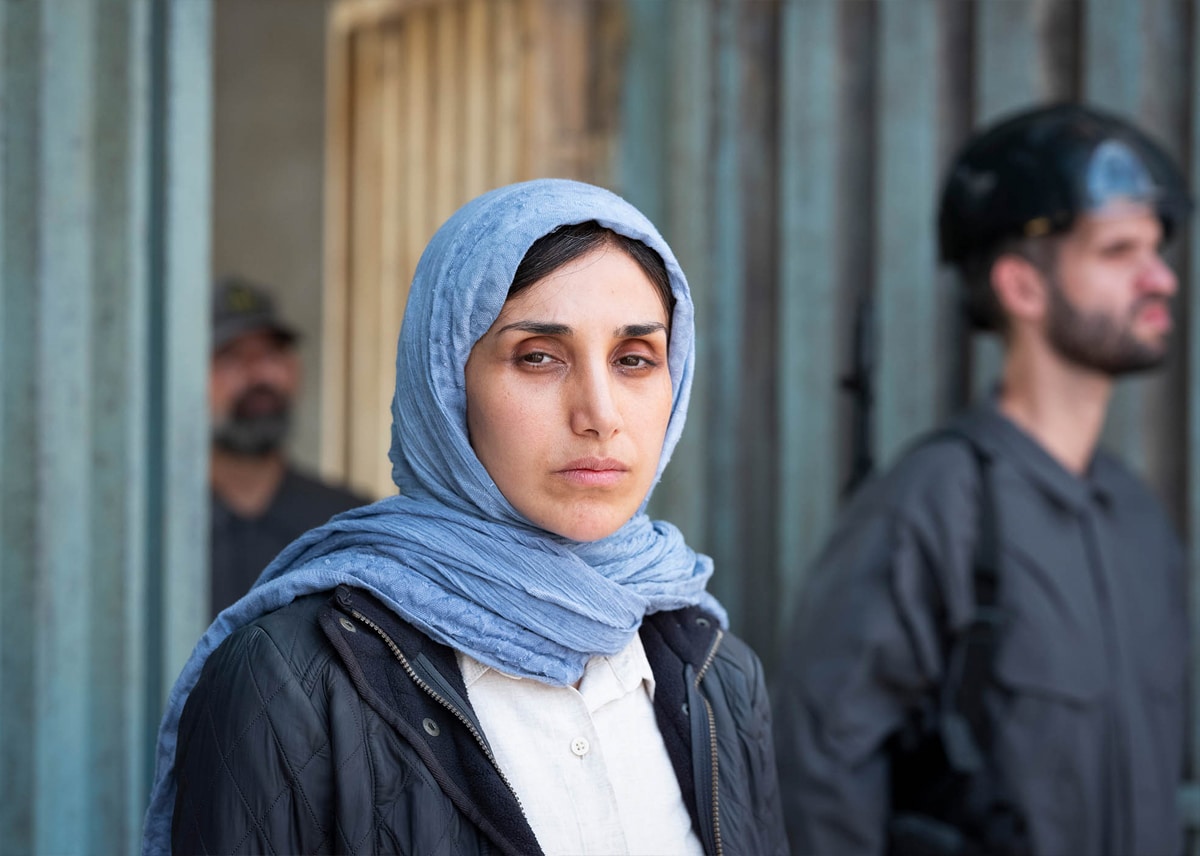
Prisoner 951
A quietly devastating miniseries based on the six-year ordeal of Nazanin Zaghari-Ratcliffe in the Iranian regime's prisons


Poetry Africa
A cornerstone of South Africa’s literary and performance scene celebrating voices from across the continent

Mos Def & writers who inspired me
Discovering Mos Def led to an unfolding of the written word in rap, literature, non-fiction and poetry

Soft soft: listening to birds in Baiso
My purpose in Baiso, Italy: eat well and write more elegies about birds.

Reggae Story
Hannah Lowe reads her poem, 'Reggae Story' inspired by her Jamaican father, Chick. Directed by Matthew Thompson and commissioned by the Adrian Brinkerhoff Poetry Foundation.
The City Kids See the Sea
Roger Robinson reads his poem, 'The City Kids See the Sea'. Directed by Matthew Thompson and commissioned by the Adrian Brinkerhoff Poetry Foundation.

Illuminating, in-depth conversations between writers.
Listen to all episodes
SpotifyApple Podcasts
Amazon Music
YouTube
Other apps

The series that tells the true-life stories of migration to the UK.
Listen to all episodes
SpotifyApple Podcasts
Amazon Music
YouTube
Other apps
Afro-Caribbean writer Frantz Fanon, his work as a psychiatrist and commitment to independence movements.
Listen to all episodes
SpotifyApple Podcasts
YouTube
A six-part audio drama series featuring writers with provocative and unexpected tales.
Listen to all episodes
SpotifyApple Podcasts
YouTube