
Promised Sky

Directed by Erige Sehiri, 2025
Promised Sky, the third feature film from director and co-writer Erige Sehiri, explores a few weeks in the lives of three black African women living together in present-day Tunis, Tunisia. They immigrated for a better life, but are still struggling to establish themselves in a country increasingly hostile to their presence. The film opened the Un Certain Regard section at the Cannes film festival, attesting to its resonance in this moment in history.
It’s a textured, unassuming, heart-breaking story of immigrant women facing the unjust and looming forces of xenophobia and racism. The story is familiar and yet told with a fresh intimacy and depth of characterisation. Sehiri paints vivid portraits of the women, each of whom are vibrant, flawed individuals, who dream of a life beyond the bounds of their immigration status.
Marie (Aïssa Maïge) is a pastor and leader in their West African community. Maïge plays her with grace, pride, and repressed fear. Marie offers guidance, support and solace to newly arrived migrants, many of whom are living in a tenuous economic and social position. She also serves as a matriarch to the two women living with her. Her character is persevering and vulnerable, wise and judgmental.
Then there is Jolie (Laetitia Ky), a young student who recently arrived on a student visa. Jolie’s father has entrusted her to Marie’s care. As she finds her way in the world, she wants to be free of Marie’s watchful eye, to socialise like any other student, to excel in her challenging studies, and to not be weighed down by immigration concerns. Her youthful defiance is bristling and yet relatable; we can empathize with her desire for real freedom.
Naney (Debora Lobe Naney), is a comic-tragic figure in the same house; she has no visa, no viable status and poor financial prospects. Unable to get a job, she hustles with a native Tunisian acquaintance to smuggle alcohol and sell black-market goods. Lobe Naney plays Naney with a brash, funny energy, a cheeky survivor with flashes of pain behind her eyes.

Her presence is magnetic, from her sparkling dresses to her bursts of anger. Her reckless actions are driven by trauma and necessity.
Rather than showing a saintly suffering, or the tropes of strong black women, these characters’ flaws and strengths are on display. They react with different defences to the threats around them, and the power dynamics between them are complex.
Critically, the driving conflict of the film circles around an immigrant child who is rescued from a capsized migrant boat. The women in Marie’s household must decide if they will continue to take care of this child or hand her over to the state. They are torn between the potential threat of the state and a desire to shield that child from the state, as well as the possibility they are putting the child in a more precarious position by caring for her.
The film drops us into a period of rising tensions around immigration in Tunisia. This threat is effectively conveyed in news reels played off phones, hushed conversations with fellow immigrants, the passing police van. Sehiri has a rich, naturalistic approach. She shot on location in Tunisia, mirroring real life news events, and everyday stories she learned from locals. Incorporating actors and non-actors, she also wove in events as they played out in real time around her. Everything, from news stories to fights that broke out on the street while they were filming, was incorporated into the film. The audience is viscerally reminded of the anti-immigrant sentiment rising across the world, as well as ICE raids terrorising American communities.
The film can be, perhaps, too subtle at times. Its flowing, patchwork style of storytelling is organic but sometimes disconnected. The story of the child at the centre of the film is more of a pivot point for the three women, a symbolic dilemma, rather than a fully fleshed out arc.
What the film captures, though, in soft and moving notes, is the dynamic between women in a surrogate family, as well as the dehumanizing aspects of immigrant life.
WritersMosaic monthly
Get new reviews in your inbox
One email monthly, unsubscribe anytime
The Disappearers
A sprawling visceral experience that drops you in head first
The Lady Imam
Is the world ready to catch up with amina wadud?
Pressure
What's missing from the latest 'untold story behind D-Day'?


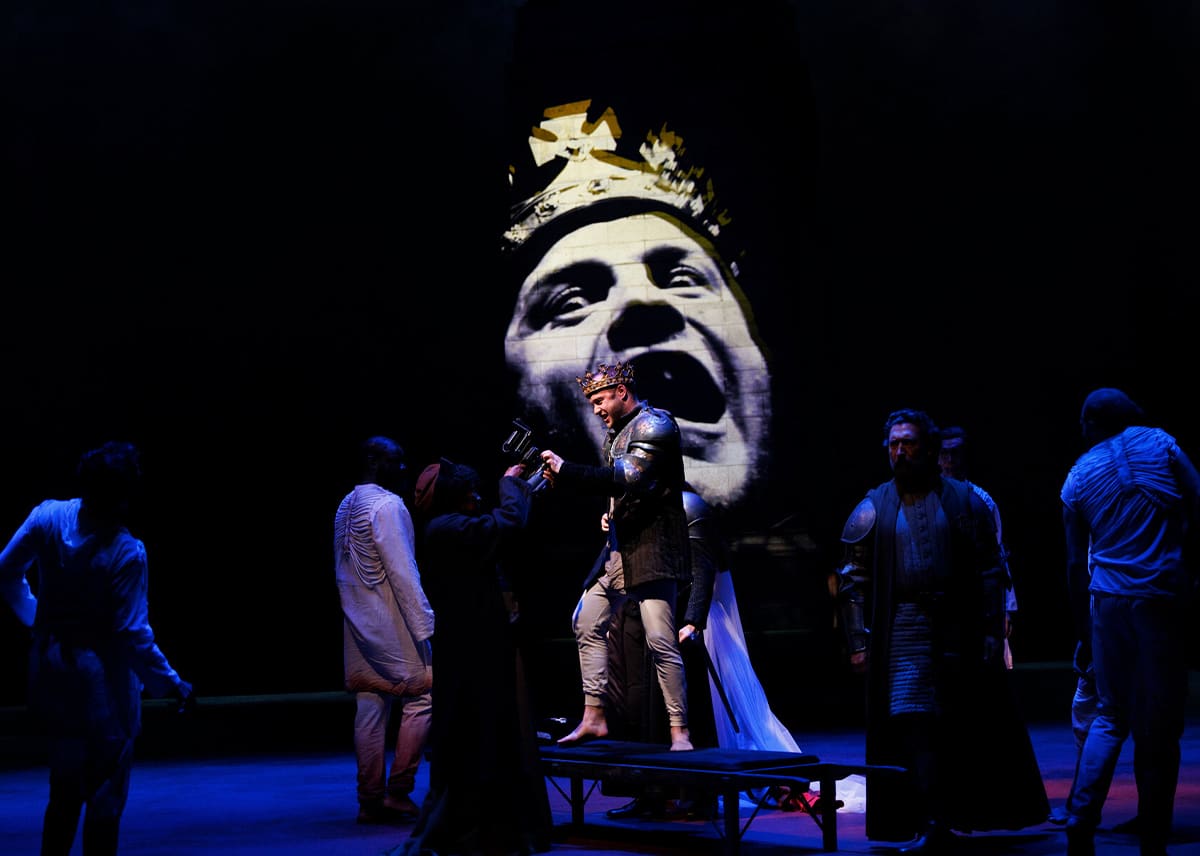
Complex antihero: an interview with Arthur Hughes
Unravelling Authur Hughes' Richard III
Marlon James: a Jamaican reckoning
'A return to a home I barely knew'
The name of this wallpaper is ‘Childhood’
A luminescent bubble of memory


Illuminating, in-depth conversations between writers.
Listen to all episodes
SpotifyApple Podcasts
Amazon Music
YouTube
Other apps

The series that tells the true-life stories of migration to the UK.
Listen to all episodes
SpotifyApple Podcasts
Amazon Music
YouTube
Other apps
WritersMosaic interrogates the notion of ‘staying in your lane’ by asking writers how they attempt to think beyond the parameters of their cultural identity.
Listen to all episodes
SpotifyApple Podcasts
YouTube