
Prisoner 951

Dancing Ledge Productions/BBC TV, 2025
The four-episode miniseries Prisoner 951, based on the six-year ordeal of Nazanin Zaghari-Ratcliffe in Iranian prisons, is a harrowing and quietly devastating work. Directed by Philippa Lowthorpe and starring Narges Rashidi and Joseph Fiennes, it reconstructs the events with astonishing restraint and clarity, managing the rare feat of building unbearable tension from a story whose facts are already widely known.
From the outset, we are plunged into a world of disorientation and containment. Through tight framing, echoing corridors, and sterile interview rooms, the series conjures the suffocating psychology of arbitrary detention. Beneath every image lies a low-frequency dread: the sense that what is happening defies logic and can therefore escalate without warning.
The story begins with the seemingly minor problem of a passport irregularity at the airport and the refusal to let Nazanin board her flight. But this small obstruction rapidly unravels into a Kafkaesque nightmare, culminating in a charge as grave as ‘attempting to overthrow the regime’. Along the way, the viewer is drawn into a slow, claustrophobic descent into a system where meaning is always deferred and where nothing is ever what it seems.
At the same time, the series excels in capturing the regime’s rigid and punitive logic through small, seemingly insignificant moments. One of the most telling scenes comes early on. After Nazanin protests that she was supposed to be home hours ago, the low-ranking female officer escorting her to her cell snaps, ‘Well, so was I. But because of you, I had to stay!’, sounding more like someone owed an apology than a prison guard doing her job.
Rashidi plays Nazanin with a composure that gradually fractures. Her performance is taut, exhausted, understated. Refusing to offer melodrama, she captures the stupefaction of a person caught in a system that refuses to name its rules. One visual detail is hard to ignore: the version of Nazanin we see on screen has noticeably darker skin than the real Nazanin Zaghari-Ratcliffe. This could have been corrected by makeup, lighting, or colour grading, but the effect is telling. It reflects a troubling visual instinct in Western media: to render those marked as ‘foreign’ more visibly Other, even when they are citizens. It’s as if political victimhood, to be legible, must also look suitably non-Western.
The interrogators are grimly familiar: self-important, under-educated, drenched in casual misogyny. One line, ‘Fix your hijab’, is repeated not as religious instruction but as a disciplinary command. It is a way of forcing submission, of reminding her constantly that she has no agency over her own body, time, or fate.
The emotional arc of the series is a kind of descent. A rollercoaster, yes, but one that mostly hovers near the bottom: flickers of hope, then deeper chambers of despair. At times the viewer might have to pause the screen, leave the room, find a way to quiet their own mind. At other moments, the tears can come uninvited. It is overwhelming – not just the injustice, but its ordinariness. Its banality.
Joseph Fiennes is quietly brilliant as Richard Ratcliffe, the husband who fights the case from London. At one point he says, ‘I feel like I’m fighting two governments, the Iranian one and my own.’ Prisoner 951 does not shy away from implicating the UK. In fact, one of the most chilling sequences involves real archival footage of Boris Johnson who, 18 months into her imprisonment, falsely states in Parliament that Nazanin had been in Iran ‘training journalists’. A line that was not only untrue, but actively dangerous. Once again, it became clear that the nation represented in the film by Richard and his family deserves better politicians, and probably better journalists than it had.
Prisoner 951 raises difficult questions about the structures we call diplomacy, the meaning of citizenship, and the terrifying loneliness of migrants whose pain is administratively inconvenient. In some ways, Nazanin became stateless, not in law but in care. She was neither fully British nor fully Iranian. Perhaps the most excruciating part of her experience was that, in the eyes of power, she never truly belonged to either nation.
It is almost impossible to make a compelling drama out of a story that offers no surprises. And yet Lowthorpe and her team succeed, not because of plot twists but because of their careful, human treatment of the unbearable. Evil is not a surprise in this story. The surprise is how long it is allowed to stretch.
The series ends not with triumph, but with something quieter: survival. A woman walks out of a machine that tried to break her, and did not succeed.

WritersMosaic monthly
Get new reviews in your inbox
One email monthly, unsubscribe anytime
Haunting the Black Air
Poetic freedom across space and time
The Disappearers
A sprawling visceral experience that drops you in head first
The Lady Imam
Is the world ready to catch up with amina wadud?
It’s being published I get paid for; the writing I would do for free
‘Any advance [...] for your novel is to compensate you for the horrors of being published'
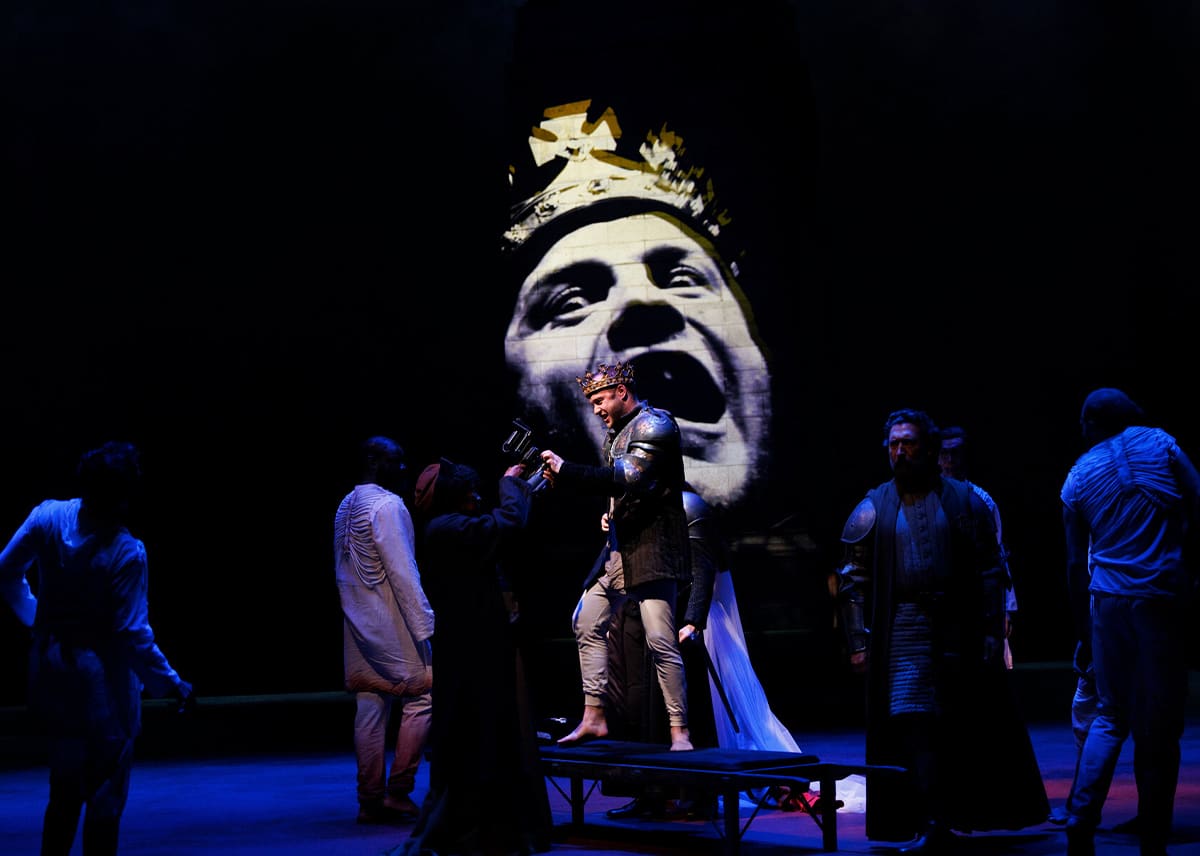
Complex antihero: an interview with Arthur Hughes
Unravelling Authur Hughes' Richard III
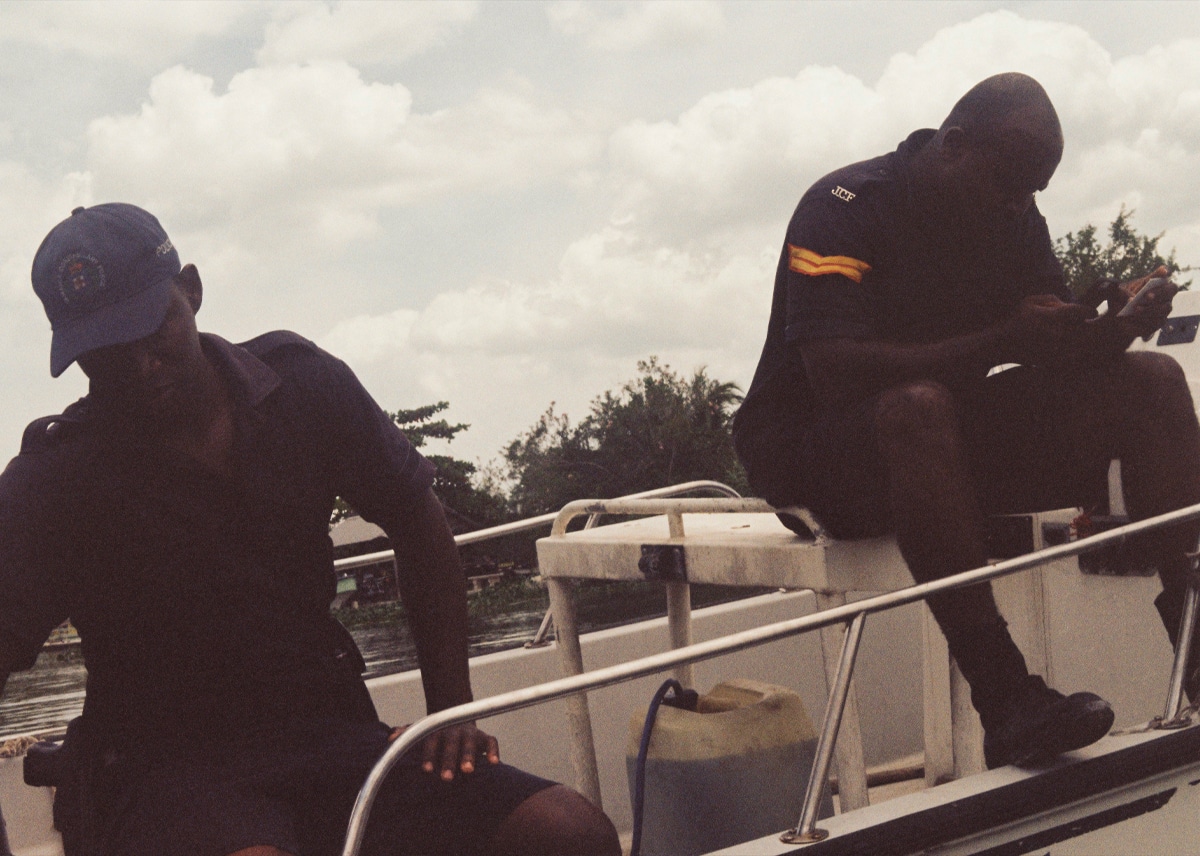
Marlon James: a Jamaican reckoning
'A return to a home I barely knew'


Illuminating, in-depth conversations between writers.
Listen to all episodes
SpotifyApple Podcasts
Amazon Music
YouTube
Other apps

The series that tells the true-life stories of migration to the UK.
Listen to all episodes
SpotifyApple Podcasts
Amazon Music
YouTube
Other apps
WritersMosaic interrogates the notion of ‘staying in your lane’ by asking writers how they attempt to think beyond the parameters of their cultural identity.
Listen to all episodes
SpotifyApple Podcasts
YouTube