
Dispatches From The Diaspora

Gary Younge
Faber (2023)
Review by Suzanne Harrington
If you were to have a dream dinner guest, it would be author, academic and former journalist Gary Younge. Nobody has stories like his. He has covered: ‘six UK general elections, seven US presidential elections, the Occupy Wall Street movement, the Tea Party and Brexit, commented on the wars in Bosnia, Iraq and Libya, the Arab Spring, migration, gay rights, terrorism, Islamophobia, feminism, anti-Semitism, economic inequality, social protest, guns, knives, nuclear weapons …. and why children love spaghetti.’ His scope is breathtaking, his address book even more so.
This collection of Younge’s journalism – spanning from 1994 to 2020 – is primarily about people. Black lives from across the US, the UK, Europe, the Caribbean, parts of Africa. In crystal clear, uncluttered prose, he elevates us to his own eye-in-the-sky perspective, to meet people and hear their stories, some interwoven with his own. From global events like the elections of Mandela and Obama to the aftermath of Hurricane Katarina to a racist woman shouting at his small child in a US playground, Younge reports back. He analyses Obama’s legacy, what went wrong with Robert Mugabe, the aftermath of Stephen Lawrence’s murder, the origins of the Notting Hill Carnival, Boris Johnson’s white privilege, the meaning of rioting, the birth of Black Lives Matter, and more.
Precise, astute, and humane, Younge has a vivid eye and sharp ear for detail, never more so than when he is interviewing. John Carlos, the athlete who made the Black Power salute at the 1968 Olympics in a gesture that predated Colin Kaepernick by almost half a century, describes a silence amid the 50,000 spectators so awful: ‘You could have heard a frog piss on cotton.’
Stormzy, an ‘organic intellectual’, provides: ‘the story not of a musician who is getting into politics, but of politics coming out of a musician.’ Stormzy remains modest: ‘I’m not fucking Gandhi.’ And Maya Angelou sounds like a hoot, as she and Younge drink whiskey in the back of her limo. ‘I agree with Balzac and nineteenth-century writers, black and white,’ she laughs. ‘I write for money.’ She could, she says: ‘fall in love with a Sumo wrestler if he told stories and made me laugh. I think I belong wherever human beings are.’
One of the most powerful interviews is with Claudette Colvin, erased from history by what Younge terms the ‘pigmentocracy of the [US] South.’ In March 1955, this ‘dark, clever, angry’ fifteen-year-old – who said in tenth grade she wanted to be President when she grew up – refused to give up her bus seat for a white person in Montgomery, Alabama, nine months before Rosa Parks. She was arrested, and thought she might be killed by the police; in custody, she silently recited Edgar Allen Poe, Shakespeare, psalms. On her release, she was regarded unsuitable as a figurehead for the civil rights movement – pregnant after a statutory rape, she was also deemed too dark-skinned. Too black. ‘She was a fallen woman,’ writes Younge. ‘She fell out of history altogether.’ Thanks to his meticulous retelling, we get to hear her story, and more like hers. His mother, who politicised him but died before seeing his work, would be proud.
https://www.faber.co.uk/product/9780571376827-dispatches-from-the-diaspora/
WritersMosaic monthly
Get new reviews in your inbox
One email monthly, unsubscribe anytime

Shine Your Eye
A no-holds-barred account of travels through West Africa
The Immortalists
What would you be willing to do to ensure eternity?
Driftwood
A play carrying diasporic memory and political weight
From Fruity to Raffell
A retreat of solitude, community and creative stimulation
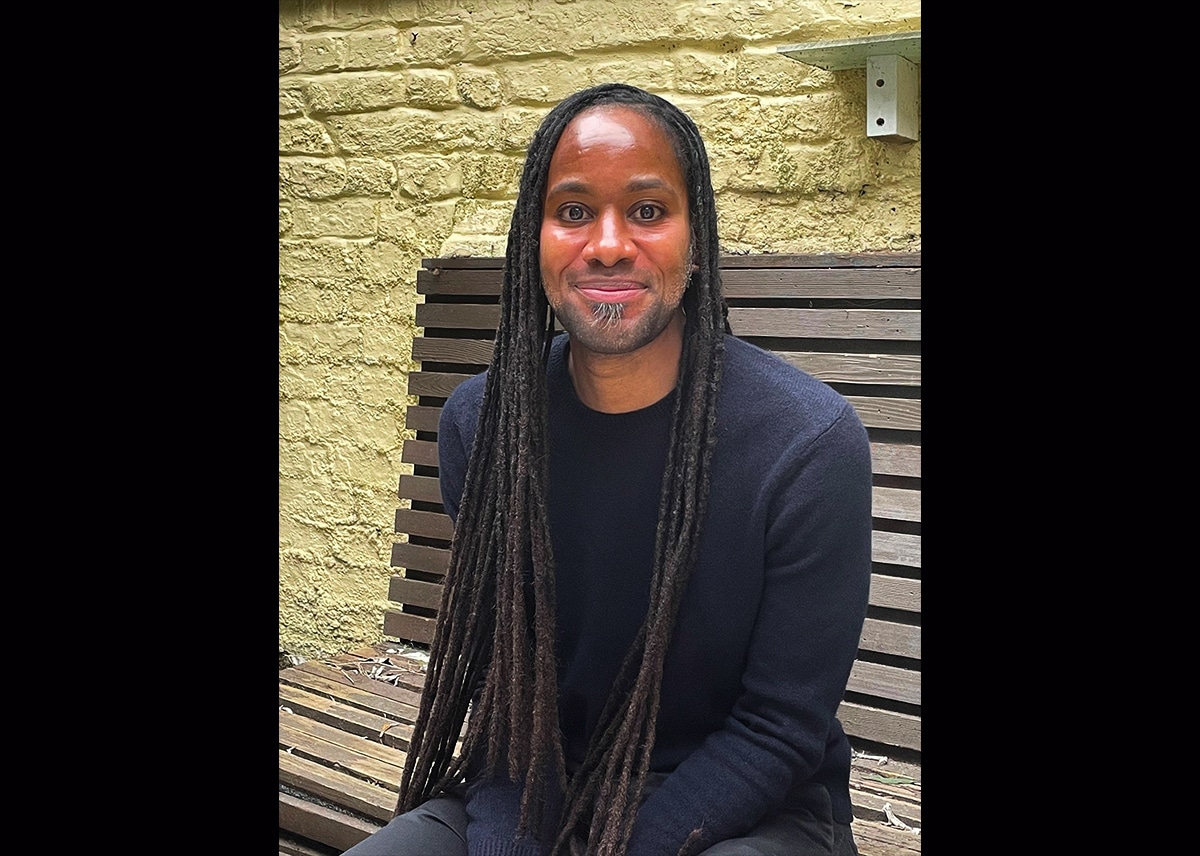
Jason Arday (9 May, 1985 – 14 August, 2026)
WritersMosaic reflects on the life of Jason Arday
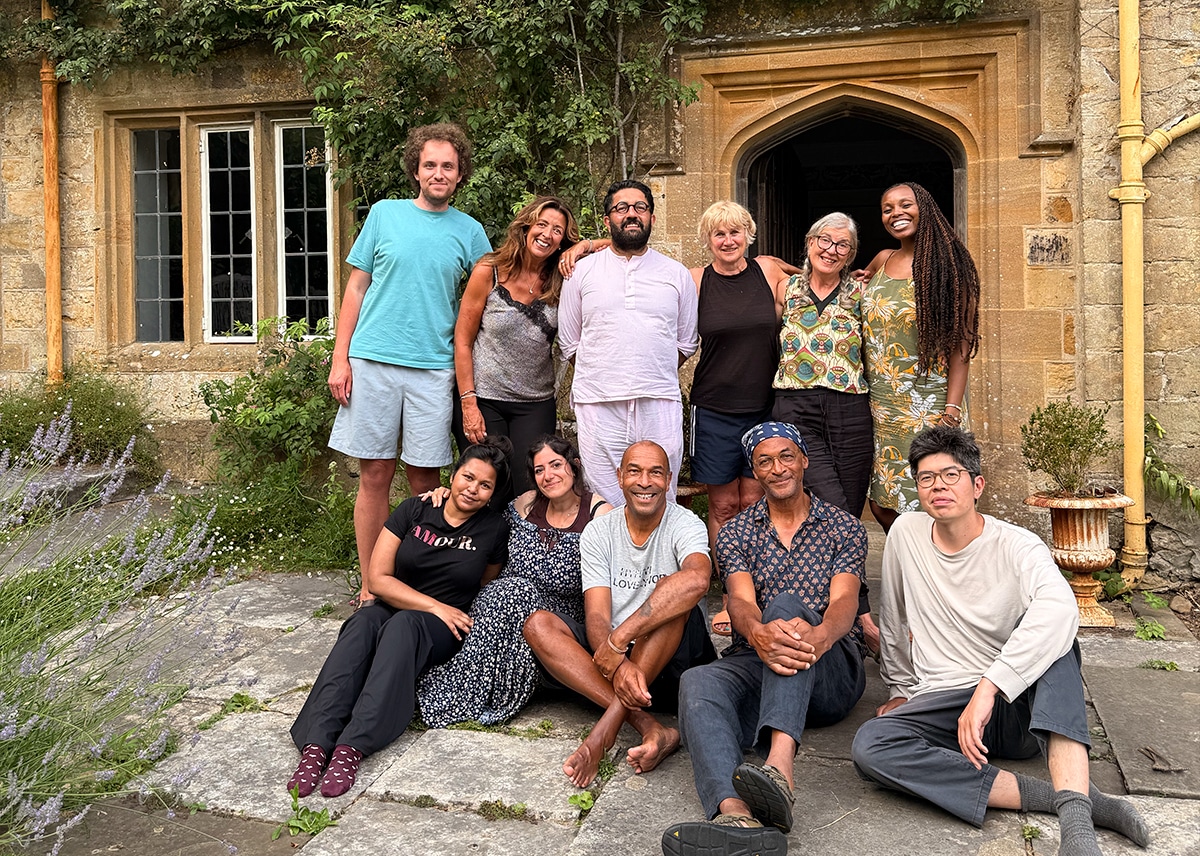
Inside the WritersMosaic Literary Residency
'The sea was crystal clear, the weather was perfect and my pink toenails shimmered beneath the transparent water'

Free Will
Will Harris reads his poem, 'Free Will'. Directed by Matthew Thompson and commissioned by the Adrian Brinkerhoff Poetry Foundation.

Half Written Love Letter
Selina Nwulu reads her poem, 'Half Written Love Letter'. Directed by Matthew Thompson and commissioned by the Adrian Brinkerhoff Poetry Foundation.

Illuminating, in-depth conversations between writers.
Listen to all episodes
SpotifyApple Podcasts
Amazon Music
YouTube
Other apps

The series that tells the true-life stories of migration to the UK.
Listen to all episodes
SpotifyApple Podcasts
Amazon Music
YouTube
Other apps
Nine writers explore the elusive emotional truth behind narratives and storytelling.
Listen to all episodes
SpotifyApple Podcasts
YouTube