Between Worlds
The Outlier: Michael Madhusudan Dutt


As a writer, I sometimes find myself possessed by a literary figure, or a literary moment, and cannot break the spell until I have paid some form of homage, some tribute, to acknowledge the deep and lasting impact that the encounter has had on me.
It was more than a decade ago that I reviewed two books on the nineteenth-century Bengali poet and dramatist Michael Madhusudan Dutt for Uma Iyengar at The Book Review journal. These were a biography, Lured By Hope, and The Heart of a Rebel Poet, a volume of his letters with commentary, both by Ghulam Murshid.
In that long ago review, I wrote that Michael Madhusudan Dutt was a romantic poet by instinct and persuasion. These twin volumes portray and expose the ragged contours of his extraordinary life… The conflicts, both internal and social, that dogged him with such notoriety were in time to become emblems of the clash of Indian and Eurocentric cultures.
I had already at that time made a sankalp, a private resolve, that I would, someday, somehow, write about Dutt. And now, in 2020, my friend and long-time collaborator Dr Malashri Lal and I have published a play, titled Betrayed By Hope, on this compelling figure and the intensity and tragedy of his short life.
Dutt was born in 1824 into a wealthy Calcutta family. His youthful rejection of his Hindu roots, and his conversion to Christianity, marked the beginning of a voyage of tumultuous self-discovery. In 1849, he published the long poem ‘The Captive Ladie: (an Indian Tale) in Two Cantos’. There was a favourable review in the Atheneum of Madras, but The Bengal Hurkuru of Calcutta rated it as ‘fair amateur poetry’ and urged him to write in his own language.
Michael Madhusudan Dutt continued to write prolifically in English, and then, after his return from Madras to Calcutta in 1856, in Bangla. He was destined to become the visionary catalyst who leavened the traditions of Bangla literature with the gift of tongues. A true polyglot with a knowledge of Bangla, Sanskrit, Urdu, Persian, Tamil, Telugu, Greek, Latin, German, French, Italian and English, his sharp erudition and knowledge of the European classics and mythology transformed the literary sensibility of his mother tongue. He brought blank verse, and the epic and sonnet forms, to Bangla. His dazzling range of reference included a sonnet dedicated to Dante, as also poems to the Sanskrit writers Valmiki, Kalidasa and Jayadeva, to Victor Hugo and Tennyson, and to his fellow Bengalis, Iswar Chandra Vidyasagar and Satyendranath Tagore.
He suffered the tragedy of being ahead of his times in his cosmopolitan scope. His personal and financial life teetered on the brink of multiple betrayals, and he died a broken man in 1873. His journey of alienation, and a return to his roots, is one many writers have travelled before and after him, and mirrors the rites of passage of other poets and dreamers with fractured cultural identities. He penned his own epitaph, ‘Stand still, O passer-by, if you were born in Bengal…’ and he lies buried in Lower Circular Road Cemetery in Kolkata. Our play, Betrayed By Hope, pays tribute to his restless spirit and Promethean life.
© Namita Gokhale
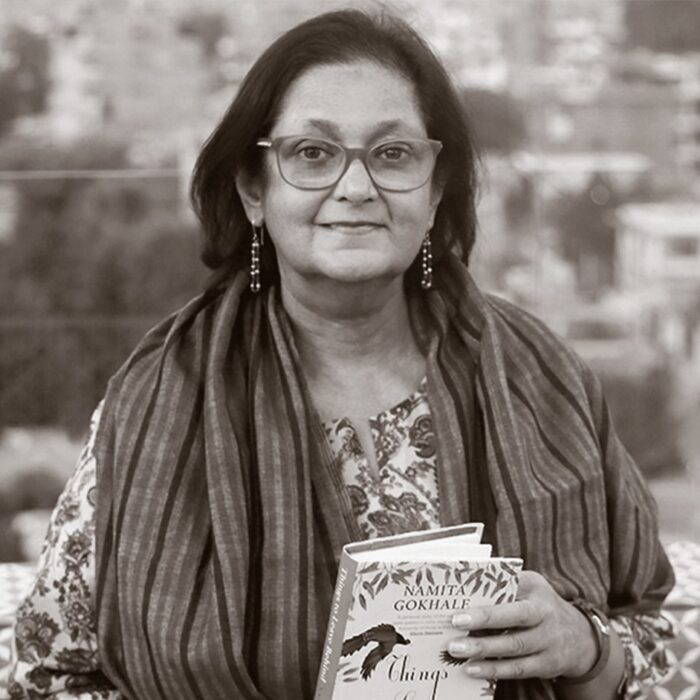
Namita Gokhale
Namita Gokhale is a writer, publisher, and a founder and co-director of the Jaipur Literature Festival.
Between Worlds

Between worlds
Bashabi Fraser

Opposites Attract
Debjani Chatterjee

Betweenness: belonging and becoming
Nalini Paul

To pin the wings of the butterfly
Suhayl Saadi

The torn worlds basted through my poems
Yogesh Patel

Price of emigration
Tariq Latif

A journey through houses of worship in Scotland
Bashabi Fraser & Hermann Rodrigues
WritersMosaic monthly
Get new episodes by email
One email monthly, unsubscribe anytime

Illuminating, in-depth conversations between writers.
Listen to all episodes
SpotifyApple Podcasts
Amazon Music
YouTube
Other apps

The series that tells the true-life stories of migration to the UK.
Listen to all episodes
SpotifyApple Podcasts
Amazon Music
YouTube
Other apps
WritersMosaic interrogates the notion of ‘staying in your lane’ by asking writers how they attempt to think beyond the parameters of their cultural identity.
Listen to all episodes
SpotifyApple Podcasts
YouTube




It’s being published I get paid for; the writing I would do for free
‘Any advance [...] for your novel is to compensate you for the horrors of being published'
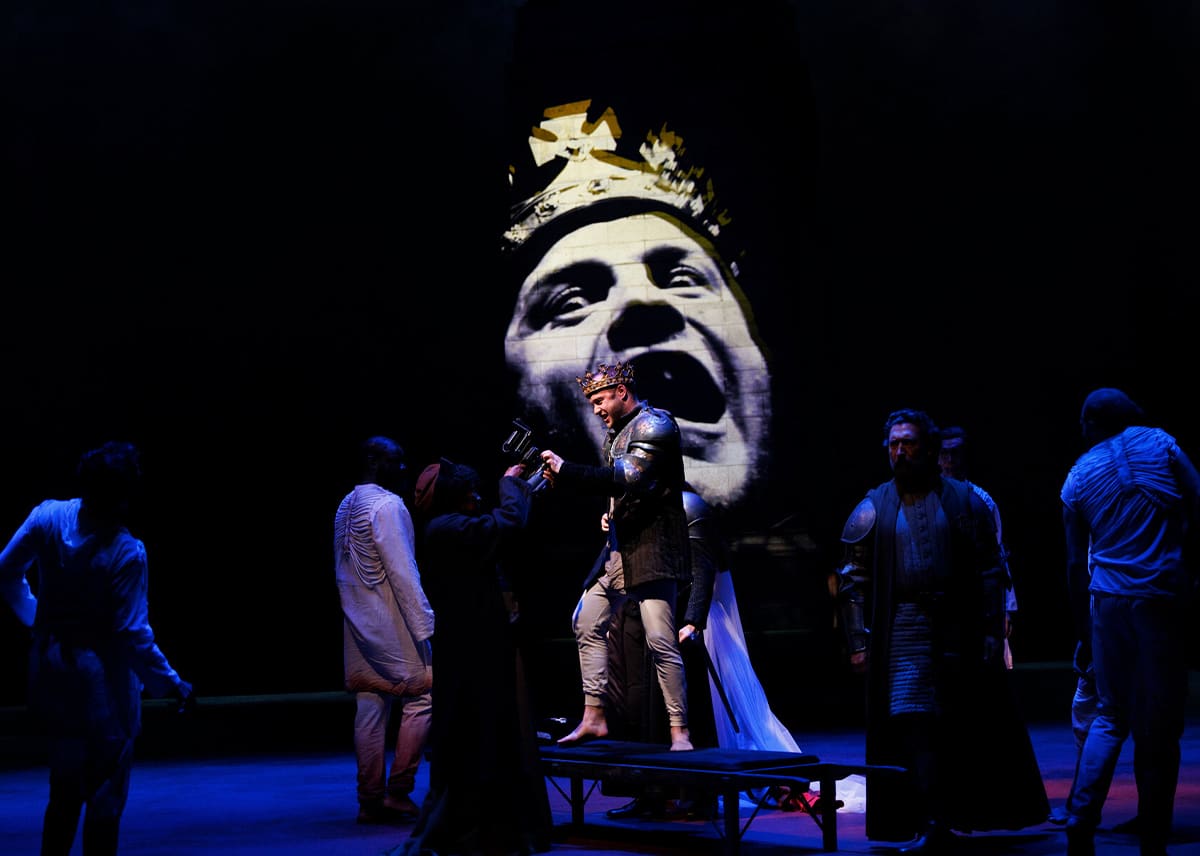
Complex antihero: an interview with Arthur Hughes
Unravelling Authur Hughes' Richard III

Marlon James: a Jamaican reckoning
'A return to a home I barely knew'



Haunting the Black Air
Poetic freedom across space and time
The Disappearers
A sprawling visceral experience that drops you in head first