
The Persians
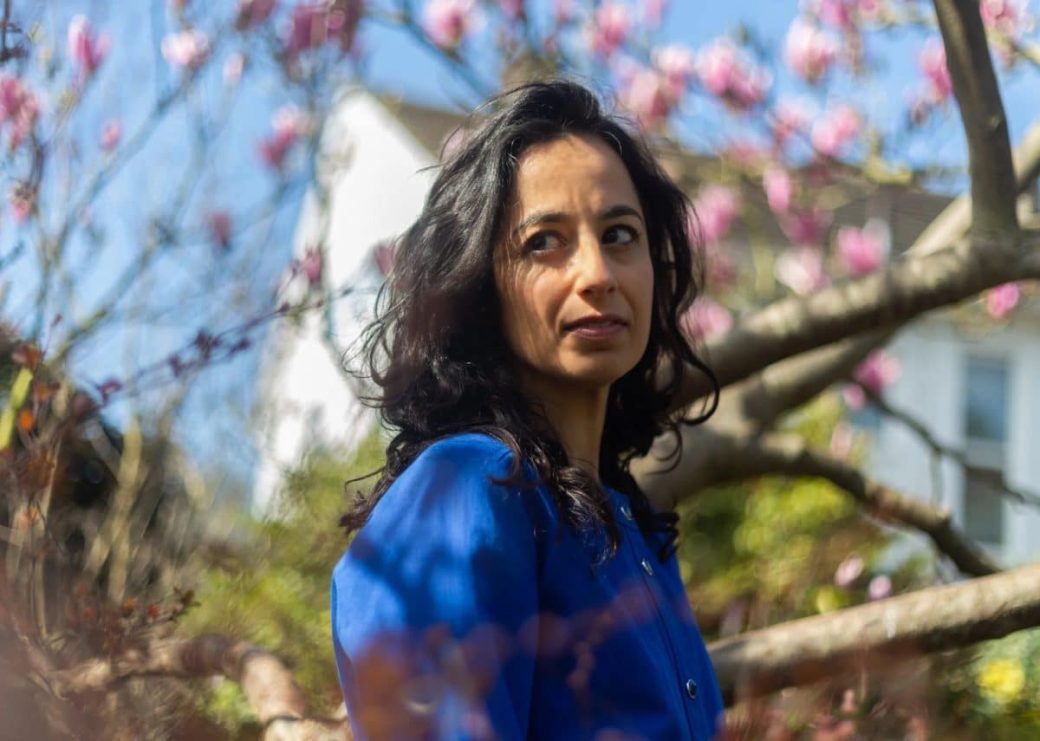
Sanam Mahloudji
4th Estate, 2025
Review by Suzanne Harrington
The Persians gets off to a flying start: ‘For a week it was a nonstop party of drugs and cartoons until an hour ago when I bailed my Auntie Shirin out of the Aspen jail after her arrest for attempted prostitution.’ Here we go, plunged straight into the messy, gilded world of three generations of Valiat women, their lives defined by endless cash but compromised cultural identity; caviar and chaos.
The novel opens with Bita, the first of the five Persians narrating the story, which zips back and forth over seventy years between Tehran, LA (‘Tehrangeles’), Houston, New York and Aspen. Bita is the US-reared daughter of Seema, who died a year earlier. Bita’s maddeningly flamboyant auntie Shirin is Seema’s younger sister.
Shirin also has a daughter, Niaz, who grew up in post-Islamic Revolution Tehran with Shirin and Seema’s elderly mother Elizabeth, named after one of her long dead father’s English lovers. All narrate in the first person, except Elizabeth.
Men don’t feature much, beyond a few peripheral walk-ons – unless of course you count the unseen mullahs who came to power in Iran in 1979 and their impact on the lives of the Valiat women. Running through the text are threads of Iranian 20th century history, deftly woven yet illuminating. And yes, the CIA has a lot to answer for.
The Valiats can trace their lineage – and their money – to their ancestor Babk Ali Khan Valiat, aka ‘The Great Warrior’. In Iran, their name carried similar clout to names like Kennedy or Getty in the US until the Islamic Revolution resulted in an exodus for those who could afford to leave. In America, despite their wealth, the Valiats are anonymous immigrants.
Author Sanam Mahloudji was born in Tehran and raised in LA. Such is the fizz and verve of her storytelling, her absolute assurance in the world she presents, it’s hard to believe this is her first novel. What could easily be a mournful story of loss and forced relocation – at one point Shirin says that they did not come to America for a better life, but left a better life behind – is instead very, very funny. Shades of Patsy and Edina from AbFab.

Shirin is an incorrigible Iranian diva, chain-smoking and guzzling Bloody Marys, and pooh-poohing preposterous police charges against her, to the alarm and exasperation of her law student niece Bita. Threats of deportation are scoffed at, as is American exceptionalism: ‘America was never great.’ Unlike pre-1979 Iran, at least if you were a Valiat, with chauffeurs and minions and little to worry about other than remaining rich and thin. Shirin literally throws money about, hurling $30,000 of jewellery into the Aspen snow. She is comically entitled.
She is also an appalling mother, having learned from her own mother Elizabeth, who grew up in an era when, like the upper-class British, parenting was largely left to the servants. The worst thing a woman could be was fat. Yet for all Elizabeth’s ingrained class snobbery, in her teens she instigated a liaison with a lover of far lower status, an affair which would have life long repercussions. And a remarkable sex scene not quite involving Zimmer frames, but almost.
The narrative belts along, wry and in places laugh-out-loud, yet often poignant as the reality of the five women’s lives, both in Iran and the US, reveals loneliness and unfulfilled potential. Seema, hiking the LA hills, with baby Bita carried by the nanny, longs to be part of a community. In the Hollywood Hills, she cannot find it. The duality of conformity and rebellion, claustrophobic conservatism and anarchic self-sabotage play out in the lives of both Elizabeth and Shirin, as they simultaneously kick against and embrace social hierarchies, vicious gossip, and a terror of scandal.
Niaz and Elizabeth, granddaughter and grandmother, have very different lives in Tehran, their inherited wealth diminished through state confiscation. Niaz cannot relate to the first world problems of her US family, risking her safety, liberty and sanity exploring the underground dance scene in the city, and at one juncture, shares some E with her granny – who is keen on the drug’s appetite-suppressing qualities. The Valiats are nothing if not intergenerational hedonists, bolstered by an almost life-threatening vanity.
When the five generations of women come together for a family reunion centring around Shirin’s court case in Aspen, questions that have been suppressed for a lifetime are finally asked, although there are no neat or conclusive answers – this is no twee American morality tale. The characters are too flawed for that, too human.
WritersMosaic monthly
Get new reviews in your inbox
One email monthly, unsubscribe anytime
Finding Albion
Zakia Sewell's quest to uncover the alternative spirit of the nation

The Odyssey
A story of heroic feats or a reckoning with the barbarity of war?

BEEF season two
A darkly humorous series delving deep into the maelstrom of human behaviour
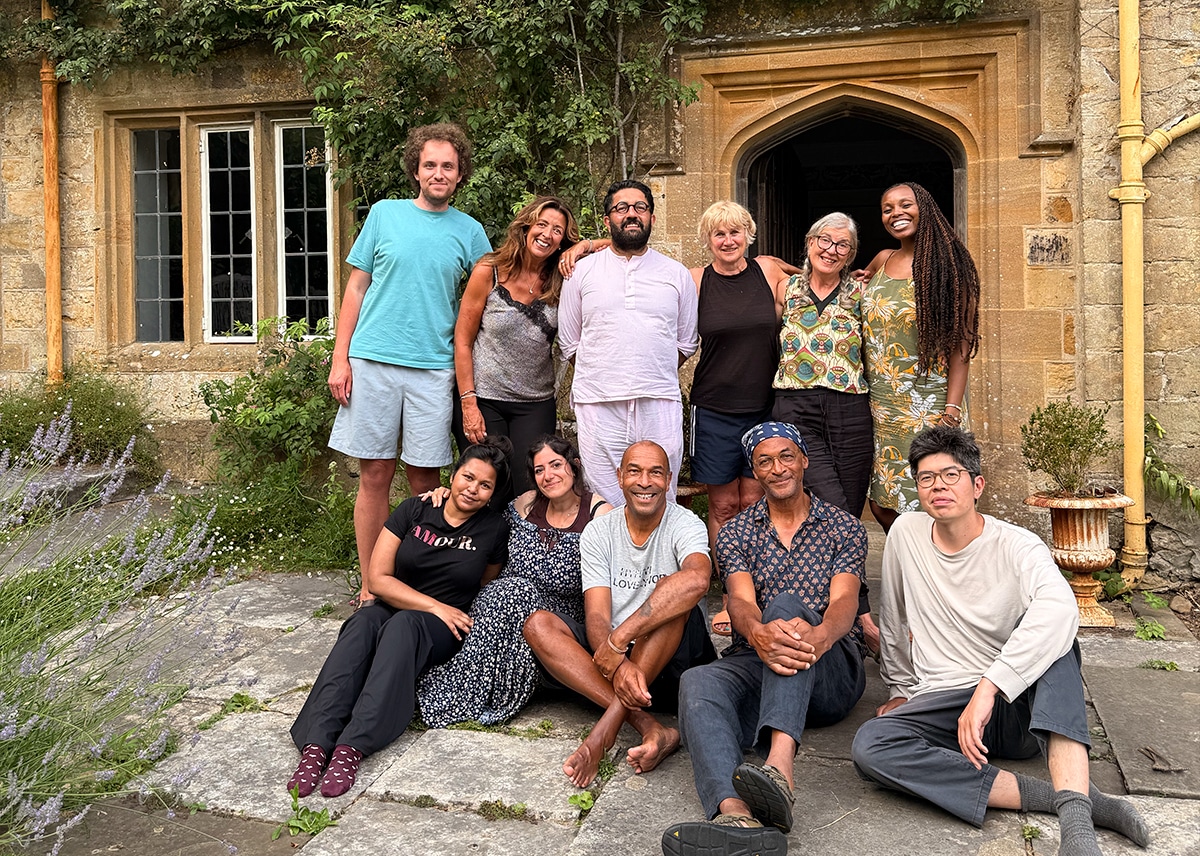
Inside the WritersMosaic Literary Residency
'The sea was crystal clear, the weather was perfect and my pink toenails shimmered beneath the transparent water'

Gratitude
A message of gratitude for the late Eric Huntley
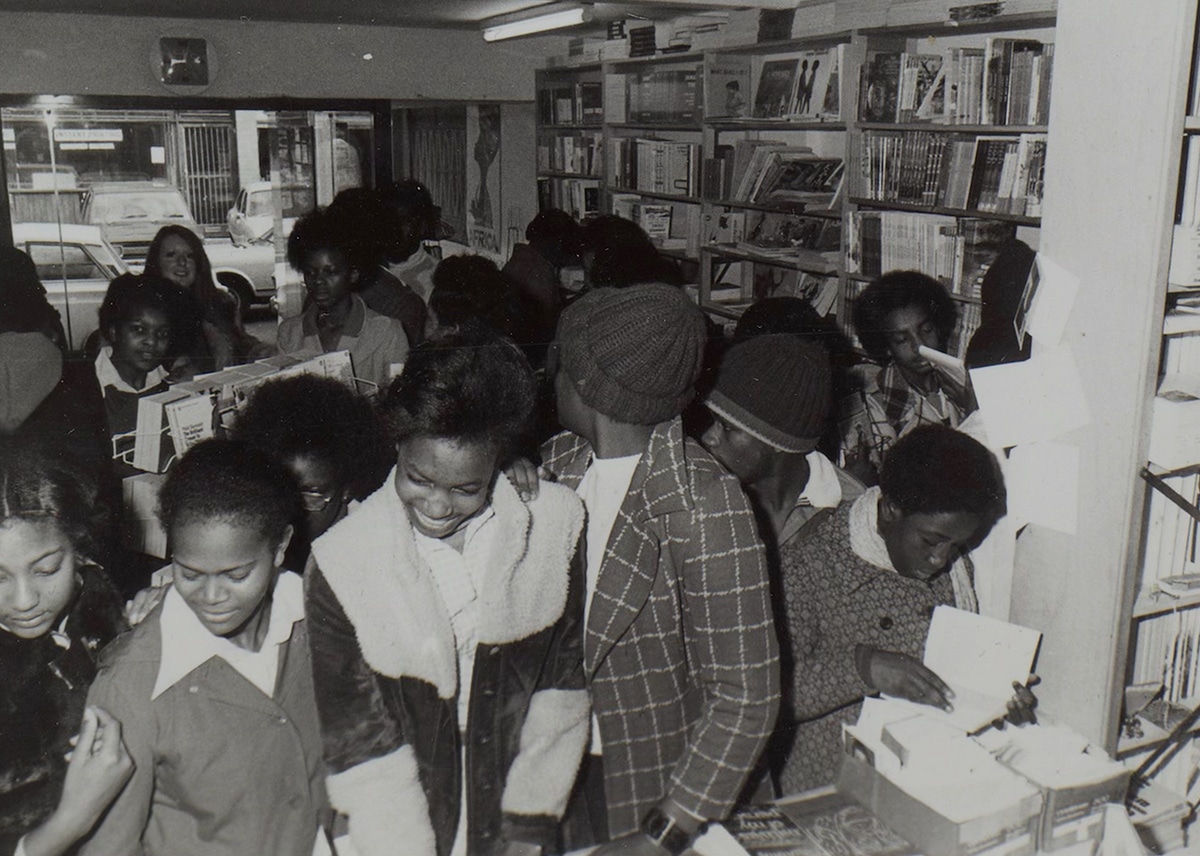
A trail through the archive of Black British history
An overlooked canon of Black British literature waiting to be uncovered

Free Will
Will Harris reads his poem, 'Free Will'. Directed by Matthew Thompson and commissioned by the Adrian Brinkerhoff Poetry Foundation.

Half Written Love Letter
Selina Nwulu reads her poem, 'Half Written Love Letter'. Directed by Matthew Thompson and commissioned by the Adrian Brinkerhoff Poetry Foundation.

Illuminating, in-depth conversations between writers.
Listen to all episodes
SpotifyApple Podcasts
Amazon Music
YouTube
Other apps

The series that tells the true-life stories of migration to the UK.
Listen to all episodes
SpotifyApple Podcasts
Amazon Music
YouTube
Other apps
Nine writers explore the elusive emotional truth behind narratives and storytelling.
Listen to all episodes
SpotifyApple Podcasts
YouTube