
Where We Come From
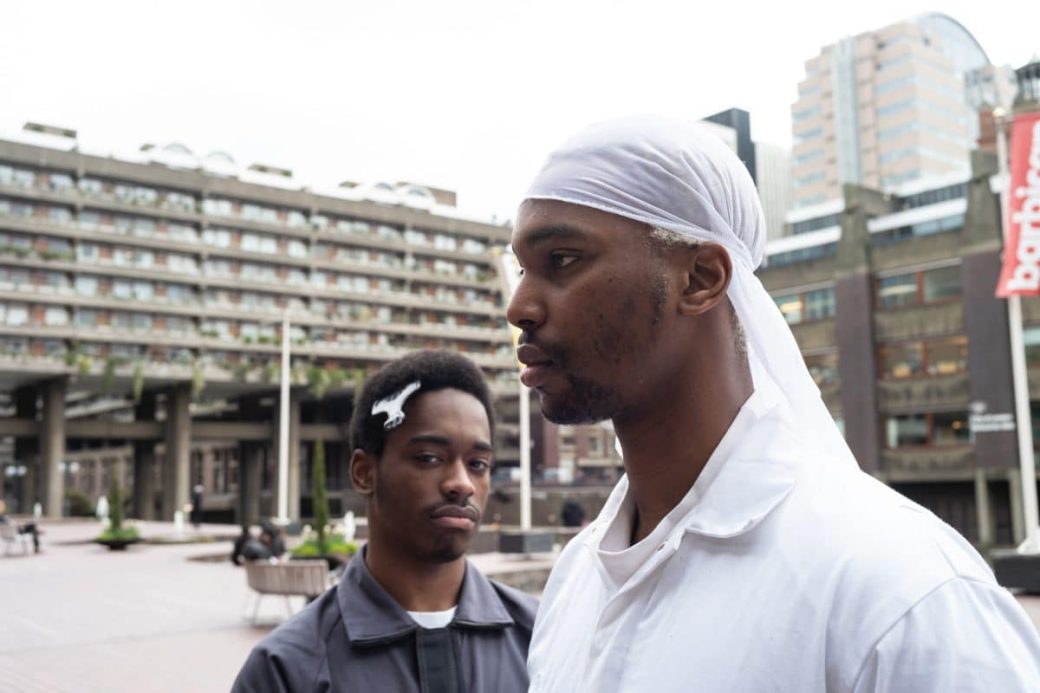
Aniefiok Ekpoudom
South London Remembrance
How does South London remember one of its own?
They remember him every Sunday on recreation grounds across South London and Surrey. In 2019, Adam decides on a whim to set up a football team.
‘I don’t know why,’ he will say. ‘I just don’t know why; maybe it was like a therapy or something? I don’t know. I’ve got to do something, innit.’
He reaches out to the Surrey FA and sets up a meeting. At the meeting, out in Leatherhead, a panel of four ask him about the potential running of the team, not knowing that Adam, who goes along with another friend Jason, has no players, no kit, no sponsor, no home ground. When asked about funding, he says they’ll self– fund, that they have a pot of £200 ready to go. The panel members have doubts, but they give Adam a shot. He registers the team as ‘BCJ’, short for ‘Blaine Cameron Johnson Football Club’, and then posts the surprise news into the group chat with Matt and Ashley and a few of the other boys who also worked with Cadet. BCJ will compete in the Leatherhead and District Sunday Football League.
To make a first-team squad, they scramble together brothers and friends and younger cousins. They find a home pitch in Epsom, just outside of South London, and play in black and purple kits. Matt is the manager. Ashley and Adam round out a wider management team. They fund everything themselves, putting their money together to carry on the legacy of their friend.
The first season is tough. In that first year they only win two games, and before they can really settle into things, the COVID-19 pandemic and the subsequent lockdowns cut the football season short.
The second season is better. They finish third, this time only losing two games all season. They reach the semi-final of the cup, too, desperate to bring home a trophy in Cadet’s honour. But they lose. Some of the boys take it hard, and for months struggle to shake the disappointment. But it doesn’t overshadow the season entirely. At one home match, after they score, a woman runs onto the field and jumps on the goal-scorer, Darnell. It is Cadet’s mum, Janice. When the rest of the team realise, they pile on and celebrate with her in a loud moment of joy.
They are in their third season now. And every Sunday morning, at around 9am, a squad of around fifteen of them, ages ranging from mid-teens to thirty-plus, gather on a football pitch and pull on a jersey to represent a piece of South London who still lives on. Some think about him whenever they pull on that shirt. Before kick-off, they huddle in a circle, and on the count of three chant ‘BCJ’ before walking onto the field. They are cheered on by a contingent of about ten people, made up of some of the players’ mums and partners and small children and friends who follow the team home and away.
In the winter months, when the season is played, they take his name across the region. Blaine Cameron Johnson is celebrated on the football pitches across outer South London and Surrey. They take his name to edges of South London, out by Chessington, in a big green field with misty winter rain dusting the mud, and orange leaves rusting on the trees in the distance. Huddling in a circle, they put their hands in and bellow ‘BCJ’ loud, their collective voices echoing across the park. Then they charge into battle, going into the trenches on a cold Sunday morning for something bigger than them.
On Remembrance Sunday, they play in Camberley, Surrey, a town defined by the Deepcut army barracks. As you drive through dense forest, towards the playing field, you pass veterans in blue and black army blazers, medals and ribbons fastened to their pockets as they walk the road towards the cemeteries and churches, their wives and daughters and grandchildren trailing behind them. You pass social clubs and lamp posts and other establishments all decorated in large red poppies.
When the team reaches the field, some of the kids who have come out to watch BCJ with their parents remark how this place is nothing like South London; that they even saw cows grazing in the fields. At kick-off, the teams gather around the centre circle for a two-minute silence to remember the fallen. Both have lost something, and someone.
Other games are more strained. At a home match in Epsom, still in the depths of winter, patches of sunlight come out over the trees and perched clouds glow a gloomy blue. The mood on the pitch has grown tense. Matt and Ashley watch from the sidelines as tackles stray over the edge of fair play and 22 men in the contained white lines begin to grow agitated. The game pauses as the morning threatens to boil over and the teams square up to one another. Afterwards, Matt takes the team aside. He is angry. He reminds them what and who they are representing out there, that yes, the game can be competitive, but they must never cross a line into violence, that this is bigger than all of them, that ‘this is my bredrin’s team. We have to carry ourselves like men.’
This is how the season goes on. Some games won, some games lost, their purpose for playing always remaining the same. They play in Wimbledon and in Sutton and in Merton, their friendship group bumping up against another. They honour his name wherever they travel. Sometimes on the drive back, they will turn his music on in the car and let it play loud, or sit on the train back into South London and reminisce on their days working for Sky TV.
Matt, Ashley and Adam would love to scale the team up one day, get some coaching badges, start a BCJ academy and help wayward kids out of South toe the line. But for now, they keep playing, weekend after weekend, showing up for Cadet the best way they can.
On a Sunday in late February the winter begins to break. They are in Kingston, and blue skies are pulled out over tower blocks and terraced housing. In the park, families are taking walks with buggies and dogs, South London smelling spring on the horizon. BCJ are 4–0 up and coasting, the boys’ approach, play and tactics singing in a magnetic harmony. Adam and Matt are on the touchline, laughing with friends and some of the loyal supporters who have made the trip. The youngest members of the team are standing at their side, bantering with each other about parties and ends. Some of them would have been 11 or 12 when Cadet was on his rise, watching his videos in school. And now they are here, grown, in light and laughter with some of his closest friends, all gathered together in this weekly ritual of quiet celebration.
This is how they remember one of their own.
Cadet carried their South London stories into the light. And now he is gone, South London continues his march, carrying his name and his song across their many green fields of home.
WritersMosaic monthly
Get new writing in your inbox
One email monthly, unsubscribe anytime
It’s being published I get paid for; the writing I would do for free
‘Any advance [...] for your novel is to compensate you for the horrors of being published'
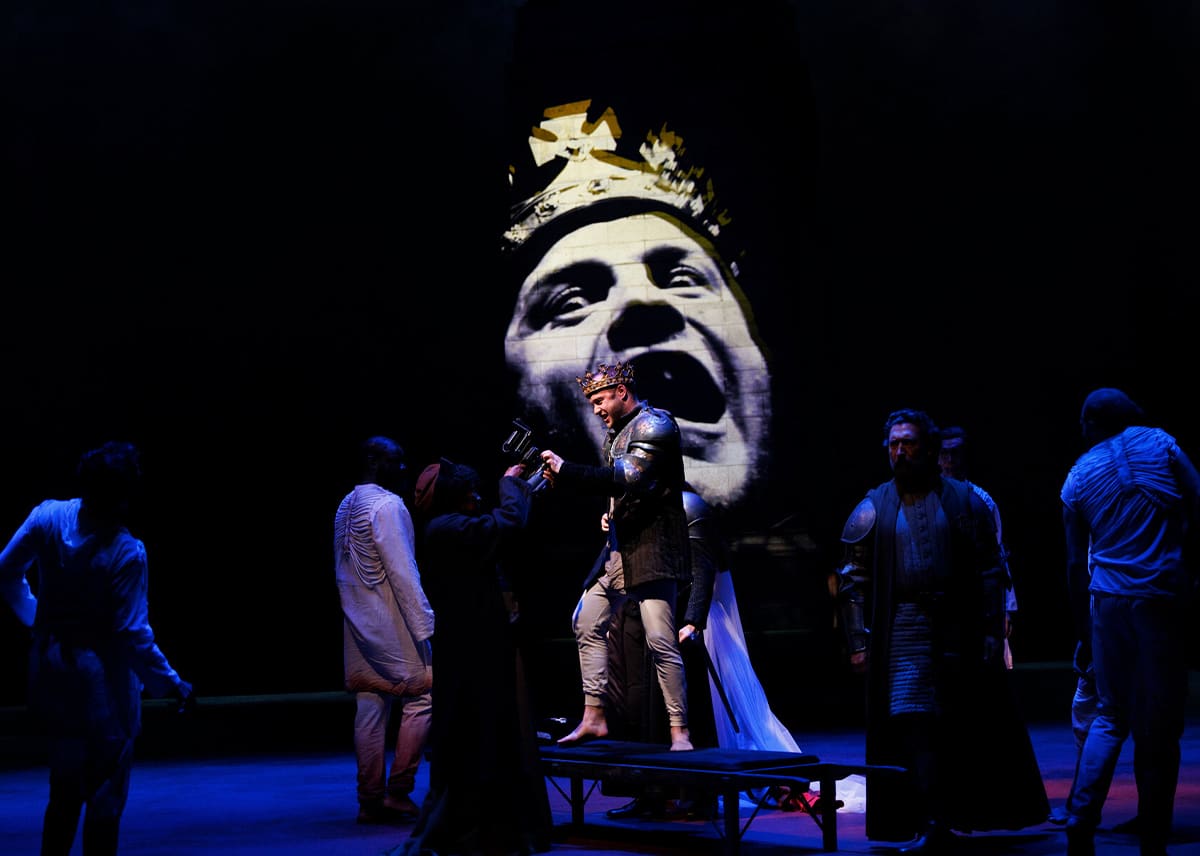
Complex antihero: an interview with Arthur Hughes
Unravelling Authur Hughes' Richard III
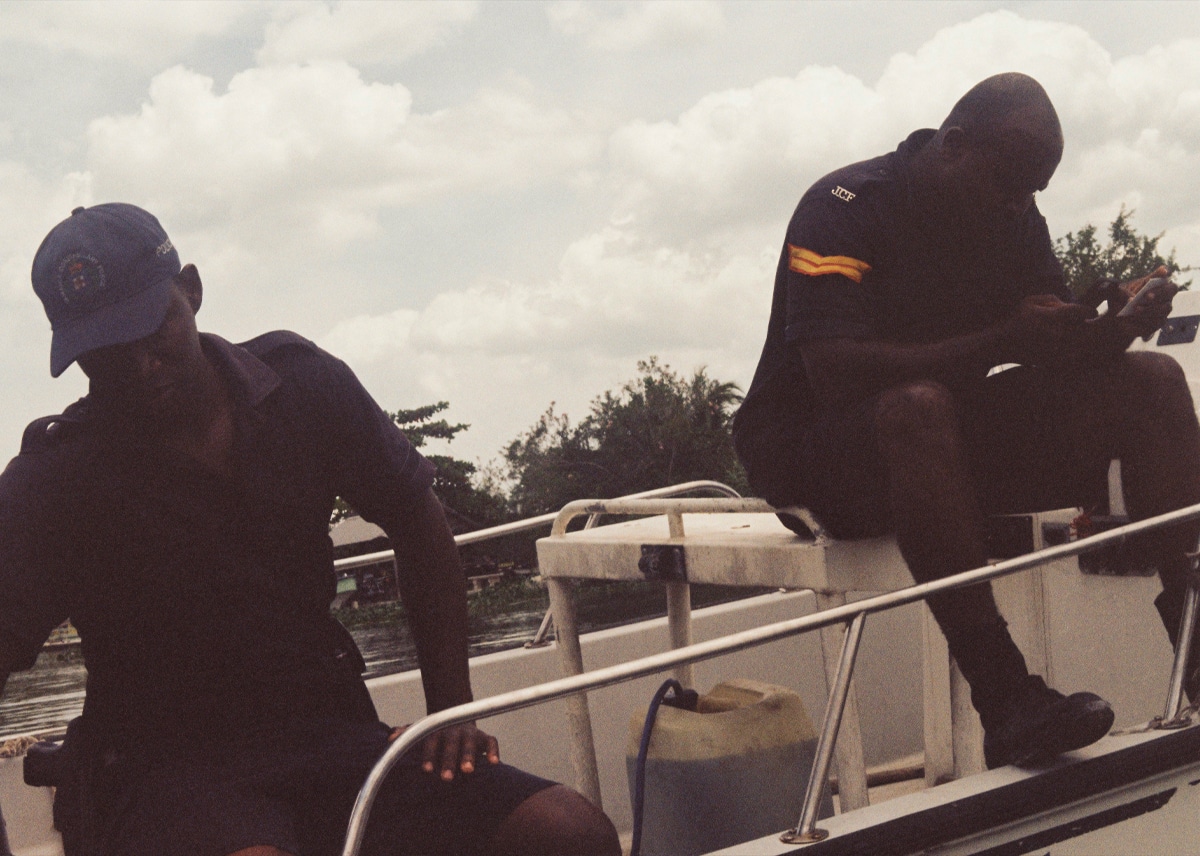
Marlon James: a Jamaican reckoning
'A return to a home I barely knew'







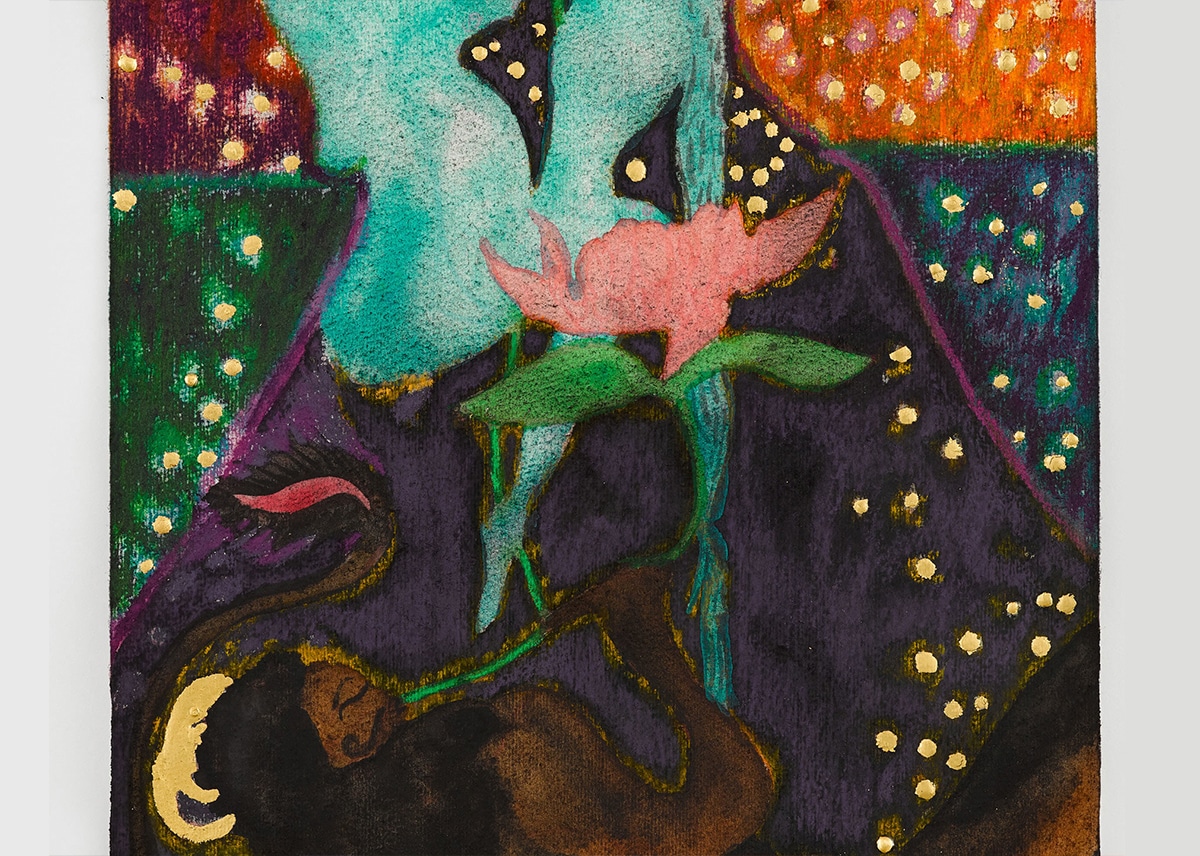
Haunting the Black Air
Poetic freedom across space and time
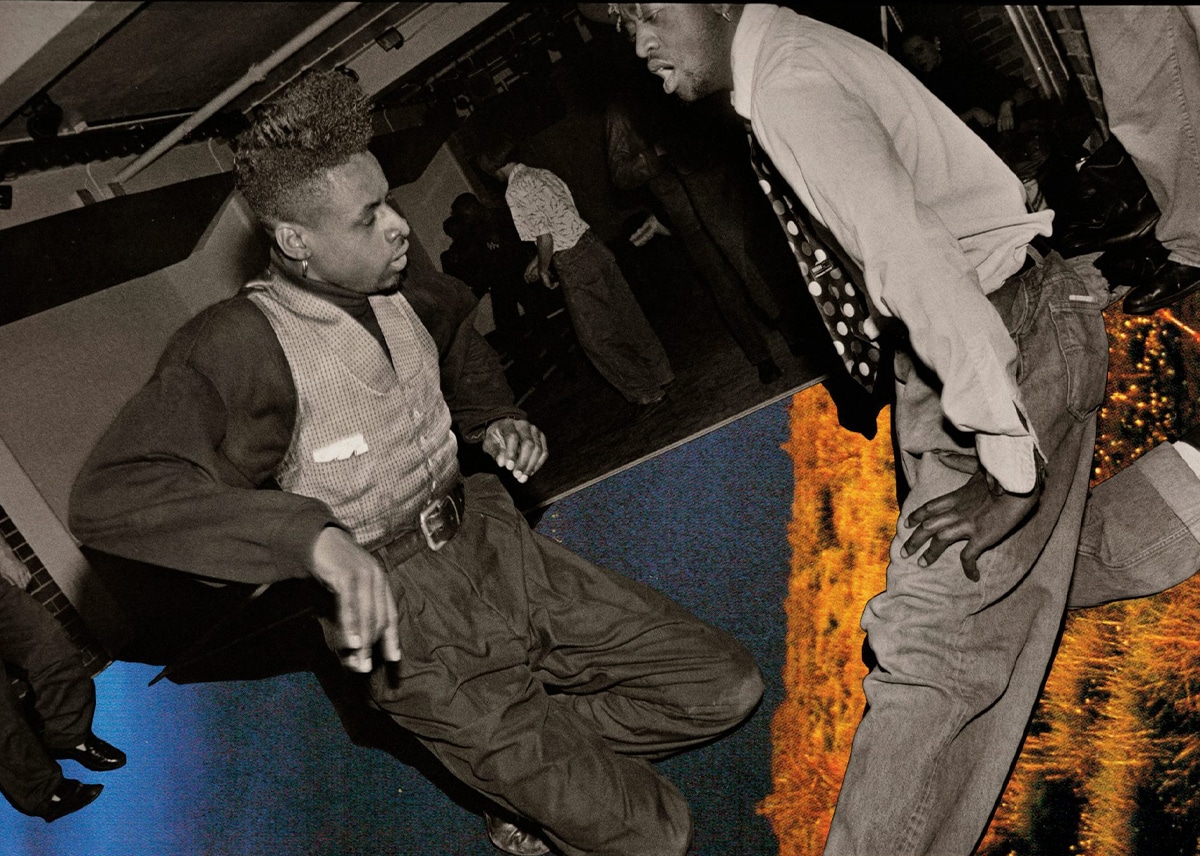
The Disappearers
A sprawling visceral experience that drops you in head first
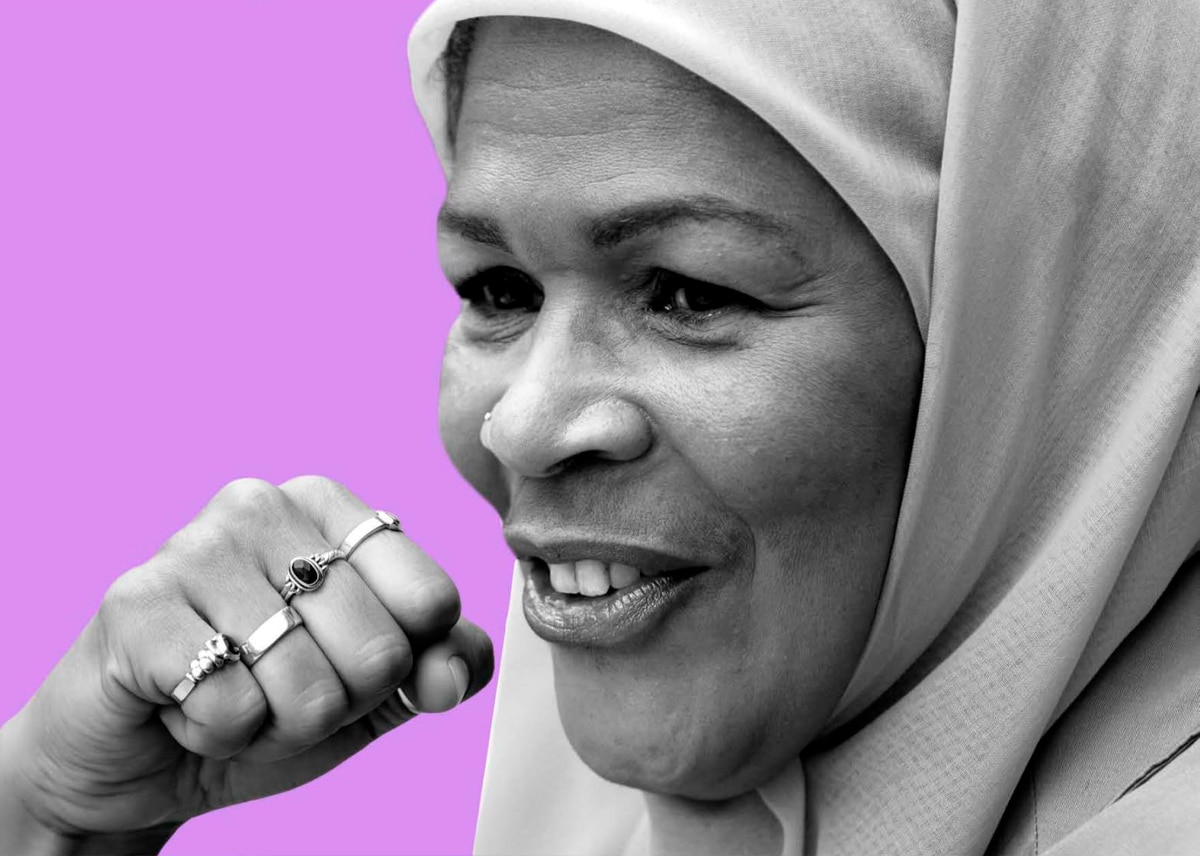
The Lady Imam
Is the world ready to catch up with amina wadud?



Illuminating, in-depth conversations between writers.
Listen to all episodes
SpotifyApple Podcasts
Amazon Music
YouTube
Other apps

The series that tells the true-life stories of migration to the UK.
Listen to all episodes
SpotifyApple Podcasts
Amazon Music
YouTube
Other apps
WritersMosaic interrogates the notion of ‘staying in your lane’ by asking writers how they attempt to think beyond the parameters of their cultural identity.
Listen to all episodes
SpotifyApple Podcasts
YouTube