
Writing in Emilia-Romagna

For someone who finds it daunting to apply for things (yes, even fantastic opportunities!), the reminder to send in an application for the writing retreat in northern Italy offered by WritersMosaic and the Hawthornden Foundation was divine intervention.
Two weeks at the Villa Lugara in Emilia-Romagna, to simply read, rest, share, think and write, was such a blessing and a dream come true. Since my sons were little boys, I have wished for such an opportunity: headspace, physical space and treasured time to ruminate on ideas and words and then, to write!
Six writers were awarded the fantastic opportunity, and we were completely looked after by three wonderfully generous creatives during two unforgettable weeks in May.
The reality of waking up each morning in a beautiful house surrounded by rolling hills, in a quiet corner of Italy, and knowing that a day of writing stretched before me, elicited such energy for strategic reading and research. Every day was punctuated with stimulating conversations with bright, erudite, funny and imaginative people at gatherings for the always sumptuously delicious breakfast, lunch and dinner. After morning and afternoon meals, everyone would seek out their space and get on with reading or writing. I gratefully retreated to my room, with its big desk, shutters and gorgeous views.
Long years passed before I described myself as a writer. Sometimes the old tentativeness surfaces, especially when weeks elapse before I make space and time for intentional writing. Being in Italy effaced any such uncertainty. The whole retreat was a deliberate reminder that I am a writer, who deserved this opportunity to luxuriate in what the fortnight provided! Part of the reminder included one afternoon in Parma, at the International Library, where we sat in literary conversation before an intergenerational audience including sixth-formers and retirees.
What felt like abundant time to go down research rabbit holes served the work well. I was able to be an unhurried detective, looking for and putting together relevant historical context and details as demanded by the story. The ongoing writing is a fiction inspired by a piece of my maternal family history, to which I am adding cultural and societal narratives from Trinidad’s colonial past.
While in Italy, I spoke with my sister, reading to her from the work in progress. ‘You have to come good with the rest of this, Sis, because the bar is already high with what I’ve just heard!’ Her encouragement led me to realise that some of what had been written before leaving London was, in fact, the end of the story.
The working title of this tale is In the Mouth of the Lion. In this excerpt, set in colonial Trinidad, the narrator arrives home from school with her two younger siblings and finds two strangers sitting outdoors in the gallery of the house with her parents.
Something is wrong. I know this as soon as we arrive at our gate. For one thing, Mami and Papa are both in the gallery at three o’clock in the afternoon! My Papa is never home now, and our Mami has usually just woken up after her siesta, before we all “flood the house,” as she always says, sometimes with a little smile.
Two other people – I have never seen either of them before – are in the gallery: an older lady and a girl who looks about sixteen or seventeen. Is she a friend of the twins? “Yuh holdin’ up traffic,” says my little brother Reggie, holding our baby sister Marie’s hand. She is five, so not a baby, but “always our baby,” as Beryl likes to say. Beryl and Neil will be home later, after their chess and piano clubs.
Our housekeeper Avril comes to the main door with her usual greeting, full of smiles. Today though, she is bustling us inside, “Come eenside, come een! Leave grown folks to talk.”
“I want to kiss Mami and my Papa hello,” I protest, stepping out of Avril’s reach. Mami appears to snap out of whatever is happening and gets up from her chair. Looking so pretty as always, this afternoon in a pale-yellow dress, her arms are open and outstretched. “Hello my darlings…How?”
My Papa remains sitting where he is, even as we three rush into our mother’s embrace. Though Mami is holding us, I suddenly feel afraid. In his smart khaki suit, my Papa usually looks so brave and important. Today, though, he looks unsure, even upset.
Mami is looking across at Avril, and I can tell that her eyes are speaking. What is going on?
It can be difficult to express in words the melding of emotions dancing together on the shore of one’s acceptance and belief when a long-held dream comes true. Writing in Emilia-Romagna was that dream.
WritersMosaic monthly
Get new writing in your inbox
One email monthly, unsubscribe anytime
It’s being published I get paid for; the writing I would do for free
‘Any advance [...] for your novel is to compensate you for the horrors of being published'
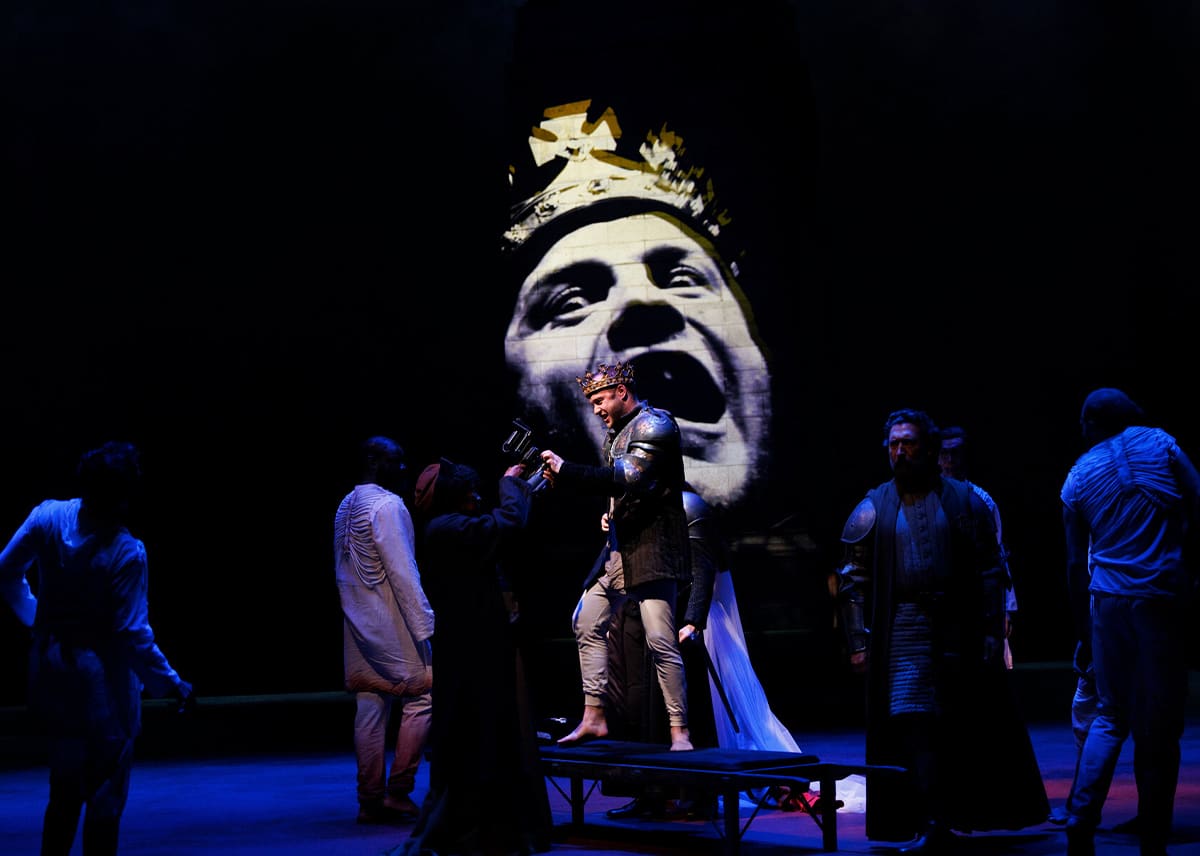
Complex antihero: an interview with Arthur Hughes
Unravelling Authur Hughes' Richard III
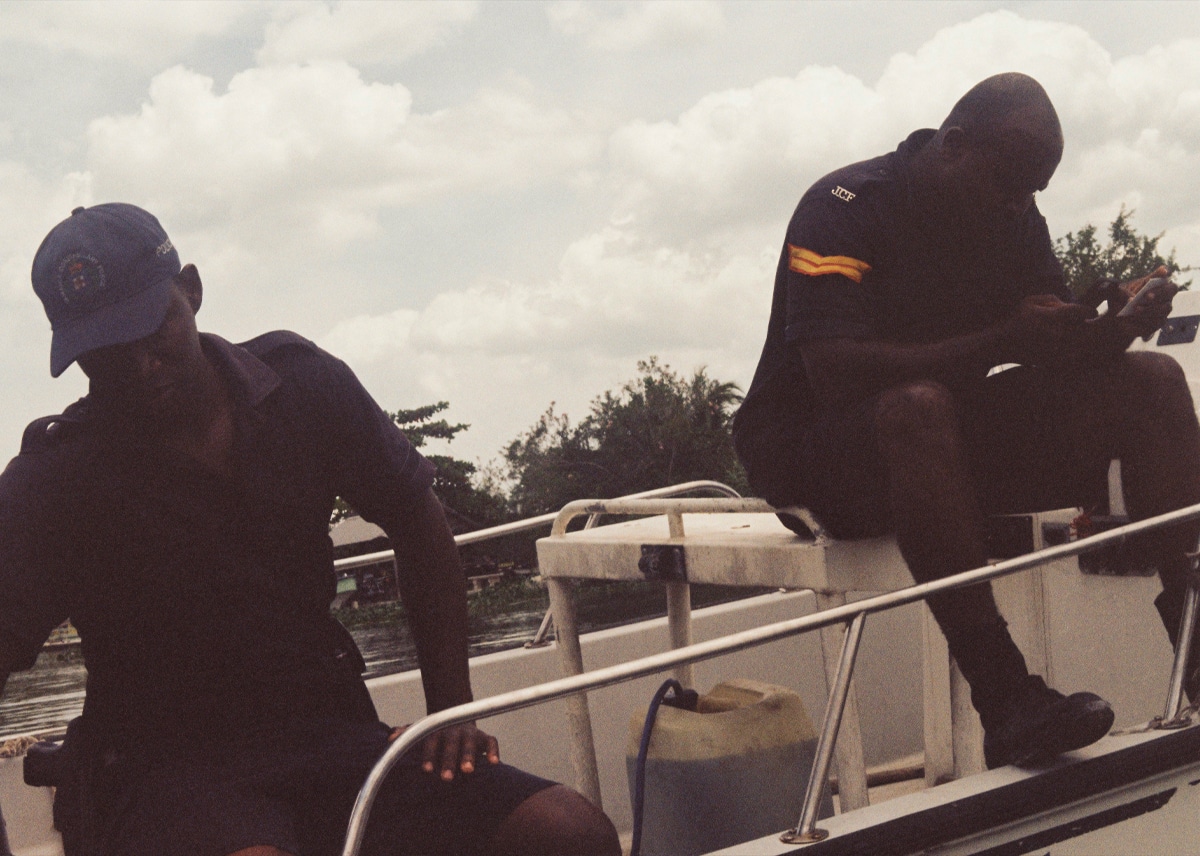
Marlon James: a Jamaican reckoning
'A return to a home I barely knew'
Haunting the Black Air
Poetic freedom across space and time
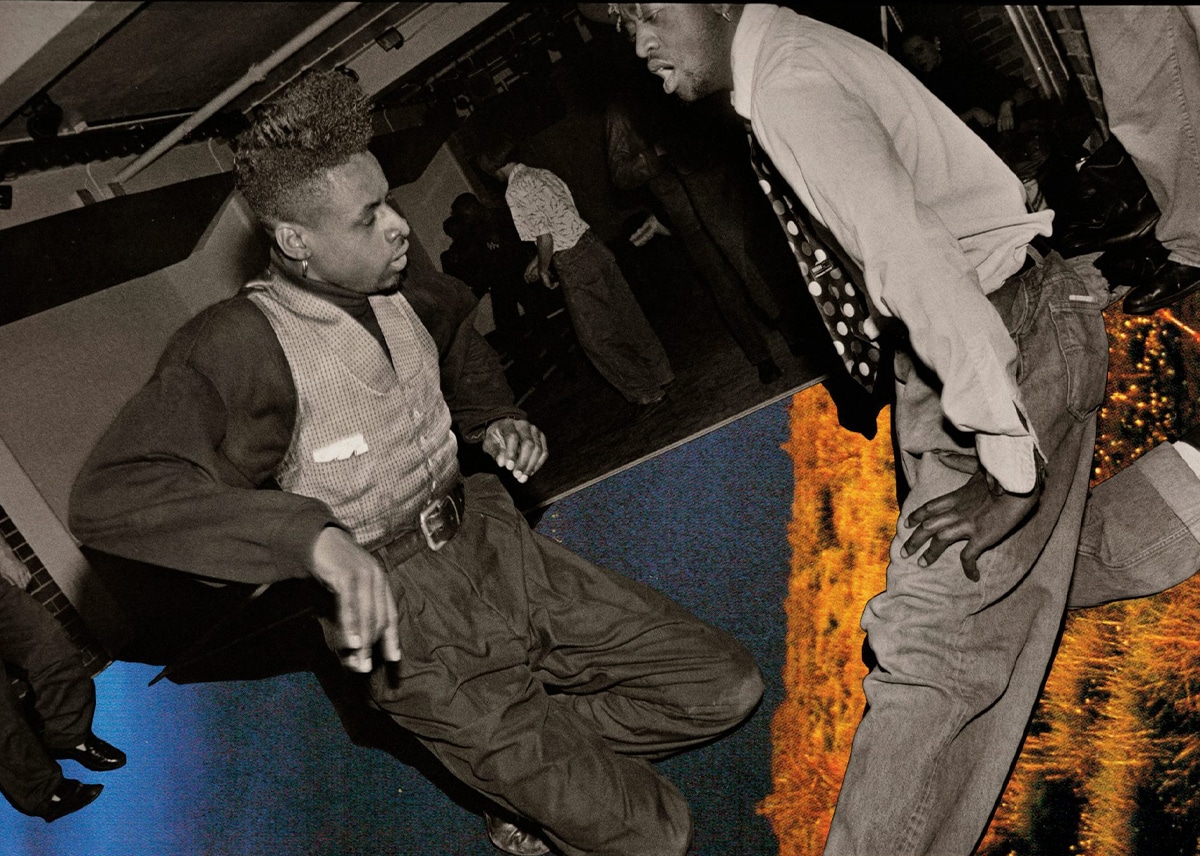
The Disappearers
A sprawling visceral experience that drops you in head first
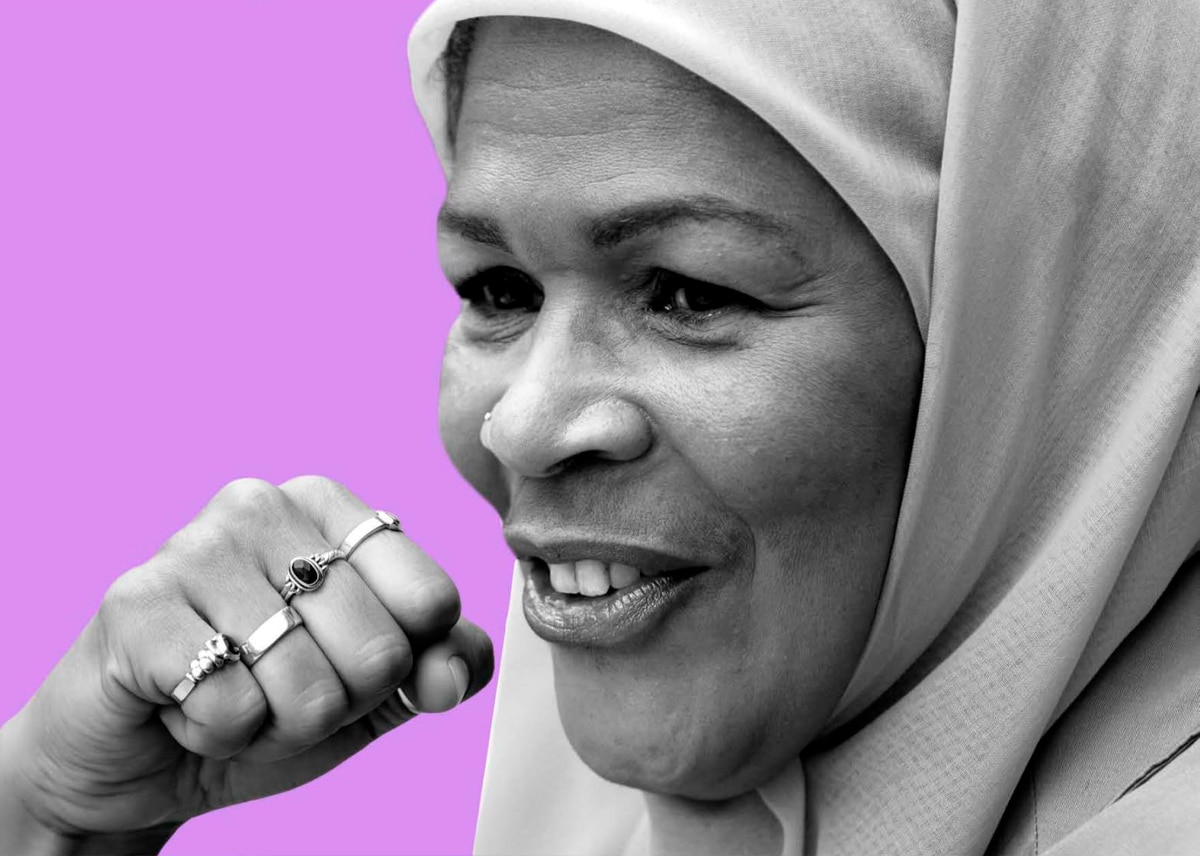
The Lady Imam
Is the world ready to catch up with amina wadud?


Illuminating, in-depth conversations between writers.
Listen to all episodes
SpotifyApple Podcasts
Amazon Music
YouTube
Other apps

The series that tells the true-life stories of migration to the UK.
Listen to all episodes
SpotifyApple Podcasts
Amazon Music
YouTube
Other apps
WritersMosaic interrogates the notion of ‘staying in your lane’ by asking writers how they attempt to think beyond the parameters of their cultural identity.
Listen to all episodes
SpotifyApple Podcasts
YouTube