Portholes
Someone else’s place

The following is an extract from My Dear Kabul: a year in the life of an Afghan women’s writing group (Coronet, 2024). After the Taliban’s return to power in August 2021, twenty-one writers in Afghanistan – among them the five contributors to this guest edition – kept a collective diary, in which they recorded and responded to the changes they were all living through.
*
Batool
Kabul, Afghanistan, September 2021
It is 1am. I hear a voice message pop up on my WhatsApp. It is in one of the groups that participated in the latest protest. I play it. The voice is trembling. She says, ‘Dokhtara, girls, be aware, be careful, the Taliban are going from home to home, searching for girls who were present at the protest . . .’
Slowly all the girls start to come online, all those brave souls trembling now. There is an exchange about what to do, then, ‘Dokhtara, please stop using the internet from now on . . . be careful.’ The group chat is now silent. I feel as if, drop by drop, I am turning into water. One by one, I pray for each protesting girl, in my dark room.
Batool, translated by Parwana Fayyaz
Spring 2024, Oxfordshire, UK
I speed up my pace as I walk down the street. I keep turning around. I hope no one has seen me approach the church. There are one hundred and ten people who live with me at the refugee hotel; one hundred and ten people to ask why this woman wearing a hijab is going to church.
It has been a few days since my heart was gripped by terrible news about my young cousin. The last thing I remember of her was the happy little face of a hopeful person. I remember she would forego every small treat so that she could save up for a laptop; she wanted to become a computer engineer. But one day she disappeared. Ten days later, her body was found floating in a dark, cold stream in the back streets of Kabul. Since that day, I have wanted to cry. I wanted to go somewhere far away from the people around me, and scream with tears that would not be staunched. I would scream for losing Marina, my homeland, and all things lost. I want to break this grudge that has been trapped inside my throat for too long; holding back an angry wave of the sea.
As I get nearer to the church, my heart beats fast. I feel as if something is tied around my legs; something so heavy that it does not allow me to take a step further. I am feeling nauseous. I now wish I had walked a little more, and perhaps asked someone where I could find a mosque in this area. I did search on Google Maps but the only mosque I found was two hours away by car or train, in a different city. I kept searching for Khana Khuda, a house of God, and the screen spun around slowly, a red pin landing almost opposite the hotel where I am housed. I zoomed in on the map and looked more closely at the building. It said, People’s Church. I told myself: if I do not go to God’s house today, my heart will burst out of my chest.
But if someone recognises me here it will be difficult for me. They already ask my daughters to recite verses from the Quran. I make excuses about how we haven’t begun lessons yet. Others are converting to Christianity; I am simply a Muslim woman seeking refuge in a church.
I remember I always went to the mosque with my mother. After the end of the prayer, the mullah would preach over the loudspeaker about the suffering and torment that God brings to sinners. In that way, he scared people with the wrath of God. My mother would cry, covering her face with a veil. I don’t think she was crying because of her sins. She was crying primarily because of my father’s debts and her grief for her younger sister, who died very young while giving birth. Now, I also want to go to the mosque and cry out all the loss and suffering I feel deep down. I do not know why I have not looked for a mosque before now, since I have lived here some time. Maybe I did not feel the need for one. But since early this morning, I have wanted to go somewhere special, lean my head against its wall, and cry for all the hardships and injustices I have endured.
As soon as I reach the church gate, I rearrange the headscarf on my head. I am arriving at the house of God. As I step inside, something boils in my heart. I feel stress. This is not my place. I have entered the house of a God unfamiliar to me. In this place that belongs to other people, I hope their mullah will recite good prayers and tell me more about the torments and wrath of God so that I can cry out in fear and empty my heart.
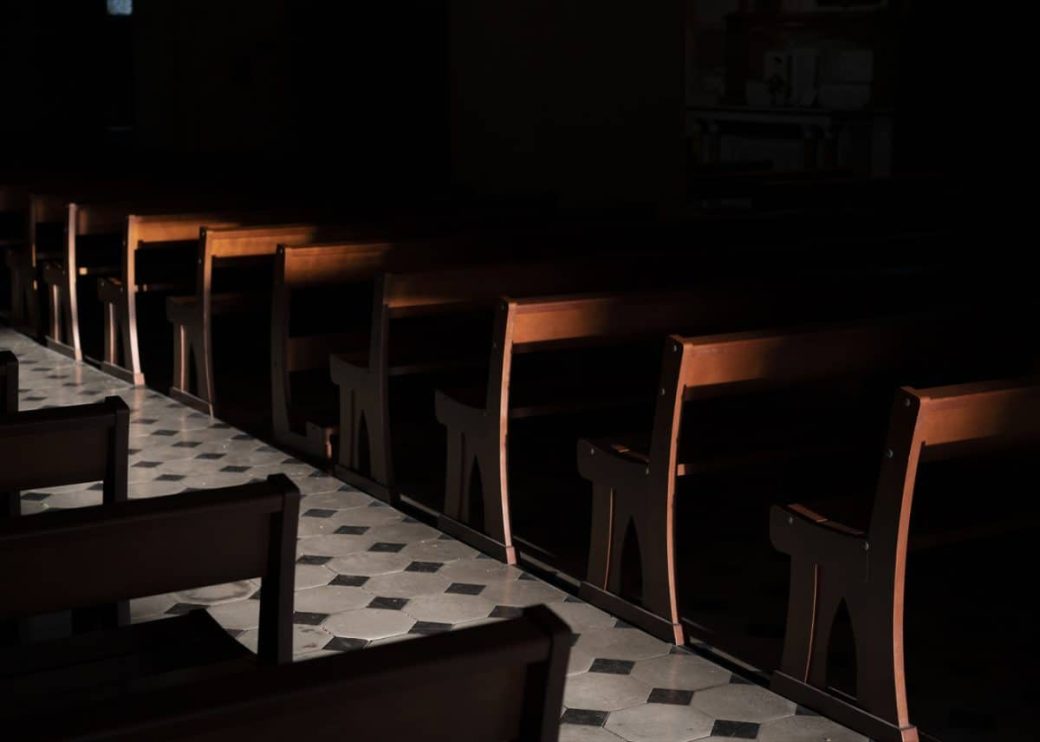
But it is quiet inside the church hall. The hall is dim and there are whispers of people singing softly together. I stand there and, little by little, my eyes get used to the darkness. My ears become sharper. A young woman is standing in one corner, playing the guitar. She has golden hair, long, like the waves of a waterfall. An older man is sitting at the piano just in front of her, his fingers on the keys. His eyes are closed, and his face is so calm. There are other people with their backs to me, facing the place covered with beautiful curtains. They have some notebooks in their hands. They sing with one voice, in harmony. It sounds like a prayer that they must sing all together. A wooden cross is attached to the wall.
I sit much further back, on the chair nearest the door. I am welcome here, but I am not a part of this place. I listen to the words these men and women sing in unison. I listen and listen. Slowly, my body’s trembling calms, and the grudge in my throat does not exist anymore. There is no mullah’s voice, nor lessons to scare us, about the torments and wrath of God.
There is only the echo of powerful words that are sung about hope and love. Words are sung about sunshine, kindness, and gratitude for the existence of Christ. With all my being, I keep listening to the prayers. This is so hopeful. I feel lighter inside. I can almost feel the cool breeze on my face. I raise my head to look upward at the ceiling. It is filled with images of white angels with wings on their backs, holding a baby in their arms. I feel this sudden urge to rise from my seat, repeat the words of the prayer out loud. I close my eyes; tears sit silently on my lashes. Prayers form in my heart for my country’s liberation and my people’s freedom.
My Dear Kabul © Untold Narratives CIC 2024; English translation © Parwana Fayyaz and Dr Negeen Kargar
Extract read by Jo Alderson
Parwana Fayyaz
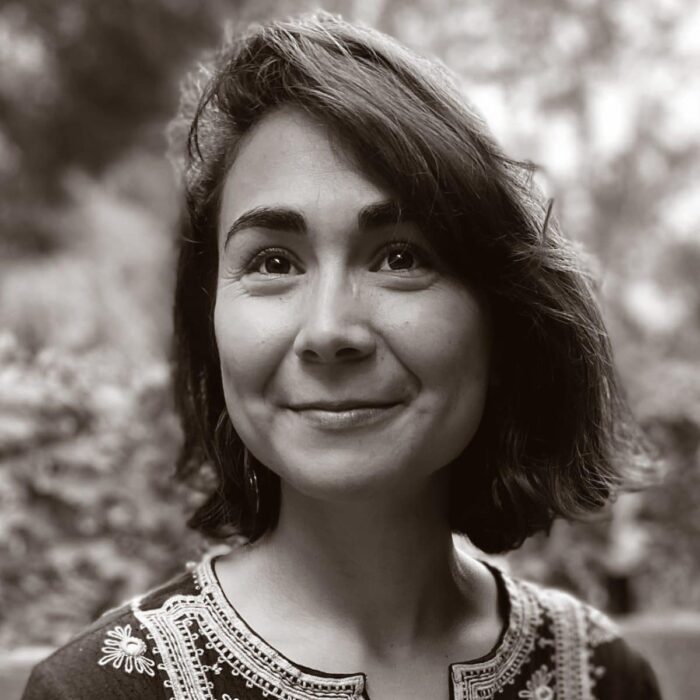
Parwana Fayyaz is a scholar and teacher of Persian literature at the University of Cambridge.
Portholes

Private conversations with history
Sunila Galappatti

A false return
Fakhta & Parwana Fayyaz

A place for today
Fakhta & Parwana Fayyaz

My Eid is my daughter’s dance
Freshta & Dr Negeen Kargar

A new arrival
Zainab & Parwana Fayyaz

My dear father
Marie & Parwana Fayyaz
WritersMosaic monthly
Get new episodes by email
One email monthly, unsubscribe anytime

Illuminating, in-depth conversations between writers.
Listen to all episodes
SpotifyApple Podcasts
Amazon Music
YouTube
Other apps

The series that tells the true-life stories of migration to the UK.
Listen to all episodes
SpotifyApple Podcasts
Amazon Music
YouTube
Other apps
WritersMosaic interrogates the notion of ‘staying in your lane’ by asking writers how they attempt to think beyond the parameters of their cultural identity.
Listen to all episodes
SpotifyApple Podcasts
YouTube

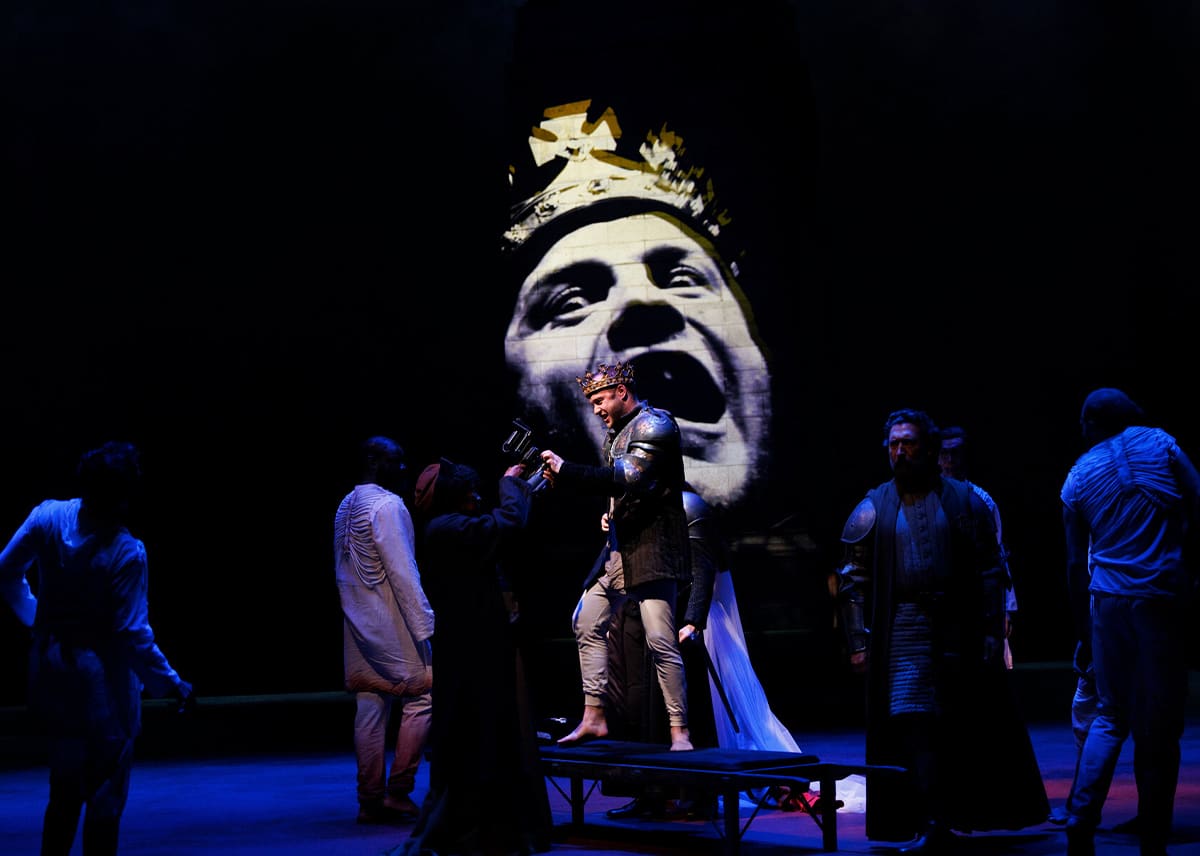
Complex antihero: an interview with Arthur Hughes
Unravelling Authur Hughes' Richard III
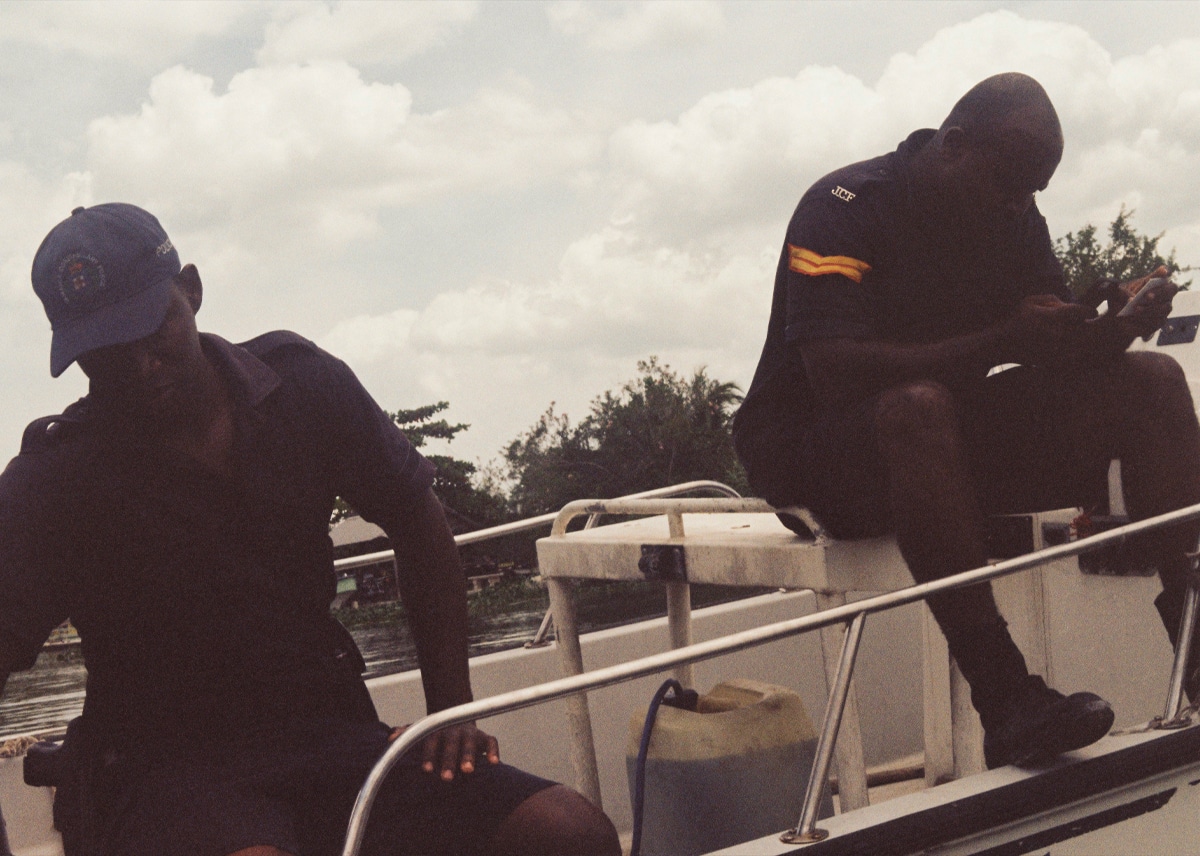
Marlon James: a Jamaican reckoning
'A return to a home I barely knew'
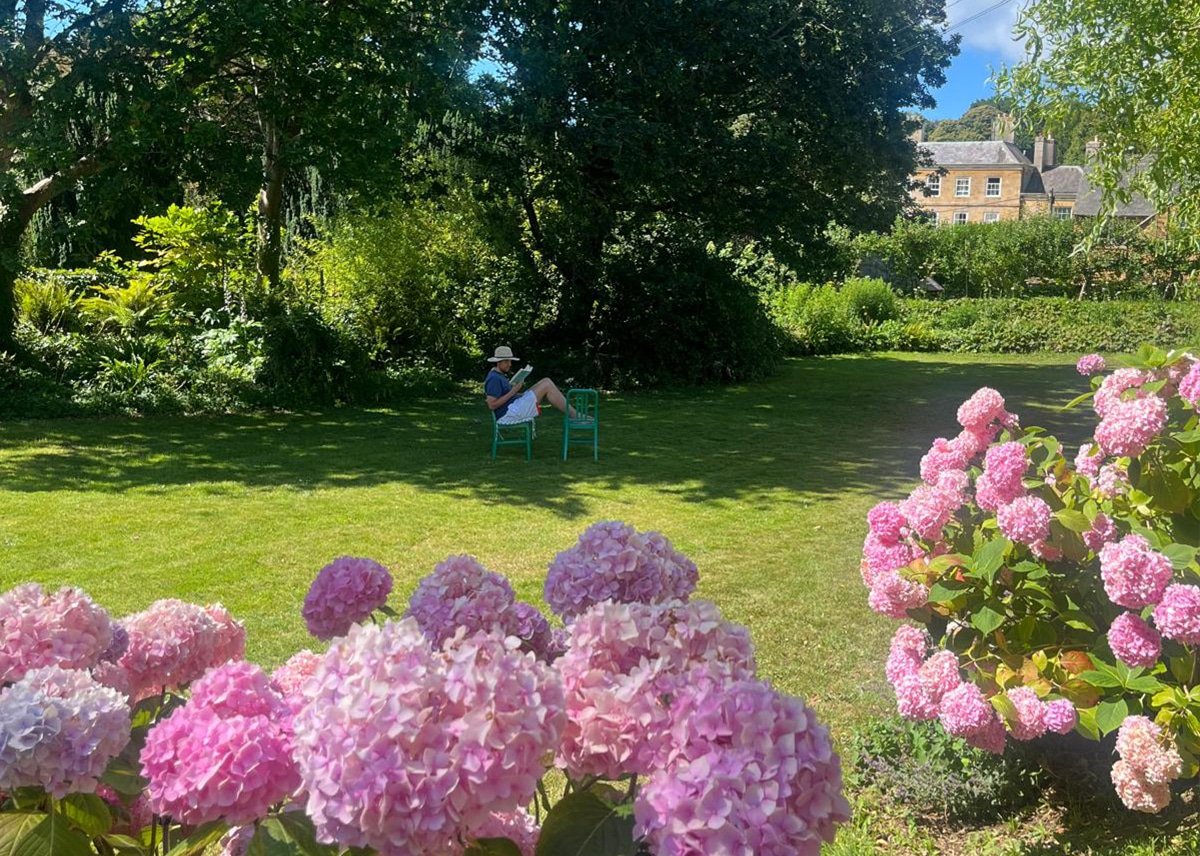
The name of this wallpaper is ‘Childhood’
A luminescent bubble of memory
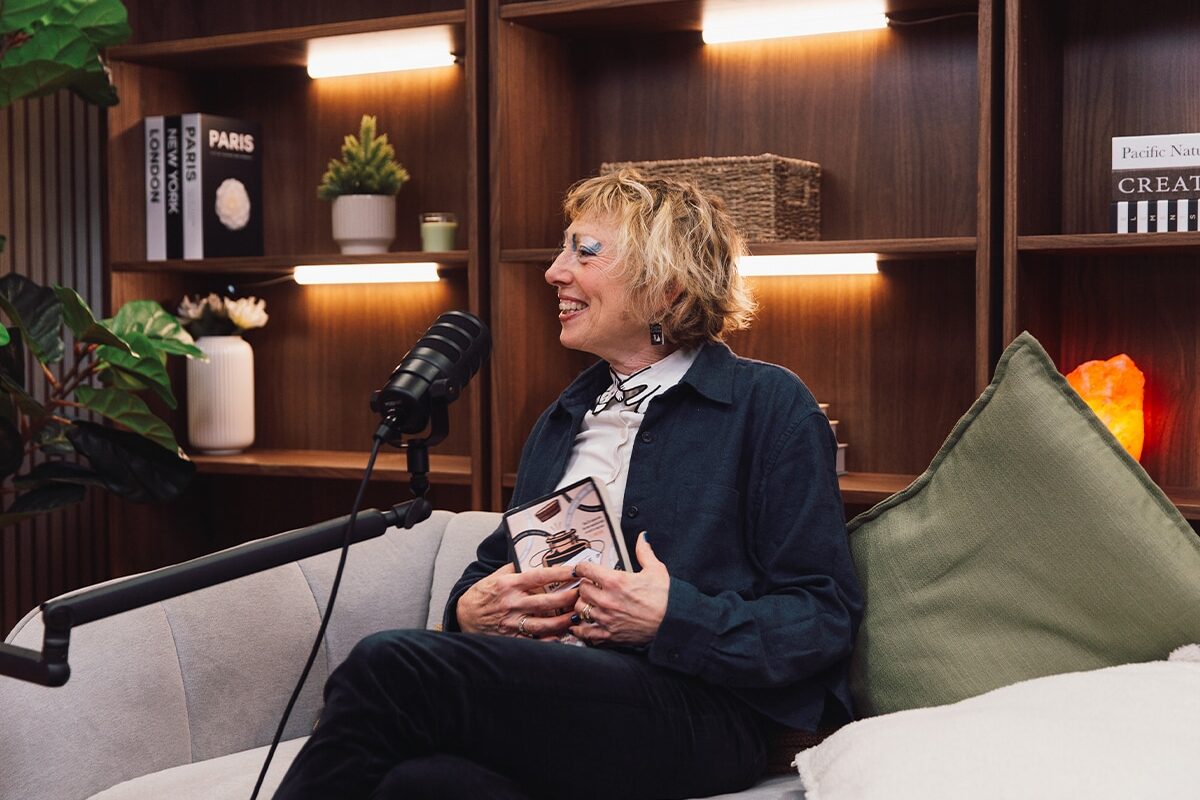
The Disappearers
A sprawling visceral experience that drops you in head first
The Lady Imam
Is the world ready to catch up with amina wadud?