Stay in your lane?
Not another poem about my father
Hannah Lowe
Not another poem about my father,
as though he’s been forever running through me,
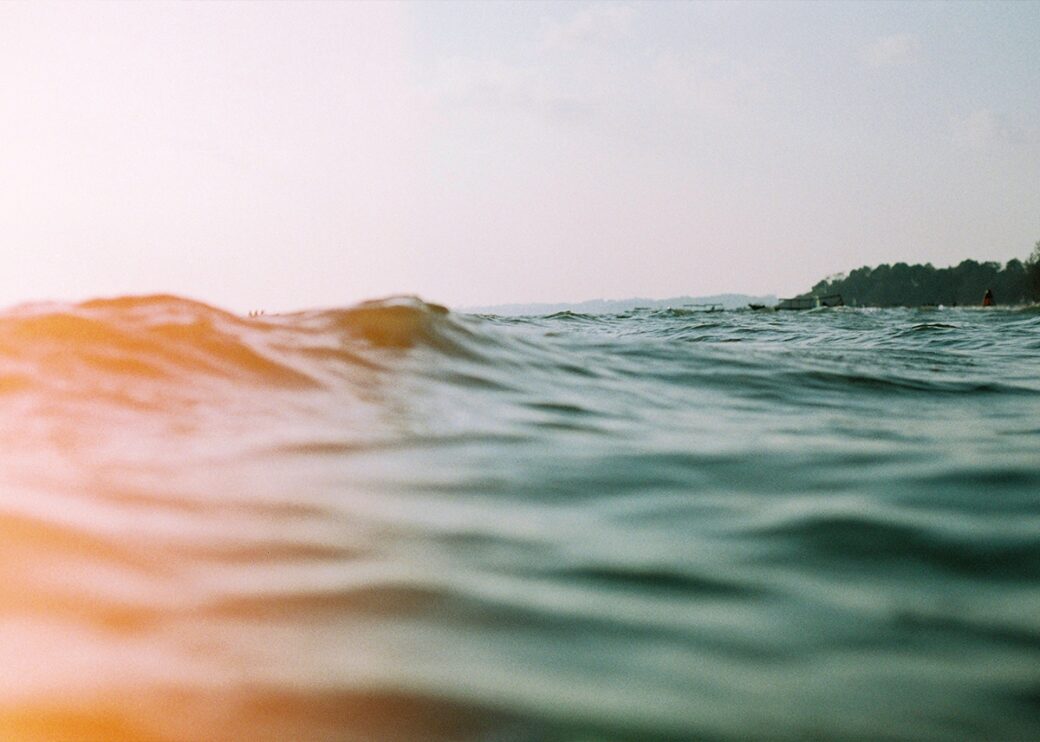
rising, churning, like the Yallahs River
where he was born. That river flooded yearly
so no one could cross. What have I learnt after
all these years of loss? At poetry readings
I perform him, hope for sighs or laughter.
I paint him at casino tables, cooking
Chinese suppers, lying in the spare room, dying.
I want applause, but see the real man standing
in the door. There’s something he wants to say.
And nothing’s been forgiven. Then I hear
the water rushing down the corridor.
He’s swimming hard – but it carries him away.
This poem was published in my poetry collection, The Kids (2021), a book in which I deliberately tried not to write about my father, having written four previous books (a memoir and three poetry collections) that featured his life, either centrally or tangentially. My dad was Afro-Chinese, a post-war migrant from Jamaica to Britain, an apparently ‘legendary’ card-sharp in London’s East End, and a man who carried the traumas of colonialism and migration deep inside him. His life has been a rich seam for writing, but I can only say this retrospectively, having experienced the positive appraisal (by and large) of these books and of his story. I have been asked to talk about him – on radio, on stages at festivals, in university lecture theatres – more times than I can remember. Only recently has it occurred to me that when I speak of him publicly, I myself become a spectacle, as a white-passing woman with an Essex accent. Is my face being inspected for ‘a touch of the tar brush’, as my dad used to say? He used this phrase often, to remind me that however I looked, I wasn’t white. The term seemed to amuse him. He was outwardly irreverent in his attitude to race and racism, though I suspect that he was hurt by the racialised language that must have been directed at him throughout his life.
The poem ‘The River’ attempts to narrate something of the quandary I feel in writing and talking about my dad – of ‘performing’ him for others, of wanting reactions. I have worried about exoticising or exploiting him as a character both in my poems and my prose. Where is the real man, and how might he have represented himself had he had the chance to speak publicly of his experience? Would he have chosen to speak at all? The ending of the poem reflects my half-felt sentiment that writing is often futile – that as much as I have brought my father into the public consciousness, I have also erased him.
But writing and publishing changed my relationship to myself. After Chick (2013), my first poetry collection (named after one of my father’s gambling monikers), I had ‘outed’ myself as something other than white and English. This felt like a relief, and still does. It brought me into closer connection with the Caribbean and Black British community and with other writers of mixed heritage. It enabled me to travel to Jamaica and to find connection and a sense of belonging there. I was 22 when my father died, and I could never have anticipated becoming a writer, or the manifold ways in which writing has helped me settle into what had hitherto been an unsettled identity. Nor could I have predicted the ways in which it has helped me ease my grief about him, and something of the guilt I’ve felt about my life being so radically different from his. My dad had few life chances. He had very little education and limited ways to earn an income other than gambling and – as an older man, when he lost his nerve at cheating – driving a mini-cab. In contrast, I hold a doctorate, have become a professor, and live a pretty rarefied life of books, art, and music.
For most of my earlier writing life, I felt a degree of pressure to reproduce the tales of my Afro-Chinese heritage, even after I felt I had exhausted them. I worried my work would not be so well received without it. Like many writers from minoritised backgrounds, I was aware that certain stories are more legible, more easily consumable. If there was an appetite for the ‘unusual’ stories of the Chinese-Caribbean, the subterranean worlds of gambling, and of my own ‘passing’, shouldn’t I feed it? That pressure was combined with a strong desire to continue to write about the emotional legacies of the British Empire – of its violence, suppression, and negation, which shaped millions of lives.
The Kids – my collection of poems about my experiences as a sixth-form teacher – did this work and allowed me to step away from my father’s life; to step out of that quite narrow lane. My next book (to be published in 2027) centres on the life of my father’s sister, Nelsa Lowe, and moves away from the story of migrant men’s survival to the story of a woman who stayed behind and endured. It was not possible to tell her story, which is partly about her work as a folk healer, without writing about the climate catastrophe, a subject which is as old as the colonial extractivism that laid its foundations. The Caribbean suffered catastrophic deforestation, its natural resources monetised and exported over centuries, while indigenous and African systems of medicinal knowledge were pillaged for profit. Even the local names of plants were silenced or omitted by colonial botanists who incorporated the plants into European systems of naming. I built my knowledge of this subject as I wrote the book, illustrating how writing is always a process of enquiry. Looking back, I see how each book builds on the one that came before it – even as the subject matter shifts and expands. Each brings a new courage, more ambition, more tenacity.
I’m not sure that I will ever step out of the broader lane for which I think I’m known – writing about family. I make small forays into other subjects, especially for commissions, but my pen always finds its way back to the cast of characters who came before me, who occupy a central part of my imagination. These days, I am more interested in whiteness and Britishness – the other half of my heritage – and the effects of colonialism on my maternal relatives, some of whom were radical free thinkers, anti-imperialists, and conscientious objectors. Others, like my Nan, held views shaped by empire about the superiority of the British. All of their lives were deeply shaped by the British class system. But my writing about family is as much about my interest in attachment – the whys and hows of love, the damage done when these bonds go wrong, and how those patterns can be understood and untangled. This ‘lane’ then, is self-imposed.
© Hannah Lowe
Hannah Lowe
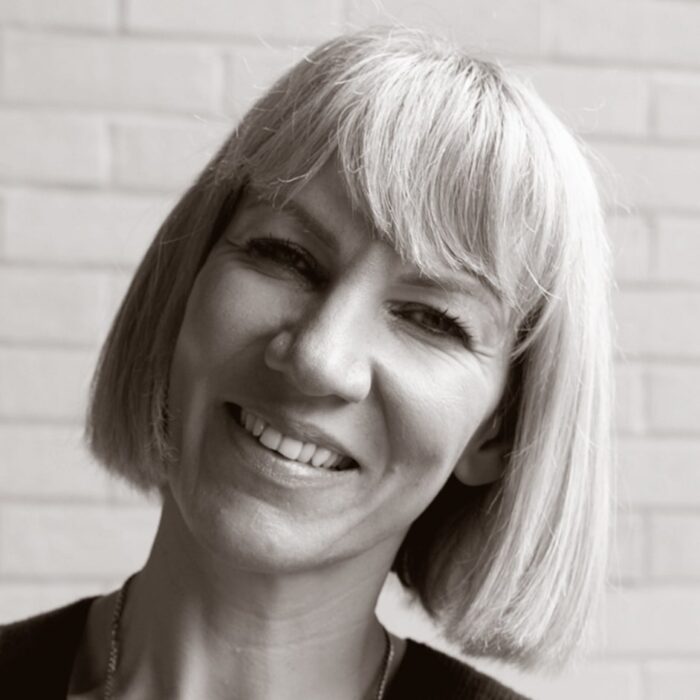
Hannah’s work, mainly as a poet, centres around migration histories, multicultural London and the complex legacies of the British Empire.
Stay in your lane?
Editorial
Colin Grant
Reading for Carnival
Magnus McDowall
Beyond Baldwin
Taíno Mendez
Scuffing the lines
Naomi Foyle
Cul-de-sacs of the mind
Chitra Ramaswamy
Thinking white
Will Harris
On finding kinship in difference
Amy Abdelnoor
A matter of survival
Maggie Gee
WritersMosaic monthly
Get new episodes by email
One email monthly, unsubscribe anytime

Illuminating, in-depth conversations between writers.
Listen to all episodes
SpotifyApple Podcasts
Amazon Music
YouTube
Other apps

The series that tells the true-life stories of migration to the UK.
Listen to all episodes
SpotifyApple Podcasts
Amazon Music
YouTube
Other apps
In the first series of poems commissioned by Hannah Lowe, six poets explore how ritual gives meaning to our lives.
Listen to all episodes
SpotifyApple Podcasts
YouTube

It’s being published I get paid for; the writing I would do for free
‘Any advance [...] for your novel is to compensate you for the horrors of being published'
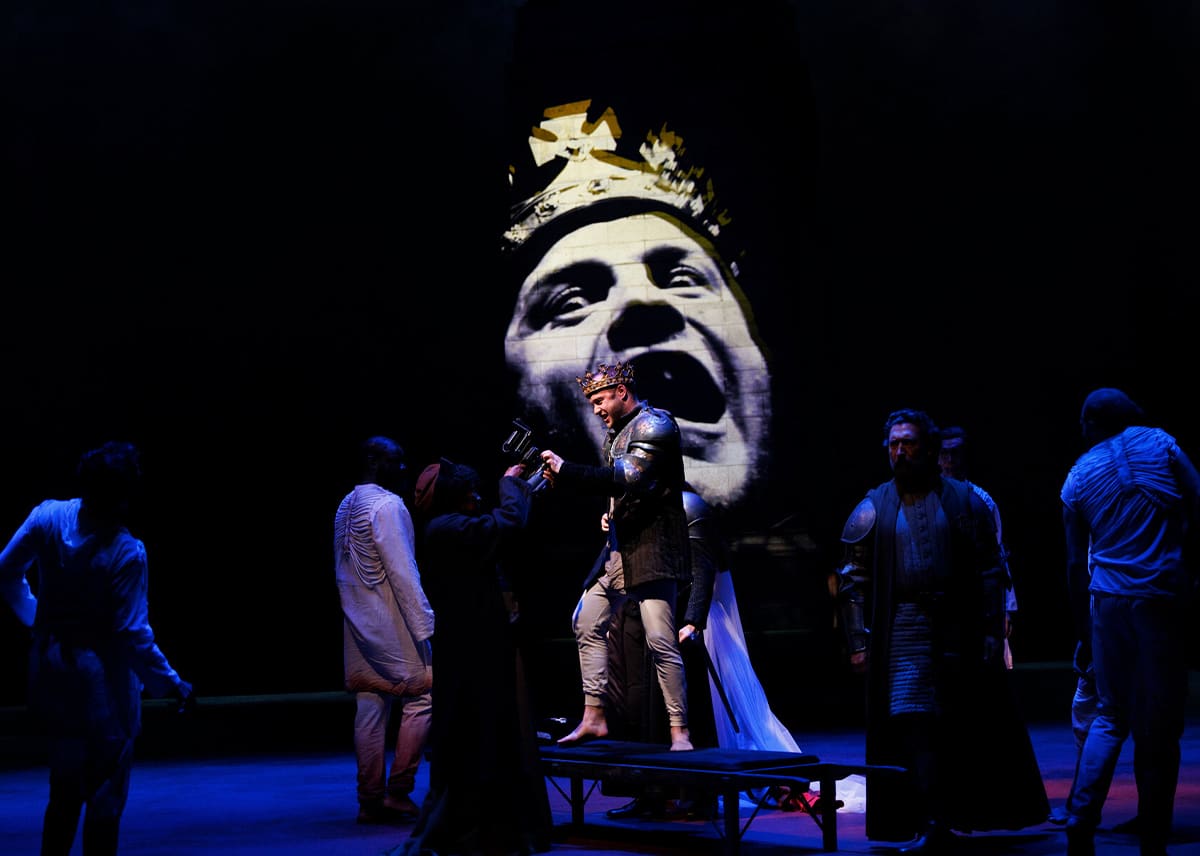
Complex antihero: an interview with Arthur Hughes
Unravelling Authur Hughes' Richard III
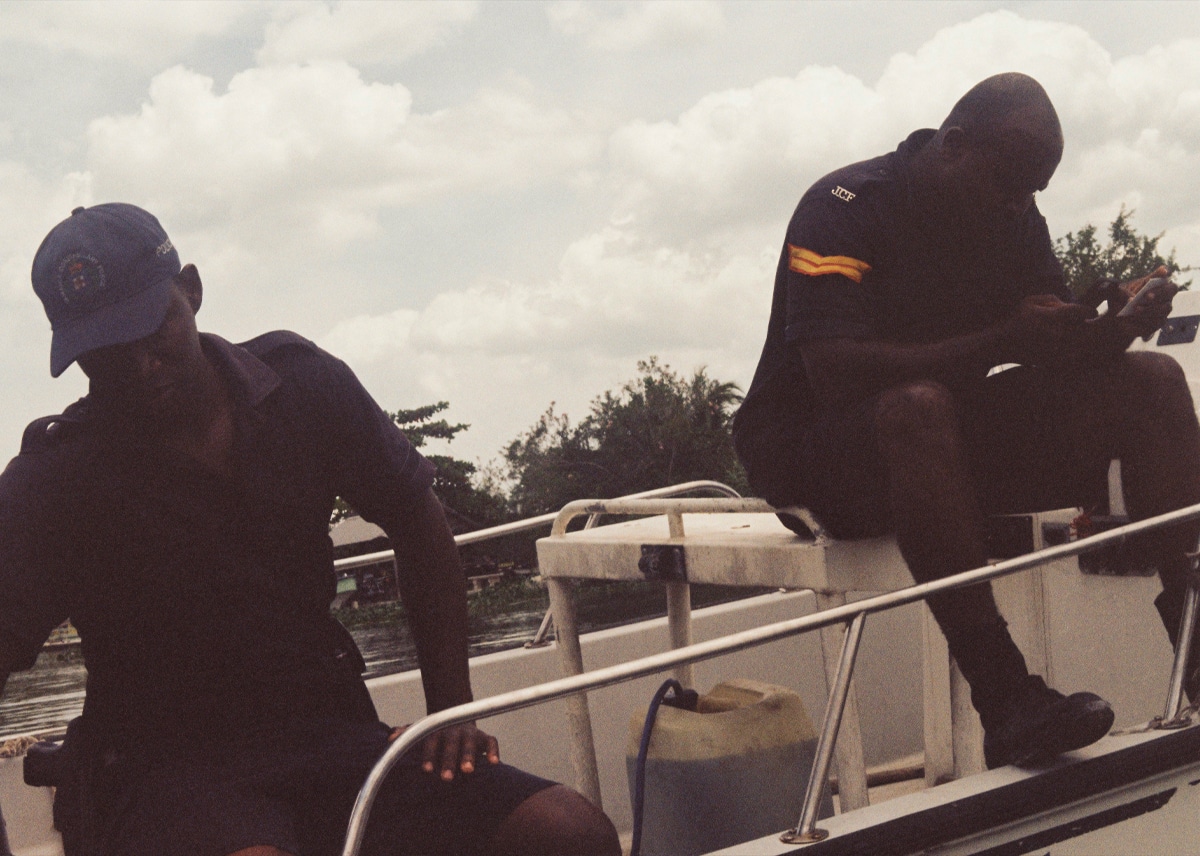
Marlon James: a Jamaican reckoning
'A return to a home I barely knew'
Haunting the Black Air
Poetic freedom across space and time
The Disappearers
A sprawling visceral experience that drops you in head first