Stay in your lane?
Reading for Carnival
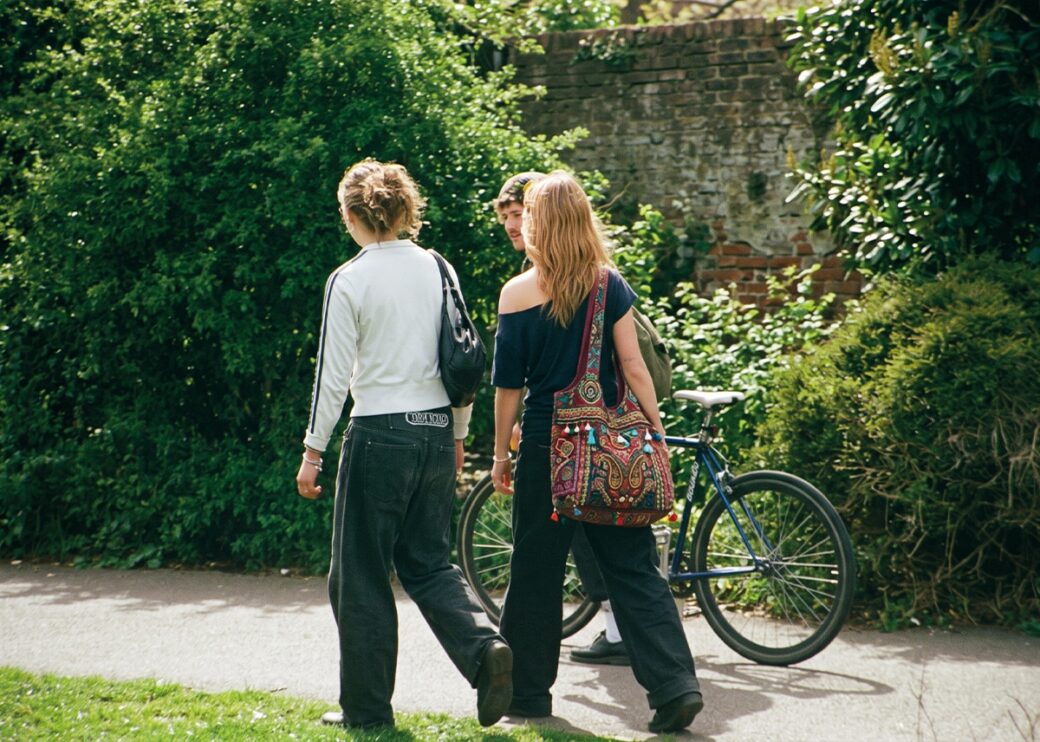
A few years ago, on a late August bank holiday weekend, I stumbled down Talbot Road in Notting Hill. Carnival in full swing, rum and lager mingling happily in my system. I turned my head to shout something back to my friends and narrowly missed bumping into a woman walking across me. She looked at me with disgust. ‘Fucking white boys’, she said, and moved on.
Perhaps because I grew up in North Kensington, because I have worked Carnival and woken up to it every year, I had always assumed that I was different from the interlopers in Caleb Azumah Nelson’s Open Water: looking down at the crowds from a house party with ‘rooftop vibes’ and ‘speaking a mimicry of broken English’.
The woman’s words stayed with me because, rather than ignoring me or somehow knowing me for a local, she saw me as I must have appeared: a white boy clumsily barrelling through a celebration of the culture whose flag she had draped across her back. A celebration born from the pain and abuses inflicted in Notting Hill by people who look like me.
Would ‘thinking black’ have made me less offensive in that moment? Once I had entered her space, I think probably not. No amount of thoughtfulness or good intentions can control the way people first perceive us: our skin, our clothes, hair, eyes, voice. Thinking through a lens of a different colour can’t change how we are first perceived, but it might help us avoid clumsily stumbling into others in the first place.
That shift happens in the deliberate attempt to see the world through someone else’s eyes, no matter how different it might look.
Reading is an exceptional way to understand perspectives beyond our own. To read fiction by Black British writers is to exercise ‘thinking black’. To focalise oneself through the mind, narratives, experiences of another is to empathise with them. Conversely, to blinker ourselves to art only composed by people who look like us, or who share our gender, class, locale or sexuality, would be intellectual self-harm.
It should naturally follow that, in the same way our reading isn’t pigeonholed into identity, our writing shouldn’t be either. The result of white writers ignoring their Black counterparts’ books in public forums and vice versa is surely the marginalisation of voices, experiences, expression. The refusal to allow a writer to be more than the sum of their identity.
There is an abdication of responsibility inherent in ‘staying in your lane’. To write and live blind to perspectives beyond your own is to write and live thoughtlessly. It silences the voices of those who don’t fit the culturally dominant identity category. It creates people without empathy for each other, unable to understand, sympathise with or find joy in each others’ lives.
I am not Black or Pentecostal or queer, but I thoroughly enjoyed the queer Black British poet Keith Jarrett’s latest collection, Hide Me Under the Blood and I Shall Be Satisfied. I reviewed it for WritersMosaic. It beats with church stories, holds a magnifying glass to the language of class through the Oneness tradition, uses rebelliously camp voices to tell stories in the legacy of Empire.
There are many other, better writers with a closer biographical ‘match’ to these touchstones than me. Would a queer, Pentecostal, Black British writer have written a better review? Very possibly. Some images might have had a more immediate emotional resonance with this writer. There might be nuances that flew over my head.
I now, however, have a far greater understanding of the Pentecostal church in Britain than I did before reading the collection. In the contemplative process of review, Jarrett’s speakers and flights of fancy crystallised in my head and my heart. Because I was allowed to take the time to step out of my ‘lane’, those perspectives and experiences are not only more knowable but so obviously loved, where before I could not have known them at all.
And is that not the point of all this? The writing, the painting, the filming. The making, the dancing. To amplify love, understanding, catharsis.
Jarrett wrote on his Instagram story after reposting my review that ‘it’s almost overwhelming, after taking a few years to write this one […] and then feeling someone “gets” what you were trying to do’. We can’t inhabit another’s body or mind or memories, but through reading intentionally we can at least approach an understanding of perspectives beyond the mirror of our own identities.
There is, of course, a limitation to the possibility of my ‘thinking black’ in more creative writing. Fiction famously cannot work unless it tells ‘the truth’. I am not so arrogant as to think that I could reach that threshold writing about the Black British experience through a fictionalised Black perspective. We have countless other writers with a far more intimate knowledge of that truth than me.
It is true that a fiction writer must imagine characters who are not themselves. It may be that ‘thinking black’ then becomes a useful exercise, but that intentionality must first cause the writer to stop and ask: why me? why this? why now? It may still be that their project is useful, that perspective necessary, the execution sensitive. But it will nevertheless be limited.
I will be at the next Notting Hill Carnival, drinking rum and lager with the same friends. I will try to be more aware of my surroundings. Maybe, like my privilege as a local, that will turn out to be another self-flattering story I tell myself about my identity. I will be less clumsy and more intentional. If that is a form of ‘thinking black’ then that is what I will be doing. My part in the collective joy will be as enthusiastic as ever.
After all, what else is there? What else but loving our neighbours, bass through the body, trying to keep step with the party.
© Magnus McDowall
Magnus McDowall
Magnus McDowall is a poet from London and a postgraduate student on the Creative Writing MSt at the University of Oxford.
Stay in your lane?
Editorial
Colin Grant
Beyond Baldwin
Taíno Mendez

Scuffing the lines
Naomi Foyle
Cul-de-sacs of the mind
Chitra Ramaswamy

Thinking white
Will Harris
On finding kinship in difference
Amy Abdelnoor
A matter of survival
Maggie Gee

Not another poem about my father
Hannah Lowe
WritersMosaic monthly
Get new episodes by email
One email monthly, unsubscribe anytime

Illuminating, in-depth conversations between writers.
Listen to all episodes
SpotifyApple Podcasts
Amazon Music
YouTube
Other apps

The series that tells the true-life stories of migration to the UK.
Listen to all episodes
SpotifyApple Podcasts
Amazon Music
YouTube
Other apps
In the first series of poems commissioned by Hannah Lowe, six poets explore how ritual gives meaning to our lives.
Listen to all episodes
SpotifyApple Podcasts
YouTube

It’s being published I get paid for; the writing I would do for free
‘Any advance [...] for your novel is to compensate you for the horrors of being published'
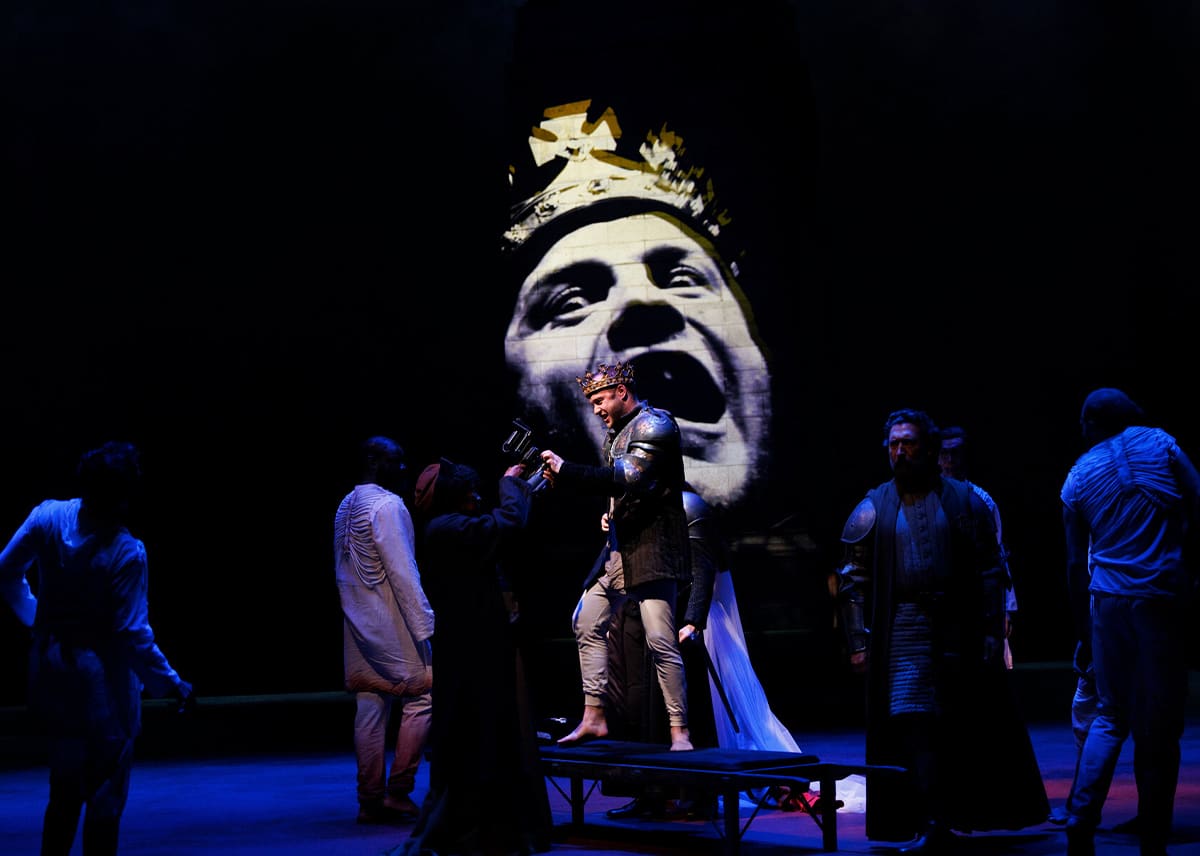
Complex antihero: an interview with Arthur Hughes
Unravelling Authur Hughes' Richard III
Marlon James: a Jamaican reckoning
'A return to a home I barely knew'

Haunting the Black Air
Poetic freedom across space and time
The Disappearers
A sprawling visceral experience that drops you in head first