
Blood Legacy

Alex Renton
Canongate 2021
Review by Tomiwa Owolade
After the Black Lives Matter protests and debates last summer, Britain’s role in the transatlantic slave trade has reached an unprecedented level of publicity. The key question is this: how can Britain reckon with this pernicious legacy? In light of this, Alex Renton’s new book, Blood Legacy: Reckoning with a Family’s Story of Slavery, is timely.
Blood Legacy is split into two parts. The first section is about the slave plantations that Renton’s ancestors owned on the island of Tobago. The second section is longer and concerns both slavery and post-emancipation nineteenth-century colonialism in Jamaica. Renton’s maternal grandfather, James Fergusson, was a distinguished journalist and historian. He was also the 8th Baronet of Kilkerran. Renton uses the ample files James Fergusson curated to trace the activities of their ancestors.
On the topic of slavery, James Fergusson was torn. ‘My grandfather’, Renton writes, ‘while clearly affected by the details in the letters he had read, considered Adam Fergusson, who for nearly fifty years ran the family’s plantations in Tobago and Jamaica from Britain, an ideal figure from a supremely civilised time’.
Renton describes Adam Fergusson, the 3rd Baronet of Kilkerran, as ‘the ideal of a late eighteenth-century gentleman: educated, well-travelled, brilliantly connected and comfortably wealthy’. He was acquainted with David Hume, Adam Smith, and James Boswell. But he also owned humans.
One distinctive element of this book is Renton’s attempt to confront these tensions: the intimacy of family relations with the alienating horror of enslaving other humans; the recognition that figures of the Enlightenment could play significant roles in a moral abomination.
Both sections of Blood Legacy are bookended by chapters in which Renton surveys contemporary Tobago and Jamaica. He references Gerard Hutchinson and Frederick Hickling, two academics who conceived the term ‘roast breadfruit psychosis’ to explain why many Caribbean men who migrated to Britain after the Second World War suffered from schizophrenia and other mental health problems.
The roast breadfruit syndrome paper, simply put, describes what happens when someone identifies with a culture whose inhabitants reject them: black people ‘trying to be’, Renton writes, ‘like the roast breadfruit, white inside their black skin’. There are parallels with some of the ideas of Frantz Fanon, and also with W.E.B. DuBois’s notion of double consciousness – feeling both an insider but also alienated.
Near the end of the book, Renton raises the subject of reparations. ‘Every Jamaican and Tobagan I’ve spoken to’, he writes, ‘backs reparations, though for many that is just a detail in a much bigger process of acknowledgement and reconciliation’.
He adds that, ‘if the reparations issue can work as a lever to open the doors for a frank debate with Europe, then that is a good thing’. The overwhelming sense here is of reparations as a symbol for atonement – without which constructive efforts to heal racial wounds would be futile. He speaks to the Jamaican academic, Verene Shepherd, who views reparations ‘as a decisive move towards ending racism’. This is a bold statement, and I would have loved to read more about what reparations would specifically look like in practice: which countries will receive them; which specific communities and or individuals within these countries will receive them; and whether it would be a lump sum or a gradual payment.
Symbols are, of course, important. But one of the problems with a lot of contemporary discourse on race is the absence of a granular focus on the material issues affecting black people. Nevertheless, Blood Legacy is a fascinating and very informative book on an important part of Britain’s past and its complex legacy.
https://canongate.co.uk/books/3128-blood-legacy-reckoning-with-a-familys-story-of-slavery/
WritersMosaic monthly
Get new reviews in your inbox
One email monthly, unsubscribe anytime
The 90s: Art and Fashion
'Inside are almost 70 artists, designers and photographers [...] just not quite as you’d hope'
Kikuyu Land
A necessary, but perhaps not fully realized, insight into how colonialism and capitalism have fed into Kenya’s current political situation

The Recovery House
A love letter to the vicissitudes of being a novelist

Safe Spaces
Tice Cin's hotly anticipated second book is a literary mixtape of voices and forms

Get in line
What does a queue have to do with anything? A lot, says Snežana Ċurčić
Ladies of the Rachmaninoff Eyes
The impact of space between what is happening on and off the page

Becoming Home: Sight
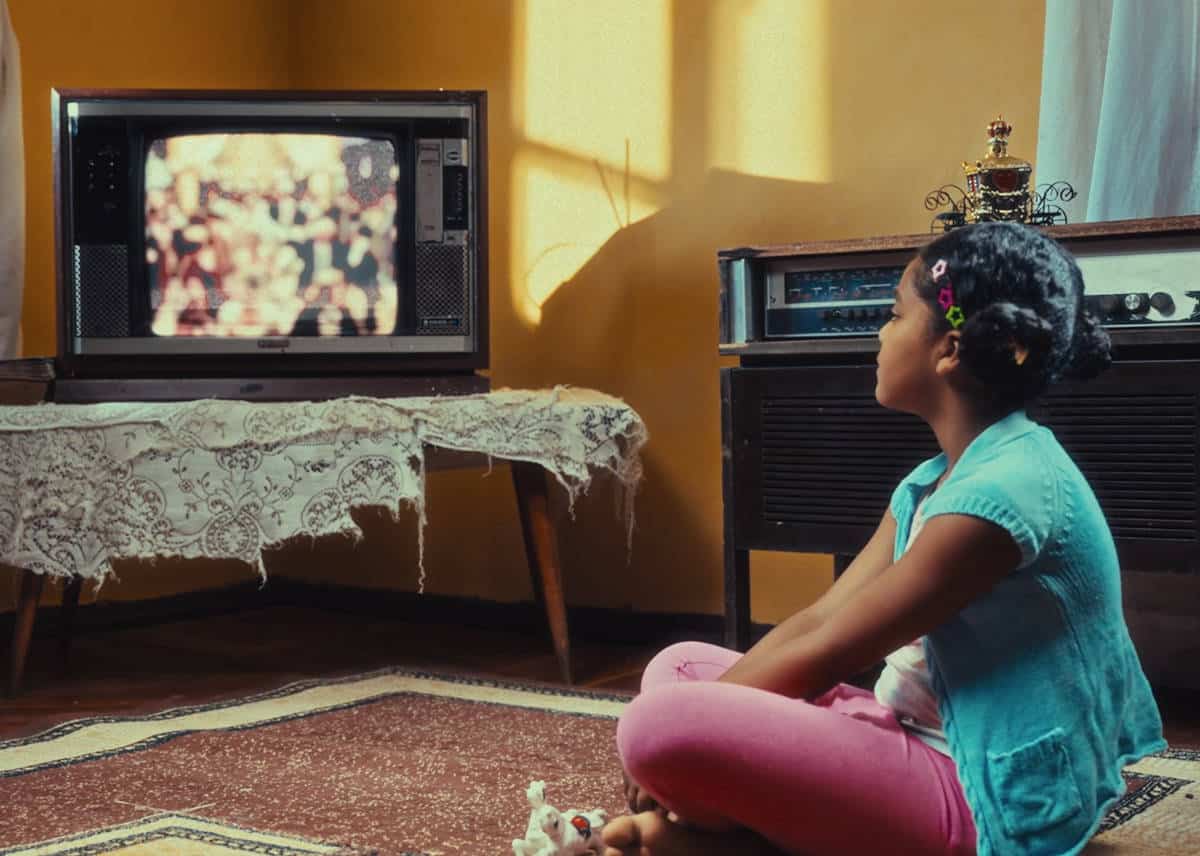
The first in Becoming Home, a series of four short films by Adïam Yemane, commissioned by WritersMosaic. This film centres on Adïam's own story, exploring the meaning of home through sight.
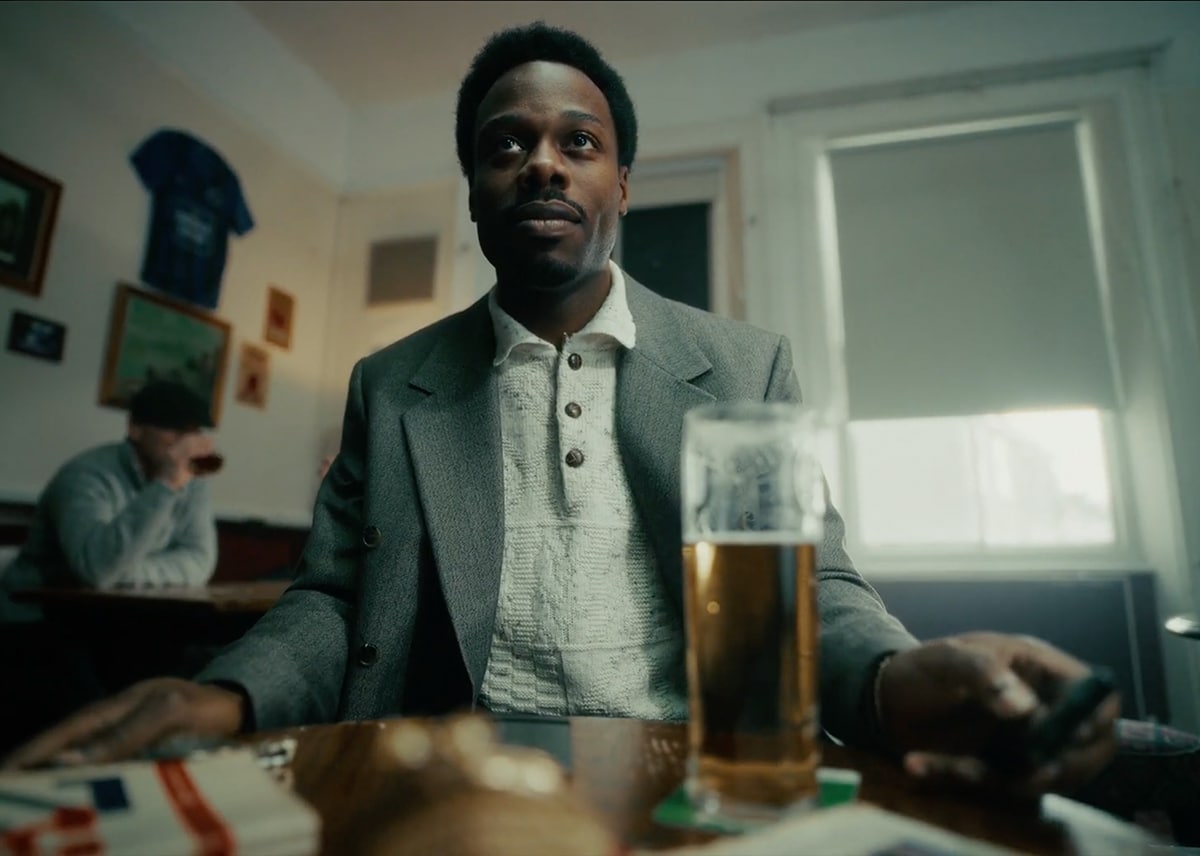
Fruity
A darkly comic crime short film written by and starring Delon Jessop and directed by James Baines.

Illuminating, in-depth conversations between writers.
Listen to all episodes
SpotifyApple Podcasts
Amazon Music
YouTube
Other apps

The series that tells the true-life stories of migration to the UK.
Listen to all episodes
SpotifyApple Podcasts
Amazon Music
YouTube
Other apps
In this second series of poems commissioned by Hannah Lowe, six poets explore the theme of surveillance.
Listen to all episodes
SpotifyApple Podcasts
YouTube