
The Thing with Feathers
Directed by Dylan Southern, 2025
‘Krip krap krip krap,’ says Crow. ‘Who’s that lazurusting beans of my cut-out?’ ‘In with the bins, singing the hymns. / I lost a wife once,’ says Crow.
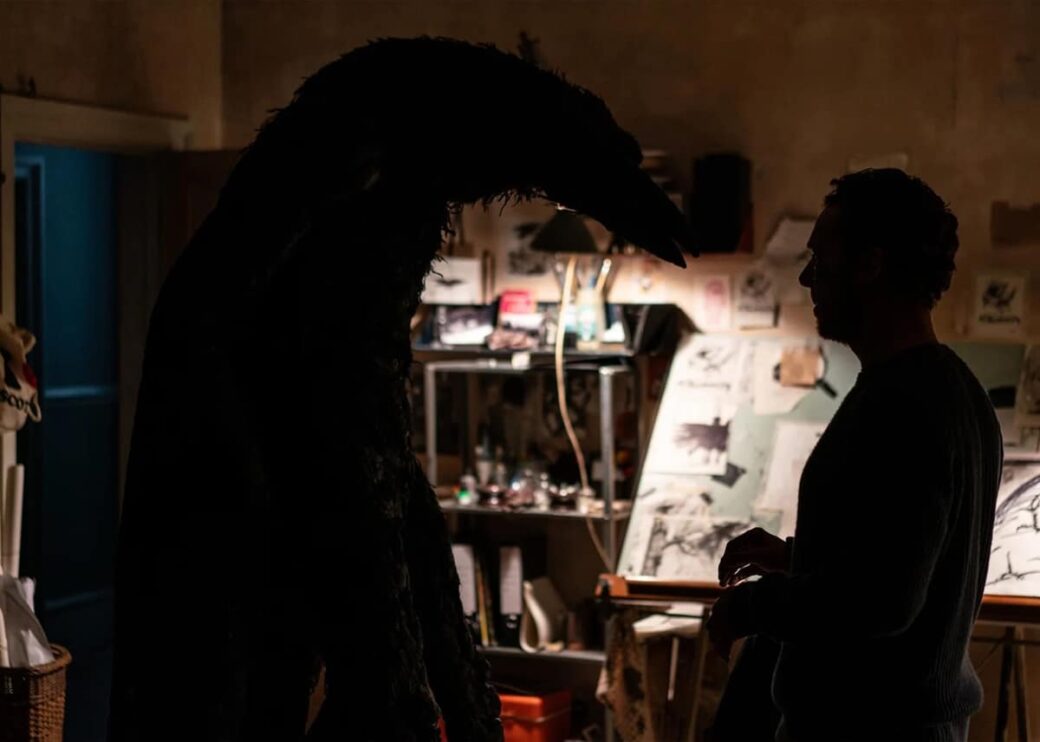
Crow becomes a giant, animatronic sculpture in Dylan Southern’s film adaptation of Max Porter’s poetic novella Grief is the Thing with Feathers (Faber, 2015). He is a horror-slash-melodrama-slash-arthouse-action-figure, a character so larger-than-life that the 6’4” actor playing Crow, Eric Lampaert, needed stilts and a neck brace to fit into the bird’s costume.
Benedict Cumberbatch stars as Dad, whose grief at the death of his wife first invites Crow into the Clapham flat. The supporting cast is a collection of big names in British acting, all playing second fiddle to the two primary school-age ‘Boys’ (Richard and Henry Boxall). The children grieve their mother stoically, childishly, heartbreakingly. They grieve through play. In so many instances they are a rock for Dad to lean on, Cumberbatch’s face contorted with emotion and the boys brilliantly calm, just holding him because they understand.
‘p p p, yes, ooh hang on, paradiddle Parasaurolophus watch with mother spies and weddings hang on, ignore that, here we go… / Playdates!’ says Crow.
Max Porter’s book Grief Is the Thing With Feathers garnered outstanding critical acclaim, winning the Dylan Thomas Prize, the Goldsmiths Prize and the Europese Literatuurprijs. It borrows from Ted Hughes’s volume of poetry, Crow, and takes its title from an Emily Dickinson poem, ‘Hope Is The Thing With Feathers’. In emotional heft, originality and ambition, Grief Is The Thing With Feathers stands alongside both as an equal. It mixes verse with prose poetry from the perspectives of ‘Dad’, ‘Boys’ and ‘Crow’ across an indefinite timeline after the death of a Mum whose voice is left out entirely. Rather than being about her, the poetry focuses on the family she leaves behind, the new ways they learn to love both her and each other in their grief.
The book’s triptych form begins with Crow forcing his way into the lives of Dad and the Boys, telling Dad, ‘I won’t leave until you don’t need me any more.’ In the second part, Crow takes over parenting duties where Dad cannot. He plays games with the Boys that end with him being ‘cooked […] in a very hot oven until he was nothing but cells.’ He keeps Dad sane and protects the house from despair. In the final part, he is more a nostalgic vehicle for Dad and the Boys, a metaphor they use to talk about their mother with joy. All three still blurt out ‘KRAAH’ regularly.
The film adaptation is Southern’s first venture away from documentary filmmaking and he has said that he tried to be as faithful to Porter’s original as possible. The prose poem form can’t be replicated on screen but in the elision of genre – the film veers wildly from jump scares to heartfelt to gruesome – he has kept its unpredictability. The story, too, remains largely intact and the best lines of dialogue are lifted directly from the book. The most obvious departure is that whereas Porter’s Dad is a Hughes scholar, Southern’s ‘sad Dad’ is a comic book artist obsessively scribbling crows.
Crow, however, is markedly different in the film. Porter describes Crow as a ‘metrosexual’ who ‘has come here to say: “Men, stop taking yourself so seriously.”’ Southern’s Crow, on the other hand, has a deep, northern accent, voiced by David Thewlis. He fist-fights Cumberbatch regularly and always wins. He doesn’t ‘show symptoms related to unfulfilled maternal fantasies’, or do ‘squitty little shits in places I knew he’d never clean’. He is certainly no ‘metrosexual’. He is, however, endearingly arrogant, in a way that Porter’s Crow never is. After the graphic battle between Crow and the demon, Crow mocks the boys, taunting, ‘We need you Crow, we need you Crow! Obviously…’ He relishes the performance of his masculinity, encouraging the Boys to be more animalistic and primal, and less ‘proper’.
‘There is a beautiful lazy swagger to tired little men,’ says Crow. ‘It is uncannily like blood-drunk fox cubs.’
Southern puts masculinity front and centre in the film. Cumberbatch says it tries to depict ‘a particularly male form of grief’ – the Dad’s best mate, Paul (Sam Spruell), offers Cumberbatch a ‘particularly male’ form of support. The two men are seen tangentially talking about emotion over a pint, or sitting in silence smoking while Cumberbatch shakes. Spruell tells him he’s worried about him. Cumberbatch shrugs him off.
These are the men the Boys will try to become. They are both fundamentally good men. Spruell’s character is kind; his practical offers to help are exactly what Cumberbatch’s Dad needs. Perhaps it is the contrast with these gruff, older men that renders the Boys’ stoicism so heart-wrenching. We see their trembling lower lips as they try to help their Dad. We see their joy at finally seeing him break down and cry out, ‘I LOVE YOU I LOVE YOU I LOVE YOU.’
Reading the book gives the film much-needed context. Without it, the horror risks jarring with the beauty of the Dad-Boys relationship. The book steels us to the film’s scarier parts and helps us see only Crow the guardian, Crow the facilitator of healing. The film’s Crow feels more dangerous, his entrance a threat to the Boys. The film can be chaotic and the book is a soothing balm. Our lives are much, much richer for both.
‘Patience,’ says Crow. ‘I believe in the therapeutic method.’
Magnus McDowall
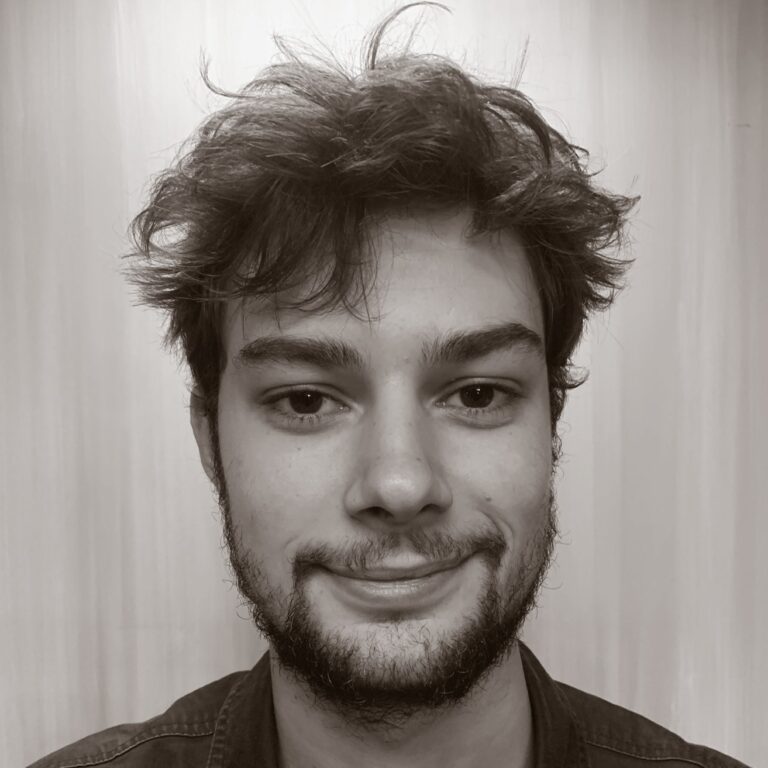
Magnus McDowall’s poems have appeared in magazines in London, Edinburgh and Pittsburgh, including Outcrop Poetry and little living room.

RENDANG
A magical reclamation of individuality from the mass of some of the world’s largest cities

Granta 173: India
A look at four short pieces of fiction from Granta's latest edition showcasing Indian writing
It Was Just an Accident
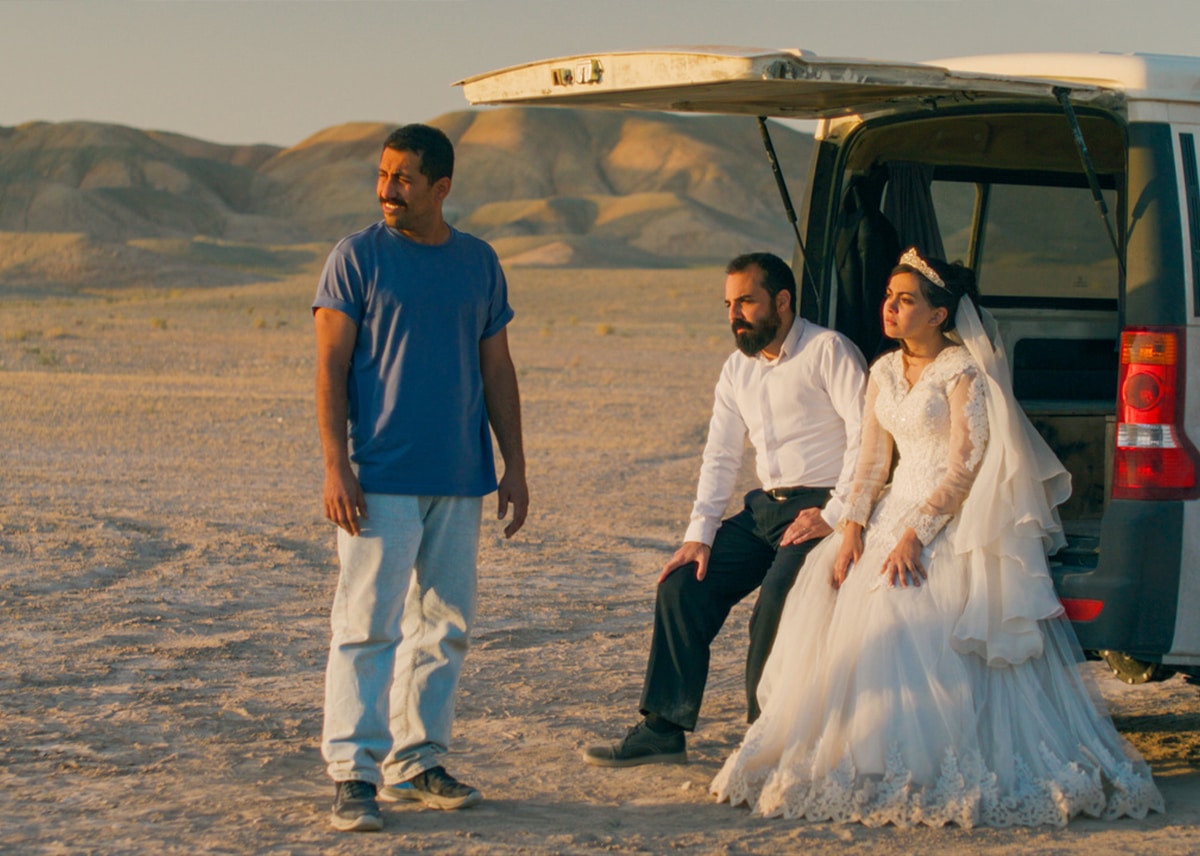
Iranian director Jafar Panahi's film probes the relationship between individuals, the state and violence with determined humanism



Watching a theatre go dark
What we lost with the Blue Elephant Theatre

Waste not, want not
The cultural politics of waste
Frank Bowling
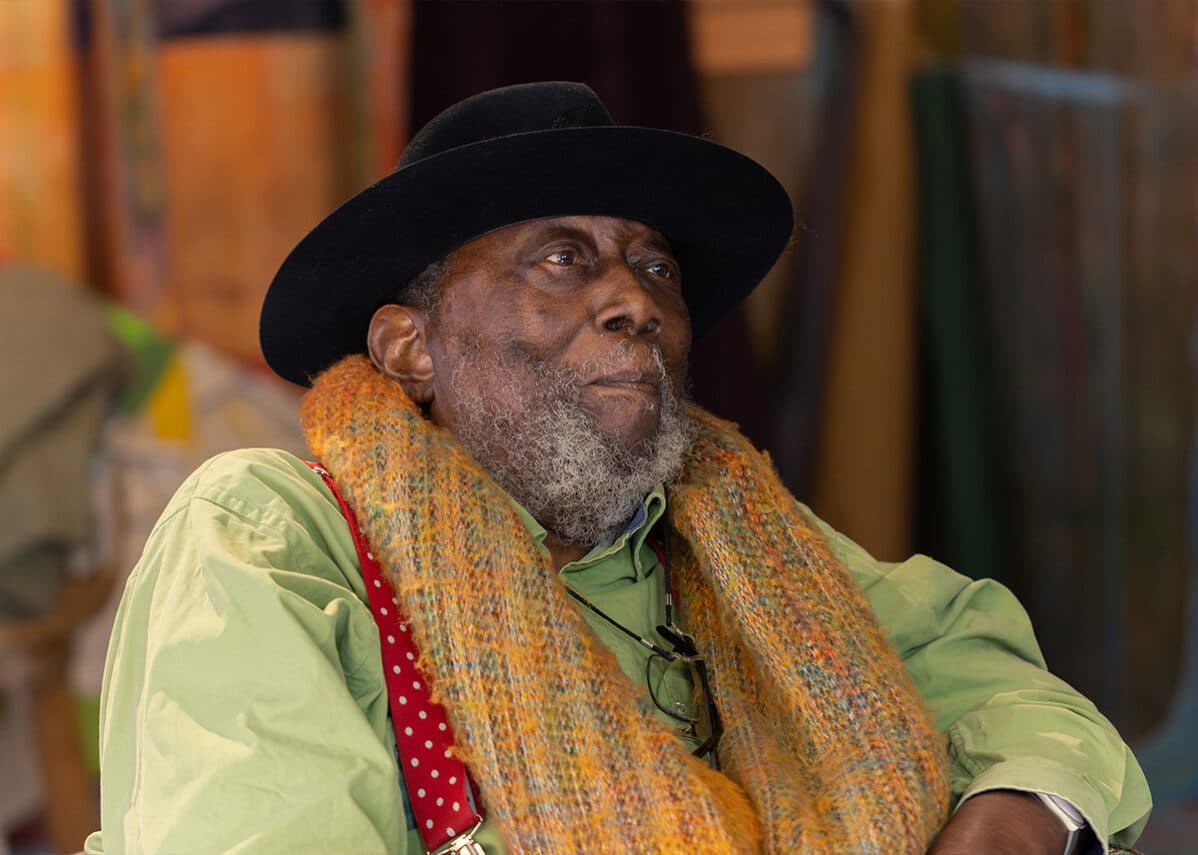
An interview with one of the foremost artists of his generation, Sir Frank Bowling

Reggae Story
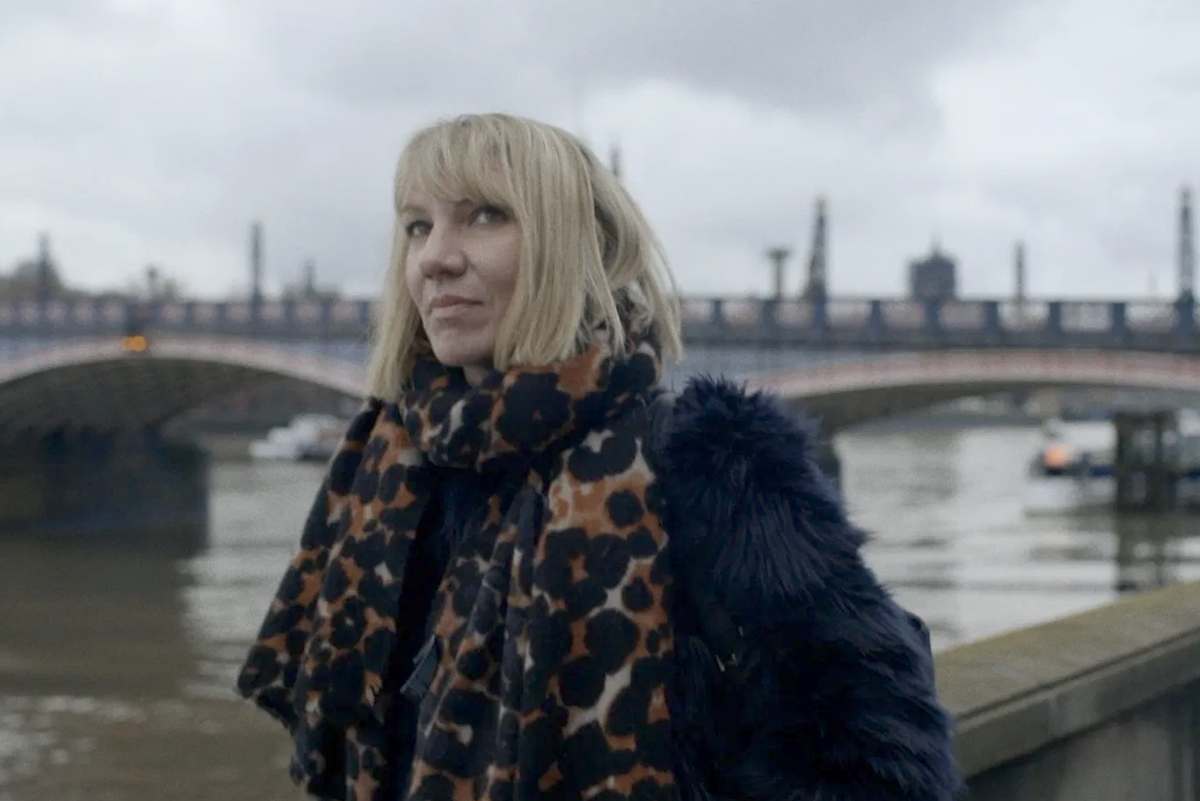
Hannah Lowe reads her poem, 'Reggae Story' inspired by her Jamaican father, Chick. Directed by Matthew Thompson and commissioned by the Adrian Brinkerhoff Poetry Foundation.
The City Kids See the Sea
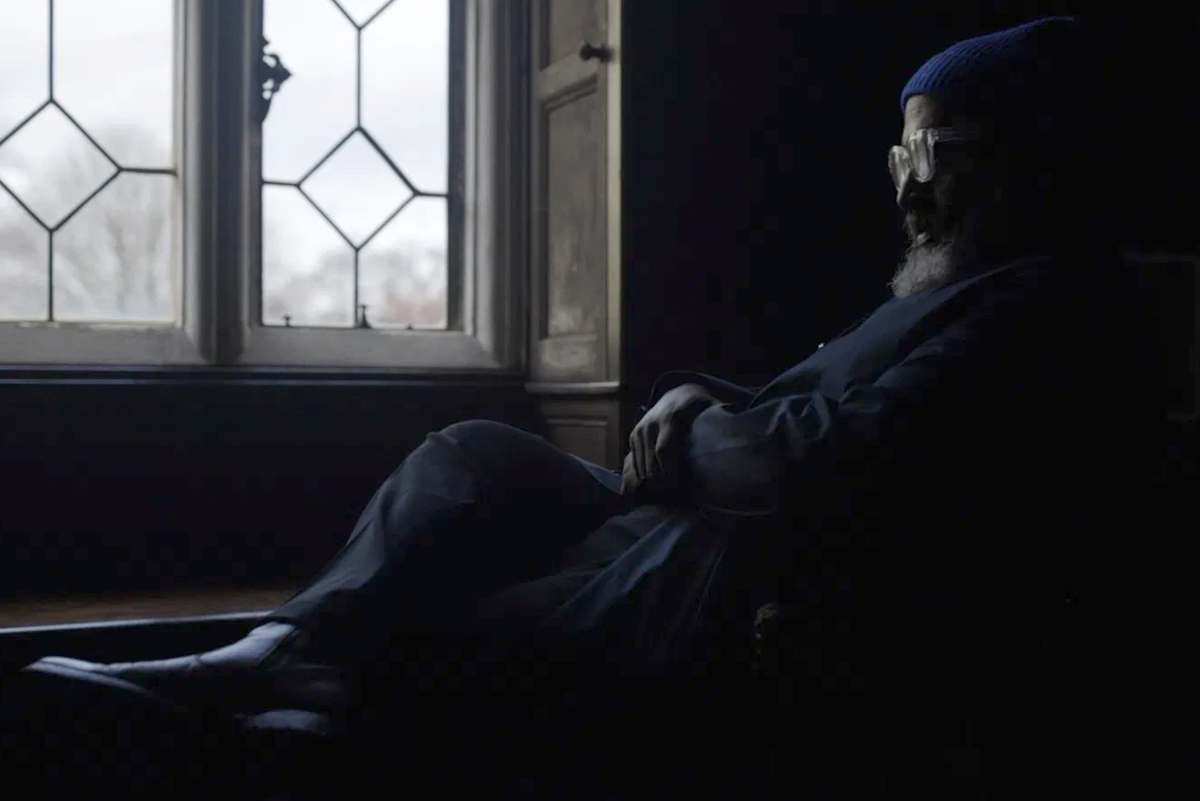
Roger Robinson reads his poem, 'The City Kids See the Sea'. Directed by Matthew Thompson and commissioned by the Adrian Brinkerhoff Poetry Foundation.

Illuminating, in-depth conversations between writers.
Listen to all episodes
SpotifyApple Podcasts
Amazon Music
YouTube
Other apps

The series that tells the true-life stories of migration to the UK.
Listen to all episodes
SpotifyApple Podcasts
Amazon Music
YouTube
Other apps
Afro-Caribbean writer Frantz Fanon, his work as a psychiatrist and commitment to independence movements.
Listen to all episodes
SpotifyApple Podcasts
YouTube