
Ernest Cole: Lost and Found

(directed by Raoul Peck)
Review by Roger Robinson
1.
I’m old enough to remember the famous Nelson Mandela 70th birthday concert, where hearing the Jerry Dammers song ‘Free Nelson Mandela’ made me rush out the next day and buy the 45” single—even though, at the time, I didn’t even have a record player.
The mid- to late-eighties saw me marching with placards in hand in my budding activist phase—shouting until my throat was hoarse against apartheid and Thatcher’s refusal to impose sanctions on the South African government.
The sway and unity of the crowd in protest—its physical presence—was as close as I ever got to a visceral feeling of my whole body and voice rallying against apartheid.
I introduce this personal context not for self-congratulation, but to highlight how little I actually knew about everyday life for South Africans. (I suspect my ignorance was also fueled by the strict control of information by the South African government.)
But what exactly was I protesting against? It was, perhaps, the principle of apartheid. On reflection, I knew very little about the day-to-day horrors that South Africans endured. Physical protest, it seemed, was all that was required of me to signal that I was anti-apartheid.
2.
It is indeed a difficult thing to present someone’s suffering in a narrative that may come across as entertaining or stylistically beautiful.
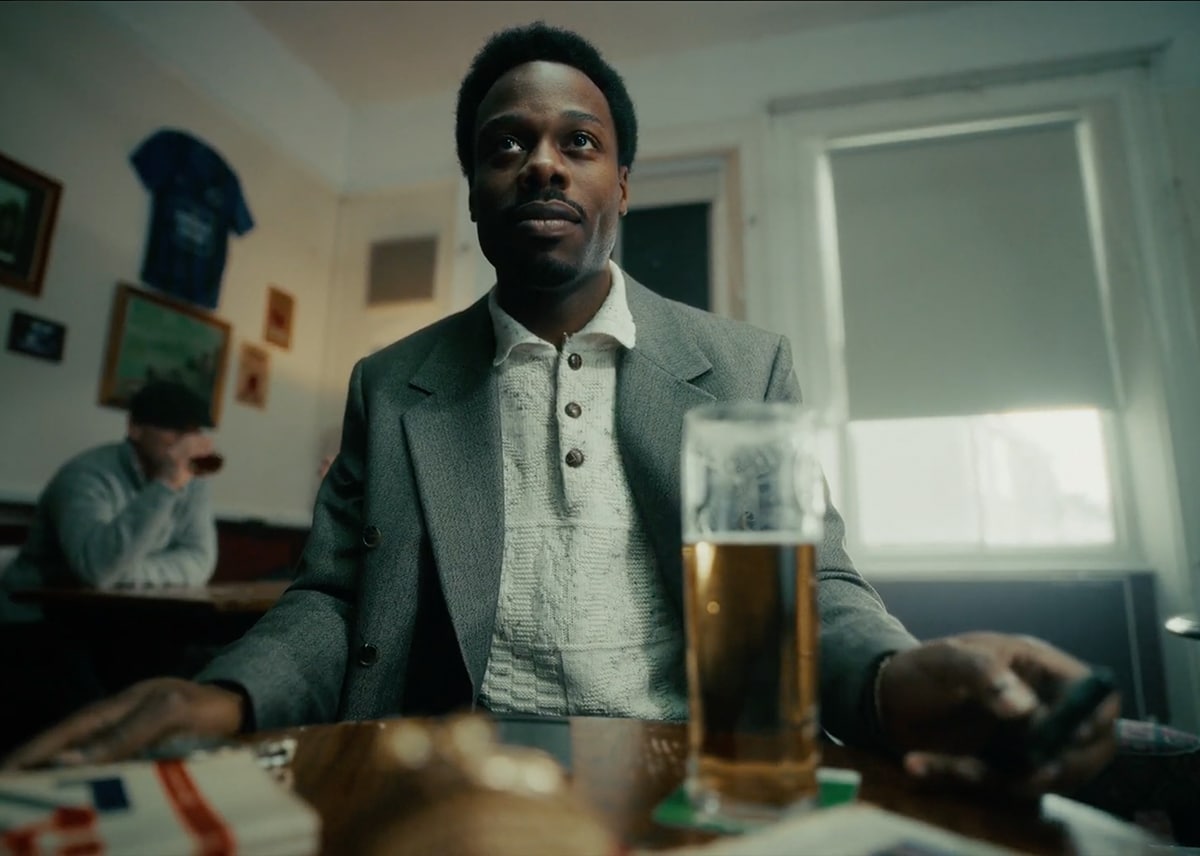
Raoul Peck’s film doesn’t have much of a consistent narrative about the South African photographer Ernest Cole himself, but rather draws on Cole’s philosophical musings to create a rhetorical mood, serving as a jumping-off point for examining historical moments in South Africa and America.
One could accuse the film of being vague on personal details: the causes of Cole’s homelessness in exile in the United States, his descent into destitution, and how his archive ended up in a Swiss bank. Instead, the film opts for a highly stylised mood. A voice actor (Lakeith Stanfield) reads Ernest Cole’s deep introspections while his photographs are presented in montage and juxtaposition.
I question the presentation and how it might fail to reflect the authenticity of his struggle—or perhaps I’m really questioning my own perception of South Africa’s energy of resistance, filtered through the protests I experienced in England.
What is not in question is the quality and importance of his photography, or that a major artist has been overlooked. Nor the barbaric nature of apartheid in South Africa. When confronted with the grim, black-and-white images from someone on the inside, you feel the brutality from a first-person point of view—it convicts you, and the governments that supported such barbarism.
3.
The rain on our galvanised shacks woke our babies /
we drowned in bottles of black liquor /
we were stopped /
our identity cards begged them: please do not kill us /
we marched, danced, and sang our sorrow /
we lived our shades of skin /
stripped bare /
of dignity /
we kept rage safely in our eyes /
our loss was the law /
our dignity, a crime /
dry bread and black coffee when the morning came /
dark dawn /
morning Kombis crossing three hours of potholes to work /
three hours back for pap and tripe in dark night /
my children were born and I never saw them again /
we were owners of struggle /
where we sat, talked, ate, and lived had its own signage /
just for us /
citizens of nowhere /
with breaths of dust /
with crowns of flies /
after a while, death was just death /
just normal.
4.
The success of Raoul Peck’s film, for all its laid-back, laconic styling, lies in how it immerses you in the context of South African oppression, exile, and the intersections with American culture and poverty.
It unifies Cole’s thoughts and images without distraction.
And perhaps that visceral feeling I had during physical protests—without significant knowledge or understanding of the everyday lives and laws South Africans endured—was just bombast on my part.
Perhaps the calm, rational presentation of the gruesome details is ultimately more effective—allowing our parasympathetic nervous system to empathise, instead of simply react.
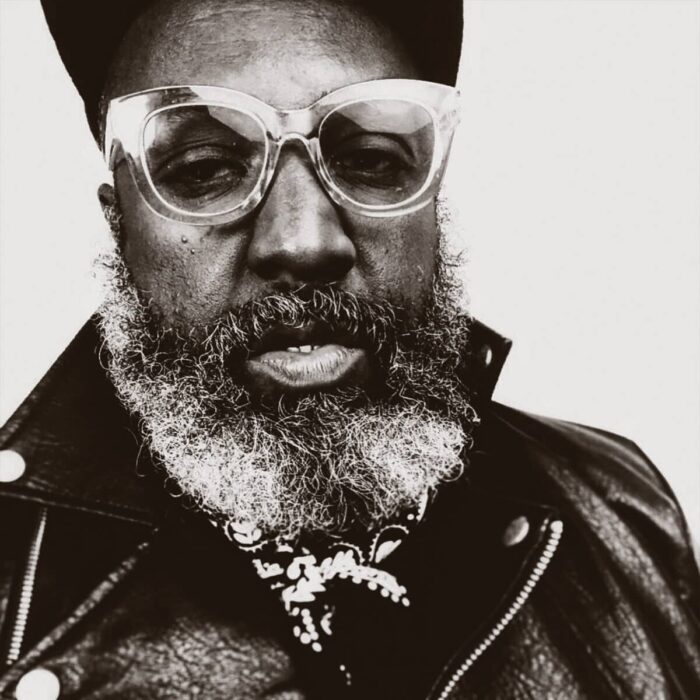
Roger Robinson
Roger Robinson is an award-winning writer and performer from Trinidad now living in Britain.
WritersMosaic monthly
Get new reviews in your inbox
One email monthly, unsubscribe anytime
The Disappearers
A sprawling visceral experience that drops you in head first
The Lady Imam
Is the world ready to catch up with amina wadud?
Pressure
What's missing from the latest 'untold story behind D-Day'?


Complex antihero: an interview with Arthur Hughes
Unravelling Authur Hughes' Richard III
Marlon James: a Jamaican reckoning
'A return to a home I barely knew'
The name of this wallpaper is ‘Childhood’
A luminescent bubble of memory



Illuminating, in-depth conversations between writers.
Listen to all episodes
SpotifyApple Podcasts
Amazon Music
YouTube
Other apps

The series that tells the true-life stories of migration to the UK.
Listen to all episodes
SpotifyApple Podcasts
Amazon Music
YouTube
Other apps
WritersMosaic interrogates the notion of ‘staying in your lane’ by asking writers how they attempt to think beyond the parameters of their cultural identity.
Listen to all episodes
SpotifyApple Podcasts
YouTube