Everyone has an elsewhere
Anna Freud at the Freud Museum

I experienced episodes of deep emotional and psychosomatic turmoil in my twenties, and I was fortunate enough to receive clinical and psychological support from a remarkable analyst by the name of George Engel. Dr Engel was also a medical practitioner who could administer neurochemical medication to his patients, in combination with cognitive therapy, which in his case was steeped in the Freudian tradition. I was largely unaware of Sigmund Freud’s work at the time, except for the popular depictions of Woody Allen’s iconic characters in films like Stardust Memories and Deconstructing Harry. I discovered Anna Freud while reading Brief Lives (2011), a short biography of Freud by David Carter, and I was quite surprised to discover that her pioneering work with children as a clinician and theorist had transformed the discipline and practice of child psychology, and that over the course of her extraordinary career, she developed an independent voice – cautious but exacting – unabated in its clarity.
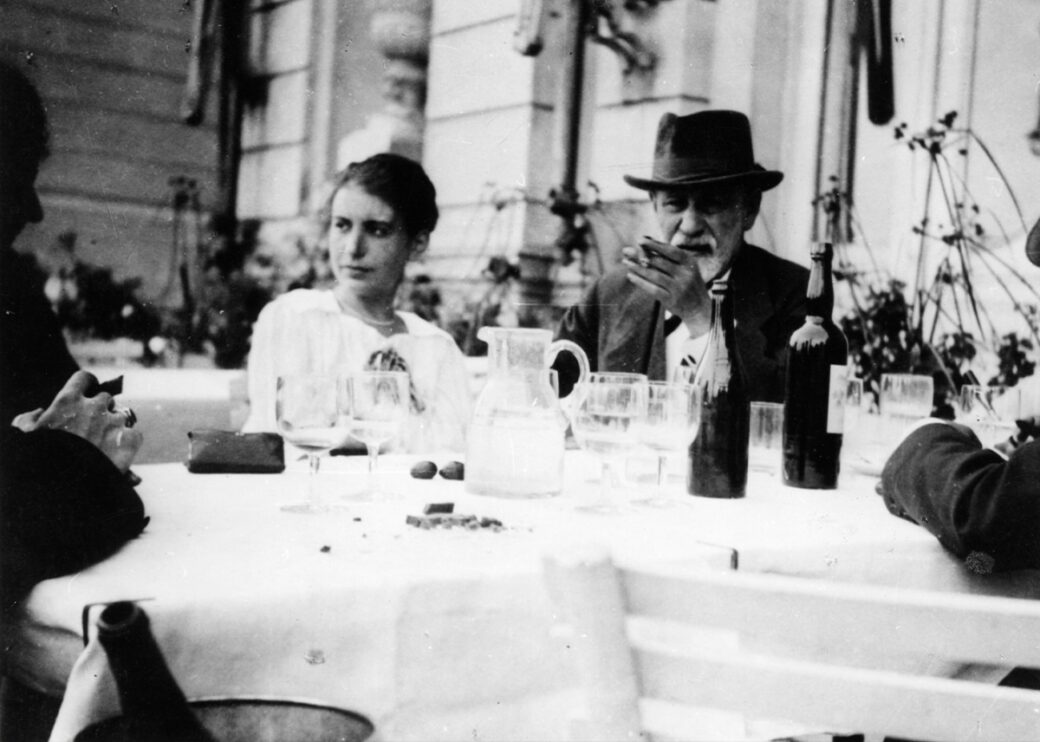
When I visited the Freud Museum recently, my eye was first drawn to Sigmund’s study: the famous couch, the Egyptian antiquities, the walls dense with scholarship. Amidst the glass cabinets, a set of Chinese and Egyptian chess-like pieces on Freud’s desk caught my attention, alongside his famous round glasses. From this intimate display of family memorabilia set among family portraits, Anna Freud’s likeness emerges like an afterimage: a photograph of her as a child reveals a gaze both wary and intent. Another photograph, placed more prominently in an upstairs room, depicts her as a confident woman beside Dorothy Burlingham, her lifelong collaborator. Her photographs with Burlingham radiate a coded intimacy, a quiet assertion of self-affirmation against the weight of patriarchal stone.
These images, though modest in number compared with those of her father, insist on Anna’s enduring presence in the family home. Indeed, the very survival of the museum is inseparable from Anna Freud: it was she who ensured that her father’s final home would remain a place dedicated to medical science and scholarship. One senses how the daughter became both curator and subject, maintaining a museum in which she herself was on display. Here, the visitor encounters not only the history of psychoanalysis, but also the legacy of a carefully curated stage set, where Anna Freud’s image is both witness and warden, with her personal library and publications featured in the museum.
I feel a huge debt of gratitude to Anna Freud for her pioneering work, which enabled me to find Dr Engel when I needed help. We live in a world where mental health in childhood and adolescence is increasingly acknowledged in public discourse, and where open conversations about this topic have acquired a new urgency. Today’s childhood unfolds against glowing screens, relentless schedules, and surveillance disguised as care. Children and young adults suffer their own forms of conflict, fashion their own defences, and create their own fragile fortresses. Anna Freud’s insistence that children are not miniature adults sounds less like theory and more like a survival code for an overstimulated generation.
Thanks to Anna’s work, I can appreciate how, in a culture in which childhood is caught between therapeutic jargon and relentless pressures, we need to be reminded that every tantrum or silence conceals a hidden message: pain, fear, hope, resistance. Modern readers, parents, and clinicians will find in her work a prescient recognition of the complex inner lives of children – an awareness that resonates strongly in a culture that is currently more aware of the realities of early childhood trauma and the difficulty of shaping one’s identity, set against the collapsing architectures of family and obsolete societal norms.
When I watched the Netflix show Adolescence, I was disappointed by what I believe to be our contemporary culture’s obsession with diagnostic codes and clinical taxonomies that reduce children and young adults to data points. Returning to Anna Freud’s writing against this sterile backdrop asks us to reimagine children not as algorithms but as enigmatic beings, improvising defences against worlds too vast for them to contain. In an age where mechanised categories and pharmaceutical interventions often dominate, Anna Freud’s perspective restores the human dimension: the child not as a case file, but as a unique person struggling to master inner conflicts. As a young adult, I was engulfed in a deep sense of dissociation from others and from myself, which offered no entry point to establishing a sense of personal identity. I think that the character in the Netflix show fundamentally suffers from the same type of dissociative neurosis.
By contrast, in Anna’s writing, the individual emerges as an organism adapting to invisible catastrophes – each case study less a diagnosis than a cautionary tale. Her work stands as both critique and guide: empathy sharpened by analytic discipline. It continues to challenge us to view education, therapy, and even parenting through a thoughtful lens informed by analytic insight.
Anna Freud’s presence at the Freud Museum is spectral yet insistent, with her photographs staging a dialogue between silence and survival. Her careful guardianship of her father’s study whispers that psychoanalysis was never the achievement of a single man, but of a family and a tradition. With her clinical brilliance, she transformed trauma into knowledge and childhood defences into maps of endurance. Anna’s legacy lies not only in her defence of her father’s reputation, but in her defence of the child as a person to be heard, understood, and protected.
As I walked past the garden’s red roses, past the impeccably trimmed hedges of Maresfield Gardens, I could feel Anna’s voice still resonating within me: firm, resolute, compassionate, and attuned to the defences and vulnerabilities of the young. As a seminal psychologist, she was an unflinching witness to the lifelong struggle of the human psyche between order and chaos, tenderness and violence. The impact of her work insists that our understanding of childhood is also our own mirror, reflecting the fragility of the adult world that surrounds us.
© Andy Bay
Everyone has an elsewhere
Editorial
Colin Grant
Searching for Nelsa Lowe
Hannah Lowe
Sketches from the edges
Naneh Hovhannisyan
Think pathology?
Colin Grant
Forests where past and present meet
Maria Jastrzębska
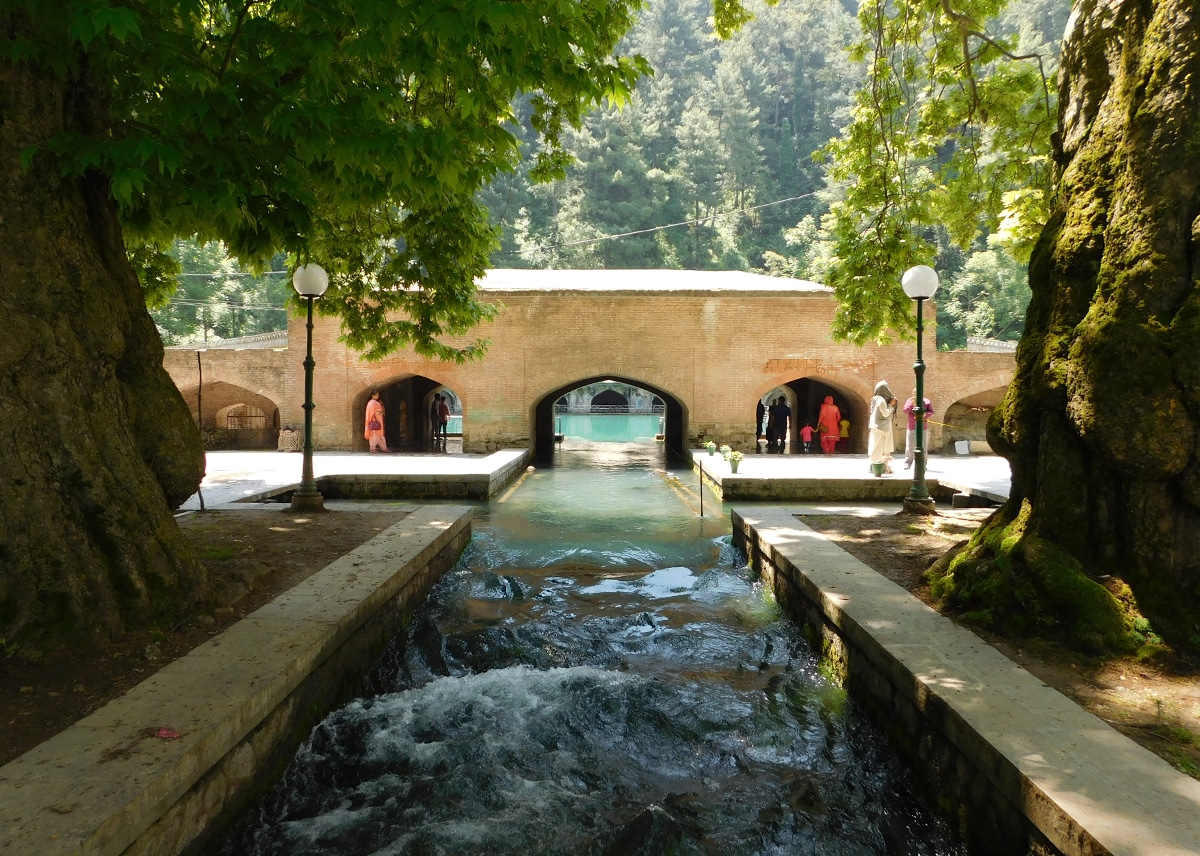
My father’s places
Mirza Waheed
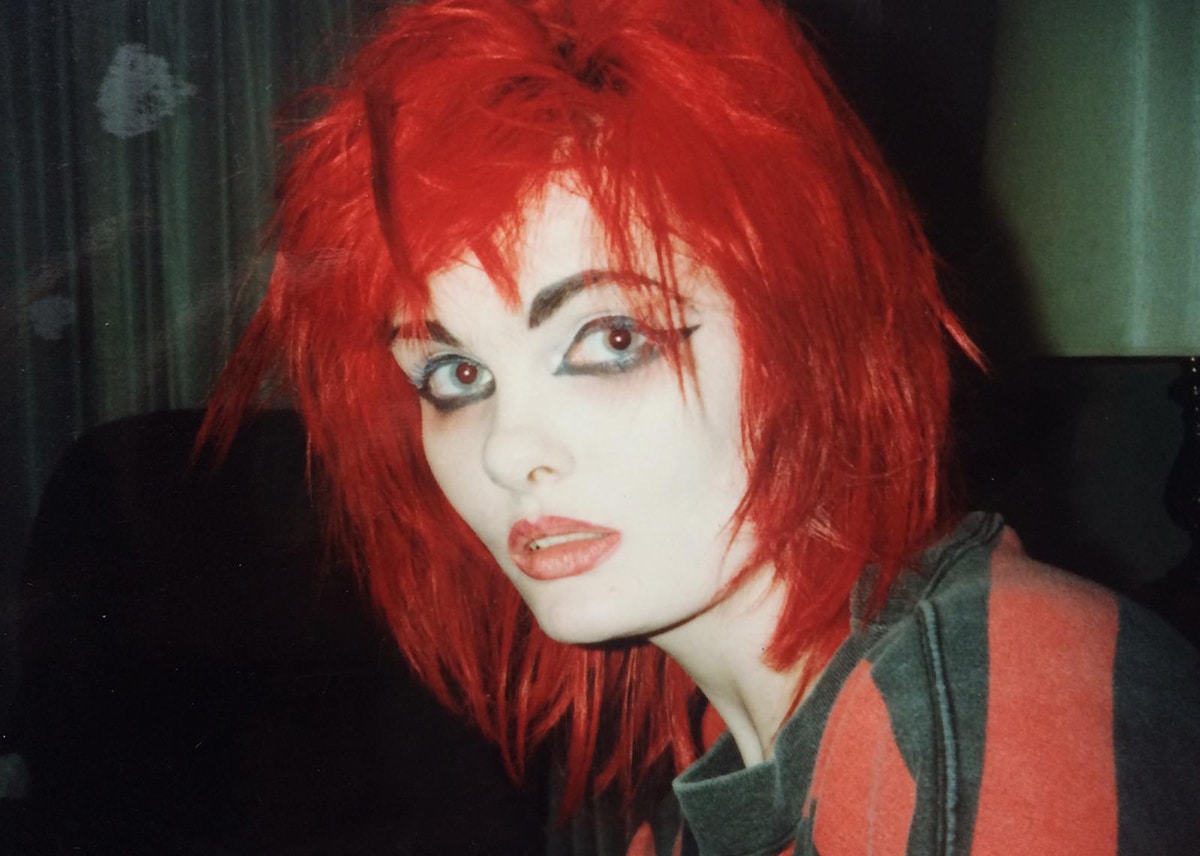
Luc and Peggy
Suzanne Harrington
King Herod in Florida
Isabelle Dupuy

Devotion
Sarah Issever
WritersMosaic monthly
Get new episodes by email
One email monthly, unsubscribe anytime

Illuminating, in-depth conversations between writers.
Listen to all episodes
SpotifyApple Podcasts
Amazon Music
YouTube
Other apps

The series that tells the true-life stories of migration to the UK.
Listen to all episodes
SpotifyApple Podcasts
Amazon Music
YouTube
Other apps
WritersMosaic interrogates the notion of ‘staying in your lane’ by asking writers how they attempt to think beyond the parameters of their cultural identity.
Listen to all episodes
SpotifyApple Podcasts
YouTube
In the first series of poems commissioned by Hannah Lowe, six poets explore how ritual gives meaning to our lives.
Listen to all episodes
SpotifyApple Podcasts
YouTube

Free Will
Will Harris reads his poem, 'Free Will'. Directed by Matthew Thompson and commissioned by the Adrian Brinkerhoff Poetry Foundation.

Half Written Love Letter
Selina Nwulu reads her poem, 'Half Written Love Letter'. Directed by Matthew Thompson and commissioned by the Adrian Brinkerhoff Poetry Foundation.

Coats
The unexpected cost of acquiring two Italian leather coats in Rome
A tribute to Bonnie Greer
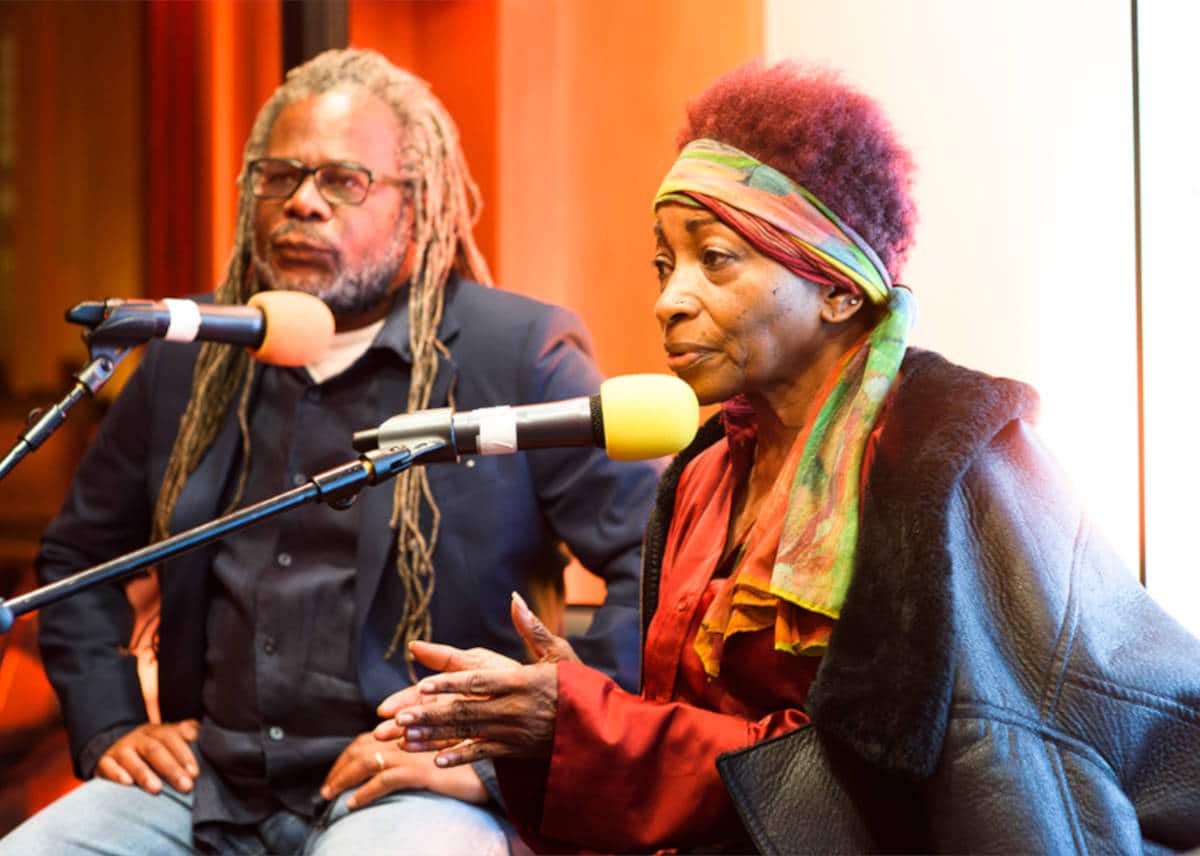
Founding editor of WritersMosaic Gabriel Gbadamosi pays tribute to Bonnie Greer, the extraordinary writer, public intellectual and much admired contributor to WritersMosaic who died on 15 September, 2026.
Triage
A response to the endless spiral of worldwide conflict and tragedy
The Complex
The unraveling of a dynasty
Disappearing Images
A festival of ephemeral art and the impermanence of our current world