Everyone has an elsewhere
Sketches from the edges
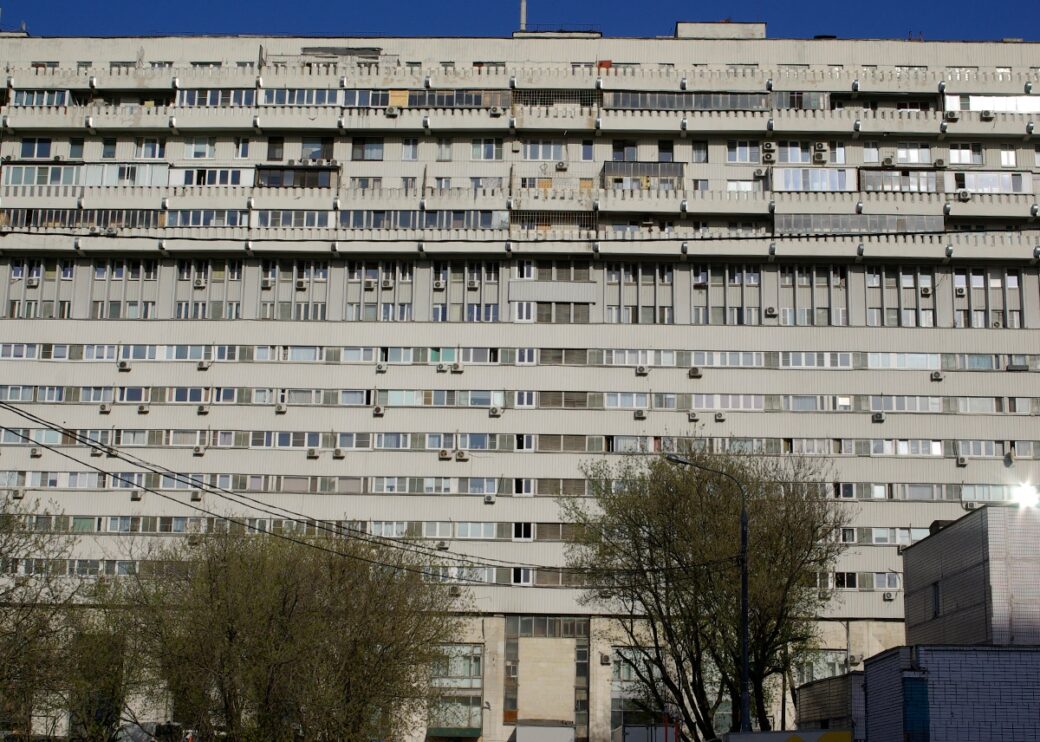

In the year 2000, my mother, my brother and I were living in ‘Bangladesh’. Which I begrudged – for being far from our relatives, and even further from the city centre and my friends.
Allegedly, when the area was being developed, reports from Bangladesh’s war of independence dominated the Soviet news, and builders, equating this edge of town with the far-away trouble spot, joked that they worked in Bangladesh. Meaning a hot and messy, peripheral and poor place.
That is how it felt to me. It was as if I did not live in Yerevan: no metro station nearby; the end of the bus route; unmistakably marginal. Beyond our street, whose address we neither knew nor needed to, was arid scrubland. Our part of the Armenian capital, the same age as Bangladesh the country, seemed malformed – aged without ever having blossomed.
Officially, the district was called Malatia-Sebastia – the two towns that Ottoman Armenians who settled there in the early twentieth century had fled. By the time we moved there, Malatia-Sebastia was absorbed into the greater Yerevan, its inheritance of expulsion replaced by a symbol of resistance: General Andranik’s statue at the main roundabout. In brutal, phallic glory, 1970s and ‘80s high-rises stood in clusters along wide streets, overlooking a district of functionality divided into nameless segments: A1, A2, B1, B2.
Our rented apartment was on the top floor of a nine-storey, concrete-panelled block. Insolvent without being homeless, this was all we could afford. Running water was a problem, so showers were a bitty affair involving buckets, scoops and immersion heaters. The roof leaked, so under the crack in the hallway permanently sat either a bowl or a pail, swapped in quick choreography when either one filled up. Clumps of dust formed on our disused balcony, where we hung the washing and plastic bags with erotic images, foreign words or the names of Western brands.
In this home of ours, we tried to marry our reality and aspirations. Yet hope was no abstract concept. With the backs of our necks, through unarticulated pathways of our minds, we nursed a distant ambition for a long-awaited place of our own.
Meanwhile, we huddled together around a coil heater as my mother remade old sweaters into cardigans, and my brother revised for university. On weekends, he, as a porter, and I, as a receptionist, supplemented the household’s income at a boutique hotel an hour away. Weekday evenings brought light relief as the Colombian soap opera Coffee with the Scent of a Woman aired from Moscow. In it, Gaviota, a mere – yet spirited – plantation worker made her way in a world set up against her.
On my days off from my job at the radio, my mother and I visited her friend. Also renting in Bangladesh, single mum Rita was unconventional and entirely unconcerned by her social predicament. She played Eduard Zorikyan’s songs on her guitar, stored sugar in a Café Pelé tub and, as a certified astrolog and Tarot card reader, earned a modest living with her seances. She forecast our future for free, shooing away our shared ennui, and her prognosis took years off Mama: ‘This Capricorn,’ she said, eyeballing me, ‘will go far.’ Say a flat in central Yerevan, I thought. With every soothing sentence, she watered seeds of hope; every word leaving her mouth lifting me for that day.
As we walked back, placid stray dogs ignored us. Bangladeshtsi – as we were referred to in Armenian – were undisturbed. Self-sufficient and young, free of idling visitors, the district was kissed by the curse of all suburbs: its air of resignation left to itself. Cars screeched up the tarmacked slope, honking various tunes, and youngsters in Zico sandals squatted, silently smoking. Couples strolled past – he, with an arm on her shoulder; she, gazing ahead. Young trees, a carousel and tiles neatly laid on the pavements in the park. Residents roamed – grannies with swaddled babies in their arms, toddlers on fathers’ shoulders, schoolboys playing football. Bakeries churned out warm matnakash, husbands brought home the meat, and lifts in the high-rises whirred and creaked their laborious way up.
Maybe this corner of Yerevan – was it still Yerevan? – though not in the centre of events, did have its charm.
Still, I daydreamed about the city proper, which seemed light-years away. Light-years away were the clever conversations in Abovyan Street cafés, busloads of glamorous visitors from the diaspora, bouquets from Brabion Flora Service, mushrooming electronics shops, and – a novelty – black 4x4s driven by shady characters. Light-years and a fifty-minute ride from our ultimate stop in a rickety number 77 white Latvian RAF minibus on its uptown route (for, in topographic terms, you are in a dip here). Through the layers of linoleum and metal in the hole of the marshrutka’s floor, I’d follow the asphalt’s run all the way to Operà, where life pulsated.
Here, for my radio show, I once interviewed an editor of a women’s magazine. She was living my dream: her own business and home in central Yerevan. When I enquired about her plans, she smiled a wide, red-lipsticked smile, shook her mane of wavy black hair, swept her fringe off her magnificent forehead and said, ‘Pareez, Pareez’. Then, rolling her eyes, ‘All I want now is to see Paris and then die’.
So the ground under my feet was shifting. Events had no centre, or it was always elsewhere.
…
No photos exist of our time in Bangladesh – none were taken. A camera was beyond our means. Besides, documenting the present was the last thing on our minds. All that preceded that hallowed focal point, the future, was a nuisance, an obstacle on our way. Yet our ninth-floor flat, that swan song of our rented accommodation, is precious.
As the twentieth century premiered, Zvartnots Airport’s futuristic tower stood as if in a sci-fi movie. In the departure lounge, families steal one more quick hug, holding tight till the last announcement to board the flight. Among them, mine.
Like an accident victim walking away from the site of the crash, I left Bangladesh, Yerevan and Armenia.
*Names have been changed to protect the privacy of individuals.
© Naneh Hovhannisyan
Naneh Hovhannisyan
Naneh is a memoirist and reviewer, whose work explores the reflection of historic events on the social and cultural makeup of late-Soviet and independent Armenia.
Everyone has an elsewhere
Editorial
Colin Grant
Searching for Nelsa Lowe
Hannah Lowe
Think pathology?
Colin Grant
Forests where past and present meet
Maria Jastrzębska
My father’s places
Mirza Waheed

Luc and Peggy
Suzanne Harrington
Anna Freud at the Freud Museum
Andy Bay
King Herod in Florida
Isabelle Dupuy

Devotion
Sarah Issever
WritersMosaic monthly
Get new episodes by email
One email monthly, unsubscribe anytime

Illuminating, in-depth conversations between writers.
Listen to all episodes
SpotifyApple Podcasts
Amazon Music
YouTube
Other apps

The series that tells the true-life stories of migration to the UK.
Listen to all episodes
SpotifyApple Podcasts
Amazon Music
YouTube
Other apps
WritersMosaic interrogates the notion of ‘staying in your lane’ by asking writers how they attempt to think beyond the parameters of their cultural identity.
Listen to all episodes
SpotifyApple Podcasts
YouTube


Complex antihero: an interview with Arthur Hughes
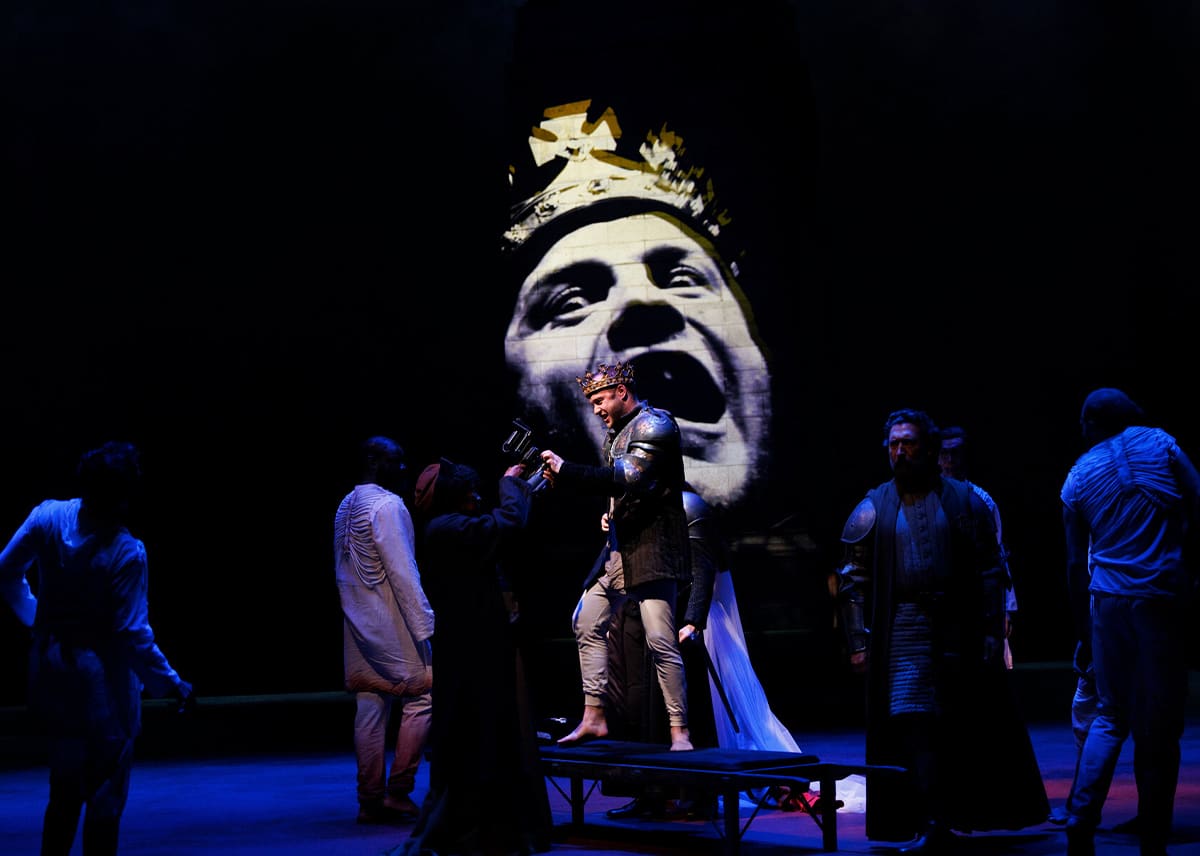
Unravelling Authur Hughes' Richard III
Marlon James: a Jamaican reckoning
'A return to a home I barely knew'
The name of this wallpaper is ‘Childhood’
A luminescent bubble of memory
The Disappearers
A sprawling visceral experience that drops you in head first
The Lady Imam
Is the world ready to catch up with amina wadud?