Everyone has an elsewhere
Luc and Peggy


Never pay more than a hundred pesetas for a beer, Luc instructed, a cigarette of unfiltered black tobacco hanging from his lips. He was giving us a tourist pep talk, as we nodded, not quite taking notes but listening intently.
And never drink on the terrace because they charge you twice as much for that – stay at the bar. If the waiter has to go to you, it’s double.
But, I wanted to whisper, what if you want to people-watch? To see the world going by? How can you do that if you’re sitting at the bar with your back to everything? Had Hemingway sat with his back to the world down that dirty side street in Bar Marsella? Had Genet? What if I missed something? What would I write about in the drink-stained pages of my diary, apart from the barman shouting at the waiter and drinks clattering to silver trays?
Luc didn’t give a fuck about people-watching. His criteria centred around a strict ratio of alcohol / value for money. He sounded quite fierce, as he sloshed another refill from an eight litre plastic container of red wine into our empty glasses. It glowed garnet, backlit by the Mediterranean winter sun. We were sitting outside, around a table on their terrace, high up in their barrio overlooking the whole of Barcelona. Not so much people-watching as city-watching.
Luc’s red wine came from the bodega up the hill, where the old men of the barrio drank, leaning on an industrial metal counter surrounded by looming dark barrels fixed to the wall. You took your empty vessel – in this case, your eight litre Font Vella plastic water container – and the old man behind the metal counter would fill it from the barrel of your choice. So cheap it was almost free. Cheaper than Coke, cheaper than beer.
He was drinking Night Train when we first met, Peggy said, as though we would know what Night Train was. She added that it had said on the label, ‘Now Made With Real Grapes’.
We felt like movie stars that afternoon, sitting there in the bright winter warmth, Barcelona spread below us. A three-dimensional map, sunlit shapes of smoke and ochre. You could see the four towers of the Sagrada Familia straight below in the distance, spiking the unbroken blue, the sea glittering beyond it. The Three Chimneys to the north, like a beachfront Chernobyl.
The roof terrace, an expanse of faded red tiles lined with spiny succulents and a wonky parasol shading the plastic table in the far corner, got so hot in summer that Peggy said you could not walk across it barefoot. This was late December, and we were in t-shirts.
Luc had no time for fools. Even perfectly nice and inoffensive people he dismissed as ‘yogurts’ – his word for bland. He was a pirate with a typewriter, a man who loved booze, books, words, sounds, arguing, getting a reaction. Today he’d be cancelled.
He’d say things like ‘pussy whipped’ or ‘fag’ and referred to Peggy as ‘my woman’. But the thing was, under all the invective, he had a great kindness. A soft heart, for all his macho shit and admiration of Hemingway. He was the most lovable rogue, the greatest host, and also the rudest – he’d kick you out when the wine ran out. Peggy was his wonderwall. Actually, she was more like his supporting wall. Without her, he’d have long since collapsed. But in the end, even she couldn’t save him.
Peggy, petite and English and terribly proper, would interrupt his flow of anecdote to correct a detail, and they would have a long back-and-forth like an old unmarried couple, except instead of remembering some boring story about nothing much, the detail would be about whether it had been speed or coke, whether the band crashing on their floor had been punk or new wave.
They knew everyone. The first names they tossed about – Mark, Nick, Gavin, Lydia – had last names like E Smith, Cave, Friday, Lunch. Stories about Luc in an LA jacuzzi, being injected with speed in one arm, acid in the other, which sounded incredibly inadvisable; Peggy, exasperated, having to drive everyone home before she got up for work the next day.
About going to a Bukowski reading, where the poet laureate of Skid Row cracked open beer after beer from the drinks fridge by his reading chair – when he ran out of beer, he stopped reading. About meeting Burroughs, who was rude to Peggy because she was a woman. About Luc’s brief acting career, supported by his day job of being the worst waiter in Hollywood. The whole LA punk thing, in which they were enmeshed.
I’d never, ever met old people like them. The weird thing was they didn’t seem old at all, apart from their faces.
Downstairs the whitewashed cool of their flat was a vast cave of weird shit. Amid the kitsch of plastic Elvises, Day of the Dead skeletons, Day-Glo Virgin Marys, metal robots and spacemen, masks and monsters, were homemade – planks on bricks – bookshelves groaning with old, worn pulp titles and cult classics. Bookshelves untroubled by the latest bestsellers; instead, a rainbow of battered spines, yellowed pages, faded lettering alongside brand new oddball titles sent from friends in London.
I craned my neck sideways like an ostrich, scanning. Transfixed in their private library, one that would sustain me for a long time to come – each borrowed title written in Luc’s lending notebook, noted and dated alongside the borrower’s name. He was an efficient librarian. If you hung onto a title for more than a few weeks, he’d demand it back. Where is it? You’ve had it for three weeks! Have you lent it to some fucking yogurt?
On metal warehouse shelving was a record shop’s worth of records. Diamanda Galás to Dolly Parton, Lee ‘Scratch’ Perry to Throbbing Gristle. Racks of weirdo Americana. Kitsch country and western. Flamenco. Drummers from Mali. Opera. A ton of stuff from Mute Records. Luc’s voice on a loop at the end of a compilation of experimental indie noise.
There is no fucking culture there, you know?
There is no fucking culture there, you know?
There is no fucking culture there, you know?
Like the loop at the end of Brighton Rock, but with a heartbroken catch in his voice, as though he might sob, from a speech he made in 1985 about censored sleeve art. I was still at school in 1985.
Four years later, I was sitting on their terrace, drinking Luc’s rancid wine. And it seemed that there was indeed quite a lot of fucking culture, sucked by them into their little flat in Barcelona, distilled down to a potent essence and redistributed via impromptu workshops disguised as boozy lunches, where the uninitiated deemed worthy of educating were inducted. Luc and Peggy were the kind of cult I was keen to join.
© Suzanne Harrington
Everyone has an elsewhere
Editorial
Colin Grant
Searching for Nelsa Lowe
Hannah Lowe
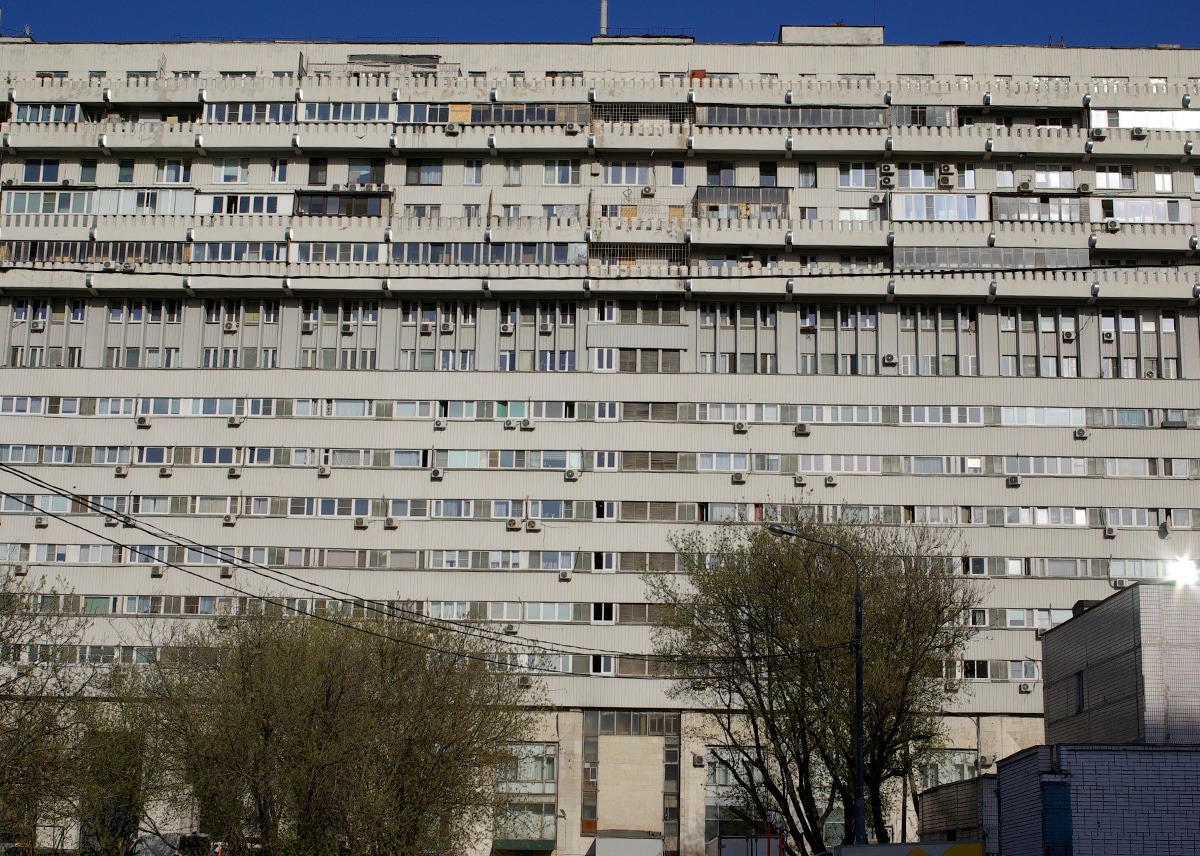
Sketches from the edges
Naneh Hovhannisyan
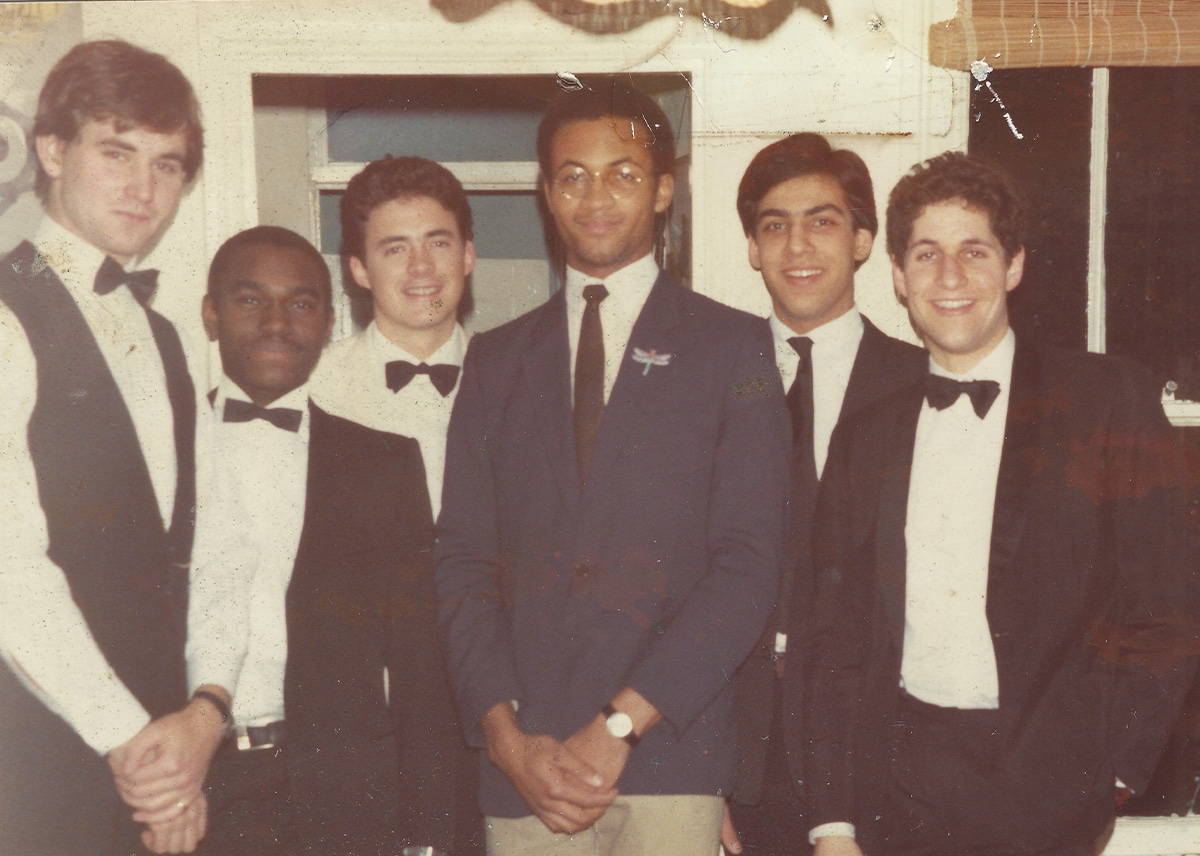
Think pathology?
Colin Grant
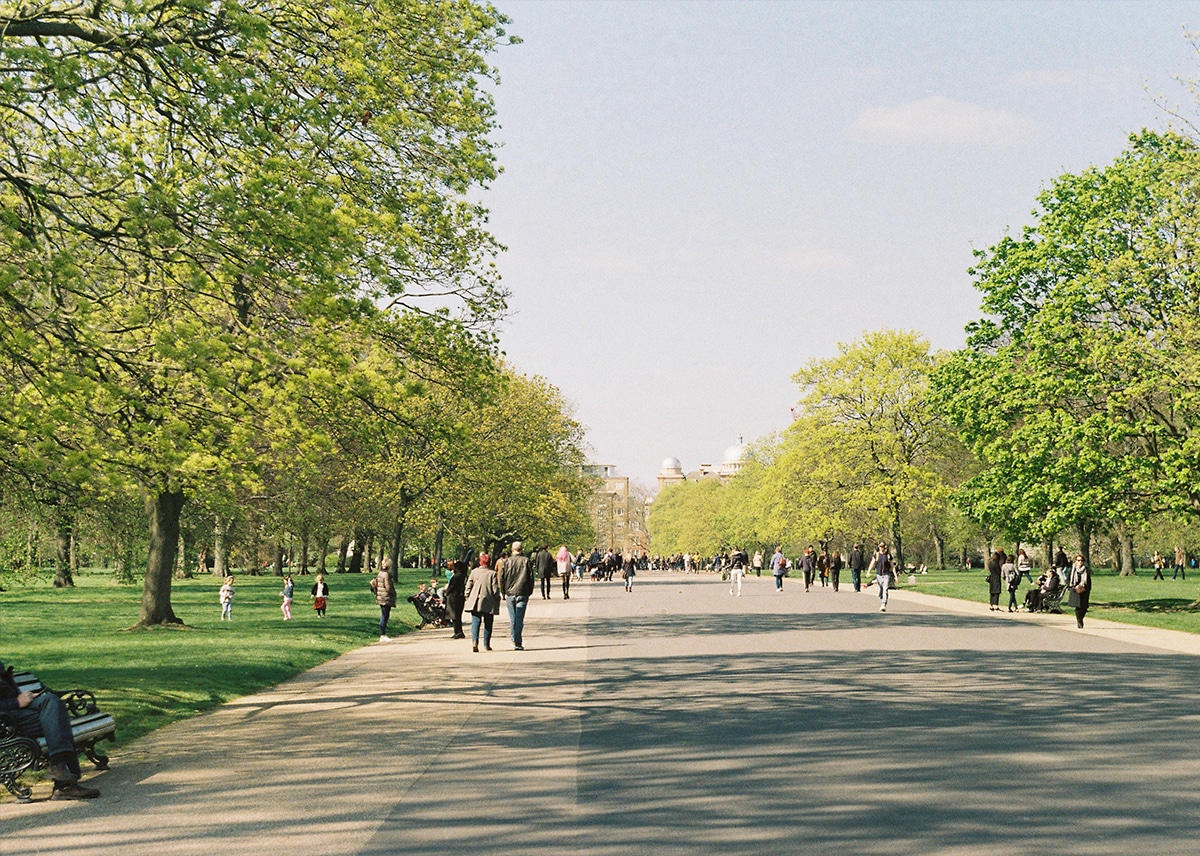
Forests where past and present meet
Maria Jastrzębska
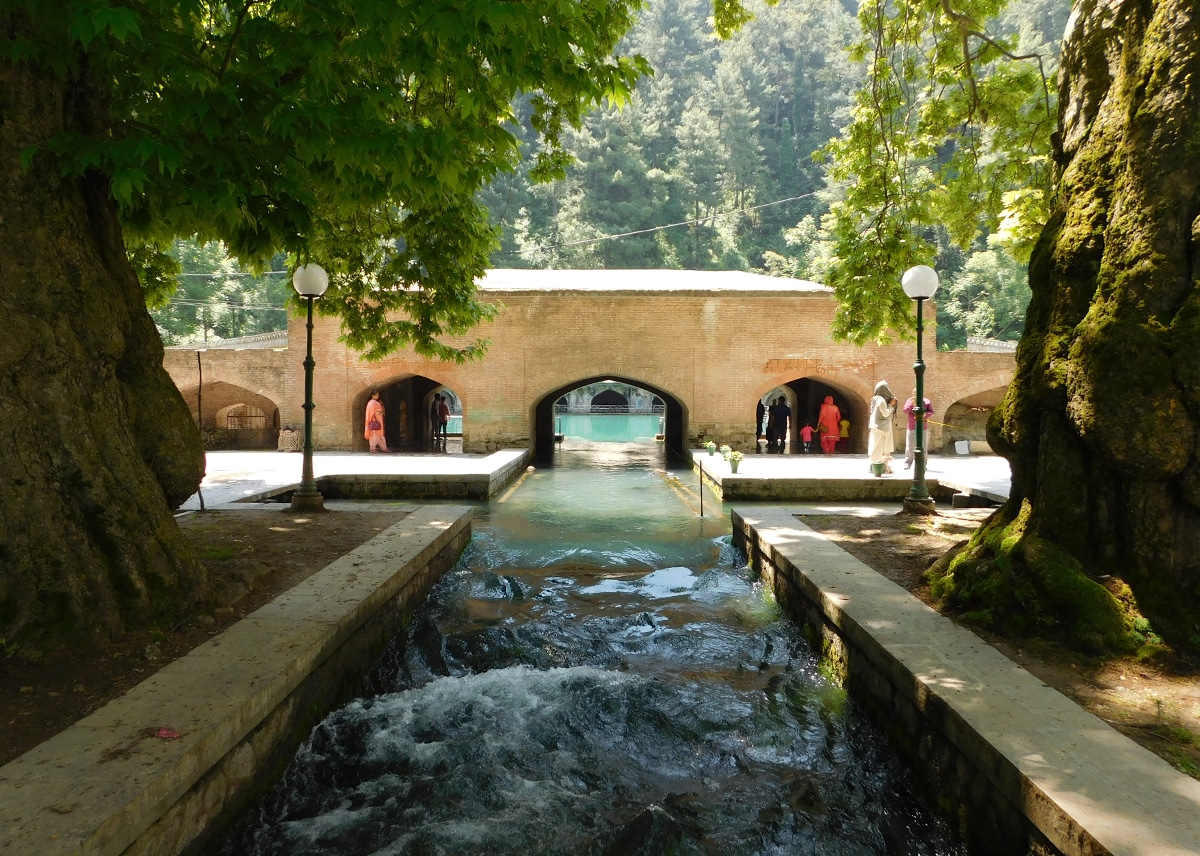
My father’s places
Mirza Waheed
Anna Freud at the Freud Museum
Andy Bay
King Herod in Florida
Isabelle Dupuy

Devotion
Sarah Issever
WritersMosaic monthly
Get new episodes by email
One email monthly, unsubscribe anytime

Illuminating, in-depth conversations between writers.
Listen to all episodes
SpotifyApple Podcasts
Amazon Music
YouTube
Other apps

The series that tells the true-life stories of migration to the UK.
Listen to all episodes
SpotifyApple Podcasts
Amazon Music
YouTube
Other apps
WritersMosaic interrogates the notion of ‘staying in your lane’ by asking writers how they attempt to think beyond the parameters of their cultural identity.
Listen to all episodes
SpotifyApple Podcasts
YouTube



Complex antihero: an interview with Arthur Hughes
Unravelling Authur Hughes' Richard III
Marlon James: a Jamaican reckoning
'A return to a home I barely knew'
The name of this wallpaper is ‘Childhood’
A luminescent bubble of memory


The Disappearers
A sprawling visceral experience that drops you in head first

The Lady Imam
Is the world ready to catch up with amina wadud?