Everyone has an elsewhere
Think pathology?
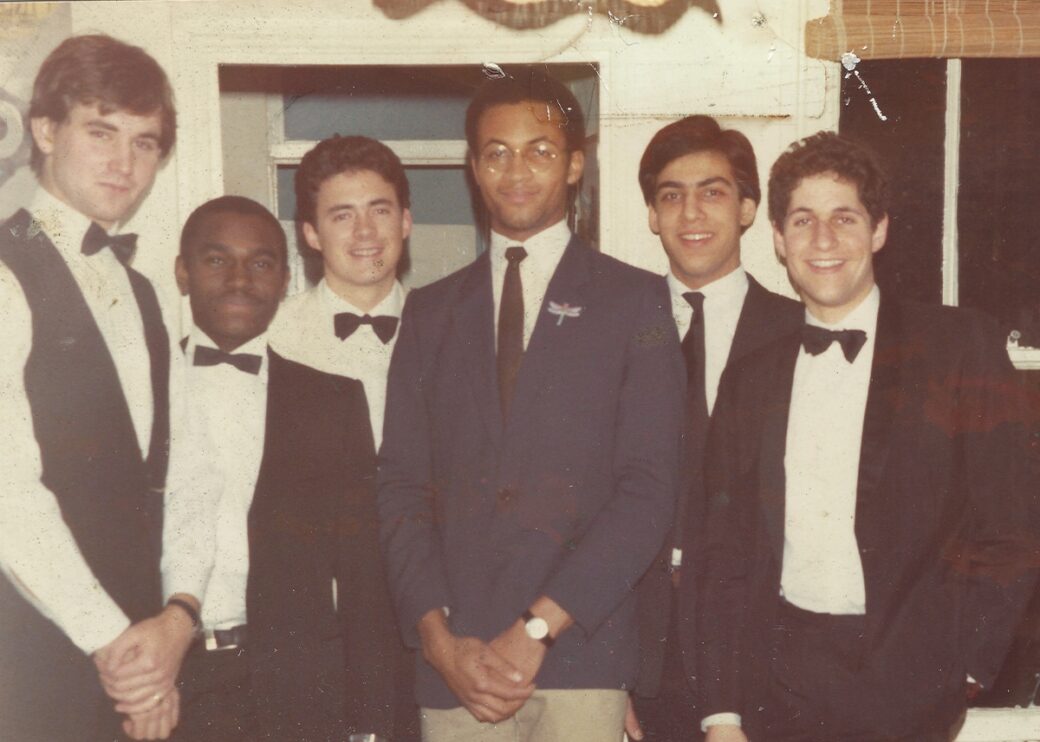
The tattered black-and-white 1985 yearbook with passport-sized photos of my fellow medical students – men with sideburns affecting gravitas and beguilingly earnest women – heralded future lives in a profession that I would soon leave. The book was a reminder of my five years of unhappiness. Nonetheless, in 2025, I accepted an invitation to attend a reunion.
More than 40 years earlier, I had arrived in Whitechapel to start my training at the London Hospital Medical School. My first impression was that most of the local population was sickly and emaciated by poor diet, with horrific dentition and skin as grey as the buildings. If a local resident died and left their body to the medical school, dissection revealed lungs blackened not necessarily by tobacco smoke but by the car fumes that hovered around the London Hospital like a permanent cloud.
In one of our first lectures, given by a tall, imperious pathologist-provocateur called Dr Leeming, whose tangy sarcasm, we suspected, had not lessened in all his years of lecturing, we were instructed to always: ‘Think pathology!’ We all dutifully scribbled in our notebooks as he explained:
‘You’re walking down the high street, just outside, and you see a Bengali woman with a hacking cough, honking onto the pavement. Observe the colour of the sputum. Is there blood in it? Tuberculosis? There’s a sixty-year-old fellow whose route to the off-licence takes him past the entrance of this hallowed institution every day. Bent over like an arthritic jockey, he has a mirror in his hand so that he can see where he’s going. On the few occasions when he straightens up, you’ll see half his nose is missing. That’s tertiary syphilis, isn’t it? Keep your eyes peeled and think pathology, always be thinking pathology.’
Leeming may have been cynical, but his approach was preferable to the ritualistic, verbal dressing-downs that passed for education on ward rounds. Before medical school, I had associated the practice of public humiliation with the ill-educated, ignorant English people who dressed up their antipathy towards my Jamaican father and his friends with a kind of surly, faux politeness. I expected it from them. But it was a shock to see scorn as the default position of learned medical practitioners at an institution that was once home to Joseph Merrick, the ‘Elephant Man’, and had striven to live up to the motto: Homo sum: Humani nihil a me alienum puto (I am a human being, I consider nothing that is human alien to me).
Medical school served up a daily diet of humiliation: it was built into the very fabric of the institution and never even questioned. The consultant teaching at the London Hospital regularly humiliated the senior registrar; the senior registrar turned his ire on the registrar; the registrar held the senior house officer in contempt; and the house officer was the last in the line, the dog to be kicked, because there was no one else left. It could be argued that the medical staff, with their withering comments, were preparing us for the lives ahead of us. But to see grown men and women scorned and infantilised by their superiors was disturbing. I felt their embarrassment was heightened by our being witness to it.
At heart, I knew in those first weeks that I’d made a profound mistake. Even though our lecturers reminded us that we had chosen our profession wisely because ‘the sick will always be with us,’ I knew medicine was a wrong turn. It took me five more years to recognise that if I remained in medicine, I would count amongst the sick, at least mentally. I would cross over from the golden elite who dispensed medicine to the great mass of the pathologised who received their treatments.
Forty years on, I wavered outside the teaching hospital. It took me 30 minutes of pacing up and down the nearby streets before I summoned a friend to help me through the doors. In this voluntary pilgrimage to the past through the reunion, meeting ourselves coming back, I realised that I had dodged a bullet. In a life of writing, I had been freed from having to ‘think pathology’ and instead was able to ‘think pathos’. I could conceive, in ways I had failed to in my youth, that we were all – me and my newly rediscovered medical friends with their double hip replacements, broken marriages and florid manias masked as eccentricity – candidates for compassion.
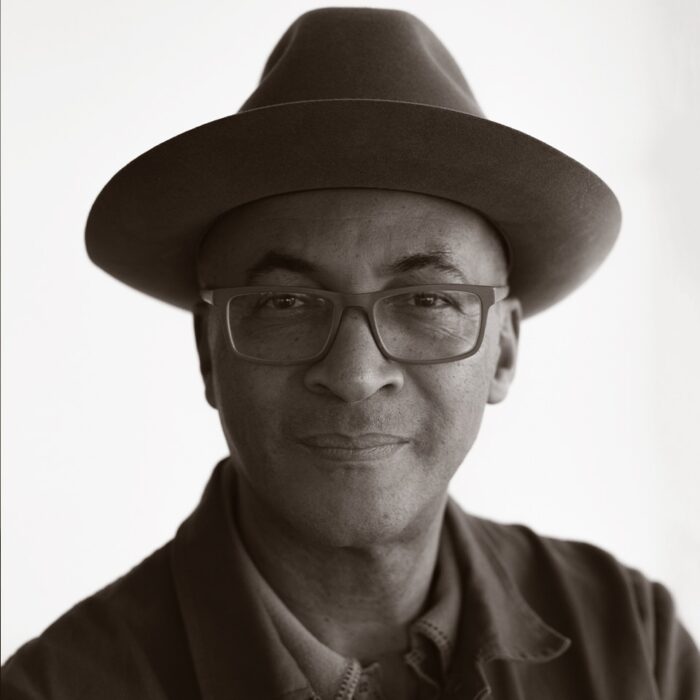
© Colin Grant
Everyone has an elsewhere
Editorial
Colin Grant
Searching for Nelsa Lowe
Hannah Lowe
Sketches from the edges
Naneh Hovhannisyan
Forests where past and present meet
Maria Jastrzębska

My father’s places
Mirza Waheed
Luc and Peggy
Suzanne Harrington
Anna Freud at the Freud Museum
Andy Bay
King Herod in Florida
Isabelle Dupuy

Devotion
Sarah Issever
WritersMosaic monthly
Get new episodes by email
One email monthly, unsubscribe anytime

Illuminating, in-depth conversations between writers.
Listen to all episodes
SpotifyApple Podcasts
Amazon Music
YouTube
Other apps

The series that tells the true-life stories of migration to the UK.
Listen to all episodes
SpotifyApple Podcasts
Amazon Music
YouTube
Other apps
WritersMosaic interrogates the notion of ‘staying in your lane’ by asking writers how they attempt to think beyond the parameters of their cultural identity.
Listen to all episodes
SpotifyApple Podcasts
YouTube

Complex antihero: an interview with Arthur Hughes
Unravelling Authur Hughes' Richard III
Marlon James: a Jamaican reckoning
'A return to a home I barely knew'
The name of this wallpaper is ‘Childhood’
A luminescent bubble of memory

The Disappearers
A sprawling visceral experience that drops you in head first
The Lady Imam
Is the world ready to catch up with amina wadud?