Borderliner
The strangers
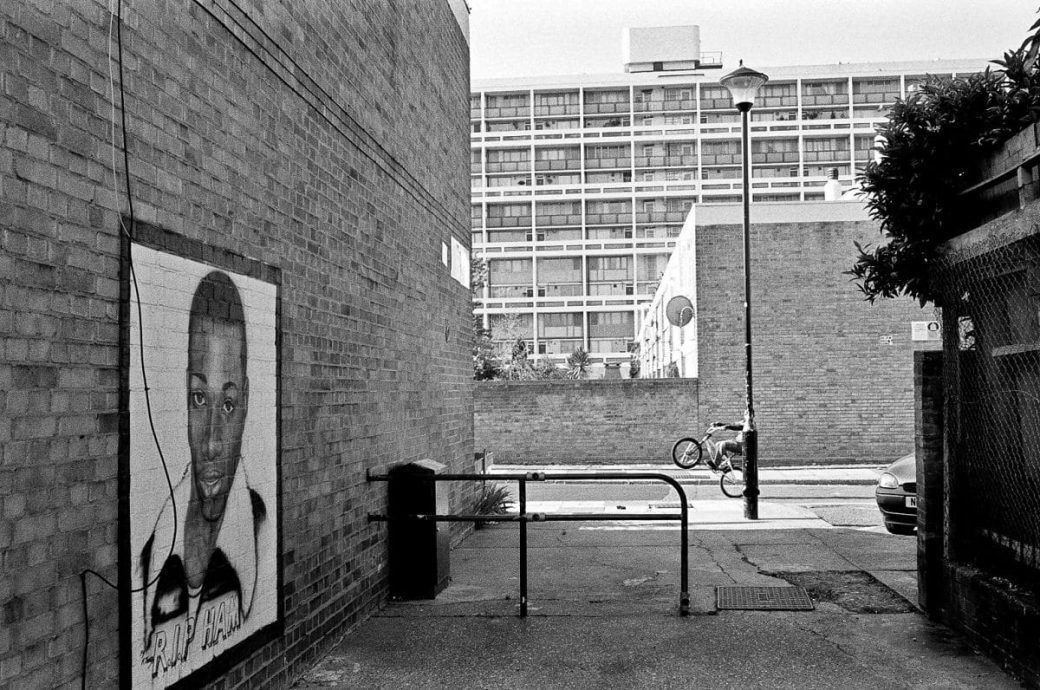
Walking through London inevitably reminds me of the many places I come from. Outside a Chinese restaurant in Soho, I see a sign – ‘Mr Meng recommends!’ I know Mr Meng as the smooth host of If You Are The One, a popular Chinese dating show I used to watch at home in Australia. Despite its apparent light-heartedness, the show was subject to regulations and the censorship of the Chinese Communist Party. One of the hosts was a Party psychologist, employed to ensure that the ideals portrayed toed the Party line.
I was born in 1994, in Perth, a place where watching a Chinese Communist Party-controlled television show could feel safe. Around forty years before my birth, Tibet was invaded and suppressed by the People’s Liberation Army of the CCP. My grandparents took their four children and fled the new regime, which continues to oppress Tibet today. They crossed the border into Dharamsala, India, itself still dealing with the consequences of the recent Partition, where they were granted a type of refugee visa that requires them to reapply every year. My mother was born afterwards in India, and therefore entitled to citizenship. But despite this relative safety, she ran to Australia with my Australian dad, in her early twenties, pregnant. Twelve years later, she left Australia for Canada. My dad’s family are also migrants, from Croatia, Ireland and Wales. They arrived in Australia around the time of Federation in 1901.
All this to say migration is in my blood, and in the ocean I swam in as a girl. And, like my ancestors, I’ve moved somewhere new. But while those before me were fleeing war, colonisation, poverty, famine, I just prefer London. I’m running towards, not from – towards love, community, sometimes anonymity. Though my life in London sometimes feels precarious, I’ve never belonged anywhere like I belong here.
Growing up mixed-race in Australia is a bag of rejection, yearning, eroticisation, alienation. The artist Peter Drew created a series of posters with sepia portraits depicting Asian and Middle Eastern people and the word ‘Aussie’ emblazoned underneath. They were the faces of people who applied for exemptions to remain in Australia after the White Australia policy was implemented in 1901. His posters hung outside the bookshop I worked in back home. One showed a woman who looked a lot like me. After closing one night, I stepped outside to find the woman’s face crossed out and ‘Kill all —’ scrawled over it.
What people find difficult about mixed-race people is that they can’t place them, can’t move them back to where they came from in their head. That’s why we get the ‘where are you from, what are you?’ We resist categorisation and we represent something some find dangerous: a physical intermingling. For ‘what are you?’ to be the first question, the first thought must be ‘who had sex to make you?’ A schoolmate once told me she hated all the Asian women who were moving to Australia and marrying the [white] men. It wasn’t the Asian women themselves – but that they might produce offspring. Strange experiments. Monsters, chimeras. ‘Of course, I don’t mean you’, she said.
I’ve been attending a poetry class just across Waterloo Bridge. I like to walk there, across the water. Looking over the river, I can see a topography of trauma. There are people in power here who work to reinforce the legacy of colonial pain. But there are also brave people, the children of the Empire, shaking it up, forcing the city to reckon with its evils. Our ancestors come from all over the world. It’s a special revolution to remake the place that hurt them.
© Pema Monaghan
Borderliner
Borderliner
Hannah Lowe
Dear B
Nina Mingya Powles
Diary 17-26 November 2019
Will Harris
A world full of ‘Johns’
Arji Manuelpillai
The identity parade
Johny Pitts
Border / Line
Jay Gao
WritersMosaic monthly
Get new episodes by email
One email monthly, unsubscribe anytime

Illuminating, in-depth conversations between writers.
Listen to all episodes
SpotifyApple Podcasts
Amazon Music
YouTube
Other apps

The series that tells the true-life stories of migration to the UK.
Listen to all episodes
SpotifyApple Podcasts
Amazon Music
YouTube
Other apps
WritersMosaic interrogates the notion of ‘staying in your lane’ by asking writers how they attempt to think beyond the parameters of their cultural identity.
Listen to all episodes
SpotifyApple Podcasts
YouTube

It’s being published I get paid for; the writing I would do for free
‘Any advance [...] for your novel is to compensate you for the horrors of being published'
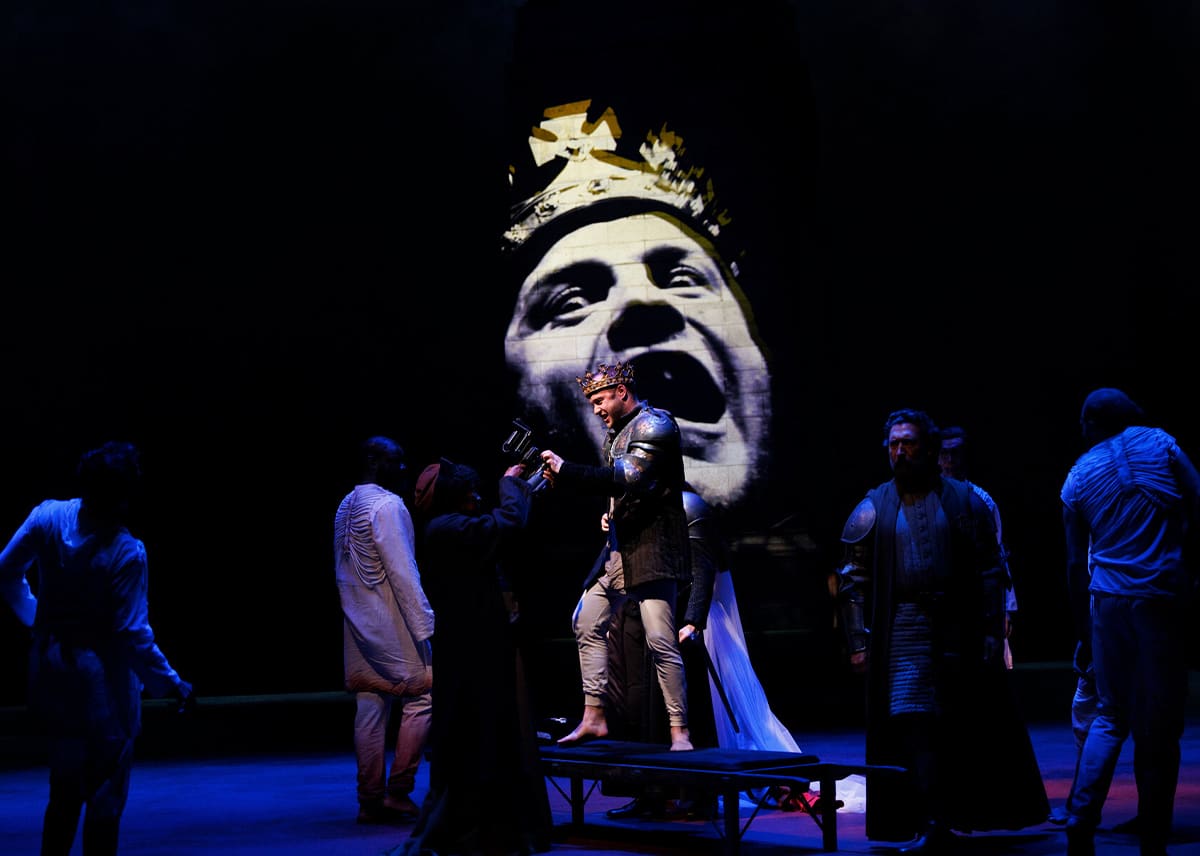
Complex antihero: an interview with Arthur Hughes
Unravelling Authur Hughes' Richard III
Marlon James: a Jamaican reckoning
'A return to a home I barely knew'
Haunting the Black Air
Poetic freedom across space and time
The Disappearers
A sprawling visceral experience that drops you in head first