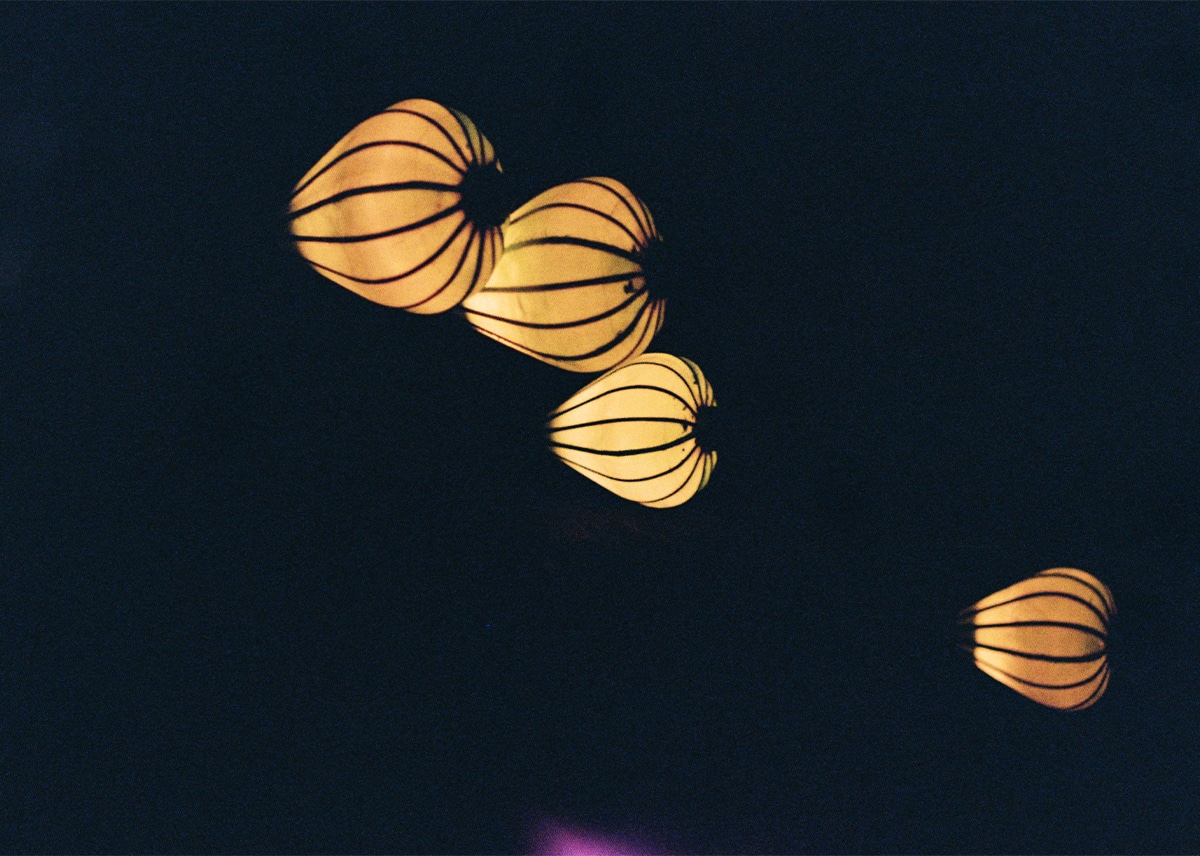
Iranian women's voices
Poems of resistance
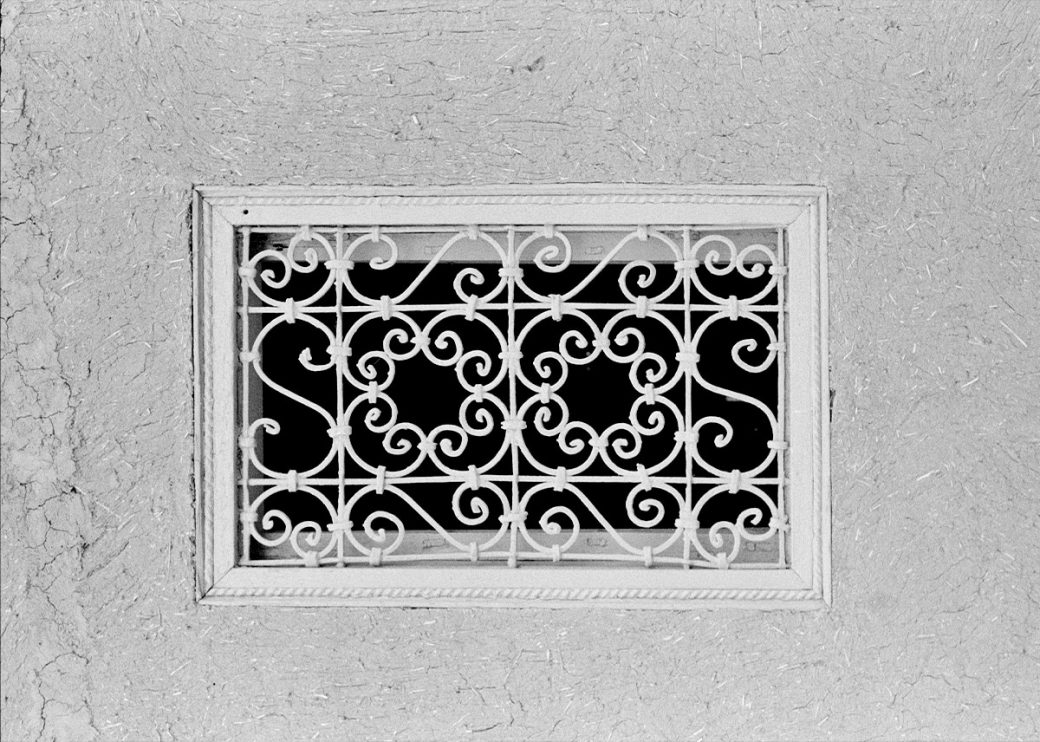

From the age of four, I became aware that just having this body would deeply affect my life. I sensed that something was not right within me. I longed to be free, but it felt as though something external controlled me – deciding how much of myself I could express. And yet, at the same time, this body was a wellspring of joy, pleasure, and peace. Beneath it all, I carried a quiet shame – unspoken, but always present. Holding such opposing feelings was like fighting a silent battle inside me.
That first secret kiss in my teenage years became a tender moment of truth. It made me feel I had to win this battle. It became clear: I had to express myself honestly – embracing both what I felt and what I longed to experience. Art became both my weapon and my shield.
After completing my academic studies in art, I began searching for my own language – only to discover that the human form, my own body, had become the central subject of my work. Through art, and through the quiet rituals of daily life, I began to reclaim myself – with authority. In doing so, I found myself confronting not only the state control imposed by my government, but also the heavy burden of patriarchal norms deeply embedded in my society. But my ultimate goal was never to exhibit in galleries. It was to survive the war within.
The day I left my home, I carried everything I had inside me. My skin became a refuge – a space where I sought relief from the pain of homesickness and longing for my family. Not only because of my immigration, but also because I was born into a war-torn family that was always trying to build a home and a life, I, too, lived a life of constant movement – with little space to create.
As a result, space itself became a fundamental challenge. This challenge set me on a path to find a material suited to my life – something I could carry everywhere. I needed a way to work anywhere: in the corner of a room, in a park with my child, even without a desk or a dedicated space. Choosing this material – and continuing to create despite everything – became my form of resistance.
Flexible, simple paper, alongside various fabrics, felt like the most honest and intimate materials for my life. They didn’t require a studio or a fixed corner to sit and create; they moved with me, just as my life did. I wanted to carry my materials everywhere – just like my memories, which follow me wherever I go. They are who I am. They give me the freedom to work independently, untethered to any specific place.
Art became my only form of healing – a way to witness my memories and confront my pain. It was a safe hug that reached into all the empty spaces in my heart. Unlike many who encouraged me to forget the past, I chose to remember – not only for myself, but out loud. I began to capture those memories through my art.
Leaving Iran – my homeland – felt like a kind of death. It was a source of both pain and joy. It left me unable to confront authority the way I once could. But after Woman, Life, Freedom, I told myself: Be who you are.
I have never censored myself. But even abroad, homesickness once held my voice back. Now, I know that returning to Iran is risky. Still, my love for my country gives me strength.
Even small acts matter. This slogan no longer belongs only to those inside Iran; it has become a global voice – to live without fear of authority.
But now, three years after Woman, Life, Freedom, and still holding on to what I once told myself – ‘Stand up for yourself in the face of authority’ – find myself confused, searching for hope, as war machines march not only through the sky but also trample over my memories.
But how can I lose my hope and my voice, when a tiny bird sings above the ruins?
Holding on to hope in the face of this massive machine isn’t easy – but I need it. Hope itself becomes a form of resistance. Unfortunately, the authority I’ve known since I was four still doesn’t feel far from me. It changes its form, but I am aware that I, as a human, can stand against it – again and again.
In the end, as always, with a longing for freedom, I return to this poem once again, with myself:
Greatest Wish Song
By Ahmad Shamlou
If freedom could sing a song
small
as the throat of a bird,
nowhere would a wall remain crumbled.
It would not take many years
to comprehend
that ruins are a sign
of human absence,
that human presence
creates life.
Like a wound
that drips blood,
life-long;
Like a wound
beating with pain
all one’s life;
Opening eyes to the world
to a howl,
disappearing from it
with hatred.
The great absence was this.
The story of ruin was this.
If freedom could sing a song,
tiny,
tinier than a bird’s throat.
Translated by Sholeh Wolpé
© Forouz Zarei
Iranian women's voices

Iranian women’s voices
Sana Nassari

My bejewelled land
Shara Atashi

Iranian women’s defiant art of resistance
Sana Nassari

Song and Wind
Marjorie Lotfi

The return of the God of the 1980s
Atash Shahkarami

A three-act dream
Razieh Khoshnood

Flesh
Sepideh Jodeyri

No country for filmmakers
Anahit Behrooz

WritersMosaic monthly
Get new episodes by email
One email monthly, unsubscribe anytime

Illuminating, in-depth conversations between writers.
Listen to all episodes
SpotifyApple Podcasts
Amazon Music
YouTube
Other apps

The series that tells the true-life stories of migration to the UK.
Listen to all episodes
SpotifyApple Podcasts
Amazon Music
YouTube
Other apps
WritersMosaic interrogates the notion of ‘staying in your lane’ by asking writers how they attempt to think beyond the parameters of their cultural identity.
Listen to all episodes
SpotifyApple Podcasts
YouTube

Marlon James: a Jamaican reckoning
'A return to a home I barely knew'
The name of this wallpaper is ‘Childhood’
A luminescent bubble of memory
What’s in a feminist? Holding on to Gloria Steinem
Is Gloria Steinem's feminism still relevant today?
Pressure
What's missing from the latest 'untold story behind D-Day'?
A Trial
An examination of theatre’s complicity in post-truth politics