Iranian women's voices
Song and Wind

i. Prelude
I am a crow disguised
as a nightingale. I sing
the warbling notes
that lead my people
to easy sleep, content
that all is well beyond
their window. Listen
and I will tell you
all you wish to hear:
that I am warm enough
beneath these feathers,
that I don’t miss those birds
that flew away in the storm,
that this pencil-thin branch
is all the home I need.
My heart, of course,
is all crow – oiled
black feathers, the repetitive
squawk of a muscle
that knows better. It beats
against my chest – peck,
peck – asking only what
it needs to survive.
ii. Before
On leaving Tehran my mother —
usually a nightingale — disguises
herself in swathes of black, hides
between her husband and son
on the way to the airport, her words
(if any) lost to the roar beyond
the windscreen. I turn away from
the noise to see a bird crouched
between my father and brother.
The only black crow I’ve known
all my childhood, my grandmother
Maman Bozorg, is left behind.
iii. Transition
Why is a bird born with wings
if not to stretch its feathers
and fly? Its song never alters
as it moves across hemispheres,
continents. Settling on new land,
it doesn’t forget a cliff, the shape
of a body of water, its own nest
in the crag of some far-flung stone.
What is a haven but song and wind?
iv. Official
After twenty-five years, I have now
been made official. I pass an official test,
then make the application and wait.
A letter says my case is exceptionally
complicated, but little else. I take out
my Iranian passport, its leather cover
opens like the black wings of a bird.
My pigtailed-girl-self stares back at me,
eyes still dark, with hands smelling
of Shomal roses and the pine trees
at the shore that filtered the summer light.
Now I can hear Maman Bozorg’s
voice, gone a decade. Some nights
I fly across the frail border to visit.
But my papers arrive, the swearing in,
the taking of their solemn oath.
I am a citizen of another – my third –
country. I’m told I’m British.
v. Memory
This shore could be the Caspian,
the sand a particular shade of oat
or straw, shallow waves along
a lip of clear water. How can I
have spoken out loud for forty
years without a mother tongue?
What is speech but a conversion,
the flip of thought, an attempt
to be understood; words form one
from another as waves approach
a shore and are let go. How do you
lose a language? Will it ever be
as simple as the spent swell drawn
back into a waiting sea, that bird
tapping against your window,
one ripe pomegranate picked from
the bottom of your garden, a knife
laid ready across the empty plate?
vi. Present
Here at home in southwest Scotland
one thousand crows roost in pines
at the shore. When they raise into sky
the dark cloud blots out the light,
their wings silenced by shrill cawing.
They shift from tree to tree and never
leave. In this part of the world, there
are no nightingales. Someone tells me
I am not Iranian enough, then asks me
to write what little I must remember.
Who doesn’t recall childhood? Who
could forget the stand of pines behind
our shore finally bending to the autumn
wind? Who doesn’t hear her grandmother’s
voice in prayer, just before the day ends?
© Marjorie Lotfi
Iranian women's voices

Iranian women’s voices
Sana Nassari

My bejewelled land
Shara Atashi

Iranian women’s defiant art of resistance
Sana Nassari

The return of the God of the 1980s
Atash Shahkarami

A three-act dream
Razieh Khoshnood

Poems of resistance
Forouz Zarei

Flesh
Sepideh Jodeyri

No country for filmmakers
Anahit Behrooz

WritersMosaic monthly
Get new episodes by email
One email monthly, unsubscribe anytime

Illuminating, in-depth conversations between writers.
Listen to all episodes
SpotifyApple Podcasts
Amazon Music
YouTube
Other apps

The series that tells the true-life stories of migration to the UK.
Listen to all episodes
SpotifyApple Podcasts
Amazon Music
YouTube
Other apps
WritersMosaic interrogates the notion of ‘staying in your lane’ by asking writers how they attempt to think beyond the parameters of their cultural identity.
Listen to all episodes
SpotifyApple Podcasts
YouTube


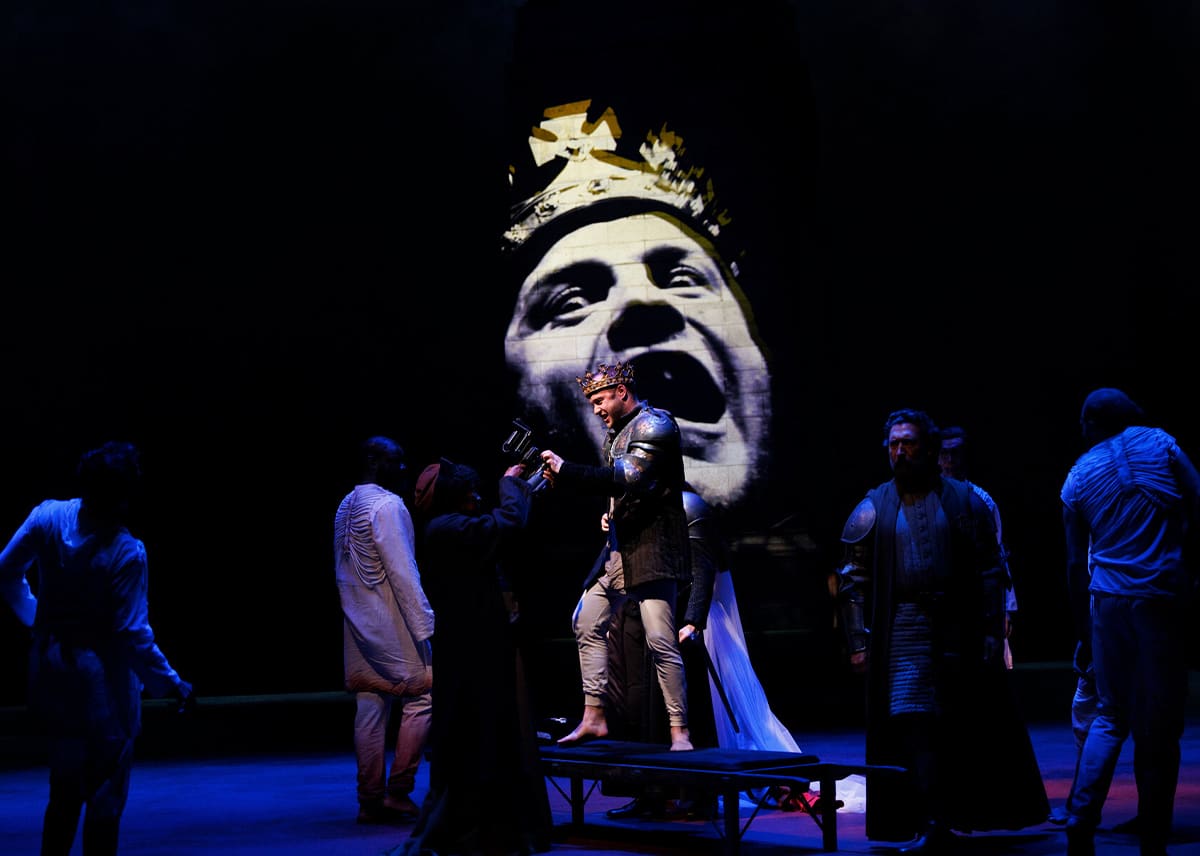
Complex antihero: an interview with Arthur Hughes
Unravelling Authur Hughes' Richard III
Marlon James: a Jamaican reckoning
'A return to a home I barely knew'
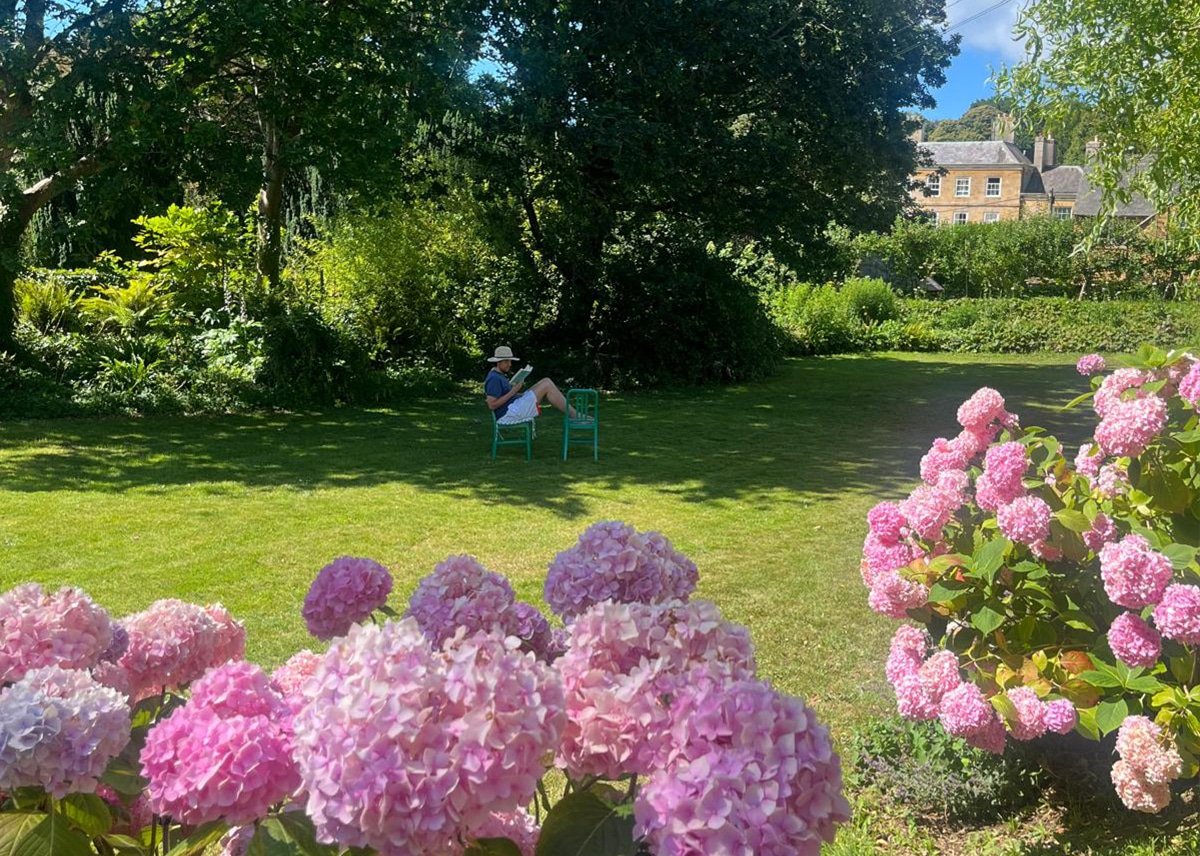
The name of this wallpaper is ‘Childhood’
A luminescent bubble of memory
The Disappearers
A sprawling visceral experience that drops you in head first
The Lady Imam
Is the world ready to catch up with amina wadud?