Iranian women's voices
Iranian women’s voices


When I met with my co-editors Shara Atashi and Marjorie Lotfi to plan an issue of WritersMosaic focusing on the voices of Iranian women today, we kept returning to the celebrated Iranian poet and filmmaker of an earlier generation, Forough Farrokhzad (1934–1967).

Forough’s poetry flows through the writing of all the contributors to this issue, despite our vastly different backgrounds and the diverse forms and themes we sought to explore. Some contributors wrote in direct response to one of her poems, ‘O, You Frontier of Gems’, while others cast only a passing glance at her work. But as Nietzsche famously said, ‘If you gaze for long into an abyss, the abyss gazes also into you’.
This guest edition features Shara Atashi’s article, ‘My bejewelled land’, and Marjorie Lotfi’s poem sequence, ‘Song and Wind’. Though both writers have spent most of their lives outside Iran, their work reveals how Iran has continued to live within them. My own contribution, ‘Iranian women’s defiant art of resistance’, explores the artistic forms of resistance that have emerged in Iran in recent years.
Six further pieces enrich this edition: ‘A three-act dream’, a fusion of poetry and prose by Razieh Khoshnood, a poet and translator based in Tehran; ‘Flesh’, a long poem by the Iranian poet Sepideh Jodeyri, who is based in Washington D.C.; ‘Revisiting Forough Farrokhzad’s ironic depiction of the “Frontier of Gems”’, an article by Laleh Atashi, an academic based in Iran; Forouz Zarei’s ‘Poems of resistance’ exploring body, migration, and the struggle to create and remember amidst displacement, repression, and resistance; an essay exploring the dissonance of witnessing Iran’s uprising from afar by writer Anahit Behrooz; and ‘The return of the God of the 1980s’ by Atash Shakarami, a painter based in Tehran.
Most of the writers featured in this edition were commissioned months before the recent twelve-day war between Israel and Iran, but Atash Shahkarami’s piece – commissioned later – emerges as a powerful personal reflection on war, repression and the enduring struggle for justice in Iran. I am pleased to invite you to read Iranian women’s voices.
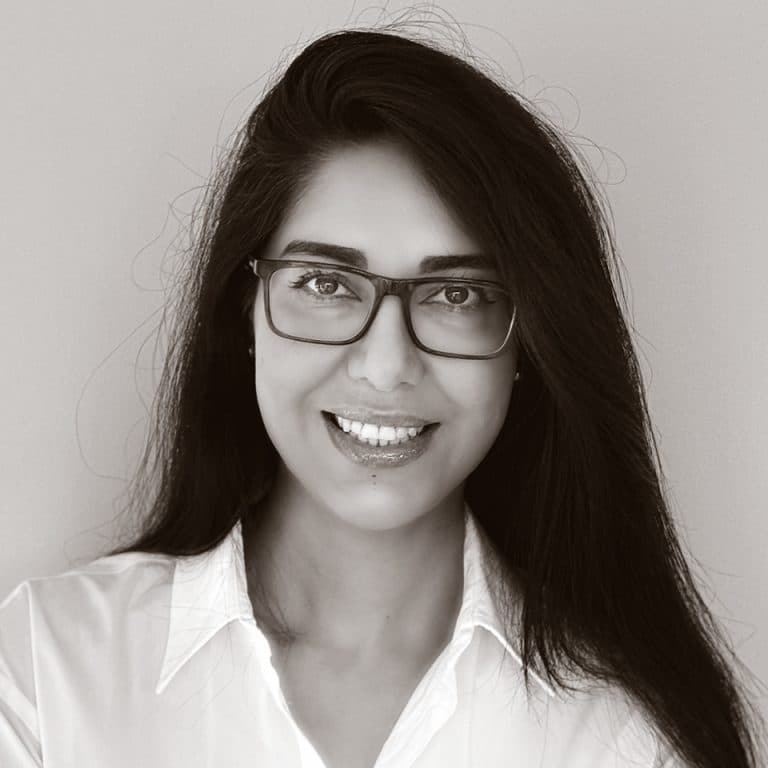
© Sana Nassari
Iranian women's voices

My bejewelled land
Shara Atashi

Iranian women’s defiant art of resistance
Sana Nassari

Song and Wind
Marjorie Lotfi

The return of the God of the 1980s
Atash Shahkarami

A three-act dream
Razieh Khoshnood

Poems of resistance
Forouz Zarei

Flesh
Sepideh Jodeyri

No country for filmmakers
Anahit Behrooz


Illuminating, in-depth conversations between writers.
Listen to all episodes
SpotifyApple Podcasts
Amazon Music
YouTube
Other apps

The series that tells the true-life stories of migration to the UK.
Listen to all episodes
SpotifyApple Podcasts
Amazon Music
YouTube
Other apps
Seven poets celebrated by the T. S. Eliot Prize explore the concepts behind their books.
Listen to all episodes
SpotifyApple Podcasts
YouTube

Free Will
Will Harris reads his poem, 'Free Will'. Directed by Matthew Thompson and commissioned by the Adrian Brinkerhoff Poetry Foundation.

Half Written Love Letter
Selina Nwulu reads her poem, 'Half Written Love Letter'. Directed by Matthew Thompson and commissioned by the Adrian Brinkerhoff Poetry Foundation.
Bad Signal
'All language use can be seen as extending a hand; words and their corresponding meanings are always about relationships'
When journalism is silenced
What is the responsibility of the writer?

Literally the shittiest night!
What really matters, even in literally the shittiest times
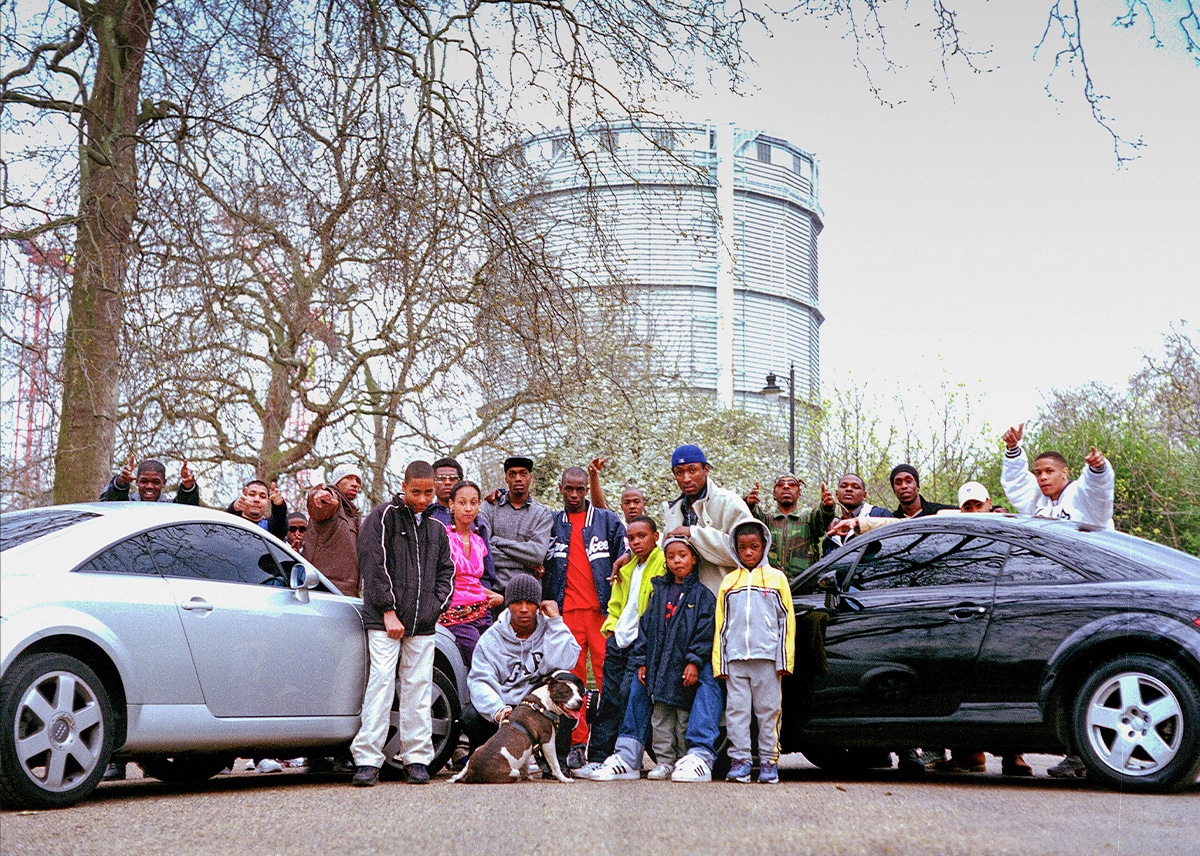
The Music is Black
Rage, hope and joy co-exist in this celebration of 125 years of Black British music
Orwell: 2+2=5
An exploration into the language of power through George Orwell's life