Iranian women's voices
A three-act dream


Act I:
I am dancing cheerfully, and my friends are singing ‘Happy Birthday’, when suddenly the door to my apartment opens and my mother enters, with the same angry look I remember from my earliest childhood. I was five years old, I went out without a headscarf, forgetting to cover my hair, and suddenly I saw my mother coming towards me. I started running into the house to hide. I don’t remember if I was beaten, but I still remember very clearly that angry look.
Now she enters my apartment with the same anger in her eyes. I run into my room and lock the door. She starts knocking on the door. No matter how much I look, I can find nothing to cover my hair and my shoulders.
Someone kicks the door open. Behind my mother, who is no longer her usual self – neither fully woman nor man – I can see several police officers, who kindly invite me to go with them. I want to resist, but my whole body is paralyzed. I try to scream, but I have no voice. One of them grabs my hair and drags me down to the street and shoves me into a ‘Morality Police’ van. I wake up screaming.
Last night, after the guests left, I fell asleep on the sofa. The half-burnt candle from my 48th birthday is still on the table. My daughter is sleeping on another couch. I can never talk to her about my fears. Some feelings are uncommunicable. She may never understand that I did my best to pave the way for her.
Act II:
What is it about Forough Farrokhzad that makes her an everlastingly bright star in the Persian literary sky?
While we may not strictly label her a feminist or activist, we cannot limit her significance to her poetry, not when her contributions still help pave the way to women’s freedom, and for anyone wishing to challenge old, oppressive ways of thinking.
It is the combination of her life and her work that makes her such a shining example – Forough’s life and poetry. As Hannah Arendt eloquently put it, ‘the revelatory character of action, as well as the ability to produce stories, become historical, forming the very source from which meaningfulness springs into and illuminates human existence.’
I recall watching a video of Susan Sontag on Instagram, objecting to Norman Mailer’s use of the term ‘lady’, which she found patronizing, and saying she would rather not be called ‘a lady writer’. I believe Forough felt similarly. She would have preferred to be recognized as one of the best contemporary Iranian poets, without being confined to the ‘female’ category.
If we ignore Forough’s womanhood and refrain from categorizing poets into ‘feminine’ or ‘masculine’, if we remove Forough’s name from her poem ‘The Frontier of Gems’ and read it anew, we encounter a poet who critiques the old established order, an order not limited to a patriarchy which is just one of its many dehumanizing features. In acrimonious words, Forough attacks rotten minds, ignorance, poverty and misery, and identifies an underlying unkindness in the ‘compassionate embrace of the Motherland’.
Now, nearly 60 years after her death, we witness a young generation fighting against the same old order. The Woman, Life, Freedom movement is not just about the hijab; it is about combating an ideology that hates life and celebrates death. This is why dancing, the most vibrant act of human expression, has become one of the most powerful and beautiful forms of protest in this movement. After the death of almost every young girl or boy who is killed during the uprising, a video of them dancing surfaces on Instagram. It seems they are dancing from underneath their graves, celebrating life and inviting viewers to join the dance.
Act III:
You haven’t won – yet.
You got yourself registered, though,
On the nerves of the streets,
In the veins of the cities,
With your bleeding dancing bodies.
God knows how many years they were singing
That intoxicating lullaby,
And poisoning you with opiate words,
To send you to sleep.
So, you sleep your dreams away,
And wake up dreamless.
Awake, more than ever,
You lived your dreams,
And danced your dreams –
Fire in your eyes, blinded by brutal bullets,
Bravery in your hearts, torn by merciless bayonets.
You gathered your wounded scattered pages
From the minefield of their ruling speech,
Redefined yourself
In your own words,
Crafting a new lexicon of resistance.
A river of stinging, stubborn sound
Flowed through the deafness of silence –
A relentless current of defiance
Carving new pathways
Through stone walls of tyranny
Guarded by rusty thoughts.
Through the darkness, you shone,
Constellations of bravery,
Lighting the night sky,
With sparks of your magical hope.
You went on, undeterred,
Your voices together echoing like thunder
Through the labyrinths of power,
Shaking the foundations of once unshakable towers,
Awakening dawn in the hope of buds beginning to flower.
You haven’t won – yet.
The battle is not over.
For every heart that beats,
For every soul that dares to dream,
The freedom lives on.
© Razieh Khoshnood
Iranian women's voices

Iranian women’s voices
Sana Nassari

My bejewelled land
Shara Atashi

Iranian women’s defiant art of resistance
Sana Nassari

Song and Wind
Marjorie Lotfi

The return of the God of the 1980s
Atash Shahkarami

Poems of resistance
Forouz Zarei

Flesh
Sepideh Jodeyri

No country for filmmakers
Anahit Behrooz

WritersMosaic monthly
Get new episodes by email
One email monthly, unsubscribe anytime

Illuminating, in-depth conversations between writers.
Listen to all episodes
SpotifyApple Podcasts
Amazon Music
YouTube
Other apps

The series that tells the true-life stories of migration to the UK.
Listen to all episodes
SpotifyApple Podcasts
Amazon Music
YouTube
Other apps
WritersMosaic interrogates the notion of ‘staying in your lane’ by asking writers how they attempt to think beyond the parameters of their cultural identity.
Listen to all episodes
SpotifyApple Podcasts
YouTube

Marlon James: a Jamaican reckoning
'A return to a home I barely knew'
The name of this wallpaper is ‘Childhood’
A luminescent bubble of memory
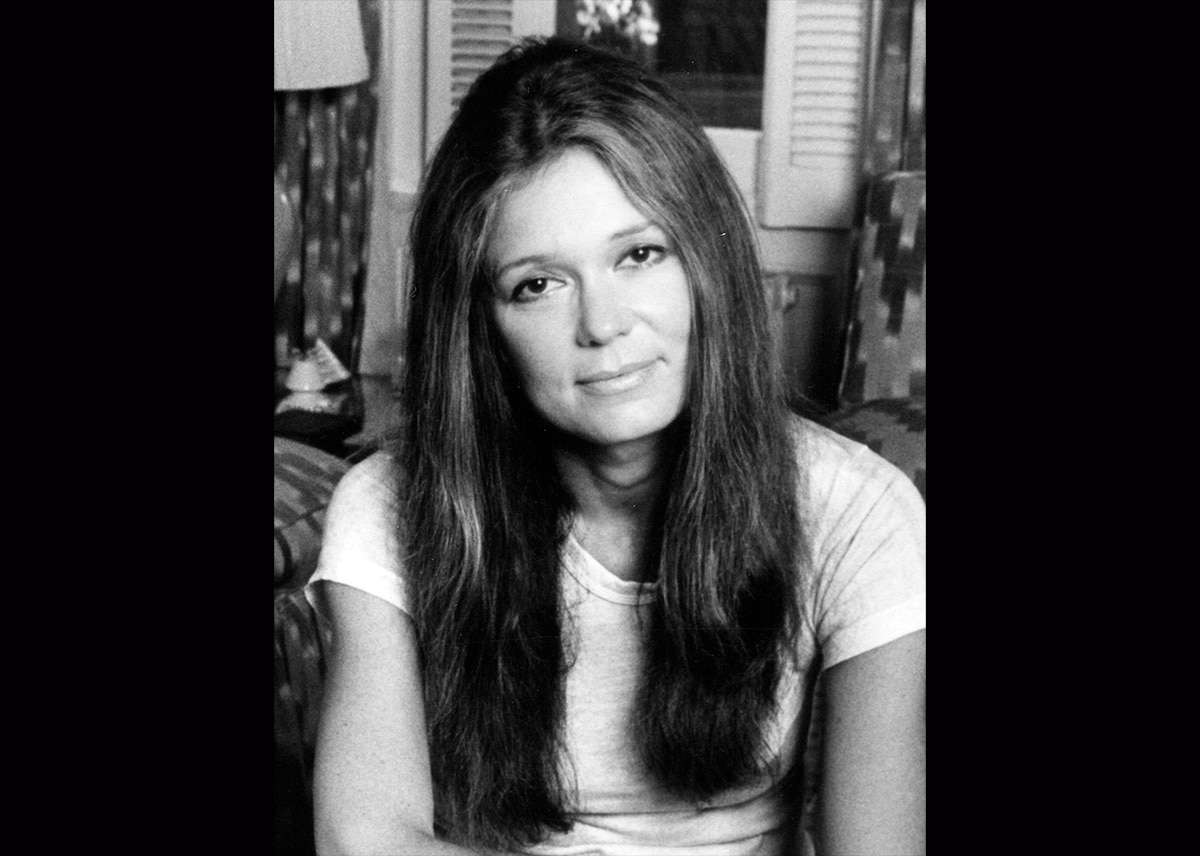
What’s in a feminist? Holding on to Gloria Steinem
Is Gloria Steinem's feminism still relevant today?
Pressure
What's missing from the latest 'untold story behind D-Day'?
A Trial
An examination of theatre’s complicity in post-truth politics