Everyone has an elsewhere
Editorial
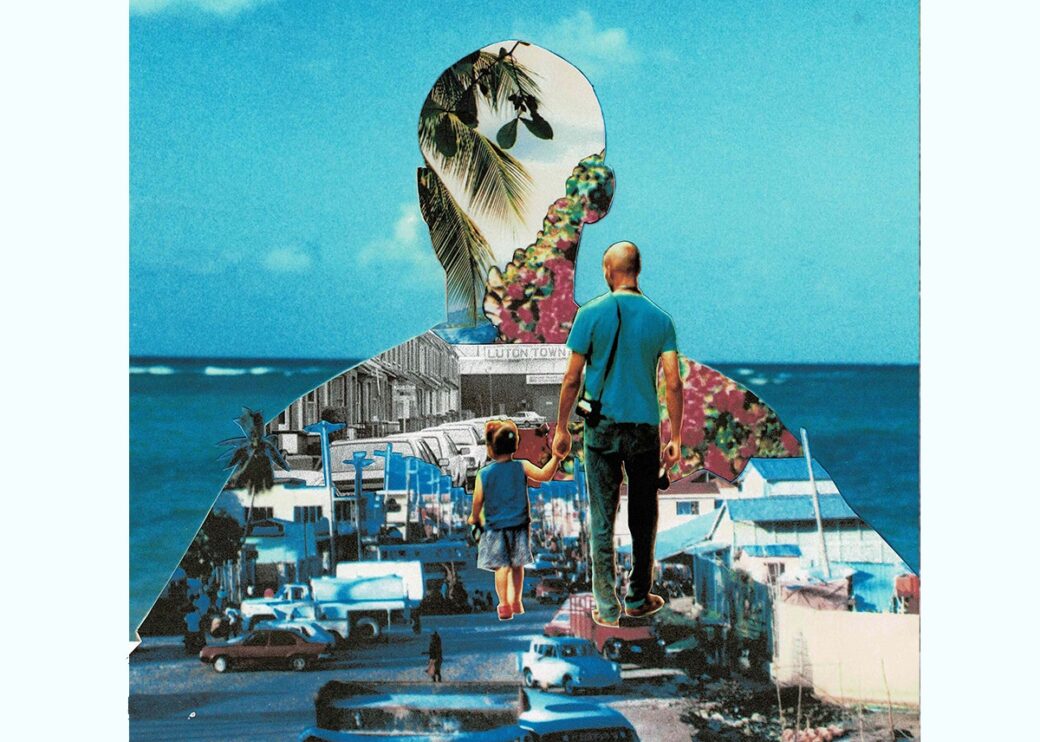
For Everyone has an elsewhere, nine writers embark on a quest to evoke pasts whose truths are slippery and elusive: a kind of time travel to such moments, whether physical, metaphorical or a combination of both.
This edition takes its title from Mirza Waheed’s tender essay ‘My father’s places’ and features similarly poignant pieces, like Naneh’s Hovhannisyan’s ‘Sketches from the edges’ and Hannah Lowe’s ‘Searching for Nelsa Lowe’, which details her efforts to discover more about her aunt Nelsa from very few sources, taking her to Jamaica. The stories by Mirza, Naneh and Hannah all serve as bridges between the living and the dead.
A simple pilgrimage to the Freud Museum rekindles Andy Bay’s appreciation of Sigmund Freud’s daughter Anna’s pioneering work in child psychology along with Andy’s reflections on his own encounters with psychoanalysis. ‘Devotion’, an autofiction by Sarah Issever, reads as a yearning for reunion and an act of familial devotion towards a brother who left home aged six to start rabbinical training.
In ‘King Herod in Florida’, the admiration that Haitian writer Isabelle Dupuy feels for the Harlem Renaissance novelist Zora Neale Hurston inspires her own journey to Eatonville, Hurston’s hometown. In traveling alone as a Black woman writer in the South, Isabelle identifies with Hurston and her fearlessness.
The notion of ‘meeting yourself coming back’ informs Suzanne Harrington’s musings on her life as an enquiring and rebellious young woman having left Ireland in the 1980s to seek experiences abroad with like-minded adventurers.
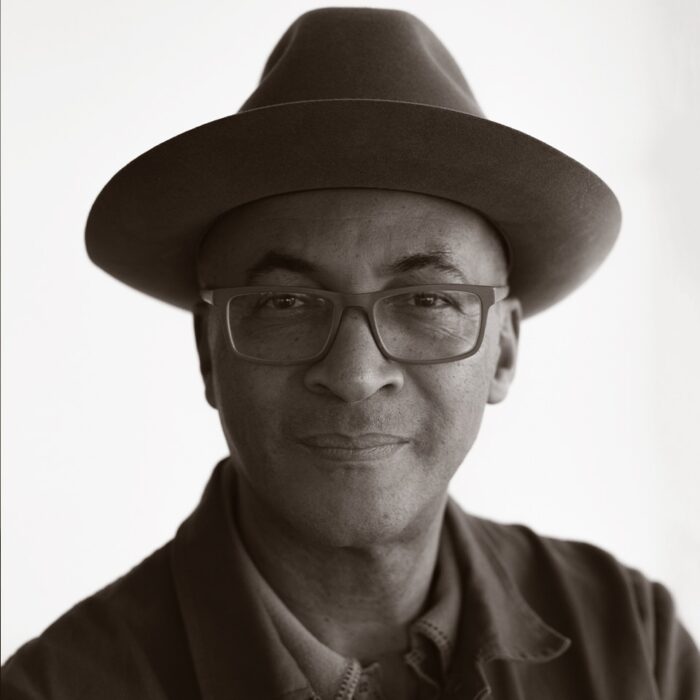
Writers may not always like what they find when digging into memories with their pens. An uncomfortable reckoning with the past is at the centre of ‘Think pathology?’, my reflections on the way a medical school education had framed my inability to see people as anything but examples of walking pathology.
My selective perception has evolved since then, I hope, from pathology to pathos, and this essay takes its place amongst the others in this edition that are all notably shaped by empathy. I suspect you’ll find them, as I have, surprising, heartrending, revelatory and a joy to read.
© Colin Grant
Everyone has an elsewhere
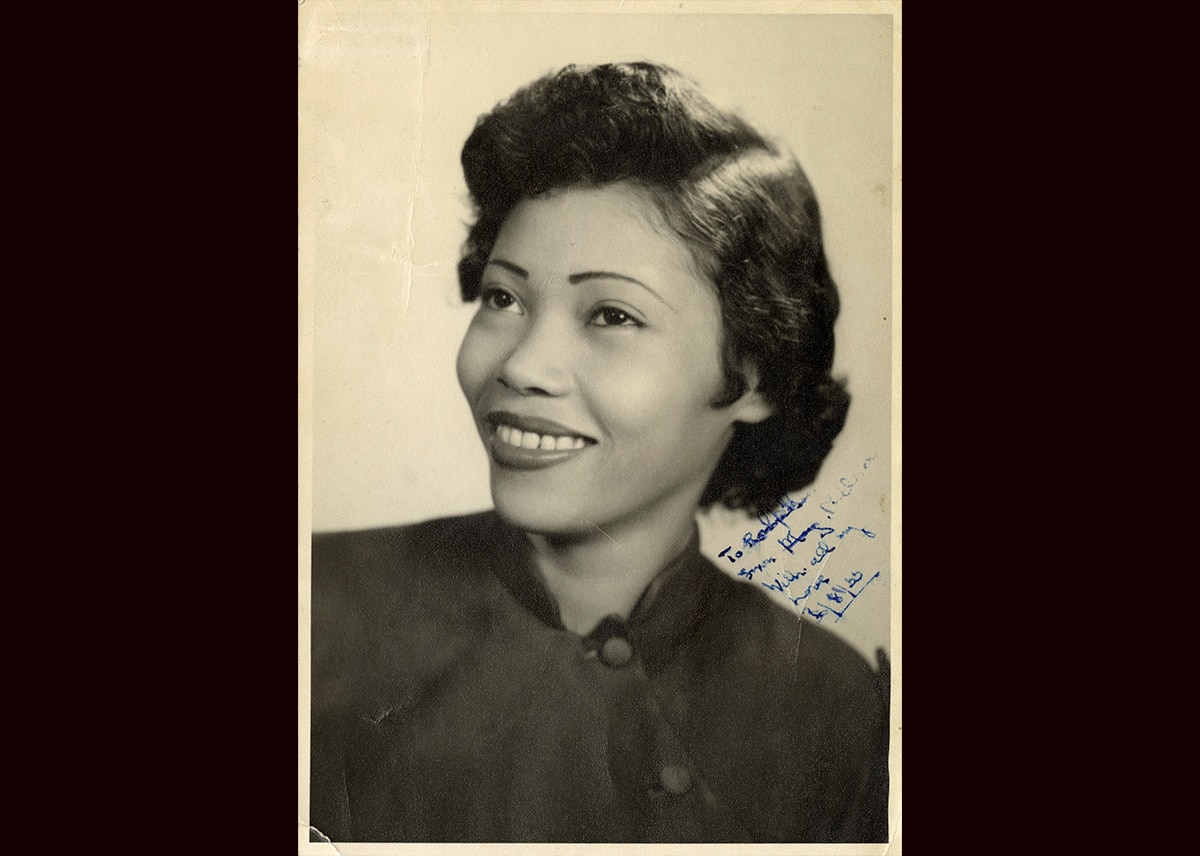
Searching for Nelsa Lowe
Hannah Lowe
Sketches from the edges
Naneh Hovhannisyan
Think pathology?
Colin Grant
Forests where past and present meet
Maria Jastrzębska

My father’s places
Mirza Waheed
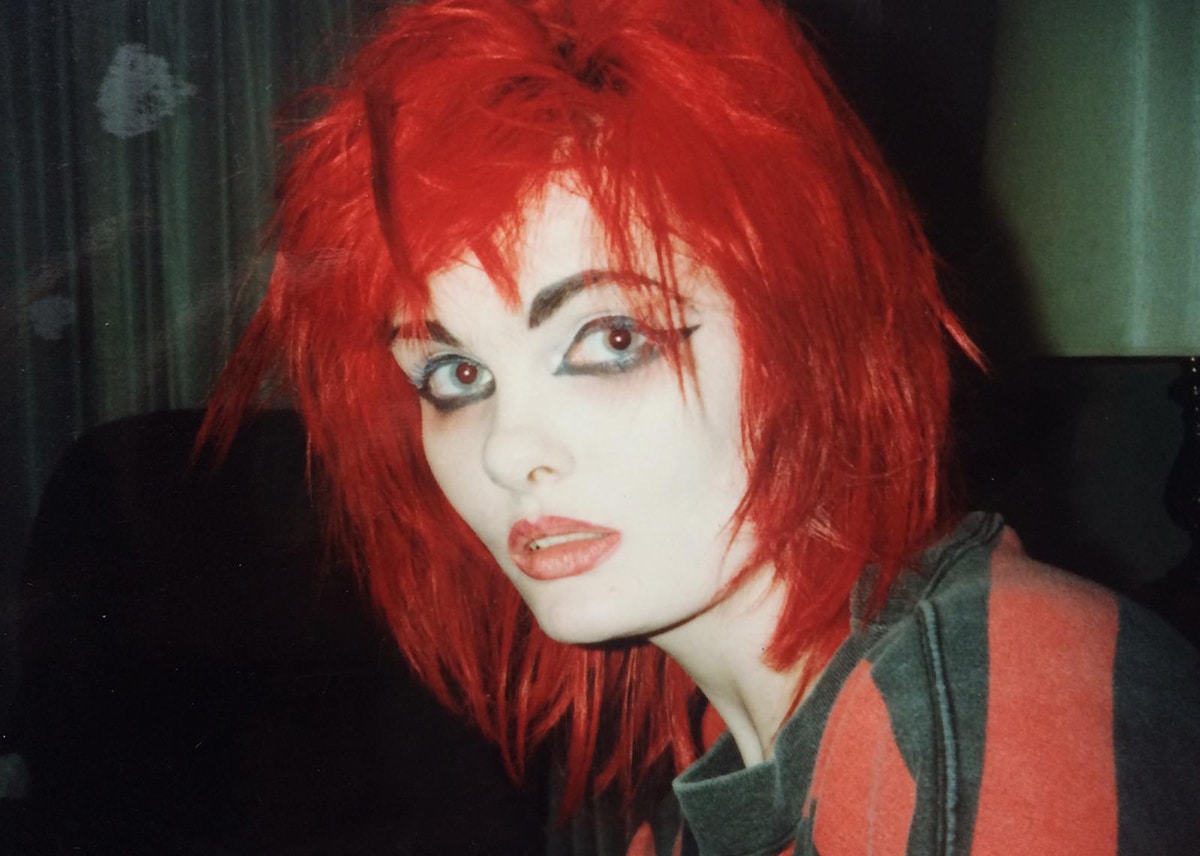
Luc and Peggy
Suzanne Harrington
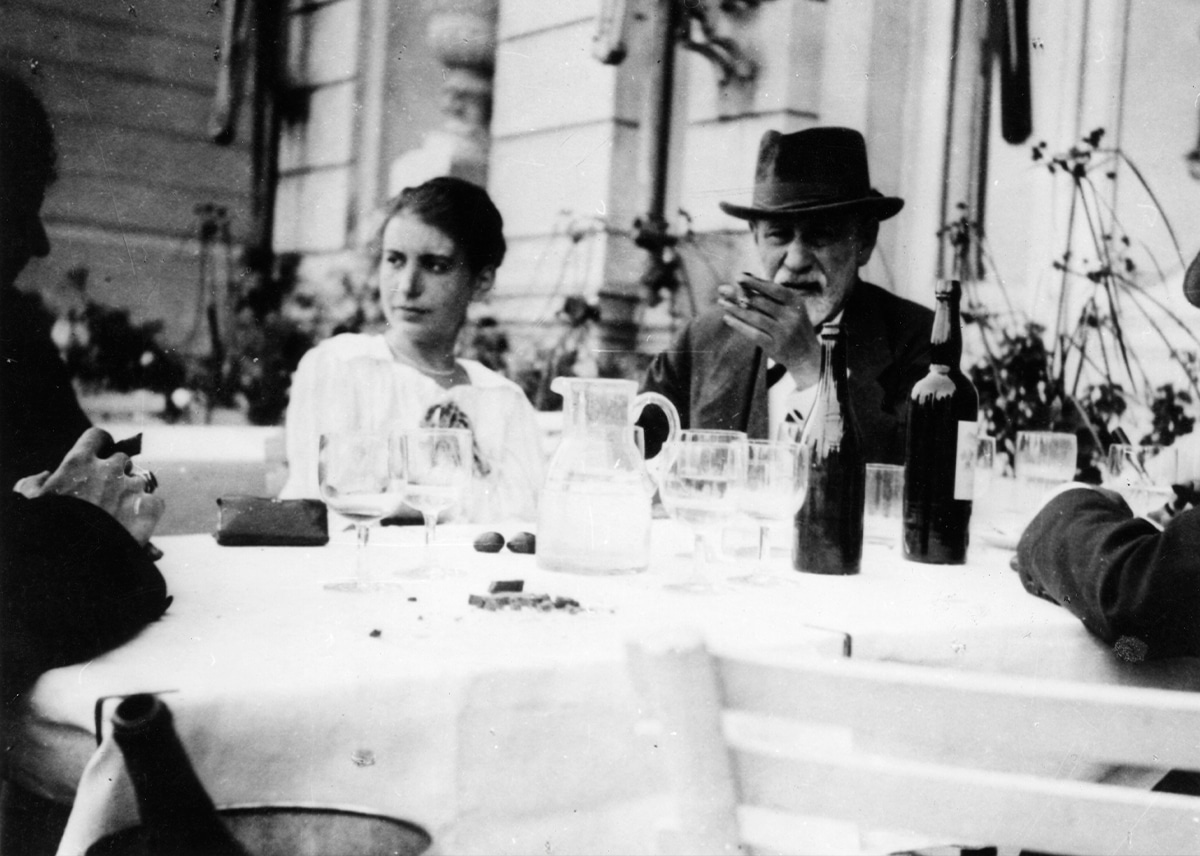
Anna Freud at the Freud Museum
Andy Bay
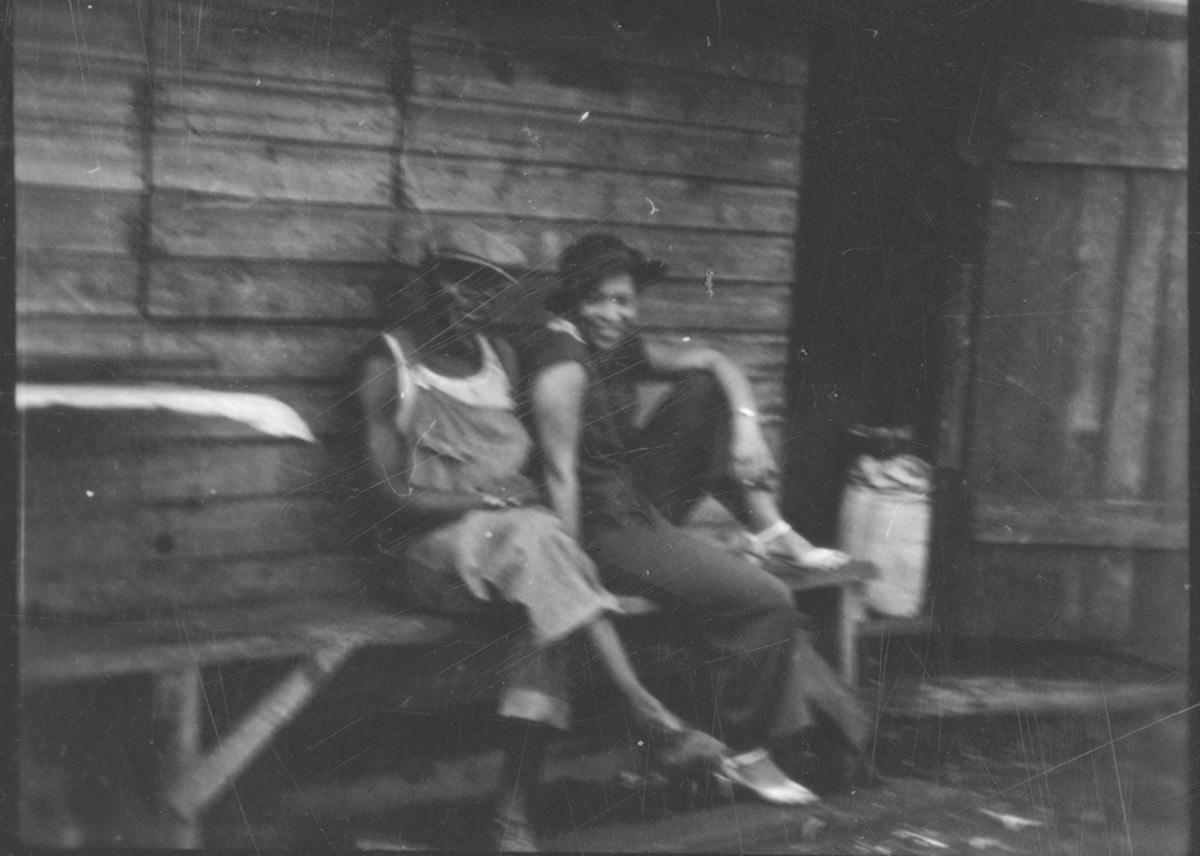
King Herod in Florida
Isabelle Dupuy

Devotion
Sarah Issever
WritersMosaic monthly
Get new episodes by email
One email monthly, unsubscribe anytime

Illuminating, in-depth conversations between writers.
Listen to all episodes
SpotifyApple Podcasts
Amazon Music
YouTube
Other apps

The series that tells the true-life stories of migration to the UK.
Listen to all episodes
SpotifyApple Podcasts
Amazon Music
YouTube
Other apps
WritersMosaic interrogates the notion of ‘staying in your lane’ by asking writers how they attempt to think beyond the parameters of their cultural identity.
Listen to all episodes
SpotifyApple Podcasts
YouTube

Complex antihero: an interview with Arthur Hughes
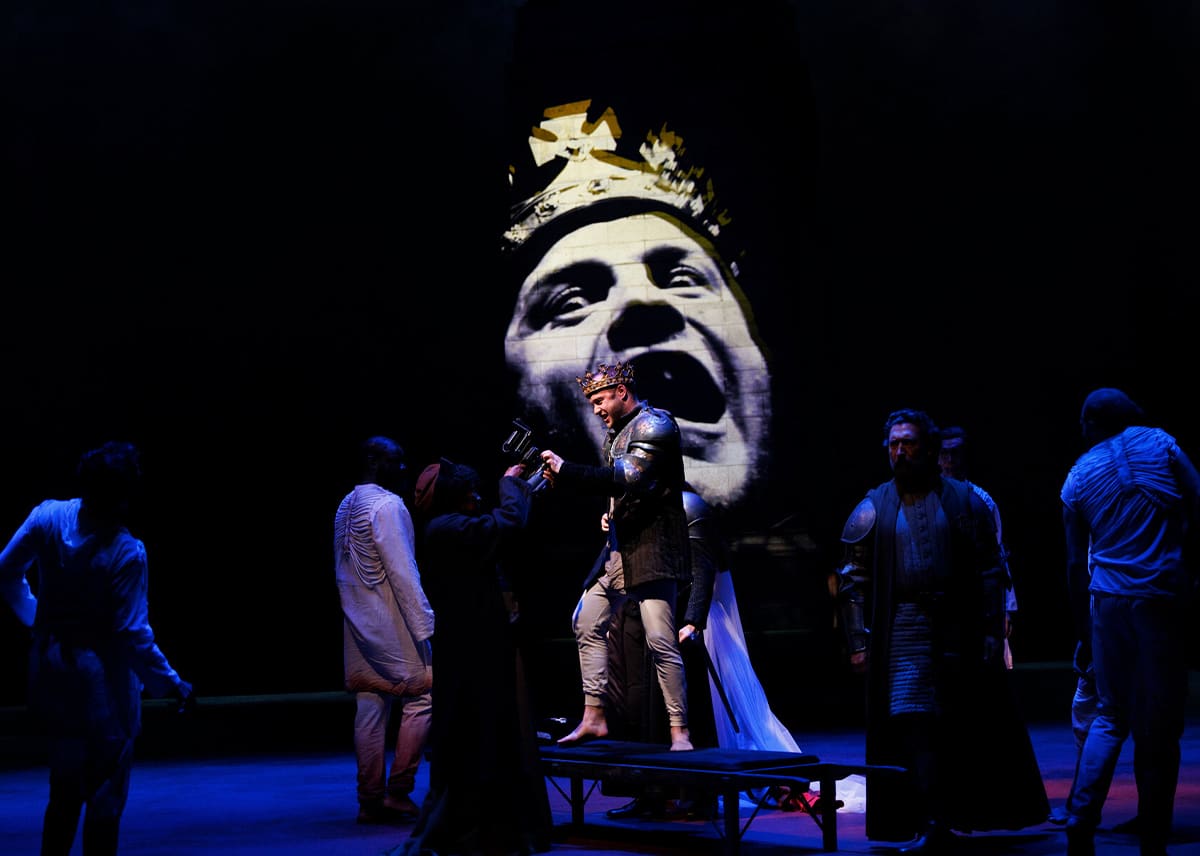
Unravelling Authur Hughes' Richard III
Marlon James: a Jamaican reckoning
'A return to a home I barely knew'
The name of this wallpaper is ‘Childhood’
A luminescent bubble of memory

The Disappearers
A sprawling visceral experience that drops you in head first
The Lady Imam
Is the world ready to catch up with amina wadud?