Blood and Belonging – Traveller Writers
Chicken blood
A lyric essay placing my Traveller ethnicity in Northeast England
Travellers fight like cocks, they say. Feet first, we get thrown in many a pit. Crowds circle, laying bets between wheeling air fights and runaways. Spur and knuckle. Screech and spar. Winnings don’t bleed down. The dead birds lose. Young lads play chicken. Noses boom and bust. Land joyride punches until bodies crash. Lasses are just as hard. I’ve left parks black-eyed, with torn hair and red skin. More fights inside. But we keep quiet on that. Especially, we fight the country people. Call them that – country – despite us all living in the same town most of the time. Shorten it for those self-righteous ones who call us wrong-uns, those with little appetite for our history.
They call us Hawkers. Gypsies. Worse. Shift down this hill for a better view. Pylons chatter in sequence all around our allotment. Pigeons clap there and back. In the familiar ease of metal from metal, we follow the order of sound. Close ourselves in, like they did before. Tin scraps, old doors. The lock and key sat safely. Everything is growing up slow and soft, sharp and lush. Turned by fork and foot and hand, the ground eats roots, spits out seed. Early on, I throw scoops of feed. We’re a scattered people, or so they say. Feathers and feet flood out in a brood, and hens skirt away in spite of my keenness to hold one. I was writing even then, casting lines on the mud.
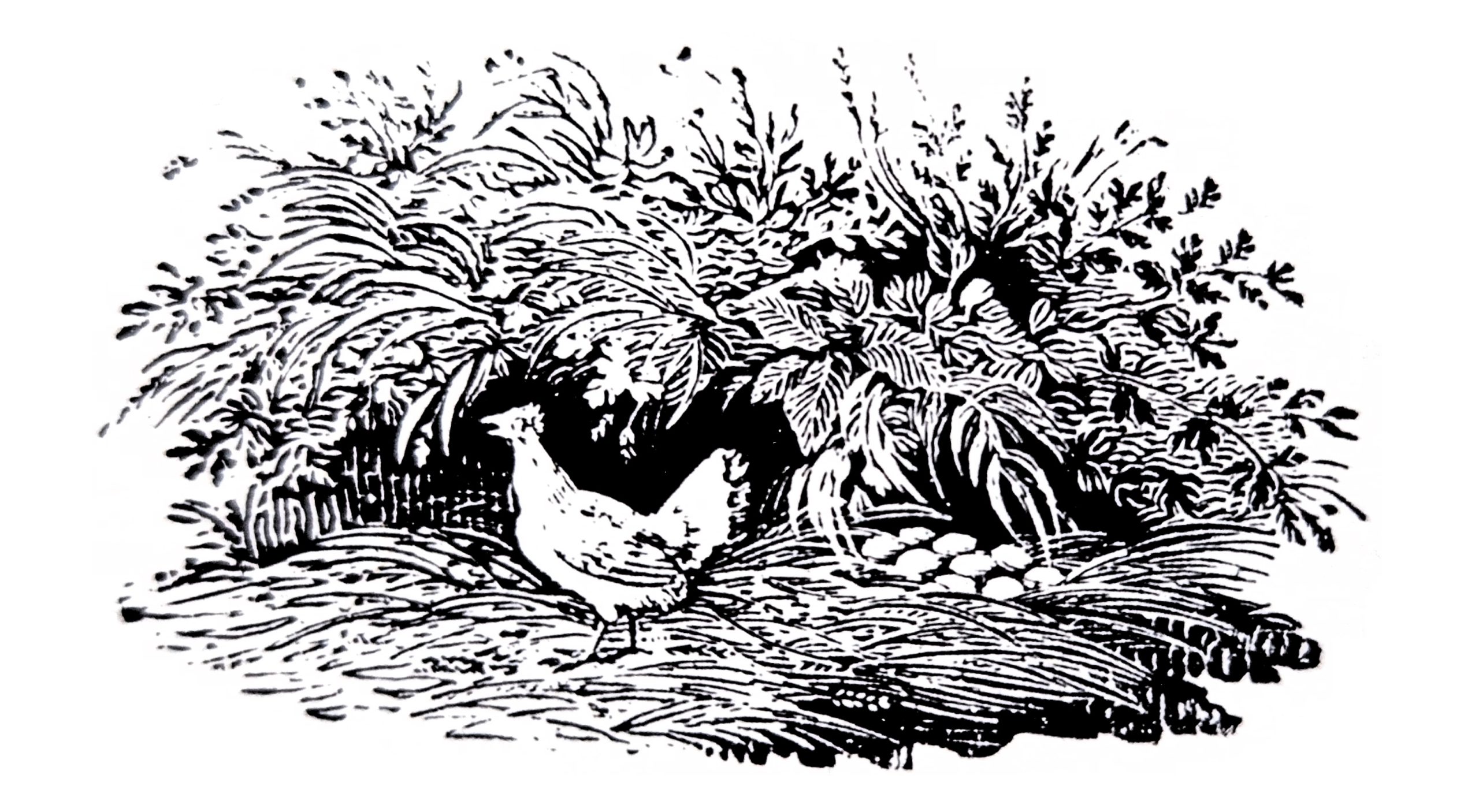
Terriers keep the corners, and long dogs the heel. Horses chained to the outskirts chew windfall, lick steaming new foals. Dad put a clutch of battery hens right. Spooned cod liver, steeped their feet in salt water. Small but back in feather, they speak bantam and dust bath. Scratch and walk as far as our square of dirt allows. The patchwork replies in goat, hammer, pigeon, woodsmoke, spade. And they say we’ve no tongue. We cluck, cluck, cluck. We jib. Keep a tidy yard. Wash teacups three ways. On the drive in we scan the streets, make beds from nothing. Salvage.

I tend the plum trees grandad brought to keep the crows off. Settle eggs in paper Keyes in the coop. Dozens sit like unfinished sonnets. One for each hen on good days. Speckled in down. Ready for the wash. Soft layaways in sorry quarters. Stone ghost egg. Still not bringing his favourite on for eggs. She’ll come home with us for a spell. What the others lay, we eat or sell. Devil what we don’t, pickle the rest. He pencils in, for the record. Strings onion heads. Slides glass panes. The sweet hothouse smell opens. Everything labelled. Money maker. Tangella. Harbinger. We knife the red flesh. Salt.
Our prints come and go. The last owner hanged himself in the ducket. Left a week’s worth of pigeon feed out. That’s how we got the yard. He looks out the webby window now and then. A face flicker. Too many of us lost this way. Inside, I brush marbled white moths from perches. Fear ripe as chicken shit, swept away to compost. Straw switch. A tangle waits to be pressed smooth by the birds’ supple bellies. Pop bottles warm on the ledge. Later that’ll be a minnow trap, or a bucketful of smoke. The fizz stings my throat. Everything put back and used again.
I step railway sleeper paths, raised beds full of seedlings. Measure time by the incubator, lit up, ticking and tilting. Gennies whirl hot power. Couldn’t wear my Communion gown here. Lace as white as nan’s nets, despite the two packs a day. A veil she made before her hands turned rheumatic. White pointed shoes. The red ribbon. My missing tooth. Egg bloom. Hair past my hips. Cotters. Rag rolls. Rag and bone. Here, I candle eggs to the light like wafers. Told dad, the priest said I could only be a nun. Pullets peck at peelings and each other. He says, I’m never to come here on my own. Or church.
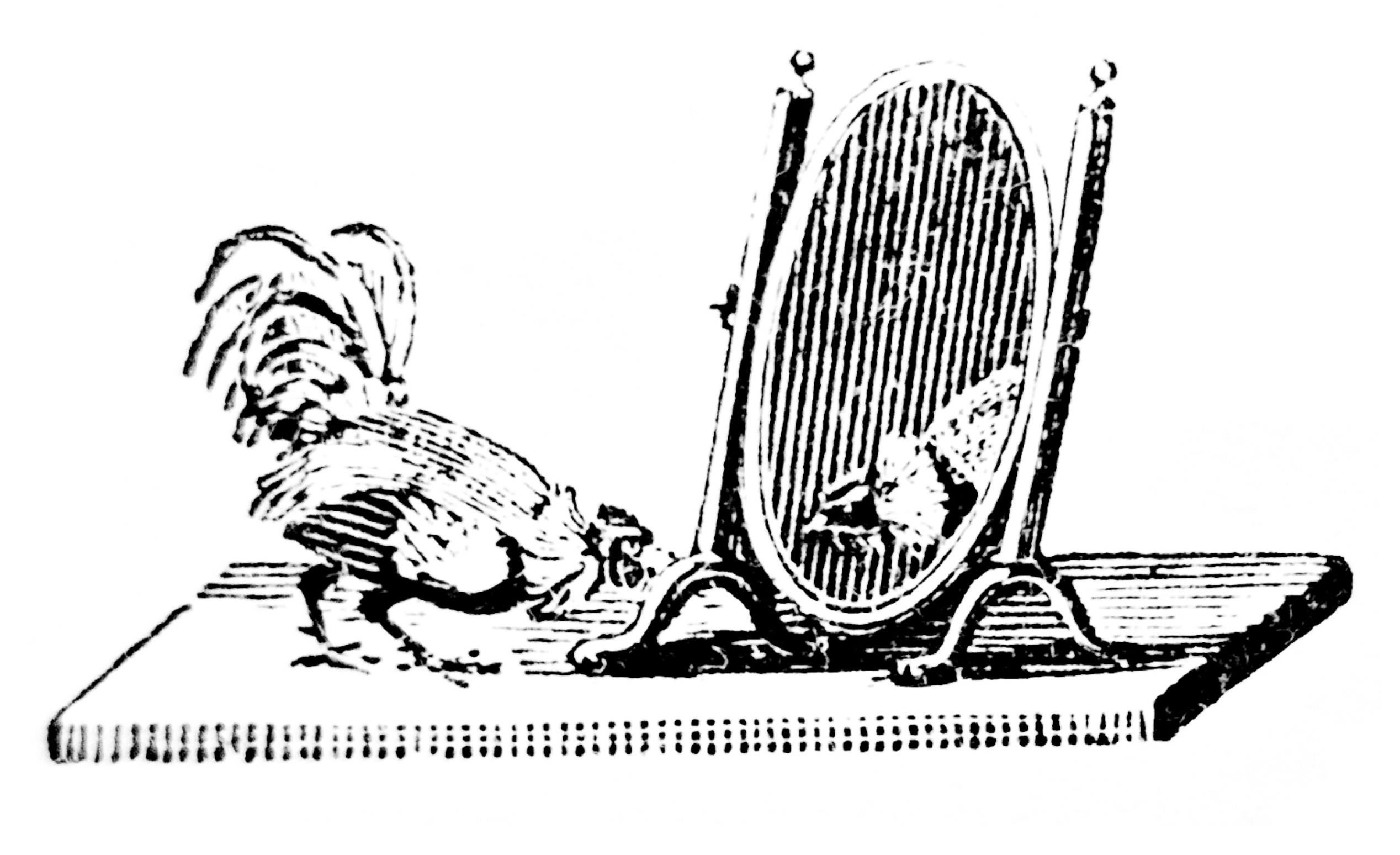
A woman in the supermarket sneers we breed like rabbits. We patch up the weak spots before the seasons shift. This work is essential. Eye the walls for new winks of light. Paint peels down posts. If they can get a nose through, they’ll get through. Long tails worry the brood. Eat the feed. Eggs. Chicks. Chewed through the old feed freezer. Dad knows they’re off the lay before it even happens. Resets the break backs. This is fast steel. No humane traps. Sometimes the long tails get caught by parts, need a quick pellet. He handles the business.
Newspaper cutouts of the chickens: silkies and frizzles. Canary by the pig boiler. Rescued soup hens get fat. Heat their straw. I know chicken blood before my own. Read parables about seeds. Wonder what I am, until a teacher spells it out. Cocks crow in denial. Pecking orders. On and off dirt floors. Hens talk tenderly to their eggs and know our faces. Understand that things hidden from view are still there. We are their objects, beyond the coop door. We shut them in the perfect dark and they remember us. The hooves tap back in. Absence that means presence.
Dad slides the bolts. Digs graves for a living. Whistles like a bird. Knows where the foxes sleep. Runs long dogs across moonlit farmland. He dries rabbit paws between the beams. Shows me how to take their jackets off with a quick pen knife. Skin snap for the ferrets. Fathers four kids before he can read or write. Left hand tied behind his back. No luck but here in edge land. A corrugate buzz of rainfall in riot. Nothing to water today but fowl. We sit and smoke. Talk of fruit trees and travels. The council has other plans for this place, and us.
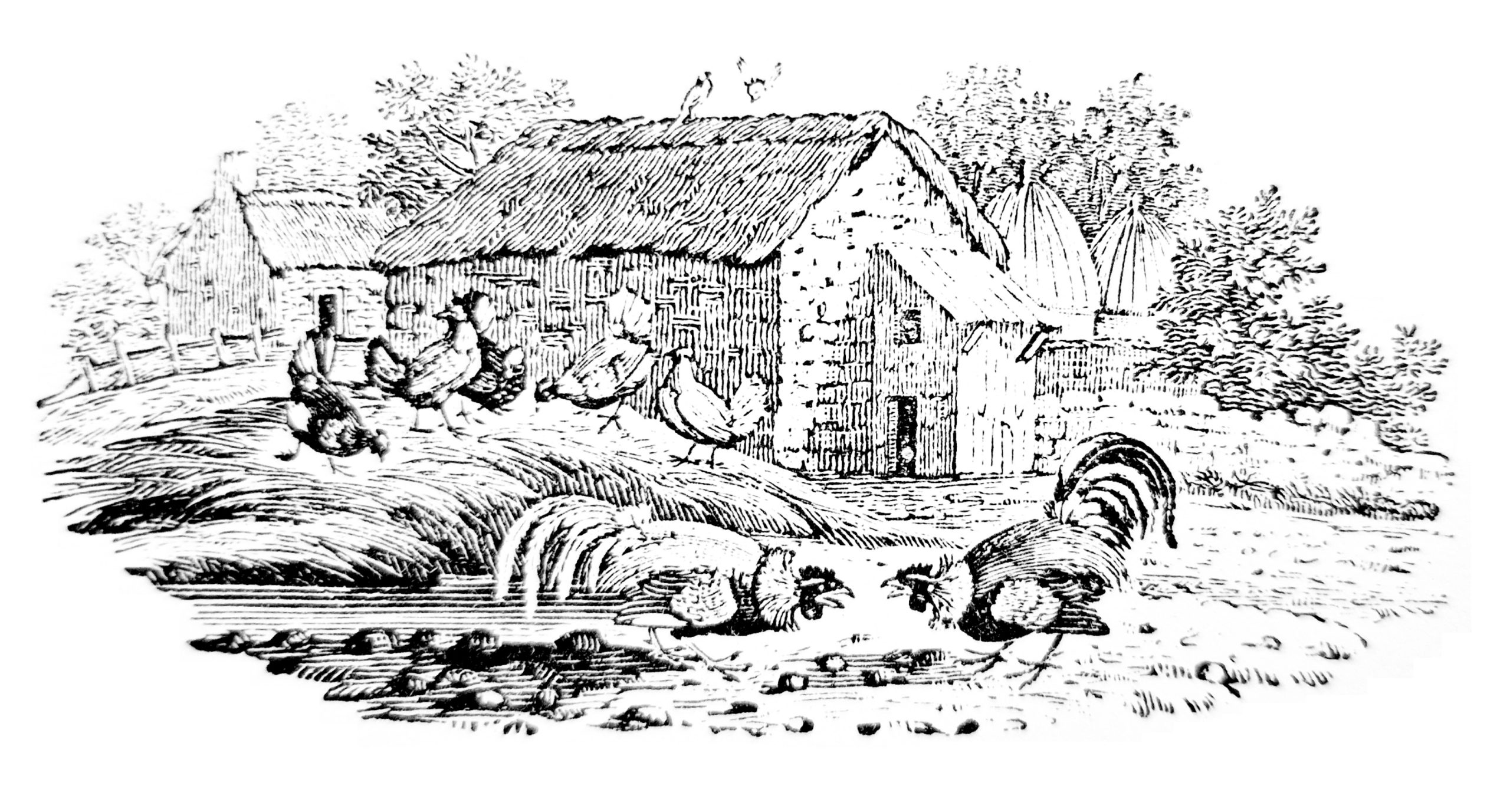
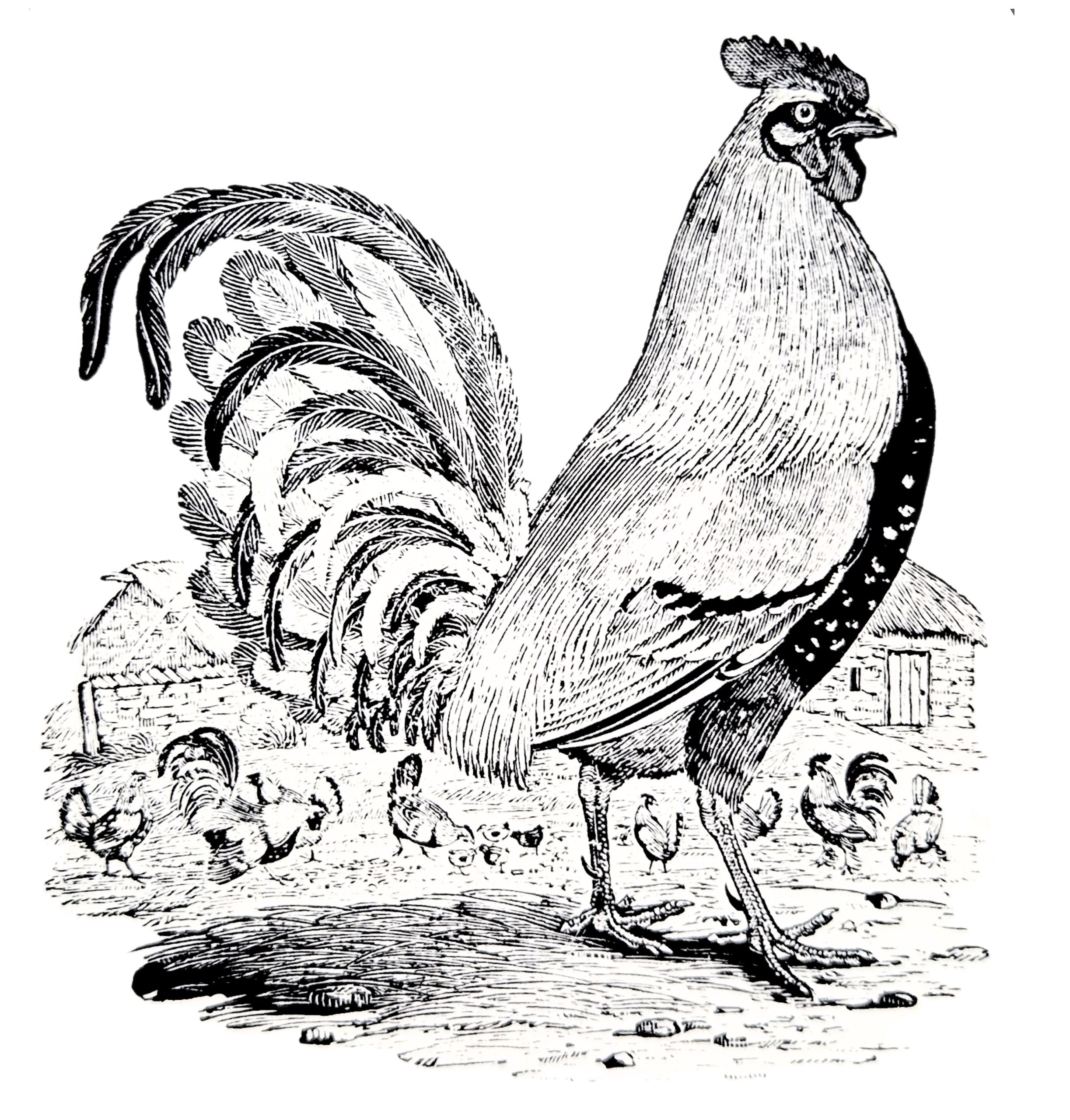
This lyric essay is illustrated with wood engravings created by Northumberland-born wood engraver Thomas Bewick (1753–1828). Except for his cockerel, which is a head-piece, all are tail-pieces. These decorative ornaments are used by printmakers at the foot of a text to conclude it or bridge onto another piece of writing. As Bewick didn’t name his engravings, the artworks here are given new titles for reference. These digital reproductions are taken from The History of British Birds (Newcastle, 1826) and, in order of appearance, are: Cockerel; Pheasant Hen; Sheltering; Mirrored; Cockfight.
© Jo Clement
Blood and Belonging – Traveller Writers

Blood and belonging
Louise Doughty

Writing spells danger!
Richard O’Neill

I belong to both worlds
Raine Geoghegan

Reporting for Romanistan
Jake Bowers

Our blood
Damian Le Bas

Objects of love
Rosaleen McDonagh
WritersMosaic monthly
Get new episodes by email
One email monthly, unsubscribe anytime

Illuminating, in-depth conversations between writers.
Listen to all episodes
SpotifyApple Podcasts
Amazon Music
YouTube
Other apps

The series that tells the true-life stories of migration to the UK.
Listen to all episodes
SpotifyApple Podcasts
Amazon Music
YouTube
Other apps
WritersMosaic interrogates the notion of ‘staying in your lane’ by asking writers how they attempt to think beyond the parameters of their cultural identity.
Listen to all episodes
SpotifyApple Podcasts
YouTube
In the first series of poems commissioned by Hannah Lowe, six poets explore how ritual gives meaning to our lives.
Listen to all episodes
SpotifyApple Podcasts
YouTube

Free Will
Will Harris reads his poem, 'Free Will'. Directed by Matthew Thompson and commissioned by the Adrian Brinkerhoff Poetry Foundation.

Half Written Love Letter
Selina Nwulu reads her poem, 'Half Written Love Letter'. Directed by Matthew Thompson and commissioned by the Adrian Brinkerhoff Poetry Foundation.
The name of this wallpaper is ‘Childhood’
A luminescent bubble of memory
What’s in a feminist? Holding on to Gloria Steinem
Is Gloria Steinem's feminism still relevant today?
Coats
The unexpected cost of acquiring two Italian leather coats in Rome
A Trial
A forceful, if imperfect, examination of theatre’s complicity in post-truth politics
The Complex
The unraveling of a dynasty