Blood and Belonging – Traveller Writers
Our blood


‘You got our blood in you, boy.’
Travellers don’t mince words. If you ask a Traveller a serious question, you can expect a serious answer couched in unpretentious terms. With the Romanies – a name that comes not from Romanian, as many people presume, but from an old Indian word meaning ‘husband’, ‘man’ or simply ‘one of us’ – blood is a serious matter. My Romany relatives rarely called themselves anything but Travellers, though for them this word meant ethnic Romanies, and that meant a bond of culture, but also a bond of blood.
Often, the set phrases Travellers use are translations of what would once have been said in the Romani language. English Romanies still speak odd fragments of it, an ancient Indian tongue that dwelt in haunted British forests and sodden vales. The language is not what it used to be, and what survives is treasured, bonding us together. But some things that used to be said survive now only in a translated form, akin to ghosts perhaps, or petrified wood. So, in the past, where an old Traveller man might have said, amaro rat si adre tut, or in later years a more anglicised form like mori ratti’s adre tuti, I grew up hearing, you got our blood in you, boy.
It was true, and I was proud of it, but the statement also implied something else: that I had other blood in me as well. I was not a ‘full-blood Romany Gypsy’, a ‘100 per cent proper Traveller’. It is strange growing up in a culture that demands your allegiance whilst constantly reminding you that it doesn’t quite think you worthy of its own. It can give you the sense that your blood whispers of an in-built shortcoming. I have learned to smile wryly at that voice, where it used to make me rage; but it hasn’t gone away, the blood that whispers. Like the culture, it won’t keep quiet. It does its own thing.
This talk of blood, whether Travellers know it or not, is metaphorical. A child does not ‘have’ anyone’s blood but its own. During pregnancy, the placenta supplies nutrients and oxygen to the foetus, but during this process the mother’s blood does not mix with the unborn baby’s. Blood mixing can occur during childbirth, but that is incidental: there is nothing built into the process of birth that gives a newborn baby its family’s blood. An infant won’t even necessarily have the same blood type as either of its parents. Each new life is a new life, including in its blood. It’s one of those biological facts that make a mockery of racism and pseudoscience, but which also hold a mirror up to cultures which fixate on kinship and on blood.
So yes, I have their blood in me, but perhaps not in quite the way they reckon. That’s fine by me, because whatever our tribe, as the jazz great George Melly once said, we are also ‘a tribe of one’. Each of us is endlessly linked to the whole, whilst being unable to be anything other than a singular self. I, like you, and everyone else, am a one-off. O, fortunate news. If Romany culture, or any other culture, can’t make space for that, then we owe it to ourselves to go and find our space somewhere else. Djas ame, te mangas – let us go then, if we must.
© Damian Le Bas
Blood and Belonging – Traveller Writers

Blood and belonging
Louise Doughty

Writing spells danger!
Richard O’Neill

I belong to both worlds
Raine Geoghegan

Chicken blood
Jo Clement

Reporting for Romanistan
Jake Bowers

Objects of love
Rosaleen McDonagh
WritersMosaic monthly
Get new episodes by email
One email monthly, unsubscribe anytime

Illuminating, in-depth conversations between writers.
Listen to all episodes
SpotifyApple Podcasts
Amazon Music
YouTube
Other apps

The series that tells the true-life stories of migration to the UK.
Listen to all episodes
SpotifyApple Podcasts
Amazon Music
YouTube
Other apps
WritersMosaic interrogates the notion of ‘staying in your lane’ by asking writers how they attempt to think beyond the parameters of their cultural identity.
Listen to all episodes
SpotifyApple Podcasts
YouTube



It’s being published I get paid for; the writing I would do for free
‘Any advance [...] for your novel is to compensate you for the horrors of being published'
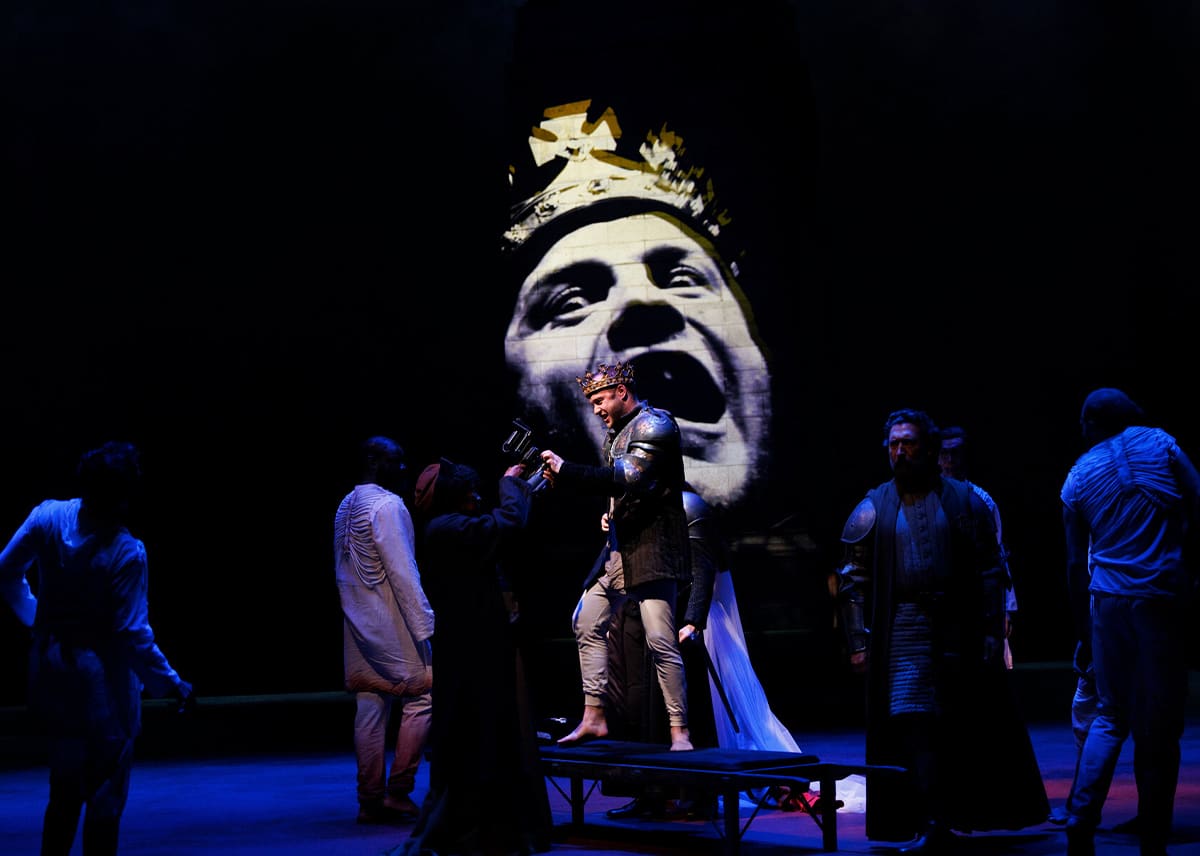
Complex antihero: an interview with Arthur Hughes
Unravelling Authur Hughes' Richard III
Marlon James: a Jamaican reckoning
'A return to a home I barely knew'


Haunting the Black Air
Poetic freedom across space and time
The Disappearers
A sprawling visceral experience that drops you in head first