Blood and Belonging – Traveller Writers
Objects of love
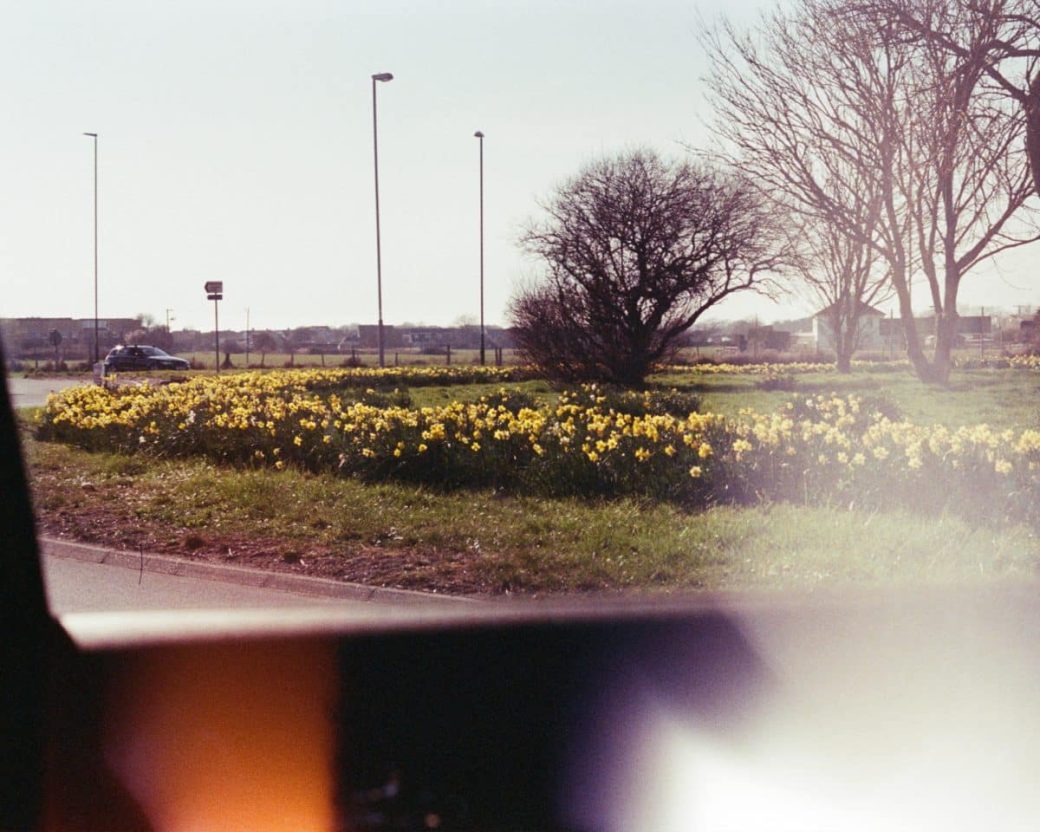
Spring of 2022. The train trip was booked immediately after the Covid restrictions were lifted. My destination was the death camp in Bernburg, Saxony-Anhalt, Germany. During October 1939, public health authorities began to encourage parents of children with disabilities to submit their young children to one of a number of specially designated paediatric clinics throughout Germany and Austria. The program’s functionaries called their secret enterprise ‘Aktion T4’. In August 1939, two weeks before the invasion of Poland, doctors and midwives filled out a questionnaire that would identify children born with various deformities or disabilities.
Friends had told me. Usually in demented states of rage. Rage at my ignorance. Rage at my apathy. Bodies. The atypical aesthetic. The Traveller body. The Sinti Roma body. My train journey, the jolts, the doors opening at various stations, the fresh air, my deep breaths. My disabled family, my blood family, Roma and Travellers. My eyes are drawn to the news story of Ukrainian Roma people in Moldova. State-run reception centres segregate Roma refugees. Segregation, even in humanitarian responses to war; racism always has a role.
By June 1940, the mobile gas vans were being replaced with gas chambers that resembled showers. By 24 August 1941, when the first phase of this ‘Euthanasia Programme’ was brought to an end, over 70,000 patients from more than one hundred German hospitals had been killed. The operation would turn out to provide a model for the subsequent murder of millions of Jews, Roma and Sinti. Some of these children and adults with disabilities also had Roma and Sinti and Jewish identities. This part of the train journey was over. The information in my head. The reminder that the euthanasia movement in Germany was a throwback to the American eugenics movement conceived by a cousin of Darwin, Francis Galton, in 1883. In contemporary times, controversial, tricky, messy conversations about abortion and euthanasia are when people like me come into focus. My journey is to bear witness, tell the testimony, and interpret the debris of our universal eradication.
The cab driver nodding with familiarity as the address of the museum is handed over. The driver has driven many people like me here. To bear witness, to remember, to be part of that infernal history. A history that embodies shock, shame, at times, denial. The curator narrates the different impairments. The diverse ways of killing people. My body. My hand is pressed into my stomach. The bile sliding around inside me. Making its way up to my throat. Cramps in my stomach, any moment my bowels will open. The crowd moves to another room. It’s overwhelming. Thirty thousand bodies like mine were taken, experimented on, and then incinerated. The litany includes Jews, the queers, the Roma and the crips. Each group having an intersectional relationship with others. My gender, my ethnicity, my Cerebral Palsy body – echoes that give meaning to those who were rendered to ashes. These bodies are objects of my love.
© Rosaleen McDonagh
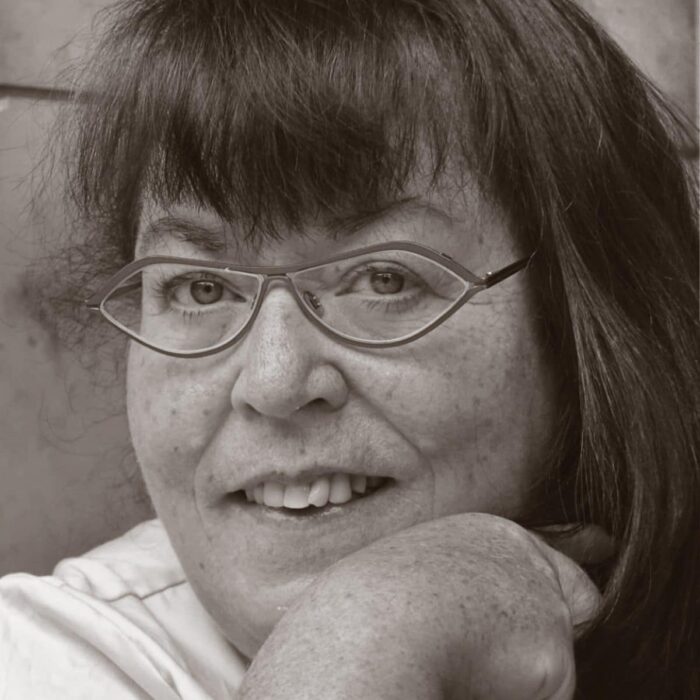
Rosaleen McDonagh
Rosaleen McDonagh is a playwright, performer and columnist for The Irish Times and a member of Aosdána.
Blood and Belonging – Traveller Writers

Blood and belonging
Louise Doughty

Writing spells danger!
Richard O’Neill

I belong to both worlds
Raine Geoghegan

Chicken blood
Jo Clement

Reporting for Romanistan
Jake Bowers

Our blood
Damian Le Bas
WritersMosaic monthly
Get new episodes by email
One email monthly, unsubscribe anytime

Illuminating, in-depth conversations between writers.
Listen to all episodes
SpotifyApple Podcasts
Amazon Music
YouTube
Other apps

The series that tells the true-life stories of migration to the UK.
Listen to all episodes
SpotifyApple Podcasts
Amazon Music
YouTube
Other apps
WritersMosaic interrogates the notion of ‘staying in your lane’ by asking writers how they attempt to think beyond the parameters of their cultural identity.
Listen to all episodes
SpotifyApple Podcasts
YouTube

It’s being published I get paid for; the writing I would do for free
‘Any advance [...] for your novel is to compensate you for the horrors of being published'
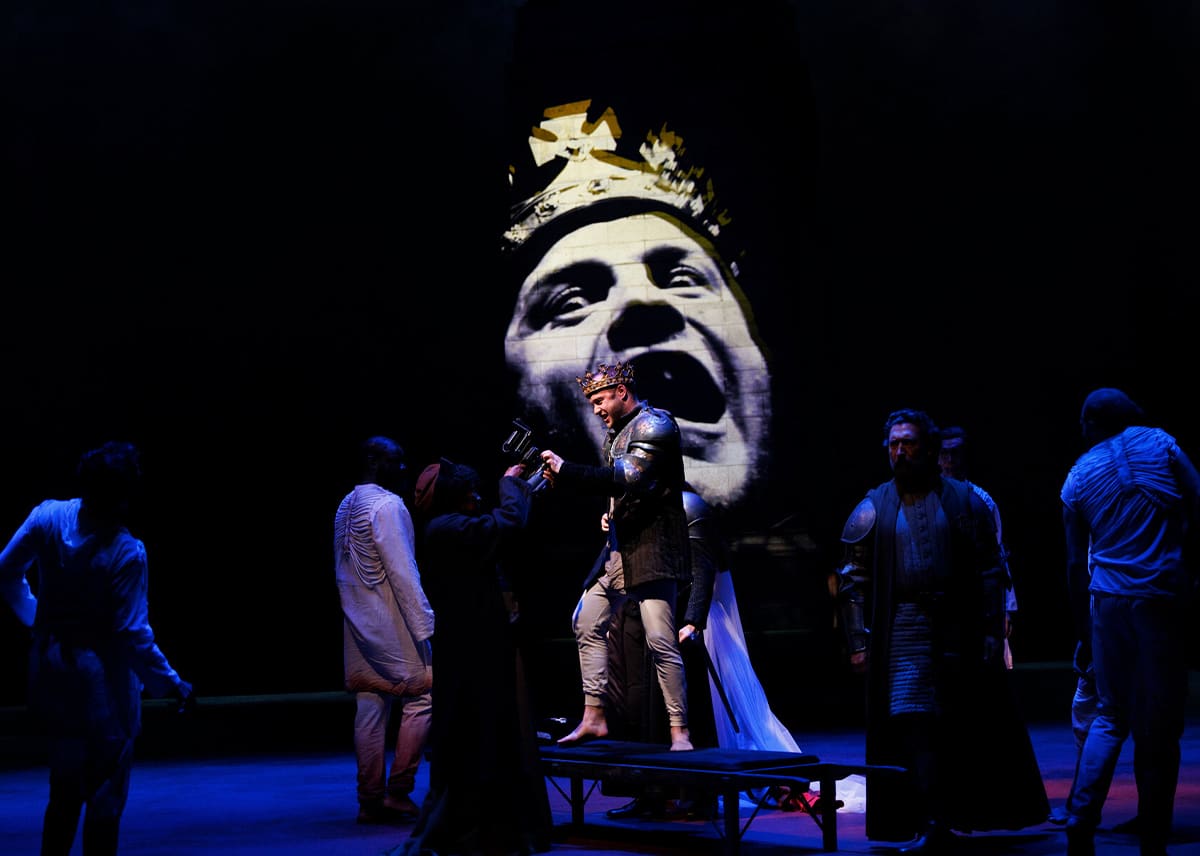
Complex antihero: an interview with Arthur Hughes
Unravelling Authur Hughes' Richard III
Marlon James: a Jamaican reckoning
'A return to a home I barely knew'
Haunting the Black Air
Poetic freedom across space and time
The Disappearers
A sprawling visceral experience that drops you in head first