Blood and Belonging – Traveller Writers
I belong to both worlds
I have mixed heritage. My mother was British Gypsy (Romanichal) and my father was a Welsh gadje (non-Romanichal). They met in the hop fields in Bishops Frome on the borders of Worcestershire and Herefordshire. He had walked all the way from the Welsh Valleys for work. My mother had travelled with her family, as she did every year. They fell in love and married a year later.
This was my beginning, so it’s no wonder then that when I travel to Malvern in Worcestershire, I feel a strong sense of belonging. From a café called ‘The Kettle Sings’ I can see the Herefordshire countryside, the hop fields and the Welsh mountains in the distance.
I also feel a deep sadness at not knowing my father, who died when I was just nineteen months old. He had kidney disease and died of acute nephritis on 14 September 1957. The day before, he was lying in a makeshift bed in the sitting room of his childhood home and I, only a toddler, was on his bed playing with a few toys. I don’t have any memories of him but I do have a sense of his love.
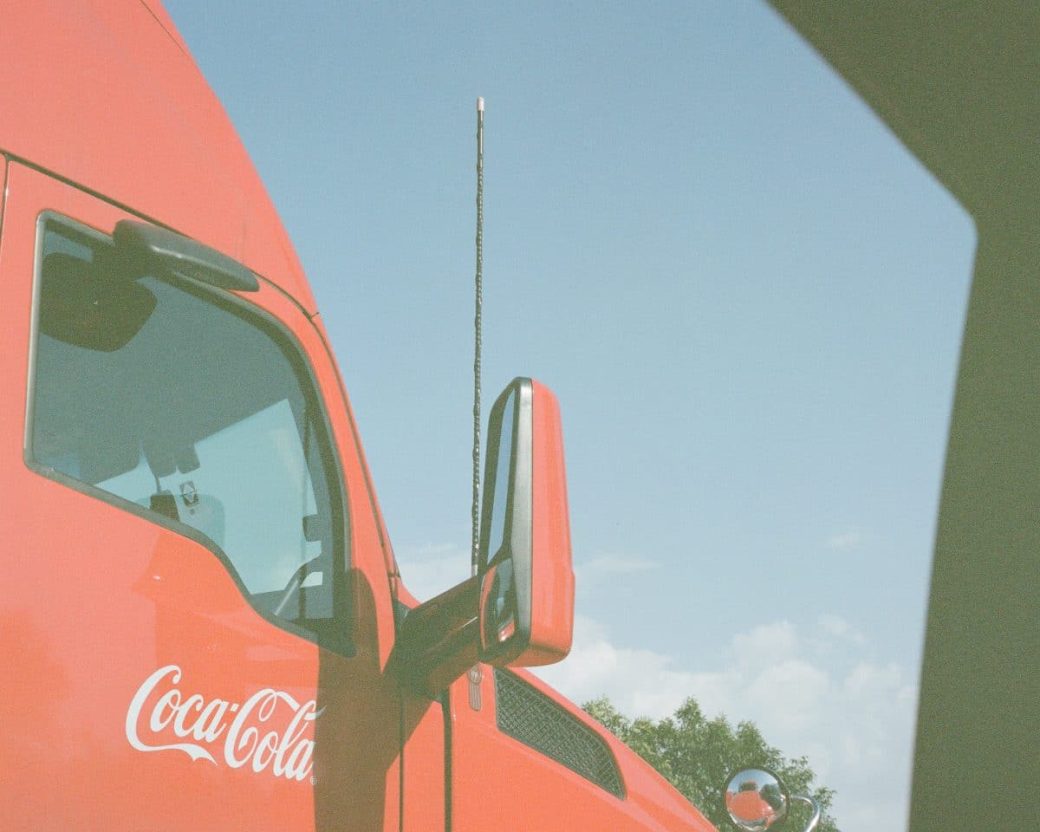
At the time, my mother and I were living in Aberbargoed, a small Welsh mining town. My Gypsy grandfather drove all the way to the valleys in his red lorry to pick us up and take us back to Middlesex where we lived with my grandparents. Mum was pregnant at the time and my sister was born a few months later. My grandparents were allocated a small council house in the late 1930s – previously they had been living in a vardo (wagon) in a place called Fells Yard, which my great grandfather owned. He was a horse dealer and a flower seller and had made good money from both. In one of my poems, I describe how it felt for my grandparents when they looked around the brand-new council house:
Amy walked into the hallway/ neither spoke./ Once in the sitting room/ Amy’s mouth opened, wide/ ‘Dikka kie Alf.’/ He came to the door./ ‘We could fit our whole vardo in here,’ she said./ ‘This is just one room.’
That one room was where my sister and I entertained the family. We sang, danced and I recited poems which I had learned at school. We listened to stories of life on the road, of hop and fruit picking, of peg making and flower selling. The women in my family were strong and all of them worked hard earning their own money. My grandfather played the harmonica and spoons, my mum, granny and aunt would sing, my uncle played the fiddle and my sister and I danced. I loved reading and writing but there were hardly any books in the house apart from a few Mills & Boon that my mother read. I helped my granny with her reading and writing, enough for her to be able to leave a note for the milkman and to sign her name. Our house was very different from my friends’ homes, they seemed to have a more orderly and quiet routine, whereas ours was often chaotic and loud.
My sister and I would be taken to Wales for holidays and enjoyed staying with our Welsh grandparents, aunts and uncles, but it was in Hanworth in Middlesex that we felt at home. We had many Romany relatives who would call in, Great Uncle Joe wearing his dhiklo (scarf), Great Aunt Celia, who used to wash the dead. These are the people that I write about, how they made the transition from living in vardos to living in houses.
I belong to both worlds – the world of the Gypsy and the world of the gadje – and this gives me a clearer perspective about both. Writing has helped me to bring these worlds together, to introduce one to the other and overcome prejudice. It has been a catalyst for change, and I believe that it has the power to heal ancestral wounds, to bear witness to all that my ancestors have lost and had to fight for.
© Raine Geoghegan
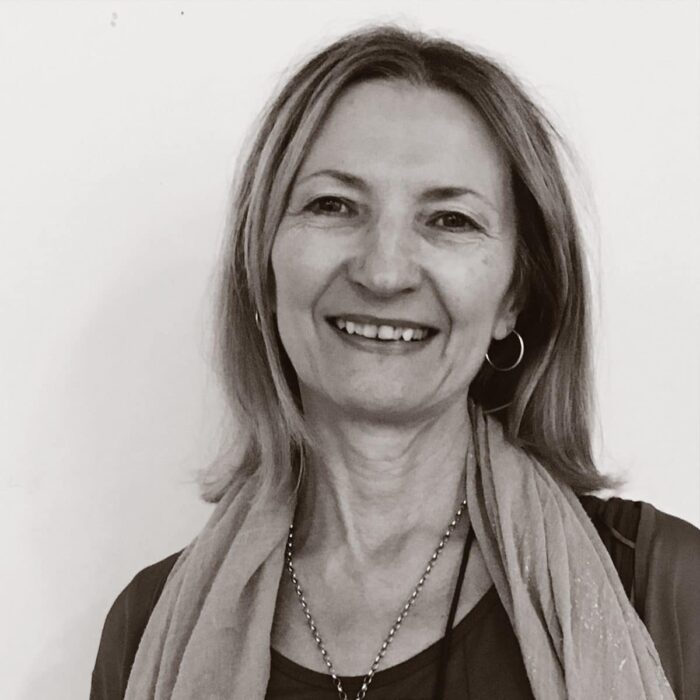
Raine Geoghegan
Raine Geoghegan (she/ her) is a prize winning multi-disciplinary artist with an MA in Creative Writing from the University of Chichester.
Blood and Belonging – Traveller Writers

Blood and belonging
Louise Doughty

Writing spells danger!
Richard O’Neill

Chicken blood
Jo Clement

Reporting for Romanistan
Jake Bowers

Our blood
Damian Le Bas

Objects of love
Rosaleen McDonagh
WritersMosaic monthly
Get new episodes by email
One email monthly, unsubscribe anytime

Illuminating, in-depth conversations between writers.
Listen to all episodes
SpotifyApple Podcasts
Amazon Music
YouTube
Other apps

The series that tells the true-life stories of migration to the UK.
Listen to all episodes
SpotifyApple Podcasts
Amazon Music
YouTube
Other apps
WritersMosaic interrogates the notion of ‘staying in your lane’ by asking writers how they attempt to think beyond the parameters of their cultural identity.
Listen to all episodes
SpotifyApple Podcasts
YouTube

It’s being published I get paid for; the writing I would do for free
‘Any advance [...] for your novel is to compensate you for the horrors of being published'
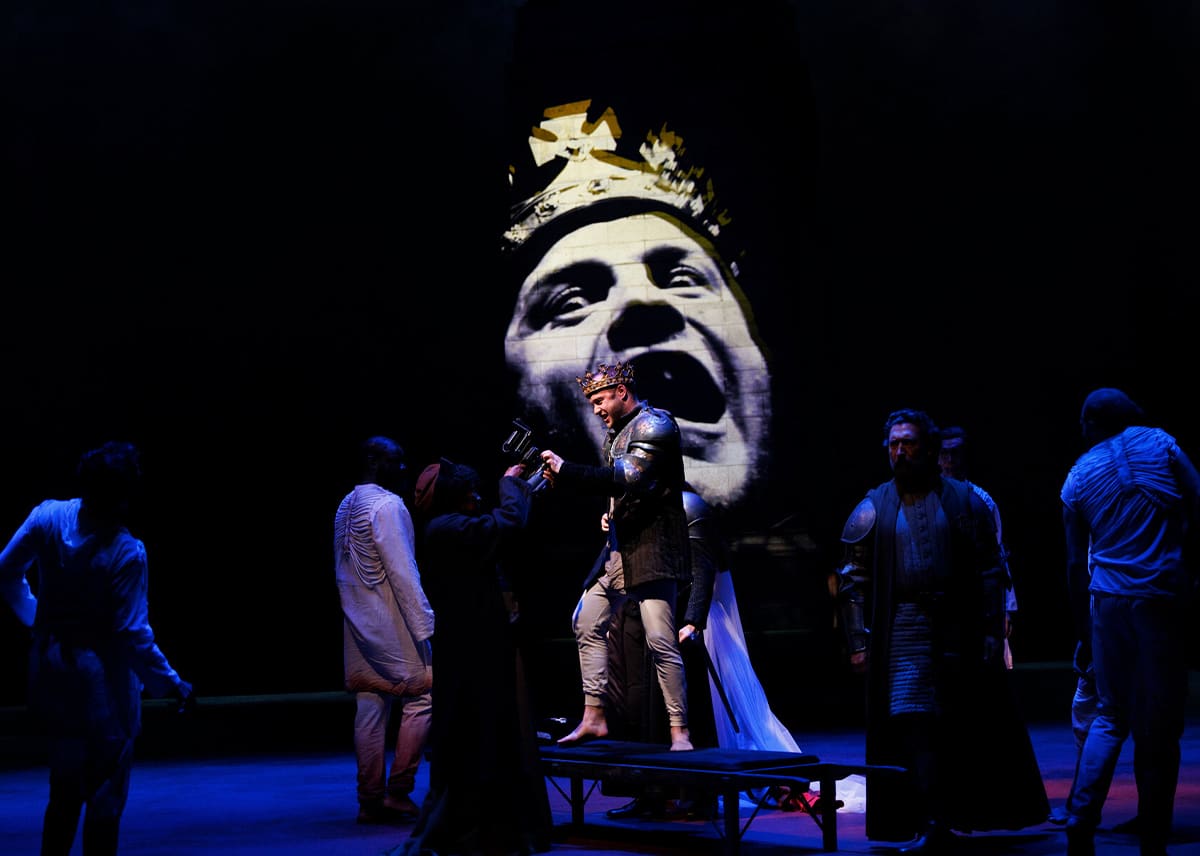
Complex antihero: an interview with Arthur Hughes
Unravelling Authur Hughes' Richard III
Marlon James: a Jamaican reckoning
'A return to a home I barely knew'
Haunting the Black Air
Poetic freedom across space and time
The Disappearers
A sprawling visceral experience that drops you in head first